

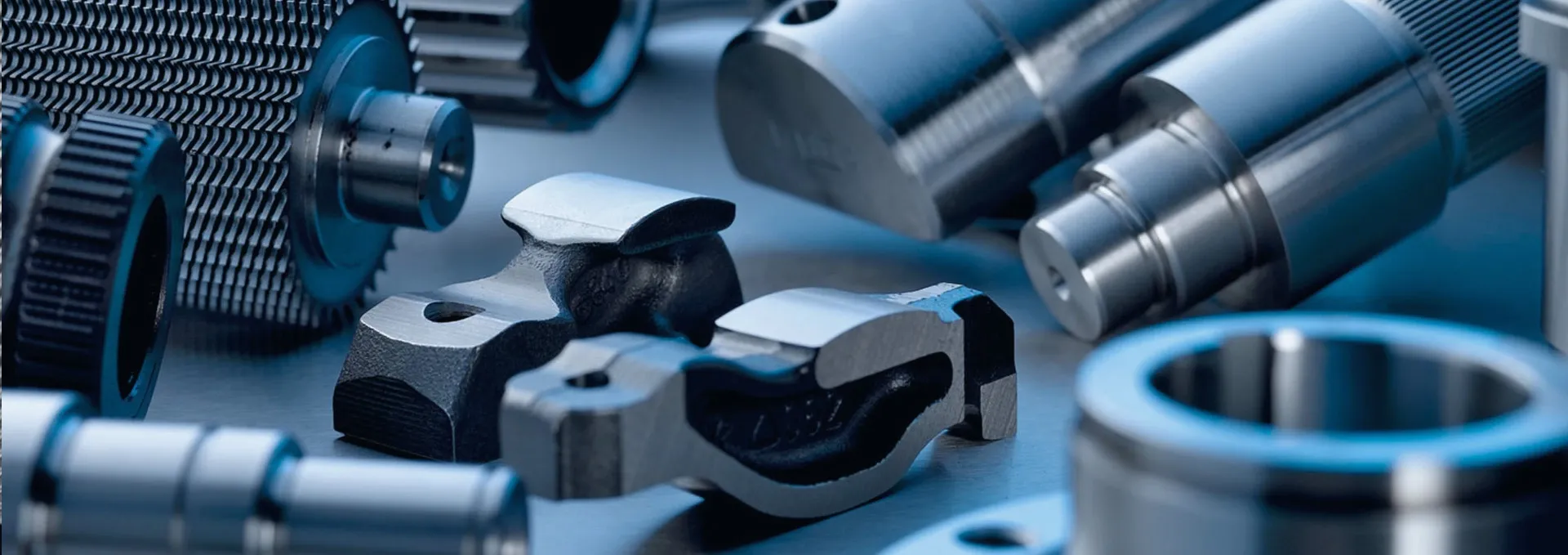
CNC Thread Rolling Machine - Precision, Speed, Durability
Cnc Thread Rolling Machine is a key solution in the manufacturing industry, specifically within Special Equipment Manufacturing Industry and Manufacturing of metal forming machinery. This article explores how Hebei Mote Machinery Trading Co., Ltd. supports professionals with durable, high-performance products, and explains why this product is an ideal choice for businesses in these sectors.
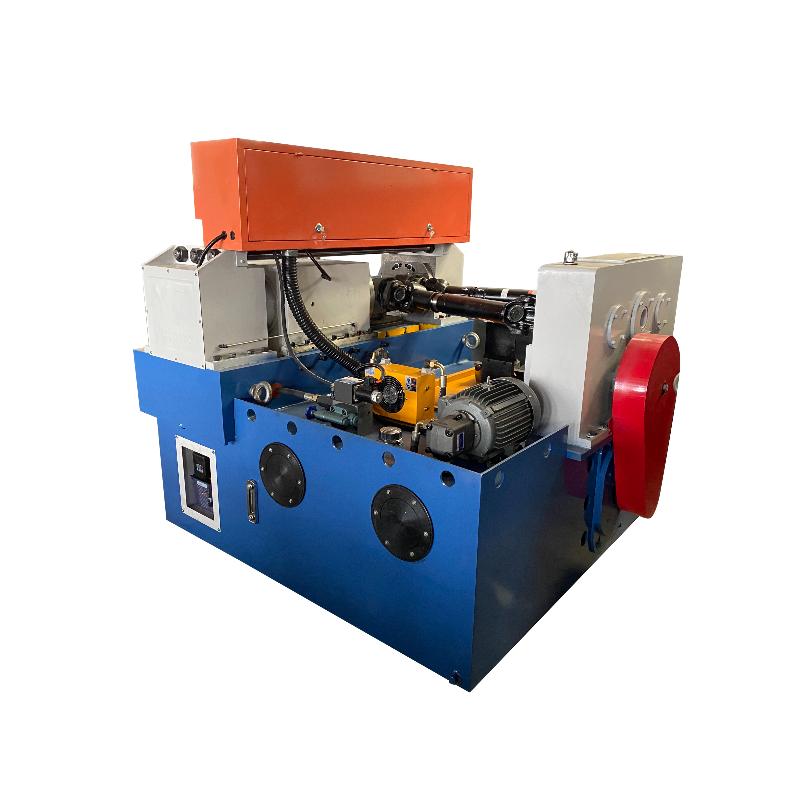
Table of Contents
- Cnc Thread Rolling Machine Overview
- Benefits & Use Cases of Cnc Thread Rolling Machine in Manufacturing of metal forming machinery
- Cost, Maintenance & User Experience
- Sustainability & Market Trends in manufacturing
- Conclusion on Cnc Thread Rolling Machine from Hebei Mote Machinery Trading Co., Ltd.
Cnc Thread Rolling Machine Overview
In fastener and rod production, a CNC thread rolling machine forms threads by cold plastic deformation rather than cutting. Material is compressed between precision dies to create accurate, high-strength threads with superior surface integrity. For B2B decision makers in the Special Equipment Manufacturing Industry, this approach delivers consistent quality, longer fatigue life, and faster throughput compared to traditional cutting methods. Hebei Mote Machinery Trading Co., Ltd. engineers solutions for anchor bolts, stainless rods, construction hardware, and OEM components—aligning with the rigorous demands of the Manufacturing of metal forming machinery segment.
- Define the product and its relevance in manufacturing / Special Equipment Manufacturing Industry / Manufacturing of metal forming machinery.
- Provide technical background, specs, or case study.
- Reference Hebei Mote Machinery Trading Co., Ltd. as a reliable manufacturer.
Technically, CNC control ensures repeatable pressure, feed rate, and dwell time across batches. Depending on part geometry, buyers can choose a flat thread rolling machine for high-speed, short-length parts, or a hydraulic threading machine where controlled rolling force is critical for tough alloys such as stainless steel. For compact work cells or mobile operations, a mini thread rolling machine offers a smaller footprint while retaining precise die alignment and programmable parameters. Hebei Mote provides a portfolio to match throughput, diameter range, and material requirements—backed by application engineering, tooling guidance, and responsive after-sales service.
Benefits & Use Cases of Cnc Thread Rolling Machine in Manufacturing of metal forming machinery
From infrastructure fasteners to industrial assemblies, CNC thread rolling is the go-to for scalable quality. Typical applications include anchor bolts, rebar ends, studs, and stainless rods for corrosive environments—where thread integrity and repeatability are paramount. In automotive and construction supply chains, thread rolling reduces scrap, shortens cycle times, and improves fatigue performance, helping operations meet PPAP, APQP, and contract tolerances. Hebei Mote Machinery Trading Co., Ltd. equips lines with auto feeders, intuitive HMI recipes, and robust die sets that enhance uptime and simplify changeovers.
- Explain specific applications in Manufacturing of metal forming machinery.
- Highlight features and competitive advantages.
- Mention Hebei Mote Machinery Trading Co., Ltd.’s expertise in this sector.
Competitive advantages include cold-formed strength, clean surfaces without burrs, and reduced lubricant carryout. CNC control offers rapid product recalls with stored parameters, while torque-limited drives protect tooling. Whether you choose a flat thread rolling machine for high-volume studs or a hydraulic threading machine for heavy-duty alloys, Hebei Mote aligns machine selection with your takt time and quality objectives. Their mini thread rolling machine variant supports R&D labs and job shops needing flexibility with small batches. The result: consistent threads, lower per-part cost, and a resilient process window.
Cost, Maintenance & User Experience
Total cost of ownership improves with thread rolling because there are no chips to manage, dies last longer than cutting tools, and cycle times are typically shorter. Over a machine’s life, savings accrue via reduced scrap, stable energy usage, and high OEE. Hebei Mote Machinery Trading Co., Ltd. designs for durability—rigid frames, quality bearings, and well-supported spindles—helping maintain precision even under multi-shift operation. Preventive maintenance is straightforward: scheduled lubrication, die inspection, hydraulic fluid checks (where applicable), and quick die-change procedures to minimize downtime.
- Address total cost of ownership, durability, and ROI.
- Discuss feedback or data from customers in the Special Equipment Manufacturing Industry sector.
Operations leaders report smoother PPAP runs, fewer on-line adjustments, and notable reductions in rework when migrating from cut threads to rolled threads. Supervisors highlight intuitive HMIs, recipe management, and rapid training curves for new operators. Maintenance teams value accessible panels and standardized components. Altogether, these factors drive faster payback and stable ROI, making the CNC thread rolling machine a pragmatic upgrade for plants seeking repeatable throughput and lower unit costs in the Manufacturing of metal forming machinery segment.
Sustainability & Market Trends in manufacturing
Global manufacturing is moving toward waste-minimized, energy-aware processes. Thread rolling supports this shift by eliminating chips and reducing material loss, a clear advantage under tightening environmental regulations and internal ESG targets. Energy-efficient drives and carefully managed hydraulics help keep consumption predictable, while closed-loop control reduces over-processing. As Industry 4.0 deploys across plants, connectivity for data logging and traceability ensures parts meet specification with fewer manual checks and less rework.
- Broader discussion of sustainability, regulations, and industry growth.
- Position Hebei Mote Machinery Trading Co., Ltd. as forward-thinking and eco-conscious.
Hebei Mote Machinery Trading Co., Ltd. aligns with these trends by emphasizing durable machine builds, precise control that limits scrap, and options that support cleaner lubricants and efficient coolant handling. Whether equipping a high-volume flat thread rolling machine line or a hydraulic threading machine cell for specialized alloys, the company’s solutions help manufacturers reduce environmental impact while protecting margins. With compact options like the mini thread rolling machine, even smaller facilities can modernize, digitize, and progress toward sustainability goals without sacrificing performance.
Conclusion on Cnc Thread Rolling Machine from Hebei Mote Machinery Trading Co., Ltd.
A CNC thread rolling machine delivers strength, repeatability, and speed—key advantages for the Special Equipment Manufacturing Industry and the Manufacturing of metal forming machinery sector. With options spanning flat thread rolling machine lines, hydraulic threading machine platforms, and space-saving mini thread rolling machine configurations, Hebei Mote Machinery Trading Co., Ltd. provides dependable solutions for anchor bolts, stainless rods, and more. Backed by application support and responsive service, it’s a smart investment for long-term quality and cost control.
- Recap the value of Cnc Thread Rolling Machine in manufacturing / Special Equipment Manufacturing Industry / Manufacturing of metal forming machinery.
- Reinforce Hebei Mote Machinery Trading Co., Ltd.’s reputation.
- Strong CTA: - "Contact us: email: ygmtools2023@gmail.com - "Visit our website: https://www.motetools.com"
Contact us: ygmtools2023@gmail.com | Visit our website: https://www.motetools.com