

CNC Thread Rolling Machine | Precision, Speed, Durability
Cnc Thread Rolling Machine is a key solution in the manufacturing industry, specifically within Special Equipment Manufacturing Industry and Manufacturing of metal forming machinery. This article explores how Hebei Mote Machinery Trading Co., Ltd. supports professionals with durable, high-performance products, and explains why this product is an ideal choice for businesses in these sectors.
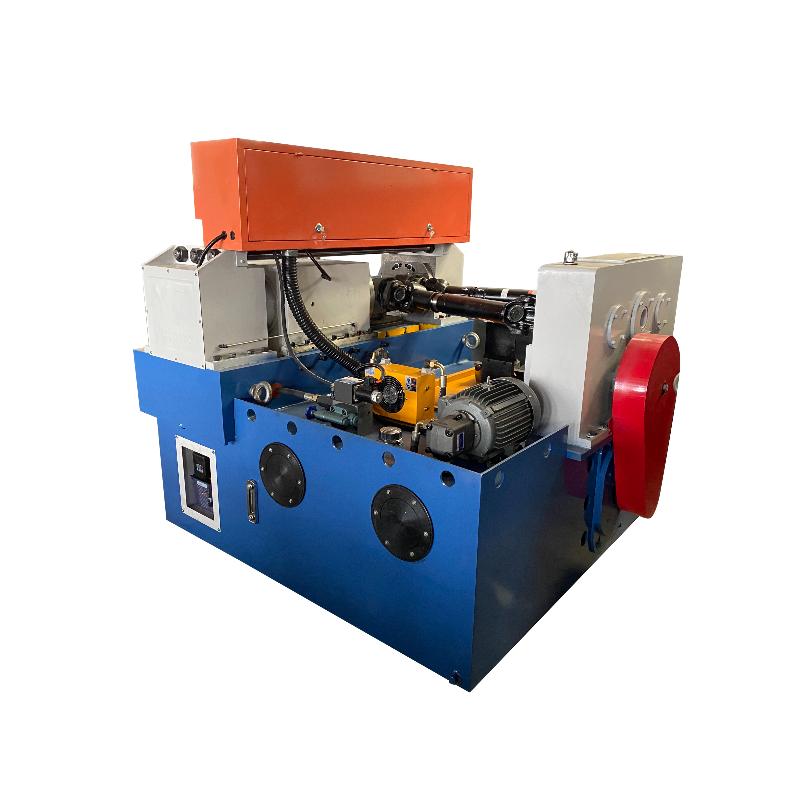
Table of Contents
- Cnc Thread Rolling Machine Overview
- Benefits & Use Cases of Cnc Thread Rolling Machine in Manufacturing of metal forming machinery
- Cost, Maintenance & User Experience
- Sustainability & Market Trends in manufacturing
- Conclusion on Cnc Thread Rolling Machine from Hebei Mote Machinery Trading Co., Ltd.
Cnc Thread Rolling Machine Overview
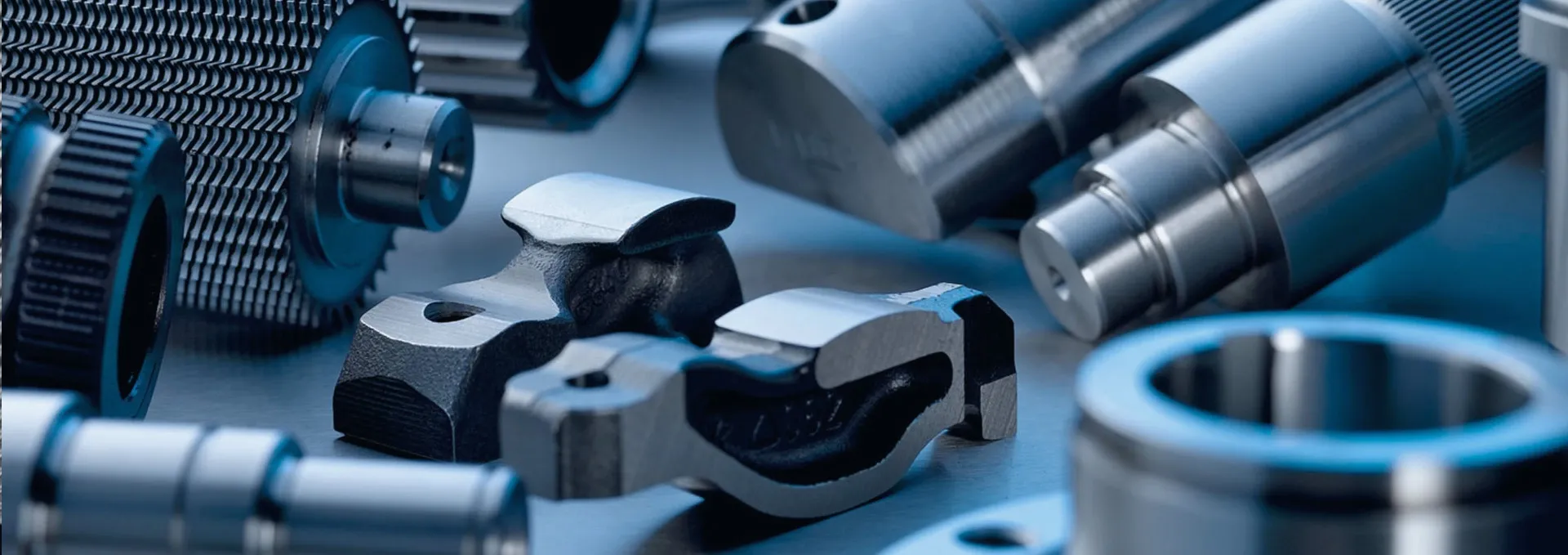
A CNC thread rolling machine is a precision cold-forming system that plastically deforms a workpiece between hardened dies to create accurate, high-strength external threads. Unlike cutting, rolling preserves grain flow and improves fatigue resistance—qualities prized in fasteners, anchor bolts, stainless threaded rods, and automotive components. In the Special Equipment Manufacturing Industry and broader Manufacturing of metal forming machinery, this method delivers repeatability, speed, and superior surface finish with minimal material waste.
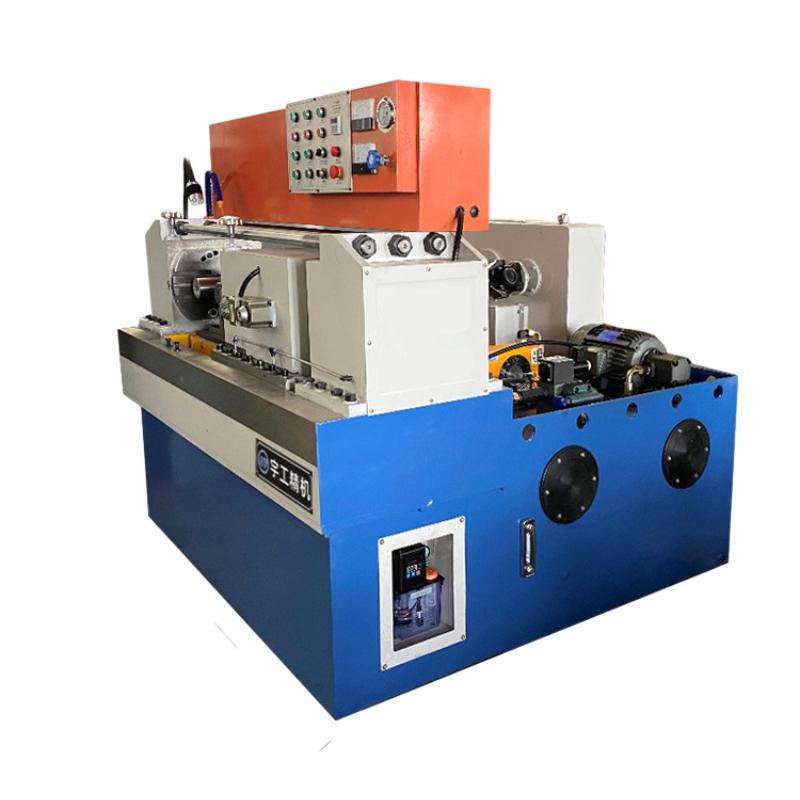
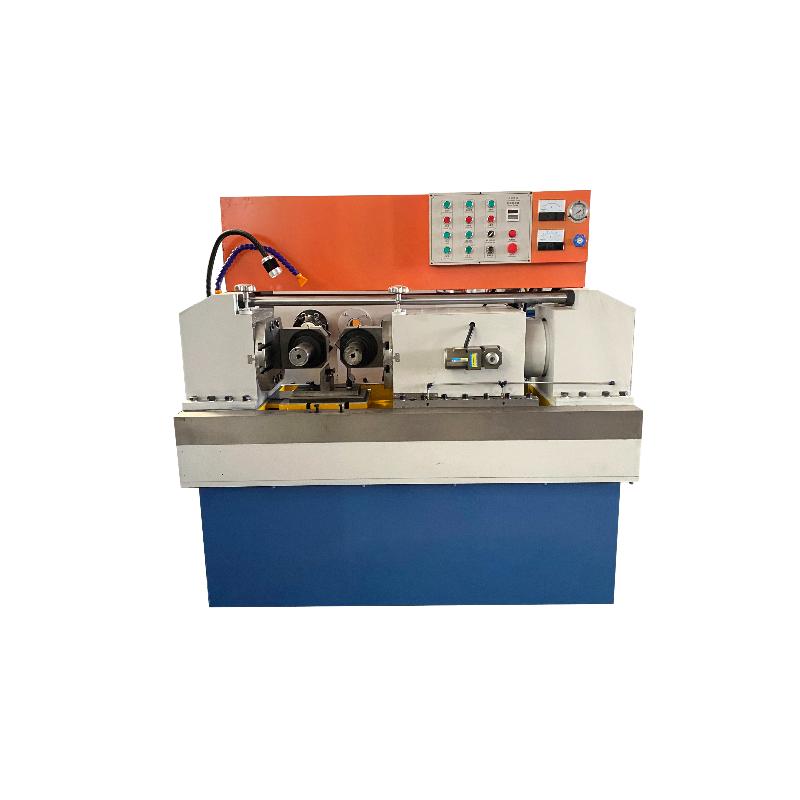
Hebei Mote Machinery Trading Co., Ltd. engineers CNC-controlled solutions featuring rigid frames, servo-driven feeds, closed-loop positioning, and quick-change die systems. Depending on the application, customers can choose configurations similar to a flat thread rolling machine for high-throughput production, a hydraulic threading machine for heavy-duty, large-diameter rods, or a mini thread rolling machine for small parts and agile workcells. Typical specifications cover a wide thread pitch range, support for various die profiles, and seamless handling of carbon steel, stainless steel, and alloy stock. For manufacturers scaling anchor bolt and rod lines, Mote’s machines integrate easily with feeders, conveyors, and in-line gauging to stabilize takt time and quality.
Benefits & Use Cases of Cnc Thread Rolling Machine in Manufacturing of metal forming machinery
In metal forming operations, CNC thread rolling streamlines production of threaded rods, anchor bolts, studs, rebar couplers, and precision shafts. Cold forming reduces chips and secondary finishing, while ensuring consistent pitch accuracy across long runs. For B2B decision makers balancing throughput and compliance, the process offers a compelling balance of speed, repeatability, and part integrity. Paired with flat dies, the machine excels at straight-thread rods; with specialized dies, it can handle knurling and spline-like forms for mechanical assemblies.
Competitive advantages include CNC recipe management to standardize changeovers, rigid construction for dimensional stability, and hydraulic power units tuned for smooth pressure control. Optional automation—loaders, counting, and in-process inspection—helps stabilize OEE and reduce labor per part. Hebei Mote Machinery Trading Co., Ltd. supports a full portfolio, from mini thread rolling machine setups for flexible cells to hydraulic threading machine options for large-diameter stainless rods. Their process know-how and after-sales support help manufacturers scale confidently while meeting tight mechanical and documentation requirements.
Cost, Maintenance & User Experience
Total cost of ownership for a CNC thread rolling machine is shaped by energy consumption, die life, cycle times, and staffing. Cold forming typically reduces material loss versus cutting, which can lower per-part cost. Standardized CNC recipes and quick-change die cassettes further reduce downtime during product changeovers. Many buyers see ROI through fewer secondary operations (deburring, finishing), higher throughput, and less scrap on stainless and alloy steels where material value is high.
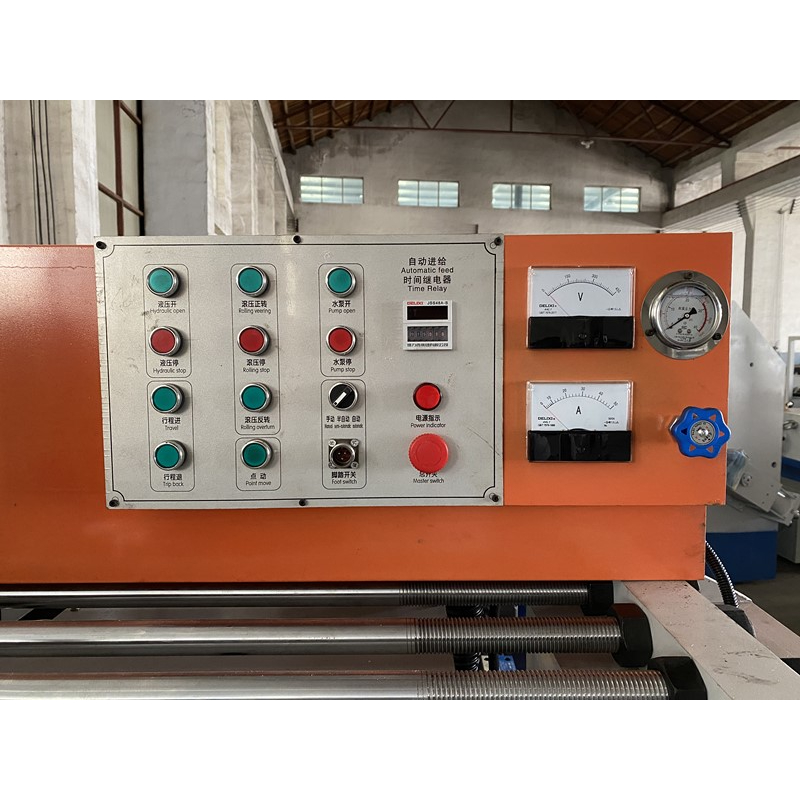
Maintenance is straightforward: daily lubrication checks, die alignment verification, hydraulic filter inspection, and periodic replacement of wear components. Hebei Mote Machinery Trading Co., Ltd. designs for accessibility around drive trains and fluid circuits, helping teams perform preventive maintenance without extended stoppages. Users in the Special Equipment Manufacturing Industry report stable dimensional results over long runs, aided by the machine’s rigid frame and consistent hydraulic control. The HMI supports guided setup, parameter limits, and alarm diagnostics, which shortens the learning curve for operators and enhances overall equipment effectiveness.
Sustainability & Market Trends in manufacturing
Sustainability pressures and regulations are reshaping metal forming. Cold-form thread rolling aligns well with waste-reduction goals by minimizing chip generation and improving material utilization. Many manufacturers are moving toward energy-efficient motors, high-performance hydraulic systems, and fluid management practices to reduce consumption and extend lubricant life. Traceability, data logging, and digital work instructions are increasingly required to satisfy customer audits and compliance expectations across infrastructure, transportation, and energy projects.
Hebei Mote Machinery Trading Co., Ltd. takes a forward-looking approach with machines that support data connectivity, efficient hydraulic control, and long-life die technologies to lower waste over the machine’s service life. Whether deployed as a standalone unit, a flat thread rolling machine in a high-volume cell, a hydraulic threading machine for heavy sections, or a mini thread rolling machine for compact lines, the equipment helps manufacturers pursue greener operations while meeting market demands for reliable, high-strength threaded components.
Conclusion on Cnc Thread Rolling Machine from Hebei Mote Machinery Trading Co., Ltd.
In the Special Equipment Manufacturing Industry and Manufacturing of metal forming machinery, a CNC thread rolling machine delivers strength, repeatability, and cost efficiency that cutting often cannot match. Hebei Mote Machinery Trading Co., Ltd. pairs robust mechanical design with practical CNC control, providing options from compact mini units to hydraulic systems for large-diameter rods. For manufacturers seeking reliable capacity expansion, quality assurance, and lower per-part costs, Mote’s solutions are a strong fit.
- Contact us: email: ygmtools2023@gmail.com
- Visit our website: https://www.motetools.com