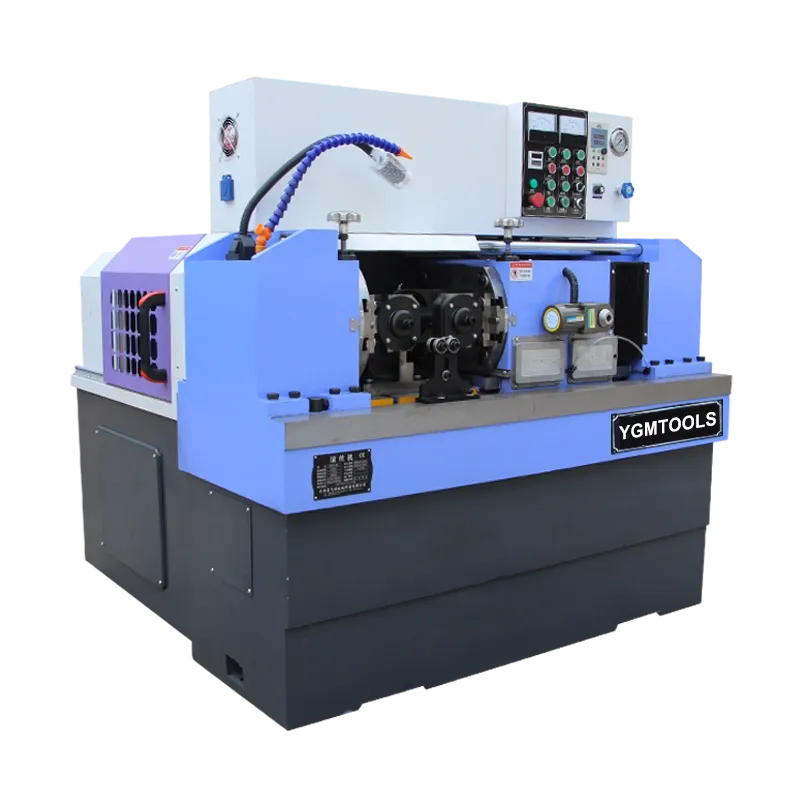
High-Precision cnc thread rolling machine Solutions for Cameroon Industrial Growth

Empowering Cameroon's metal forming industry with advanced cold rolling technology to enhance productivity and fastener quality.

High-Precision cnc thread rolling machine Solutions for Cameroon Industrial Growth

We provide specialized metal forming equipment tailored for the Cameroonian market, focusing on efficiency, durability, and high-precision threading for the automotive, construction, and oil sectors.

The State of Metal Forming in Cameroon

Analyzing the challenges and opportunities for threading technology in Central Africa.

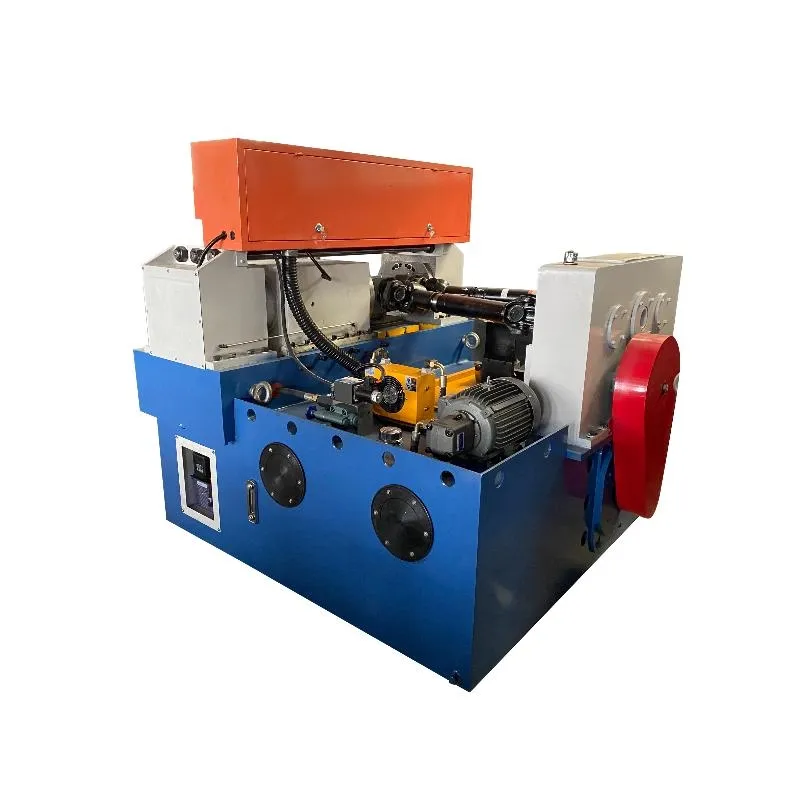
In Cameroon, the manufacturing landscape is characterized by a growing demand for localized fastener production to reduce reliance on expensive imports. However, many workshops still rely on outdated cutting methods, which lead to higher material waste and lower structural integrity compared to the use of a professional thread rolling machine.

The humid tropical climate of regions like Douala and Yaoundé presents significant maintenance challenges. Corrosion and oxidation can rapidly degrade precision tooling, making the demand for high-grade, wear-resistant screw rolling machine components critical for operational longevity in local factories.

Furthermore, the rise of the oil and gas sector in the Gulf of Guinea has pushed local manufacturers toward higher standards. There is a visible shift from manual processes toward automated systems, where the integration of a hydraulic threading machine is becoming essential for processing heavy-duty industrial bolts.

Evolution of Threading Technology in Cameroon

From manual craftsmanship to CNC automation in the metalworking sector.

Market Development History

Prior to 2010, the Cameroonian market primarily utilized manual die-cutting and basic lathes for threading. This era was defined by low-volume production and significant variance in thread precision, limiting the growth of the local automotive spare parts industry.

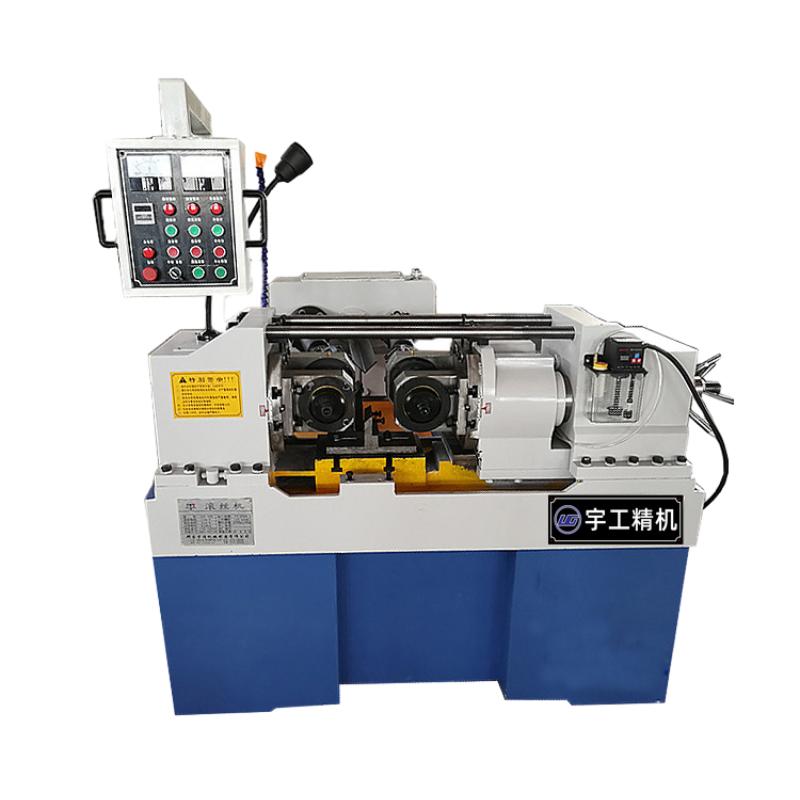
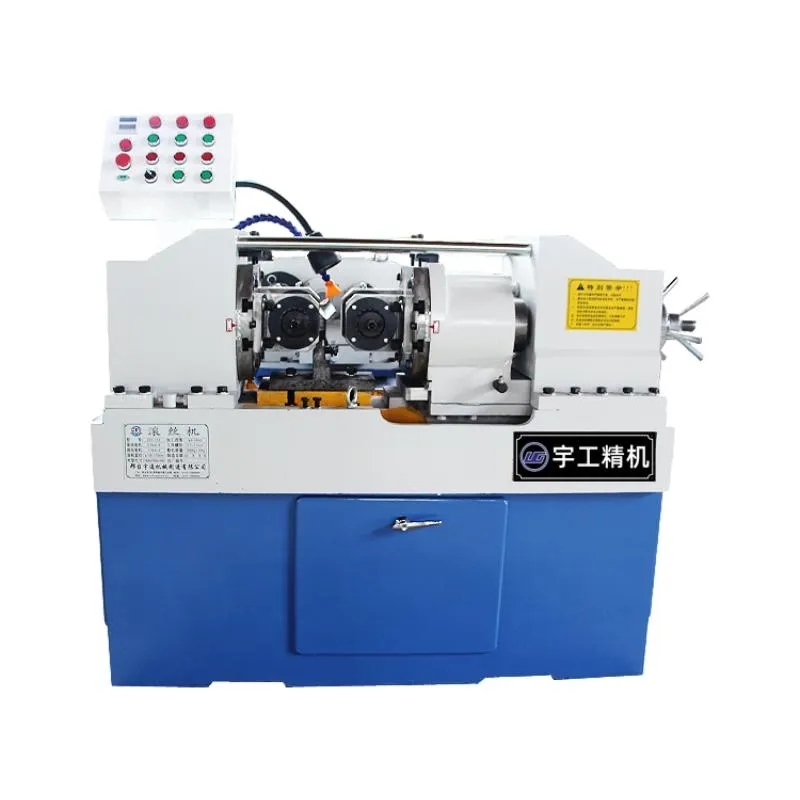
Between 2010 and 2020, a transition occurred as small-to-medium enterprises (SMEs) began importing mechanical flat thread rolling machine equipment. This allowed for the mass production of standardized screws and bolts, supporting the national infrastructure boom.

From 2020 to the present, the market has entered the digitalization phase. The adoption of CNC controllers has reduced human error and allowed for complex thread geometries, enabling Cameroon to compete in more specialized industrial niches.

Future Development Trends

Integration of IoT Diagnostics

We predict a surge in "Smart Factories" where machines provide real-time wear alerts to prevent downtime in remote Cameroonian industrial zones.

Energy-Efficient Hydraulic Systems

As power costs fluctuate, there will be a shift toward hybrid hydraulic systems that reduce energy consumption without sacrificing clamping force.

High-Precision Micrometer Control

Increasing demands from the aerospace and medical sectors will drive the adoption of ultra-precision rolling dies and closed-loop feedback systems.

Industry Trends and Future Outlook

Strategic directions for the forging and stamping machinery industry in Cameroon.

Automation Shift
Rapid migration from manual operation to fully autonomous CNC threading to ensure consistency.
Material Diversification
Adapting machines to handle high-tensile alloys used in Cameroon's expanding mining projects.
Green Manufacturing
Implementing cold-rolling processes to eliminate cutting chips and reduce raw material waste.
Local Skill Training
Growing demand for localized technical support and operators trained in CNC programming.

Industry Outlook

Over the next 3-5 years, we anticipate that the Cameroonian metal processing industry will shift from "generic production" to "precision engineering." This will be driven by the government's push for industrialization and the increasing requirements of international engineering firms operating in the region.

Based on regional search trends, there is a significant increase in queries regarding "automated fastener production" and "industrial cold rolling," suggesting that local entrepreneurs are actively seeking technologies to replace traditional machining with more efficient rolling solutions.

Localized Applications in Cameroon

Real-world implementation of threading technology across diverse sectors.

01. Automotive Spare Parts Manufacturing

Local workshops in Douala utilize rolling machines to produce high-strength bolts and studs for vehicle repairs, ensuring the threads can withstand the vibrations of rough road conditions.

02. Oil & Gas Pipeline Fittings

Heavy-duty threading equipment is used to create precision connections for piping systems in coastal oil fields, where seal integrity is paramount to prevent leaks.

03. Construction Fastener Production

With the boom in urban infrastructure, the production of standardized threaded rods for reinforced concrete structures has shifted to high-efficiency rolling processes.

04. Agricultural Machinery Tooling

Manufacturing custom fasteners for cocoa and coffee processing machinery, allowing local farmers to access affordable, locally-made replacement parts.

05. Mining Equipment Maintenance

Producing oversized, heavy-duty threaded components for mining rigs in the eastern regions, utilizing high-pressure hydraulic systems for maximum torque.

Brand Story

Global Development History of Hebei Mote Machinery Trade Co., Ltd.

Foundational Precision

Started with a commitment to solve the common pain points of thread inconsistency and tool wear in the metal forming industry.

Technological Breakthrough

Developed proprietary die-rolling alloys that increased tool life by 40%, specifically for high-carbon steel processing.

Global Expansion

Expanded our footprint into the African market, tailoring machine specifications to withstand varied power grids and climates.

CNC Innovation

Launched a new generation of intuitive CNC interfaces, reducing the learning curve for operators in developing industrial zones.

Sustainable Future

Now focusing on zero-waste manufacturing solutions, helping our global clients achieve green production standards.

Common Questions in Cameroon's Threading Industry

Expert answers to technical and operational queries.

How does a cnc thread rolling machine improve fastener strength?

Unlike cutting, rolling displaces the metal, creating a grain flow that follows the thread profile, significantly increasing fatigue resistance and shear strength.

Which screw rolling machine is best for small workshops in Yaoundé?

For SMEs, we recommend compact mechanical models that offer a balance of precision and low maintenance requirements, ensuring easy operation with minimal training.

What are the advantages of using a flat thread rolling machine for bolts?

Flat rolling machines allow for the simultaneous production of multiple threads on a single workpiece, drastically increasing hourly output compared to cylindrical rolling.

Can a hydraulic threading machine handle stainless steel?

Yes, the high clamping force provided by hydraulic systems is ideal for tougher materials like stainless steel and titanium alloys used in industrial applications.

How to maintain a thread rolling machine in humid climates?

Regular application of anti-corrosive lubricants and the use of climate-controlled storage for dies are essential to prevent rust and maintain precision in coastal regions.

What is the typical lead time for CNC equipment delivery to Cameroon?

Depending on the customization level, lead times typically range from 4 to 8 weeks, including professional packaging for maritime shipment to Douala port.

Ready to Upgrade Your Production?

Get professional technical consultation for the most durable threading solutions tailored for the industrial environment of Cameroon.

Contact Us Now

If you are interested in our products, you can choose to leave your information here, and we will be in touch with you shortly.