Selecting the best roll thread machine is a pivotal decision for any precision engineering facility aiming to optimize its production line. Unlike traditional cutting methods, thread rolling utilizes a cold-forming process that displaces metal rather than removing it, resulting in superior thread strength, exceptional surface finishes, and significantly reduced waste. In the competitive landscape of metal processing, the right equipment not only accelerates throughput but also ensures that every fastener meets the most stringent international quality standards.
Globally, the demand for high-performance threading solutions has surged as industries like aerospace, automotive, and medical device manufacturing push the boundaries of material science. The shift toward high-strength alloys requires a best roll thread machine that can handle increased pressures without compromising precision. By integrating advanced metallurgy with mechanical engineering, these machines allow manufacturers to produce millions of consistent parts with minimal downtime, effectively bridging the gap between raw material and high-value industrial components.
Understanding the nuances of 2-Axis and ZA28 Series machines is essential for operators who want to balance cost-efficiency with technical capability. Whether you are focusing on small-batch custom orders or massive industrial runs, the efficiency of your thread rolling process directly impacts your bottom line. This guide explores the critical factors that define the best roll thread machine, providing a comprehensive roadmap for selecting equipment that delivers long-term reliability and unparalleled precision.
Global Industrial Context of Thread Rolling
The global manufacturing sector is currently undergoing a massive transition toward "Industry 4.0," where precision and speed are no longer optional but mandatory. According to ISO standards for fasteners, the consistency of thread geometry is critical for safety in structural applications. The best roll thread machine addresses the global challenge of material waste by eliminating the chips produced by traditional turning or milling, aligning perfectly with global sustainability goals.
In regions like Southeast Asia and Europe, the push for automotive electrification has increased the need for specialized fasteners that can withstand extreme vibrations and thermal cycling. This has put immense pressure on equipment manufacturers to innovate, leading to the development of the ZA28 Series, which offers a blend of stability and agility. By adopting a high-efficiency rolling process, factories can reduce their energy consumption per unit, making the investment in a premium machine a strategic move for both ecological and financial reasons.
Defining the Best Roll Thread Machine
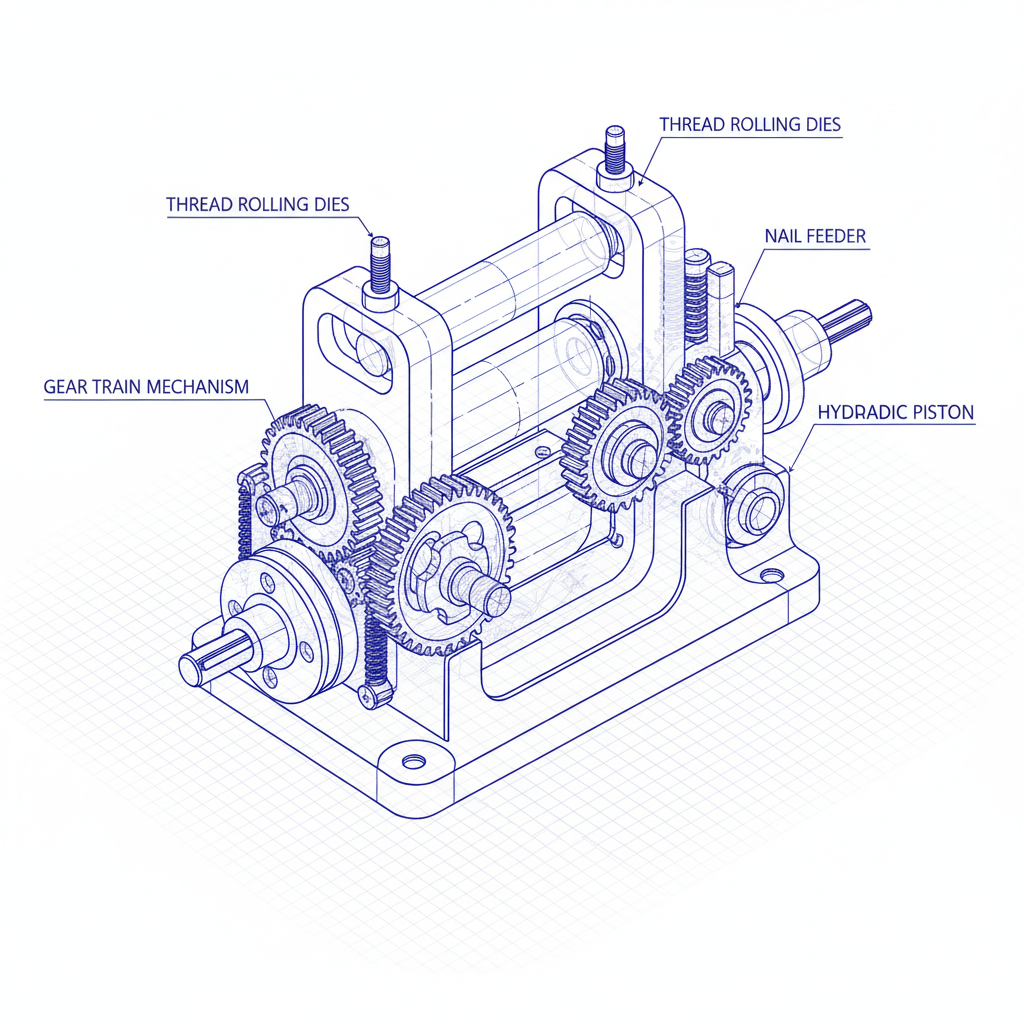
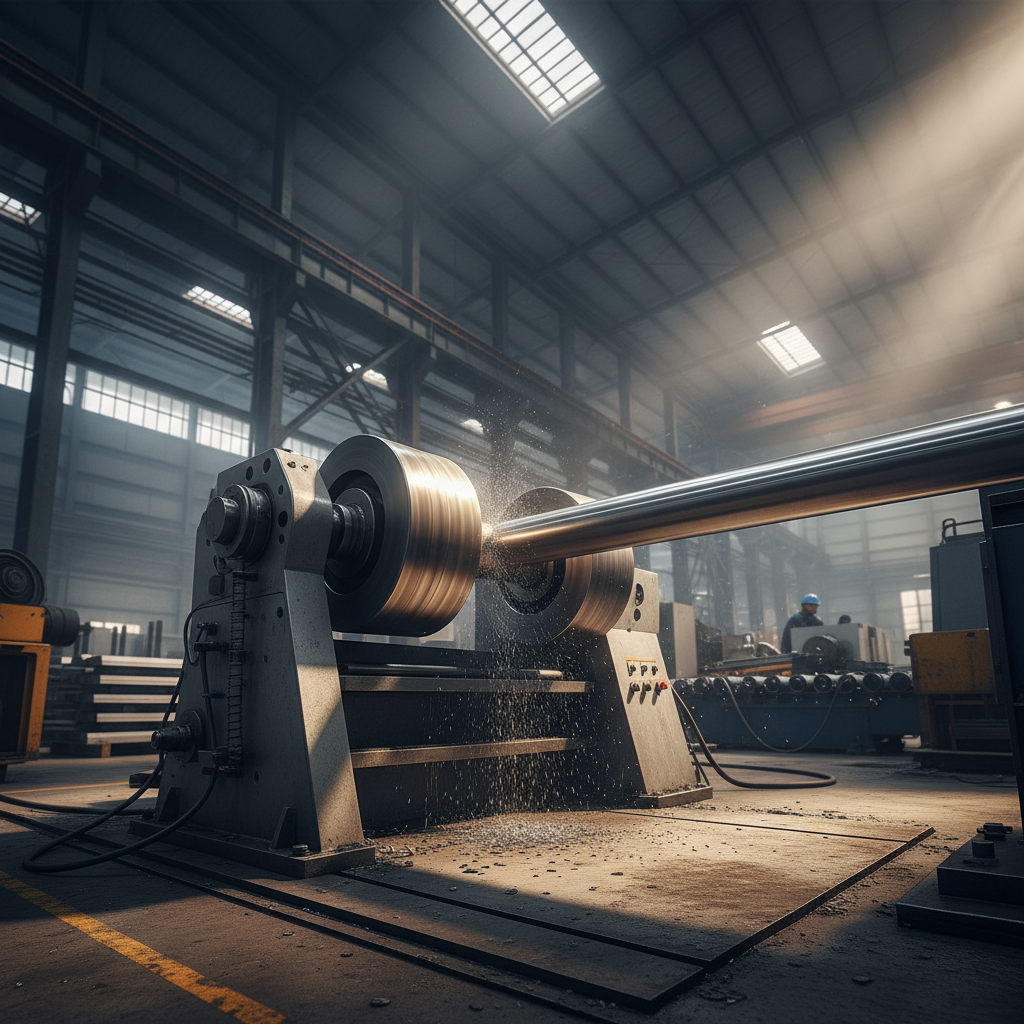
At its core, the best roll thread machine is a precision instrument designed to form threads by pressing a workpiece between hardened steel dies. Unlike cutting, which shears the metal, rolling compresses it. This process creates a grain flow that follows the contour of the thread, which significantly increases the fatigue strength of the part. For an engineer, this means the finished bolt or screw is far less likely to fail under stress compared to a cut thread.
In modern industry, this definition extends beyond the mechanical action to include the integration of CNC controls and automated feeding systems. A truly "best" machine is one that minimizes human error through precise synchronization of the 2-axis movement, ensuring that the pitch and diameter are identical across millions of cycles. This level of reliability is what allows humanitarian projects, such as the rapid assembly of modular housing or bridge reinforcements, to rely on standardized fasteners that fit perfectly every time.
Furthermore, the connection to modern humanitarian needs is seen in the production of affordable, high-quality medical hardware. From surgical implants to laboratory equipment, the need for biocompatible, high-precision threading is paramount. The best roll thread machine provides the capability to work with titanium and stainless steel with microscopic accuracy, ensuring that life-saving devices are manufactured with absolute safety and reliability.
Core Components for Maximum Precision
Durability is the first pillar of the best roll thread machine. The machine frame must be constructed from heavy-duty cast iron or reinforced steel to dampen vibrations. When rolling high-tensile materials, the internal pressures are enormous; any flex in the machine body would lead to dimensional inaccuracies and premature wear on the dies, ultimately increasing the cost of production.
Precision synchronization in a 2-Axis system is what separates a standard machine from the best roll thread machine. The ZA28 Series employs high-torque servo motors and precision ball screws to ensure that the linear motion of the workpiece perfectly matches the rotation of the dies. This synergy prevents "thread slip," ensuring a smooth, mirror-like finish that reduces friction in the final application.
Finally, scalability and tool versatility allow a facility to pivot between different product lines quickly. The ability to swap dies rapidly and recalibrate the machine via a digital interface means that the best roll thread machine can handle a diverse portfolio, from tiny precision screws to heavy-duty industrial studs, without requiring a complete overhaul of the production floor.
Performance Metrics and Efficiency Analysis
When evaluating the best roll thread machine, quantitative data is the only way to truly measure ROI. We look at three primary metrics: cycle time, tool longevity, and scrap rate. High-end machines like the ZA28 Series typically exhibit a scrap rate of less than 0.1%, as the cold-forming process is inherently more stable than the thermal-intensive cutting process.
Efficiency is not just about speed; it's about the stability of that speed over an eight-hour shift. A machine that starts fast but drifts in precision due to thermal expansion is not the best roll thread machine. Advanced cooling systems and thermally stable alloys in the spindle assembly ensure that the 10,000th part is identical to the first.
Comparative Efficiency of Threading Technologies
Real-World Applications Across Sectors
The versatility of the best roll thread machine is most evident in the automotive sector, where high-strength bolts are required for engine blocks and chassis. In these environments, a failure in a single fastener can lead to catastrophic results. By using rolling technology, manufacturers ensure that the grain structure of the metal remains intact, providing the tensile strength necessary for safety-critical components.
Beyond heavy industry, these machines are indispensable in remote industrial zones, such as oil and gas extraction sites. The ability to produce heavy-duty, corrosion-resistant threaded pipes and connectors on-site or in regional hubs reduces reliance on long supply chains. In these rugged contexts, the durability of the ZA28 Series ensures that production continues even in challenging environmental conditions, maintaining the integrity of critical energy infrastructure.
Long-Term Value and Sustainability
Investing in the best roll thread machine is a commitment to long-term operational sustainability. From a logical perspective, the reduction in raw material waste—since no chips are removed—directly lowers the cost per part. Over a decade of operation, this saving can amount to hundreds of thousands of dollars in material costs alone, not including the reduced need for coolant and cutting fluids.
Emotionally, the value lies in the trust and reputation a brand builds through quality. When a client knows that every single thread is rolled to perfection, it creates a bond of reliability. Safety is not just a metric; it is a promise. The peace of mind that comes from knowing your fasteners will not shear under load is the invisible but most valuable product of a high-end rolling machine.
Moreover, the environmental impact of shifting away from cutting-based threading is significant. By eliminating the need for large volumes of metal-cutting lubricants and reducing energy consumption through faster cycle times, the best roll thread machine helps companies meet ESG (Environmental, Social, and Governance) targets, making them more attractive to modern investors and eco-conscious clients.
Future Innovations in Threading Technology
The future of the best roll thread machine lies in the intersection of AI and material science. We are seeing the rise of "smart dies" equipped with sensors that can detect wear in real-time, alerting operators before a part falls out of tolerance. This shift from reactive to predictive maintenance will virtually eliminate unplanned downtime in high-volume factories.
Digital transformation is also introducing cloud-integrated monitoring for the ZA28 Series. Imagine a facility manager monitoring the performance of ten different rolling machines across three continents from a single dashboard. This level of connectivity allows for the optimization of global production loads, ensuring that the best roll thread machine is always utilized at its peak efficiency.
Additionally, the development of new nano-coatings for rolling dies is extending tool life by up to 300%. These coatings reduce friction and heat buildup, allowing the machine to process exotic alloys that were previously too hard for conventional rolling. As we move toward a greener economy, the synergy of automation and material innovation will redefine what it means to have the most efficient threading process.
Technical Comparison of Thread Rolling Innovations
| Technology Generation |
Key Feature |
Precision Level (1-10) |
Energy Efficiency |
| Mechanical 1.0 |
Manual Feed |
5 |
Low |
| Semi-Auto 2.0 |
Hydraulic Press |
7 |
Medium |
| CNC 3.0 (ZA28) |
2-Axis Servo |
9 |
High |
| AI-Integrated 4.0 |
Predictive Wear |
10 |
Very High |
| Nano-Coat 5.0 |
Diamond-Like Carbon |
10 |
High |
| Cloud-Sync 6.0 |
Global Telemetry |
9 |
Optimized |
FAQS
The ZA28 series balances a compact footprint with high-torque output and 2-axis precision. It is designed for versatility, allowing mid-sized shops to switch between different thread diameters and pitches quickly without needing a massive industrial installation, making it highly cost-effective for diverse product lines.
Rolling displaces the metal, which compresses the grain structure and creates a continuous flow along the thread profile. This "work hardening" effect significantly increases the fatigue strength and shear resistance of the part, making rolled threads far superior for high-stress applications compared to cut threads.
Yes, provided the machine is equipped with high-pressure capabilities and specialized tungsten carbide or nano-coated dies. Machines like the ZA28 are engineered to handle the immense pressures required to deform high-strength alloys without compromising the machine's structural integrity.
While daily lubrication is standard, a comprehensive check of the ball screws and servo alignments is typically performed quarterly. The dies should be inspected for wear every few thousand cycles, although modern predictive sensors can now alert operators to the exact moment a die needs replacement.
Absolutely. Most modern 2-Axis machines are compatible with robotic arm feeders or vibratory bowl feeders. This transforms the machine from a manual operator station into a fully autonomous cell, drastically increasing parts-per-hour and reducing labor costs.
A 2-axis machine is ideal for standard cylindrical fasteners and offers the best balance of simplicity and precision. Multi-axis machines are necessary for complex geometries or non-standard threading paths. For 90% of industrial fastener needs, a high-quality 2-axis machine is the most efficient choice.
Conclusion
Selecting the best roll thread machine is more than a simple purchase; it is a strategic upgrade to your facility's core capabilities. By prioritizing the synergy between structural durability, 2-axis precision, and sustainable cold-forming technology, manufacturers can achieve a rare combination of higher product strength and lower production costs. From the efficiency of the ZA28 Series to the long-term reliability of rolled threads, the evidence clearly shows that investing in premium equipment is the only way to remain competitive in a global market that demands zero-defect precision.
As we look toward a future of AI-driven manufacturing and green energy, the role of the best roll thread machine will only grow in importance. We encourage engineers and procurement officers to look beyond the initial price tag and evaluate the total lifecycle value, including material savings and brand reputation. To explore our full range of high-precision threading solutions and find the perfect fit for your production needs, visit our website: www.motetools.com.