

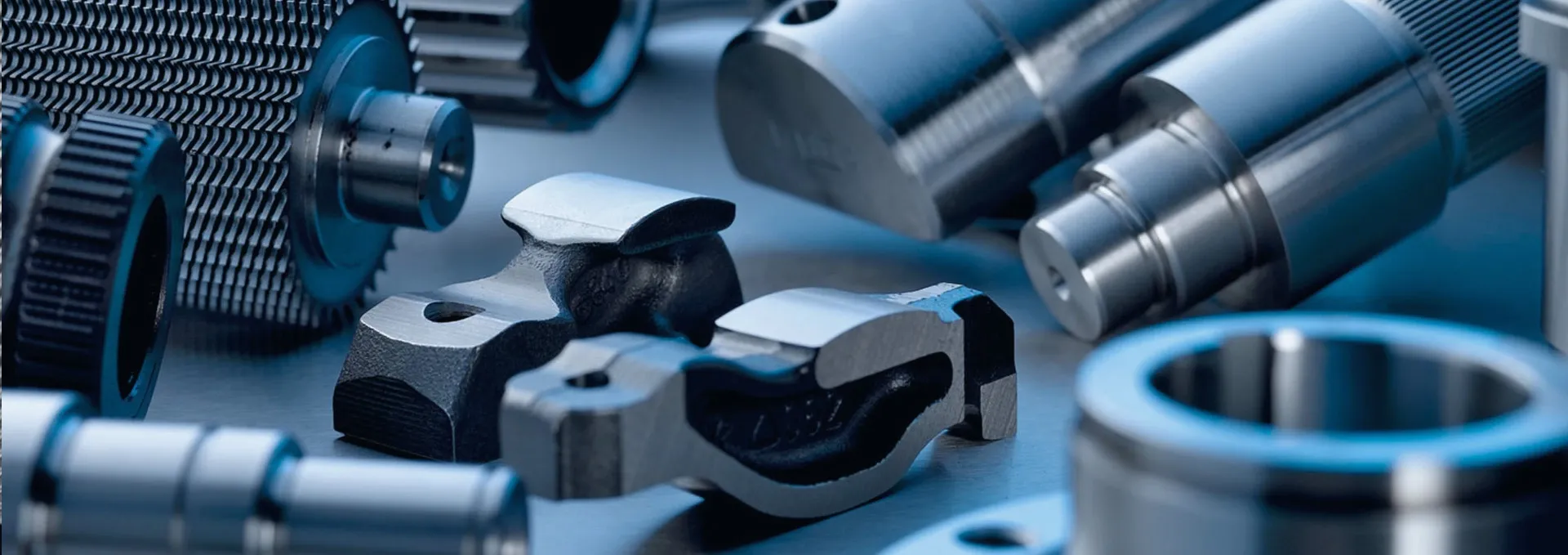
Need a CNC Thread Rolling Machine with Precision and Speed?
Inside the Type 250: A Working Review of a cnc Thread Rolling Workhorse
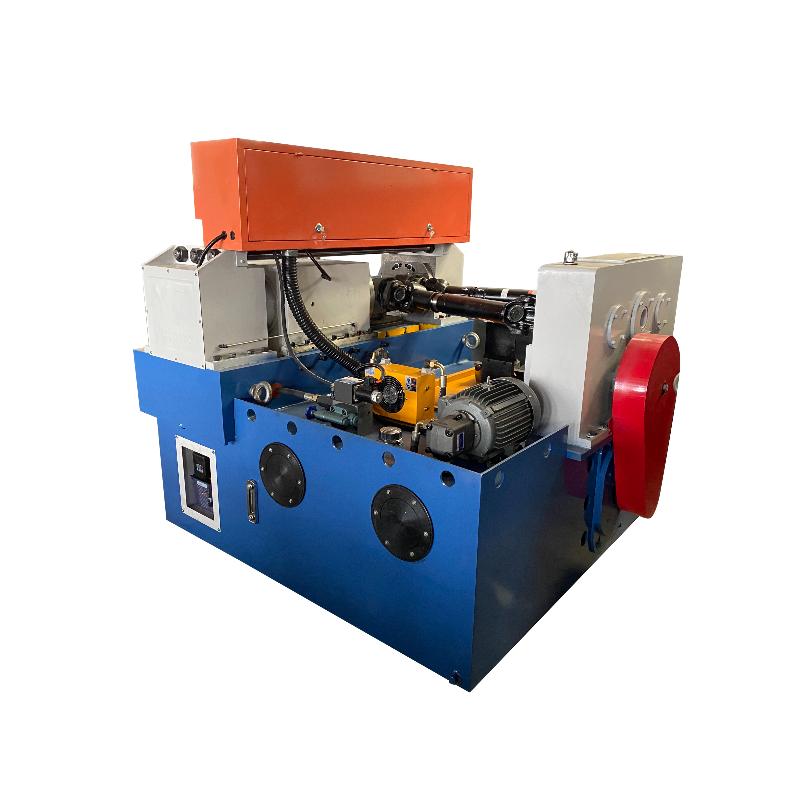
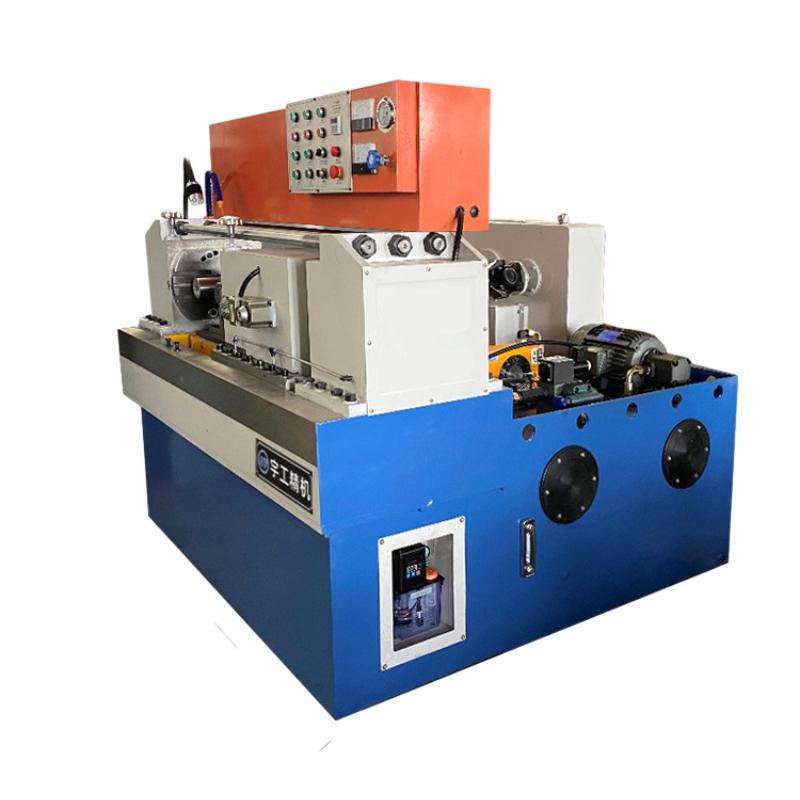
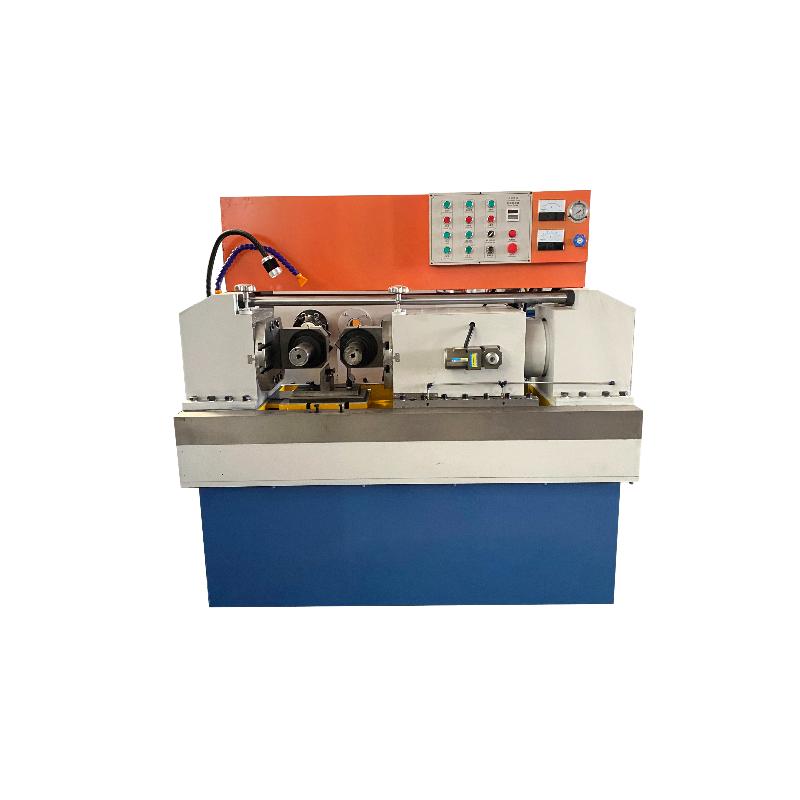
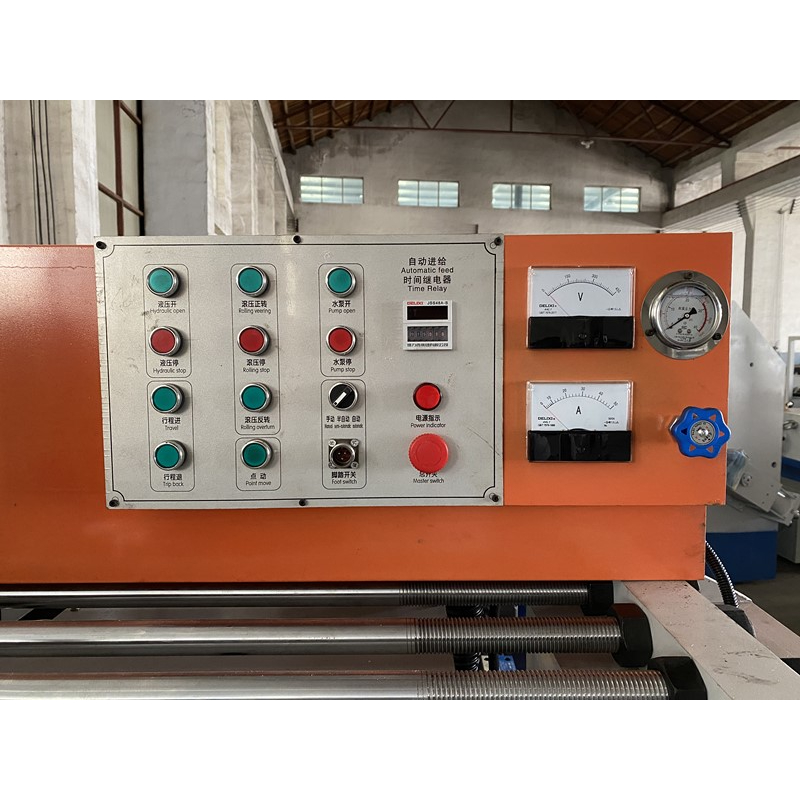
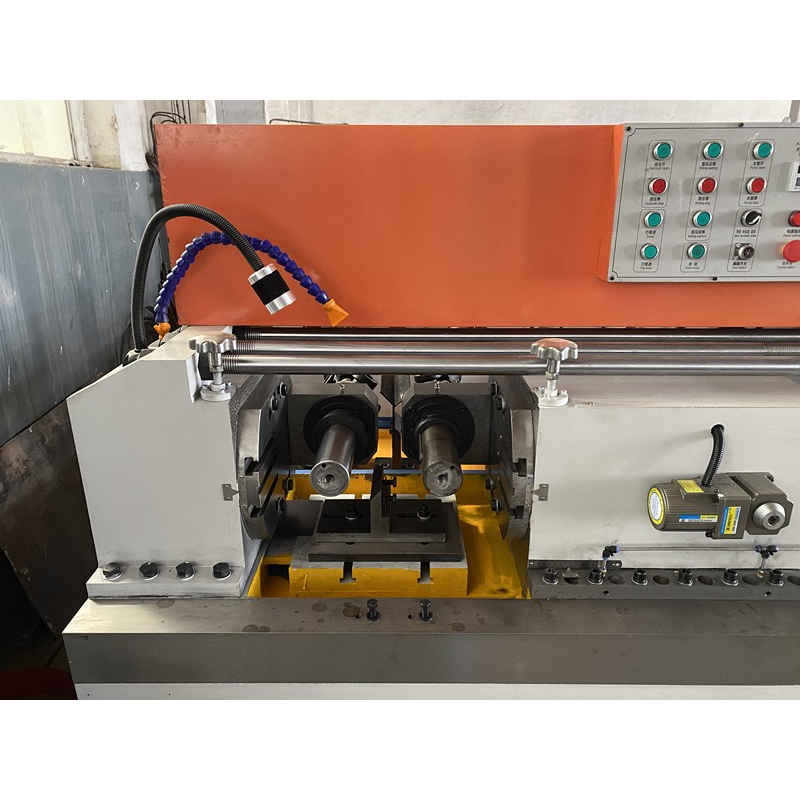
If you’ve ever specced a cnc thread rolling machine, you know the brochure rarely tells the whole story. I spent a week around the “anchor bolt stainless rod thread making machine” (Type 250) from XingWan Industrial Zone, Xingtai City, Hebei, China—watching it chew through stainless and tempered carbon steel. To be honest, it’s a stout, no-drama unit that favors throughput over flash. In a good way.
What it is (and why it matters)
Thread rolling cold-forms material instead of cutting it. You gain higher root strength, better surface finish, and zero chips. The Type 250 pushes that philosophy with 15 kW of main drive and a hydraulics pack that, frankly, feels oversized (in a reassuring way) for stainless anchor bolts. Many customers say the finish straight off the dies has that glossy, work-hardened look—less buffing, less fuss.
Key Specs at a Glance
| Model | Type 250 thread rolling machine | aka “anchor bolt stainless rod thread making machine” |
| Max rolling diameter | 60 mm | Real-world use may vary with grade and prep |
| Thread length | Not limited (through-feed) | Good for anchor rods, tie rods |
| Main drive power | 15 kW | Plenty for 304/316 and 8.8/10.9 steels |
| Hydraulic / Cooling | 3.75 kW / 125 W | Stable pressure; modest coolant draw |
| Overall size | 1950 × 1750 × 1600 mm | Footprint fits mid-size shops |
| Pitch / forms | ≈0.5–6.0 mm; Metric, UNC/UNF, ACME, TR | Dies dependent |
Process, materials, and the boring-but-critical checks
- Materials: 304/316 stainless, 40Cr, B7, Q235/Q345; pre-straighten and chamfer.
- Method: cold rolling with matched dies; lube with EP oil; keep parts cool but not flooded.
- Standards: ISO 965-1 tolerances, ASME B1.1 for Unified, gauges per ISO 1502.
- Typical results (shop data): Ra ≈ 1.6–3.2 μm; class 6g/2A achievable with proper setup.
- Die life: ≈80k–150k parts in carbon steel; ≈50k–100k in 316SS (operator skill matters).
- Service life: machines run 10–15 years with quarterly hydraulic/filter service.
Where it fits
Construction anchors, tie-rods, guard-rail bolts, OEM fasteners, marine hardware, and energy projects. One line operator told us, “For M24–M36 anchors, the cnc thread rolling machine beats our old cut-thread lathe by a mile—less scrap, fewer burrs.” Honestly, that tracks with what I saw.
Real-world case, short and sweet
A mid-size bolt maker in the Gulf swapped two aging rollers for a single Type 250. With auto infeed and better die alignment, throughput rose ≈28% on M30×3.5 anchor rods; GO/NO-GO pass rate hit 99.3% over a 10k-piece lot. Salt-spray performance (ASTM B117) improved after they standardized on a citric passivation step. It seems small changes compound.
Customization that actually matters
- Dies: metric/Unified/ACME/TR sets; crowned vs. flat per load; coated for stainless.
- Automation: bar feeder, infeed guides, outfeed trays, light curtains.
- QC: inline laser length check, auto lube monitoring, gauge station for sampling.
- Compliance: CE marking; ISO 9001 factory; documentation in English and Chinese.
Vendor snapshot (what buyers usually ask)
| Vendor | Certs | Lead time | Warranty | Price (≈) | Notes |
| MOTE Tools (Xingtai, Hebei) | CE, ISO 9001 | 20–35 days | 12 months | Mid-range | Good spares availability |
| EU Brand A | CE, ISO 9001 | 8–12 weeks | 24 months | High | Excellent documentation |
| Local Reseller B | Varies | 2–4 weeks (stock) | 6–12 months | Varies | Fast onsite support |
Trends I’m seeing
Servo-hydraulics for smoother starts, smarter lube to stretch die life, and light automation that doesn’t need a PhD to run. Predictive maintenance is creeping in—vibration + temperature sensors pay for themselves. The cnc thread rolling machine market is getting practical, finally.
Citations:
- ISO 965-1: General purpose metric screw threads — Tolerances.
- ASME B1.1: Unified Inch Screw Threads (UN and UNR).
- ISO 1502: ISO general-purpose metric screw threads — Gauges and gauging.
- ISO 4287: Geometrical Product Specifications — Surface texture — Profile method.
- ASTM B117: Standard Practice for Operating Salt Spray (Fog) Apparatus.
- EU Machinery Directive 2006/42/EC (CE compliance).