
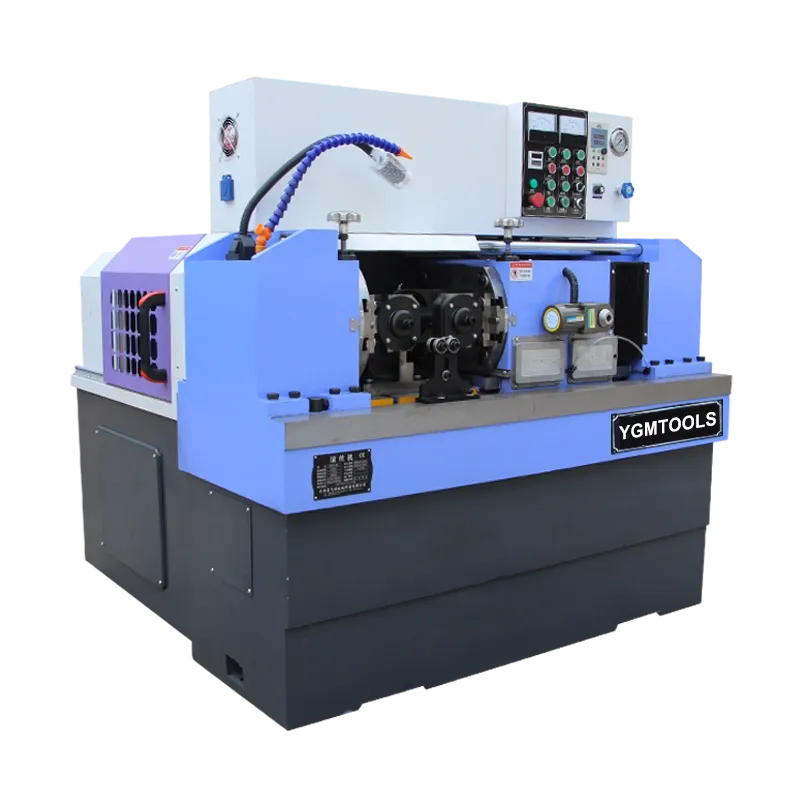
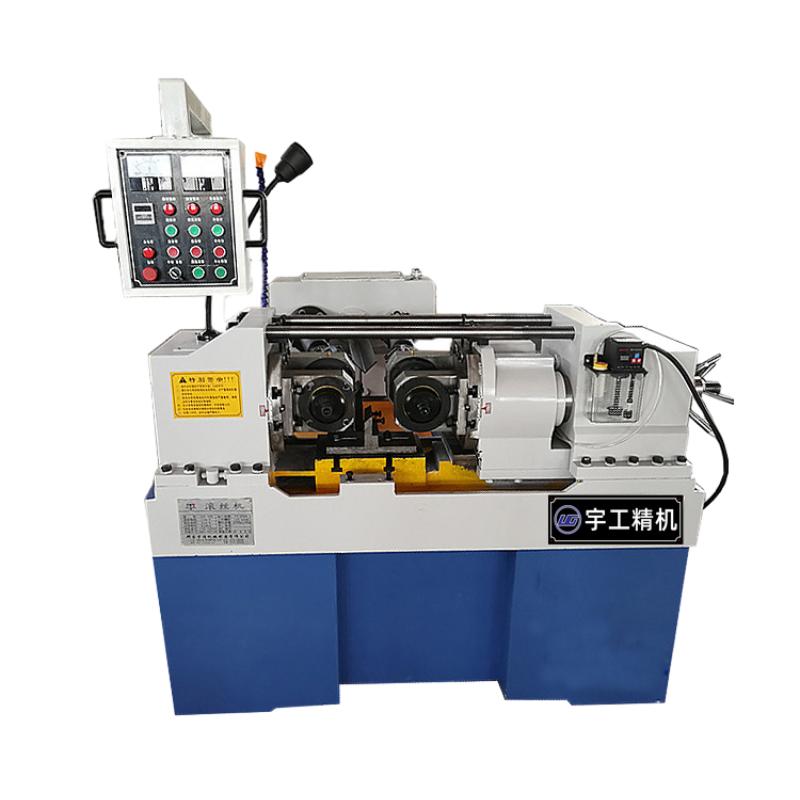
Precision cnc thread rolling machine Solutions for French Industrial Manufacturing

High-performance cold rolling technology engineered for France's aerospace, automotive, and precision energy sectors, ensuring superior fatigue strength and surface finish.

Precision cnc thread rolling machine Solutions for French Industrial Manufacturing

Integrating advanced metallurgy with automated cold-forming technology to meet the stringent ISO and AFNOR standards of the French manufacturing landscape.

The Landscape of Cold Forming in France

Analyzing the demand for high-precision threading in the European industrial hub.

France's manufacturing sector, particularly in the Auvergne-Rhône-Alpes and Île-de-France regions, is characterized by a high demand for aerospace and automotive components. The shift towards lightweight materials and high-tensile alloys has made the thread rolling machine indispensable for creating stress-free, high-strength fasteners that exceed traditional cutting capabilities.

Economic pressures and the European Green Deal have pushed French factories to optimize material usage. Cold rolling, unlike machining, produces virtually no waste, aligning with the local "Industrie du Futur" initiative which emphasizes ecological transition and resource efficiency in metal forming.

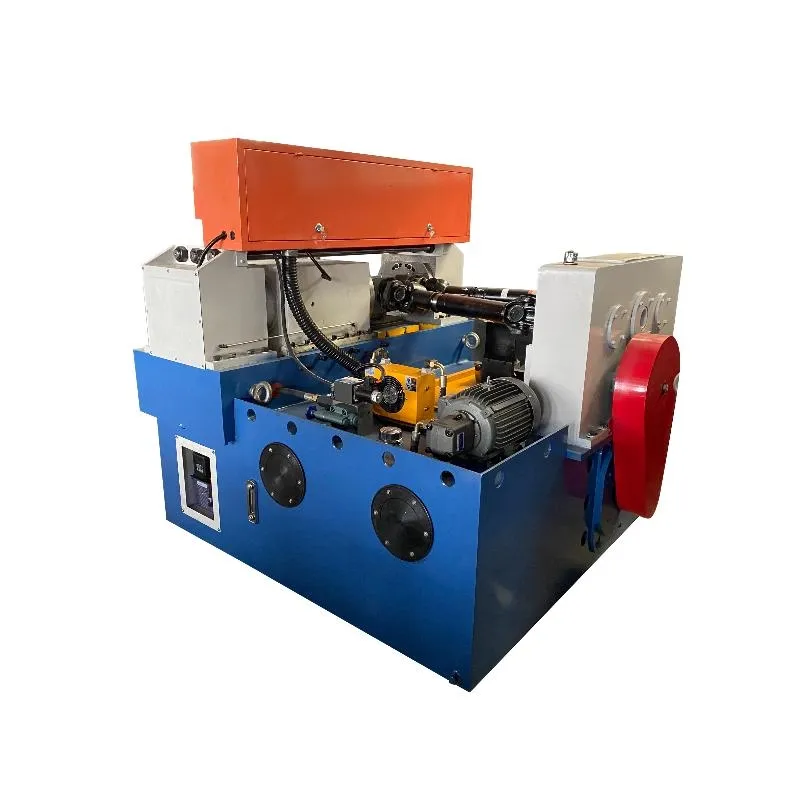
Furthermore, the integration of a hydraulic threading machine has become a standard for heavy-duty industrial applications in France, where the ability to handle large-diameter bolts for infrastructure and energy projects is critical for maintaining competitiveness in the EU market.

Evolution and Trajectory of Threading Technology

From manual mechanical presses to AI-driven automated rolling systems.

Market Development History

In the mid-20th century, French workshops relied heavily on manual screw rolling machine units, which provided basic cold-forming capabilities but lacked repeatability and precision for the emerging aviation industry.

By the 1990s, the industry transitioned toward semi-automation. The introduction of programmable logic controllers (PLCs) allowed for better control over displacement and pressure, reducing the defect rate in mass-produced fasteners for the European automotive supply chain.

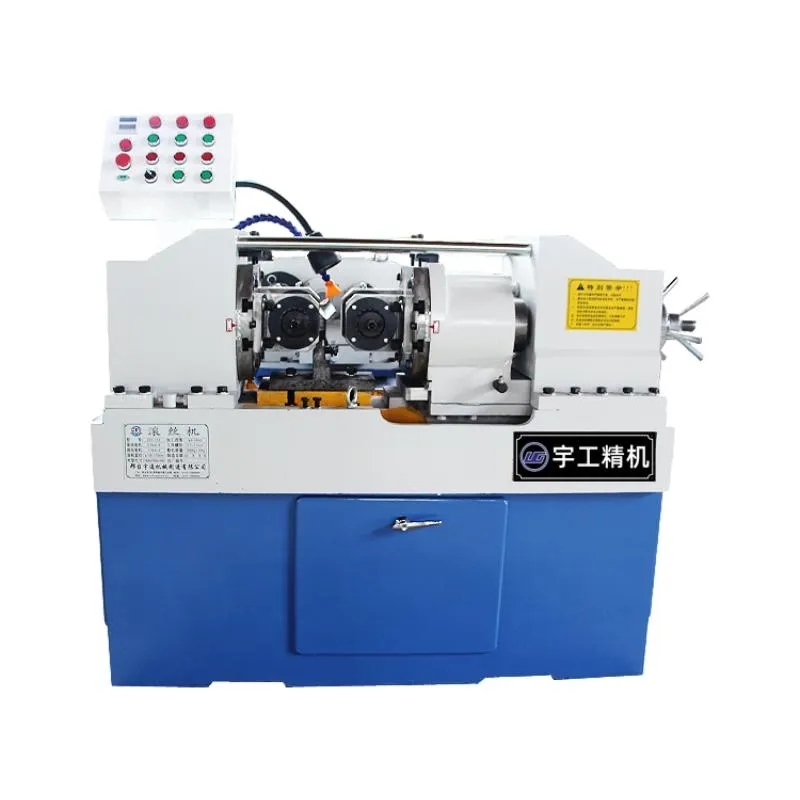
The current era is defined by the adoption of the flat thread rolling machine and multi-axis CNC systems, allowing for complex geometries and micron-level tolerances that are essential for modern medical devices and high-speed rail components.

Future Development Trends

Industry 4.0 Integration

The transition toward "Smart Factories" in France will see threading machines equipped with IoT sensors for real-time tool wear monitoring and predictive maintenance.

Sustainability & Energy Efficiency

Future systems will focus on reducing the carbon footprint of the forging process through high-efficiency servo-motors and energy-recovery hydraulic systems.

Hyper-Precision for New Materials

As titanium and composite-reinforced alloys become more common, rolling technology will evolve to handle harder materials without compromising structural integrity.

Industrial Trends and Future Outlook

Strategic forecasting for the metal forming industry in France.

Automated Precision
The rise of AI-driven CNC systems to minimize human error and increase throughput in high-mix, low-volume production.
Material Innovation
Developing rolling dies compatible with advanced aerospace-grade titanium and nickel alloys for France's aviation hub.
Green Manufacturing
Zero-waste production cycles through cold forming, drastically reducing carbon emissions compared to traditional cutting.
Digital Twins
Implementing virtual simulations of the rolling process to optimize die design before physical manufacturing.

Industry Outlook

Looking ahead, the French metal-forming industry is shifting toward extreme customization. Google search trends indicate a surge in interest for "high-precision CNC fastening solutions," reflecting a move away from standardized mass production toward specialized, high-value components.

The synergy between France's strong engineering heritage and the latest digital manufacturing tools will likely lead to a new standard of "Ultra-Cold Forming," where precision and material strength are optimized through algorithmic control.

Localized Applications in France

Real-world implementation of rolling technology across key French sectors.

01. Toulouse Aerospace Hub

Implementation of CNC rolling for titanium fasteners used in aircraft wing assemblies, ensuring zero-stress threads that withstand extreme pressure cycles.

02. Automotive Production in Lyon

Using high-speed rolling machines to produce critical engine bolts and transmission fasteners with high fatigue resistance for luxury EV brands.

03. Nuclear Energy Infrastructure

Application of large-scale hydraulic systems for high-tensile bolts used in reactor containment structures, prioritizing absolute thread precision.

04. Medical Device Manufacturing

Small-diameter, high-precision rolling for surgical implants and orthopedic screws using biocompatible stainless steel.

05. Rail Transport Components

Mass production of specialized fasteners for the TGV high-speed rail network, emphasizing wear resistance and longevity.

Brand Story

Global Development History of Hebei Mote Machinery Trade Co., Ltd.

Foundation & Vision

Established with a mission to bridge the gap between heavy industrial capacity and precision engineering in the metal forming sector.

Technological Breakthrough

Developed proprietary die-rolling algorithms that significantly increased the lifespan of rolling tools for hard-metal applications.

European Market Entry

Expanded operations into Europe, specializing in providing customized cold-forming solutions for France's stringent aerospace standards.

Innovation Leadership

Pioneered the integration of smart-sensing technology in rolling machines to enable real-time quality control for global clients.

Sustainable Future

Committed to the "Green Factory" movement, focusing on zero-waste production technologies for the next generation of manufacturing.

Industry FAQ for France

Expert answers to common technical queries in metal forming.

What are the advantages of using a cnc thread rolling machine over traditional cutting?

CNC rolling displaces material rather than removing it, which creates a grain flow that follows the thread profile, significantly increasing the fatigue strength and durability of the fastener.

How does a flat thread rolling machine benefit small-batch production in France?

Flat rolling machines offer faster setup times and greater flexibility for different thread diameters, making them ideal for specialized aerospace prototypes and low-volume industrial parts.

Can a hydraulic threading machine handle high-tensile alloy steels?

Yes, hydraulic systems provide the constant, high-pressure force required to deform high-tensile alloys without fracturing the material, which is critical for heavy-duty industrial fasteners.

What is the typical maintenance cycle for a screw rolling machine in a 24/7 factory?

For high-output French factories, we recommend a weekly lubrication check and a monthly precision alignment of the rolling dies to ensure consistent thread tolerances.

Are these machines compliant with EU safety and environmental standards?

Our equipment is designed to meet CE certification and ISO standards, focusing on energy efficiency and operator safety to comply with French labor laws.

How do I choose between a flat and a cylindrical rolling machine?

Flat rolling is preferred for versatility and shorter lengths, while cylindrical rolling is optimized for high-speed, high-volume production of standardized screws and bolts.

Get Your Precision Engineering Consultation

Our experts are ready to help you optimize your production line in France. Let's build the future of manufacturing together.

Contact Us Now

If you are interested in our products, you can choose to leave your information here, and we will be in touch with you shortly.