

Reed Thread Roller: Fast, Precise, Durable—Need One?
A Field Reporter’s Look at the reed thread roller
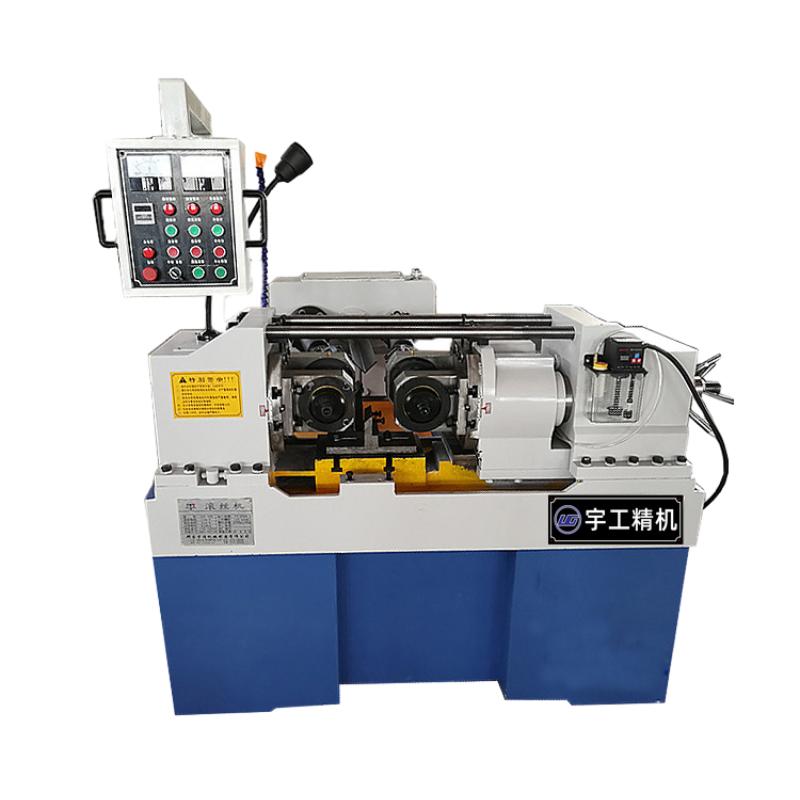
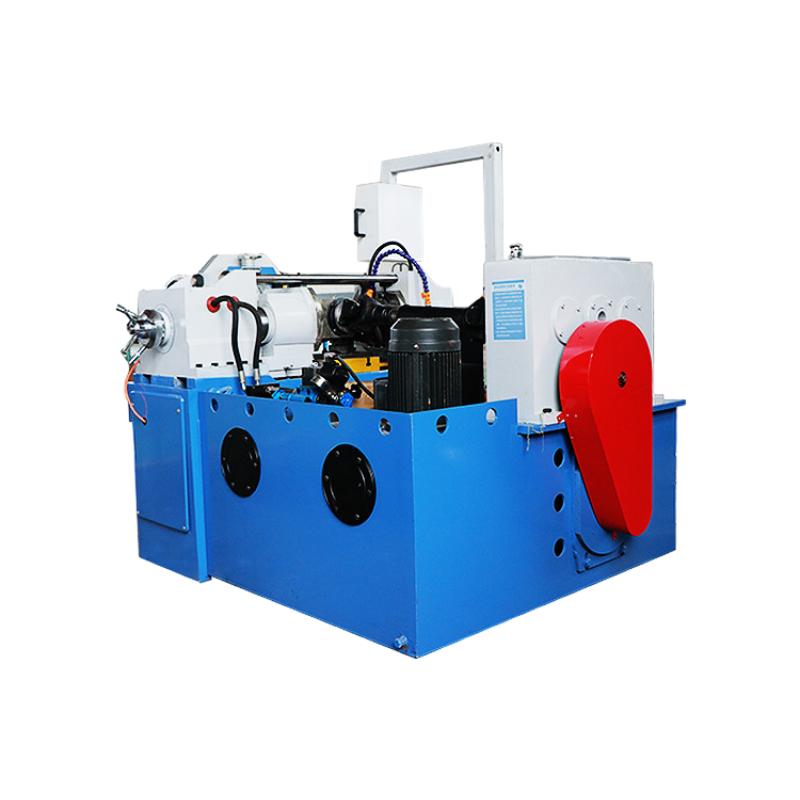
I’ve toured a lot of factories lately, and one thing is clear: thread rolling is getting smarter and faster. Shops handling anchor bolts, couplers, and rebar splices want clean flanks, consistent pitch, and machines that just don’t quit. That’s where this automatic high speed unit from XingWan Industrial Zone, Xingtai City, Hebei, China keeps popping up in conversations—sometimes quietly, sometimes with surprising enthusiasm.
Why this machine is getting attention
Cold forming (as opposed to cutting) work-hardens the thread root, which many customers say improves fatigue life on splices and bolts. In fast rebar fabrication lines, a reed thread roller that handles up to 52 mm diameter, with no hard limit on thread length, is frankly a practical advantage. No one wants to re-fixture long bars every two minutes.
Key specifications
| Product name | Automatic high speed bolt rebar thread rolling machine |
| Max process diameter | 52 mm |
| Thread length | Not limited (bar-length dependent) |
| Main/active power | 11 kW |
| Hydraulic power | 4 kW |
| Cooling power | 90 W |
| Dimensions (L×W×H) | 1700 × 1850 × 1550 mm |
| Origin | XingWan Industrial Zone, Xingtai, Hebei, China |
Process flow and technical notes
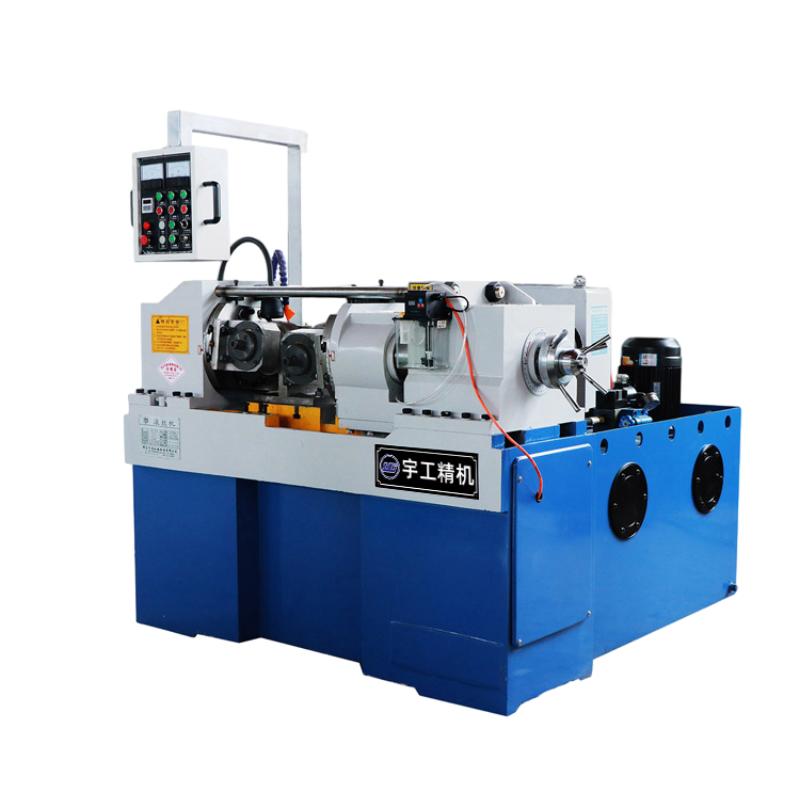
- Materials: Typical workpieces include carbon steel and low-alloy rebar (e.g., ASTM A706) and structural bolts. Dies often use alloy tool steel (e.g., D2/SKD11), heat-treated ≈HRC 58–62.
- Method: Cold rolling with matched dies; forms flanks without chips, improving surface integrity and root strength.
- Fluids: Rolling oil + directed cooling (≈90 W pump) for die life and dimensional stability.
- Testing: Pitch accuracy referenced to ISO 68-1/ISO 965-1; splice performance per ISO 15835-2; mechanical tests per ASTM A370. In shop checks, roughness often lands around Ra 1.6–3.2 μm, runout kept tight with correct setup (real-world use may vary).
- Service life: With proper oil and alignment, many shops report die sets lasting tens of thousands of cycles; machine frames typically 8–10+ years in two-shift work (again, depends on duty and care).
- Industries: Precast and infrastructure, steel fabrication, energy, mining fasteners, and high-volume coupler shops.
Advantages seen on the floor
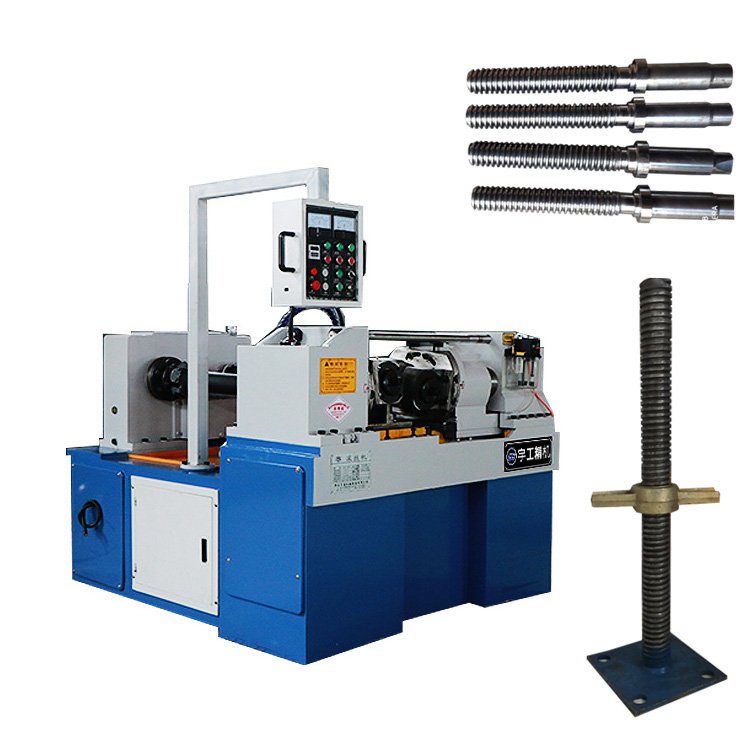
- Unlimited thread length is a time-saver for long bars.
- Cold-formed threads with good flank finish; less post-processing.
- Compact footprint for a 52 mm capacity unit—easier cell layouts.
Customer notes: “Stable torque on 40 mm couplers,” one foreman told me. Another said, “Tooling cost dropped once we dialed in the oil.” You hear that a lot with a reed thread roller when the basics—alignment, lubrication, die match—are respected.
Vendor comparison (indicative)
| Vendor | Origin | Capacity (≈) | Support | Lead time (≈) | Certs |
|---|---|---|---|---|---|
| MOTE Tools (Xingtai) | China | Up to 52 mm | Direct OEM, spares | Around 4–8 weeks | ISO 9001, CE (typical) |
| Local Fabricator | Regional | 30–40 mm | On-call | 2–12 weeks | Varies |
| EU Brand | Europe | 50–60 mm | Global network | 8–16 weeks | CE, ISO 9001 |
Customization and real-world cases
- Custom dies for rebar couplers (parallel/tapered), metric/UNC profiles per ISO/ASME.
- Guarding, infeed cradles, and oil systems sized for long bars.
- QC kits: pitch gauges, ring/plug gages, and bar-end deburring fixtures.
Case 1: Southeast Asia precast yard switched to this reed thread roller for M36–M48 couplers; reported fewer rejects after aligning die pressure and upgrading oil viscosity.
Case 2: Mining fastener shop used it on 30–40 mm bolts; noted consistent flank fill and easier compliance audits thanks to traceable test logs tied to ISO 965 checks.
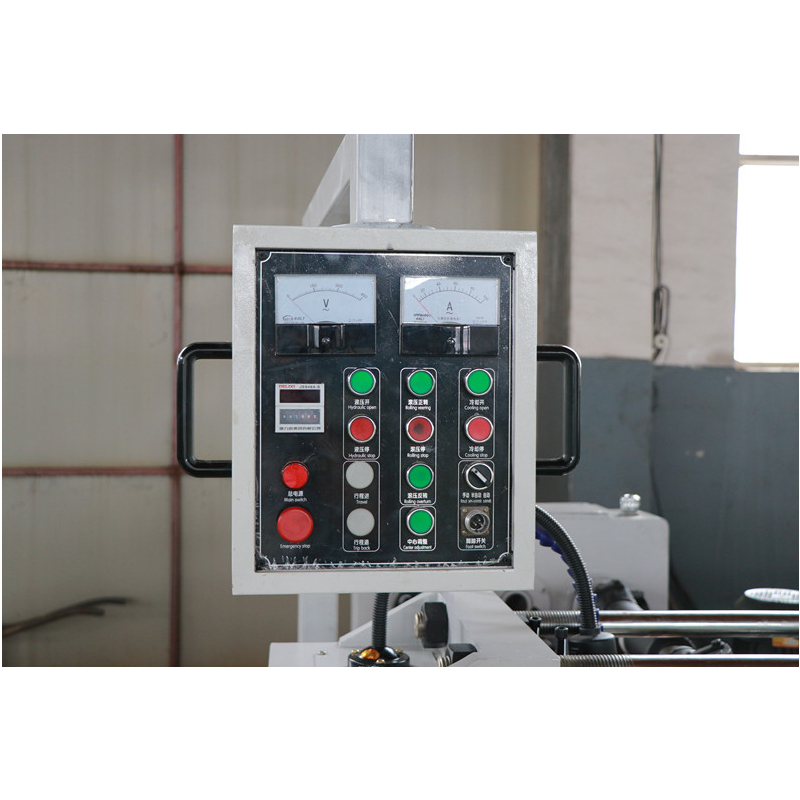
If you’re speccing gear this quarter, the combination of 52 mm capacity, unlimited length, and compact size is hard to ignore. Just budget properly for dies and oil, train operators on setup, and validate with your lab against ISO/ASTM benchmarks.
Authoritative citations
- ISO 965-1:2016 — ISO general purpose metric screw threads — Tolerances.
- ISO 15835-2:2009 — Reinforcing steel — Mechanical splices — Part 2: Test methods.
- ASTM A370 — Standard Test Methods and Definitions for Mechanical Testing of Steel Products.
- ISO 9001:2015 — Quality Management Systems — Requirements.