

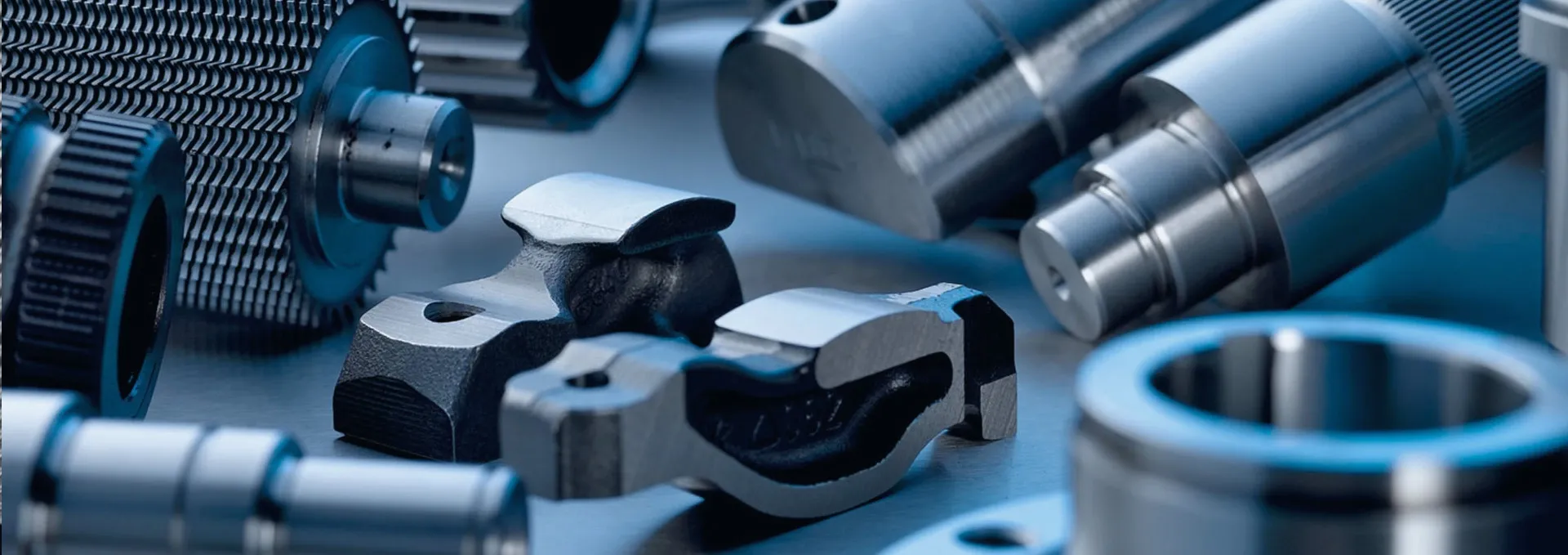
Roll Thread Machine for Precision & High-Speed Production
Field Notes: A Practical Look at an Automatic Rebar Spoke Thread Rolling Machine
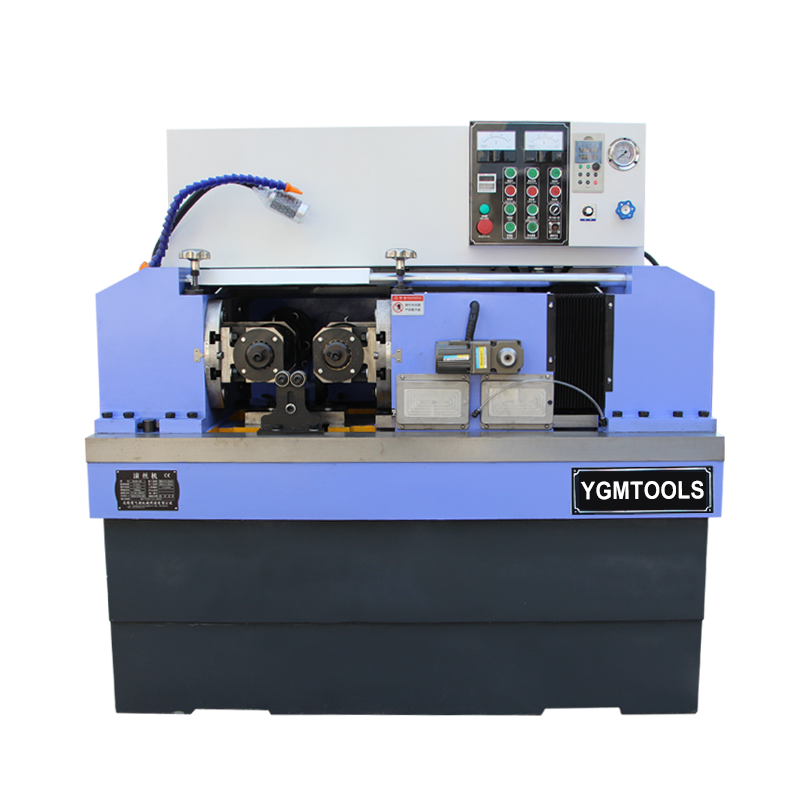
If you’re hunting for a roll thread machine that actually survives jobsite reality—dust, overtime shifts, and operators with gloves on—this is one I’ve seen hold up. Originating from XingWan Industrial Zone, Xingtai City, Hebei, China, the ZA28-20 has been making quiet inroads on precast yards and rebar splicing lines. In fact, it’s become a bit of a “workhorse” pick, especially where consistent thread quality matters more than fancy UI.
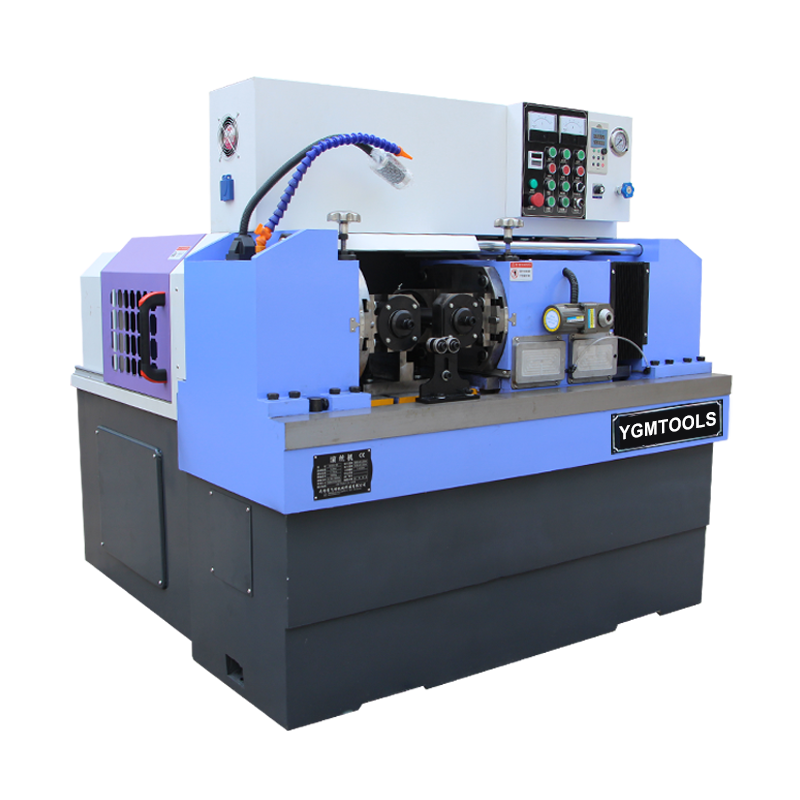
Industry trends and where this fits
Two things are pushing demand: stricter coupler standards for seismic-grade rebar connections and the drive to reduce scrap by cold-forming threads instead of cutting. Many customers say the energy savings and cleaner burr-free threads are what sold them. It seems that shops needing fast changeovers between 16–32 mm bars like this roll thread machine because setup is not fussy.
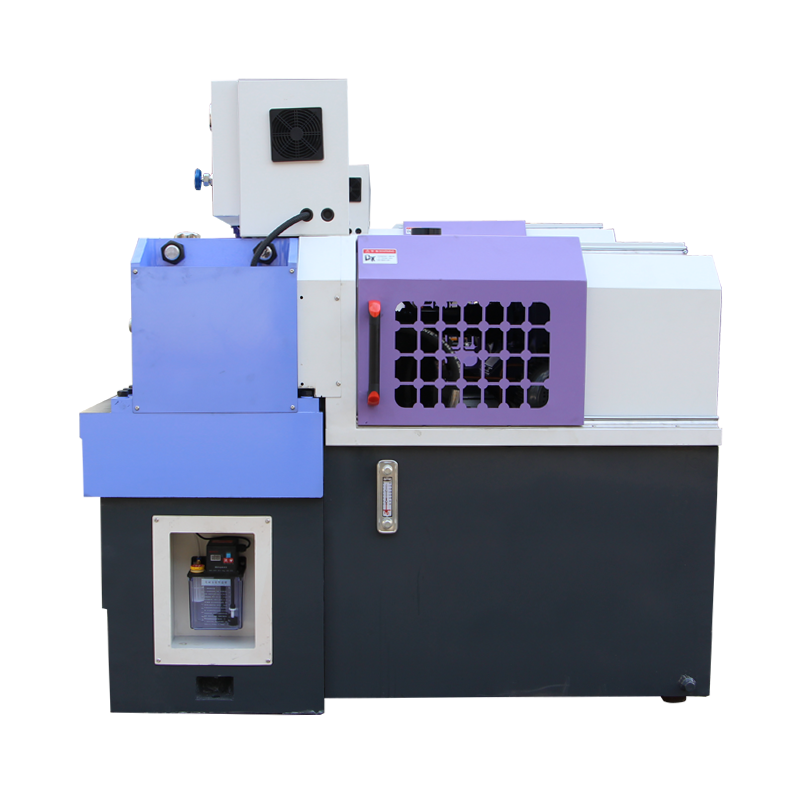
ZA28-20 at a glance (real-world specs)
| Product name | Automatic rebar spoke thread rolling machine (ZA28-20) |
| Diameter capacity | 5–42 mm |
| Pitch range | 1–5 mm |
| Main motor / hydraulic / cooling | 7.5 kW / 1.75 kW / 90 W |
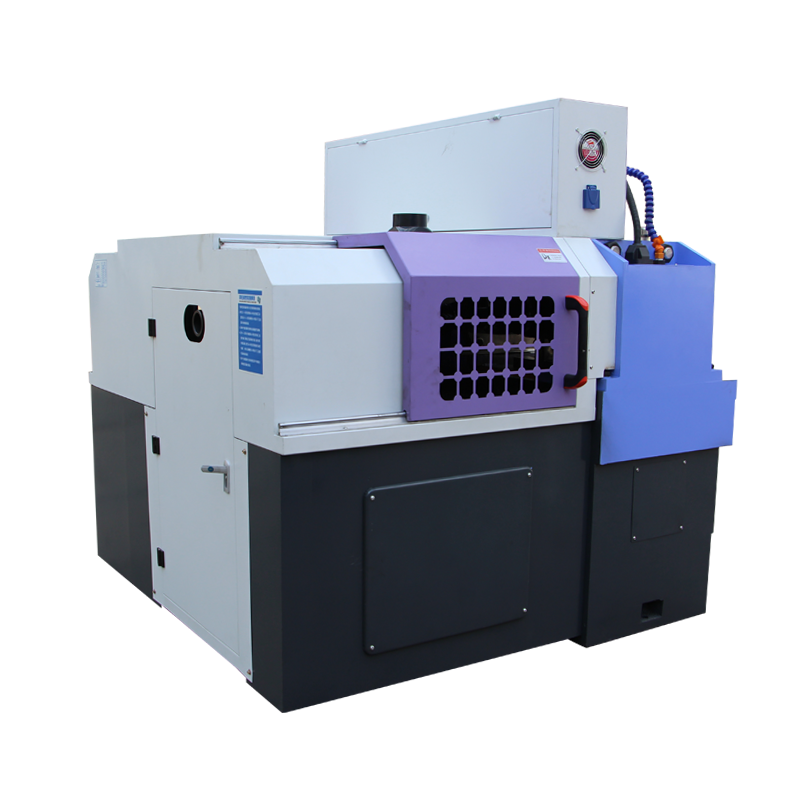
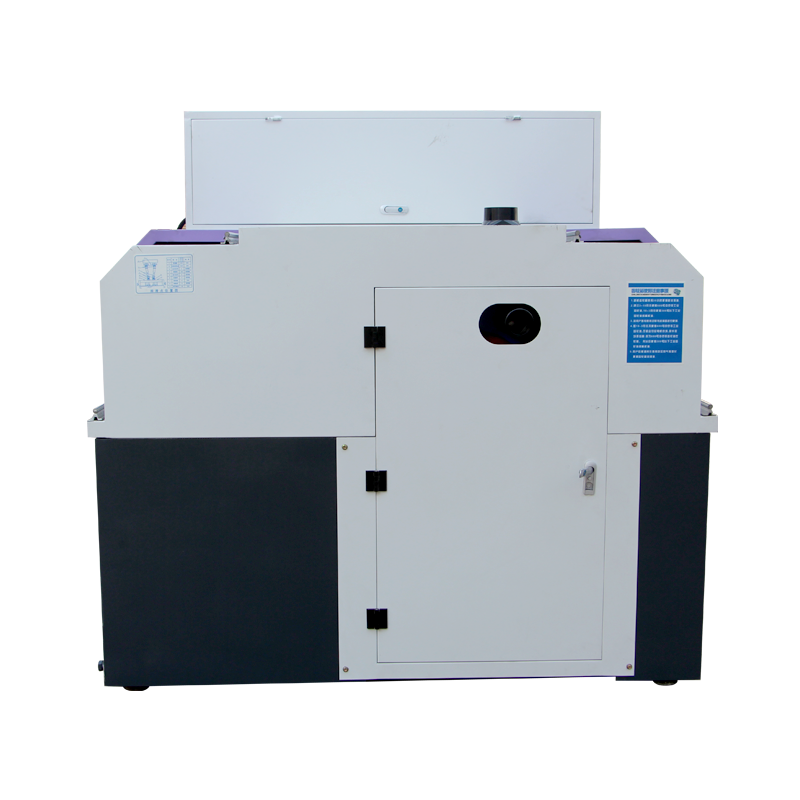
| Overall size / weight | 1500×1510×1520 mm / 1900 kg |
| Typical thread classes | Metric ISO 6g/6H (≈, depends on die set and material) |
| Surface finish | Ra ≈ 1.6–3.2 μm (real-world use may vary) |
| Cycle time | ≈ 8–20 s per end (material/pitch dependent) |
| Expected service life | 15,000–25,000 spindle hours with routine maintenance |
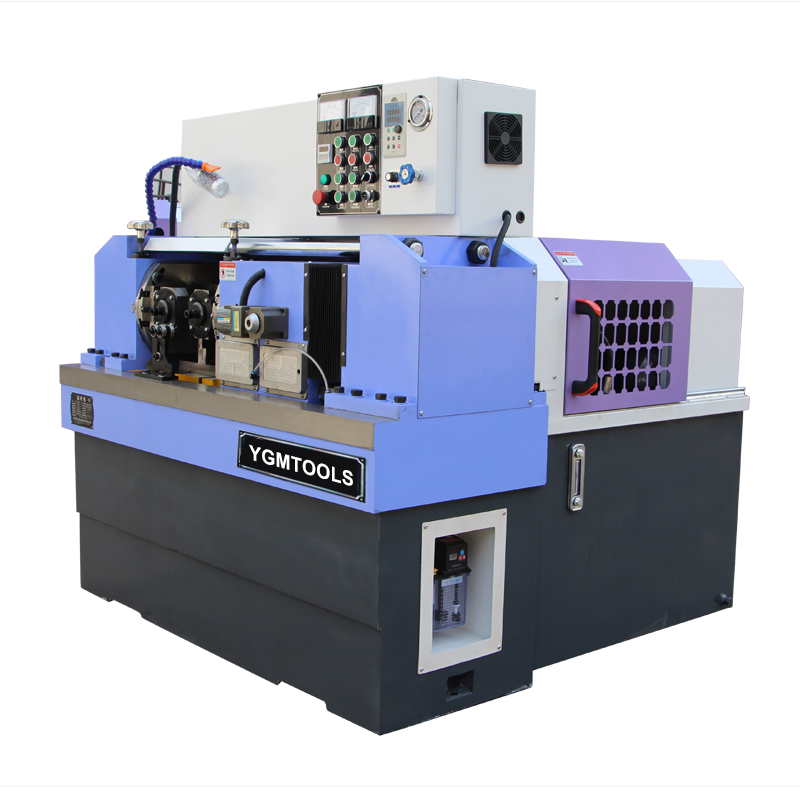
Process flow and standards
- Material prep: straighten, cut, end-chamfer rebar; verify grade (e.g., ASTM A706).
- Lubrication: apply EP rolling oil; position with steady rest.
- Cold rolling: hardened dies form threads; hydraulic feed controls pressure.
- Deburr and clean: wipe oil; optional rust inhibitor.
- Inspection: GO/NO-GO gauges per ISO 1502; check pitch/PD vs. ISO 965-1 or ASME B1.13M.
- Validation: splice pull tests to ACI 318/ISO 15630 rebar methods.
Testing notes: keep a control chart for pitch diameter; many shops run first-off and hourly checks. Honestly, that’s what keeps coupler fit-ups drama-free.
Applications and advantages
- Rebar coupler production (precast, bridges, seismic frames).
- Spoke and rod threading for two-wheelers and light machinery.
- Scaffolding and form-tie rods, agriculture implements.
Advantages: strong grain flow (no material removal), lower scrap, solid repeatability. Operators like the straightforward controls; to be honest, training takes hours, not days. And the roll thread machine doesn’t mind double shifts if you keep the oil clean.
Vendor snapshot (quick compare)
| Vendor | Dia. Range | Power | Lead time | Service | Notes |
|---|---|---|---|---|---|
| MoteTools ZA28-20 | 5–42 mm | 7.5 kW + 1.75 kW | ≈ 20–35 days | Remote + on-site (region-based) | Balanced price/performance |
| Vendor A (EU) | 8–36 mm | ≈ 6–8 kW | ≈ 8–12 weeks | Strong EU network | Premium pricing |
| Vendor B (APAC) | 6–40 mm | ≈ 7–9 kW | ≈ 25–45 days | Remote-first | Budget-friendly, fewer options |
Customization and testing
Options I’ve seen ordered: special die sets for coarse pitch, auto oil recirculation, custom guards, and barcode job tracking. For QA, shops usually log GO/NO-GO gauge pass rates, PD micrometer samples, and splice tension results. Certifications like ISO 9001 for factory quality systems are typical; CE documentation may be available on request depending on configuration.
Mini case studies
Precast yard, Middle East: Switched to this roll thread machine for #5–#8 equivalents; reported ≈12% faster changeovers and steadier coupler fit. Operator feedback was, “less babysitting, more parts.”
Bridge contractor, SE Asia: Night-shift crew used aggressive cycle times; after tuning hydraulic feed and oil flow, scrap dropped from 3% to under 1% week-over-week.
Final take
Is it perfect? No machine is. But for the price bracket, the ZA28-20’s mix of power, diameter range, and daily reliability makes a solid case—especially if you’re standardizing on ISO/metric threads for rebar couplers and want cold-formed strength.
References
- ISO 965-1: ISO general purpose metric screw threads—Tolerances. https://www.iso.org/standard/6219.html
- ISO 1502: Gauges for ISO metric threads—GO/NO-GO. https://www.iso.org/standard/5505.html
- ACI 318: Building Code Requirements for Structural Concrete (splices). https://www.concrete.org
- ASTM A706/A706M: Low-Alloy Steel Deformed Bars for Concrete Reinforcement. https://www.astm.org
- ISO 15630-1: Steel for reinforcement and prestressing—Test methods. https://www.iso.org