

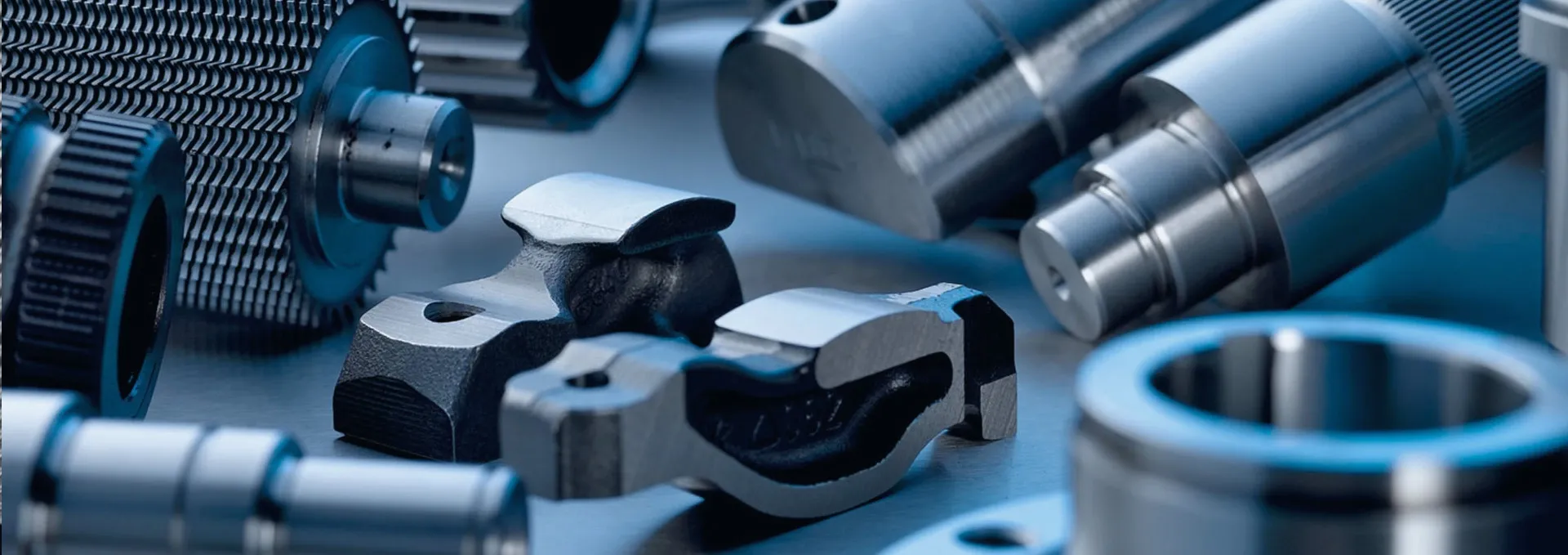
Thread Rolling Tool - Precision, Durable, High Efficiency
A Practical Look at Modern Thread Rolling: What’s Working on the Shop Floor
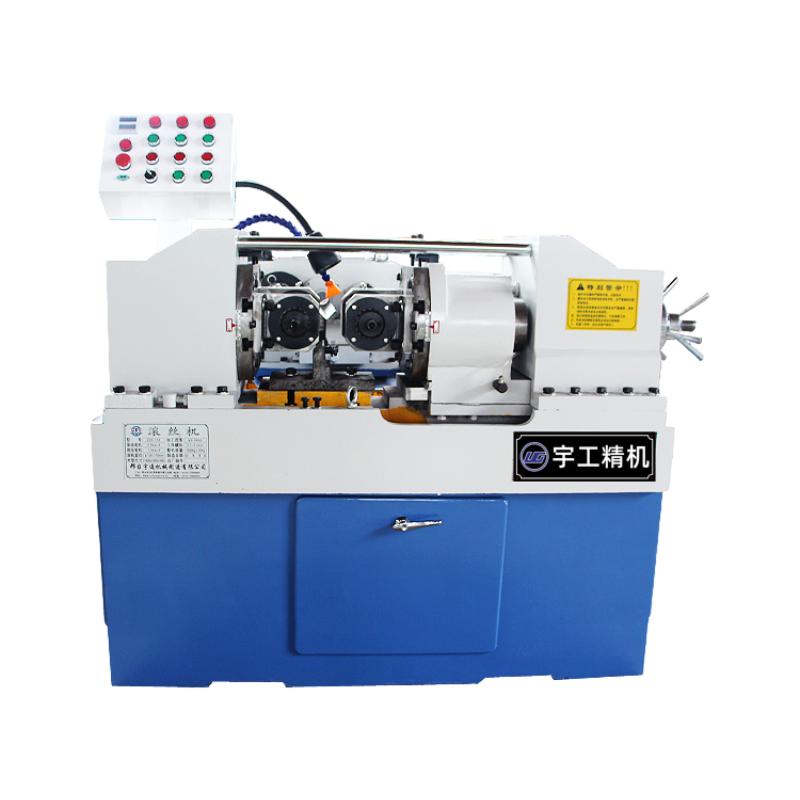
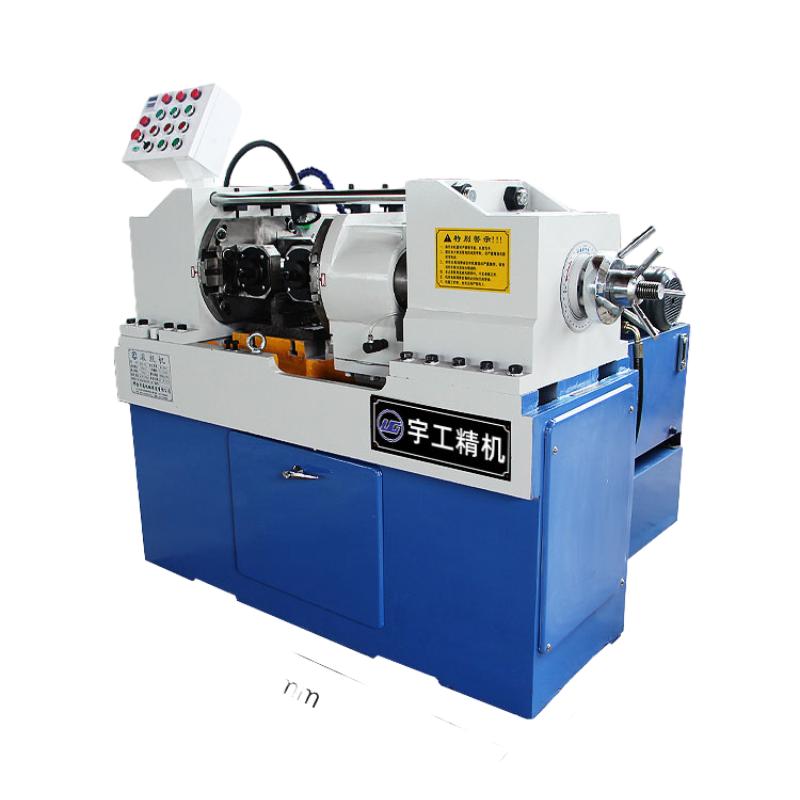
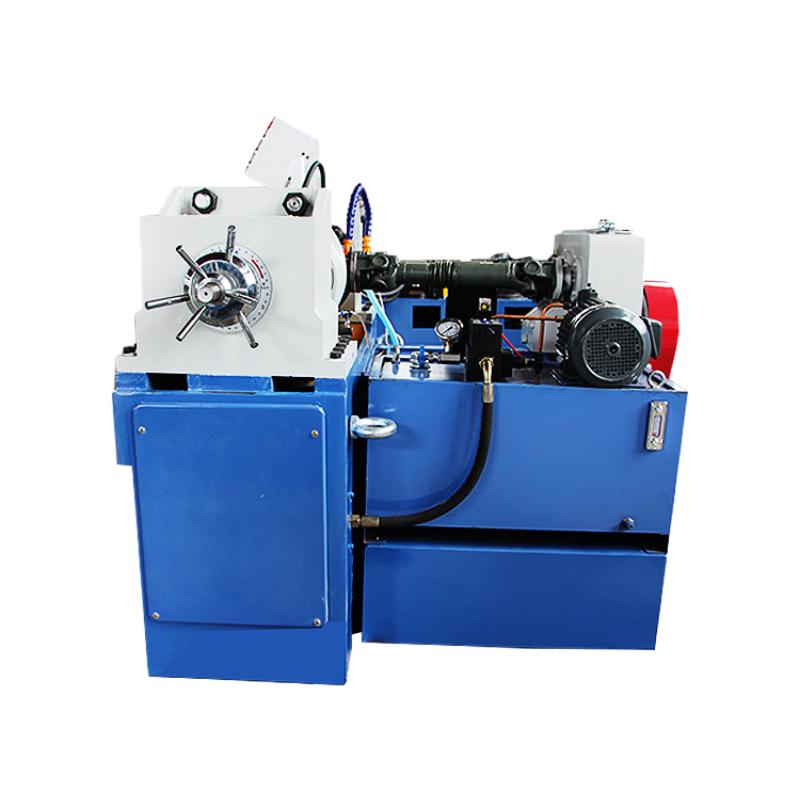
If you’re shortlisting a Thread Rolling Tool for bolts, rods, or custom fasteners, here’s the candid rundown I wish more brochures gave. In factories I’ve visited—from Hebei to the Midwest—teams want stable uptime, clean threads, and a machine that doesn’t chew through dies. The Z28-150 from XingWan Industrial Zone, Xingtai City, Hebei, China, has been showing up a lot, and not by accident.
Industry trends (and why they matter)
- Automation-first lines: less setup drama, more repeatability.
- EV and renewable hardware: rising demand for strong rolled threads.
- Traceability and QC: ISO-based test records, real lead accuracy data.
- Sustainability: cold forming over cutting—less waste, better grain flow.
Core specs that operators actually ask about
| Model | Z28-150 Automatic nut and bolt threading rod Thread Rolling Tool |
| Diameter capacity | 6–42 mm |
| Pitch range | 1–5 mm |
| Main / hydraulic / cooling | 5.5 kW / 1.5 kW / 90 W |
| Dimensions / weight | 1600×1550×1445 mm / 1800 kg |
| Typical materials | Carbon steel (C45), alloy steel (42CrMo), stainless (304/316), Al alloys; real-world use may vary |
| Service life (dies) | ≈80,000–150,000 parts/die set (material-dependent) |
Process flow (what good looks like)
- Material prep: cut-to-length bars, chamfer ends, check hardness (HRC 20–32 ideal for rolling).
- Setup: select die set (ISO metric, UNC/UNF, custom), set pitch and in-feed, verify lubrication.
- Rolling: cold-form between dies; monitor load and temperature.
- QC & testing: thread gauges (GO/NO-GO to ISO 965), lead error ≤0.02 mm/25 mm typical, Ra ≤1.6 μm, tensile test per ASTM F606.
- Post-process: passivation or zinc plating; sample inspection every batch.
Results I’ve seen are consistent: rolled threads show improved fatigue life and, surprisingly, many customers report 8–20% higher tensile performance thanks to grain flow alignment versus cut threads. Noise is manageable, and with clean coolant you can stretch die life noticeably.
Applications
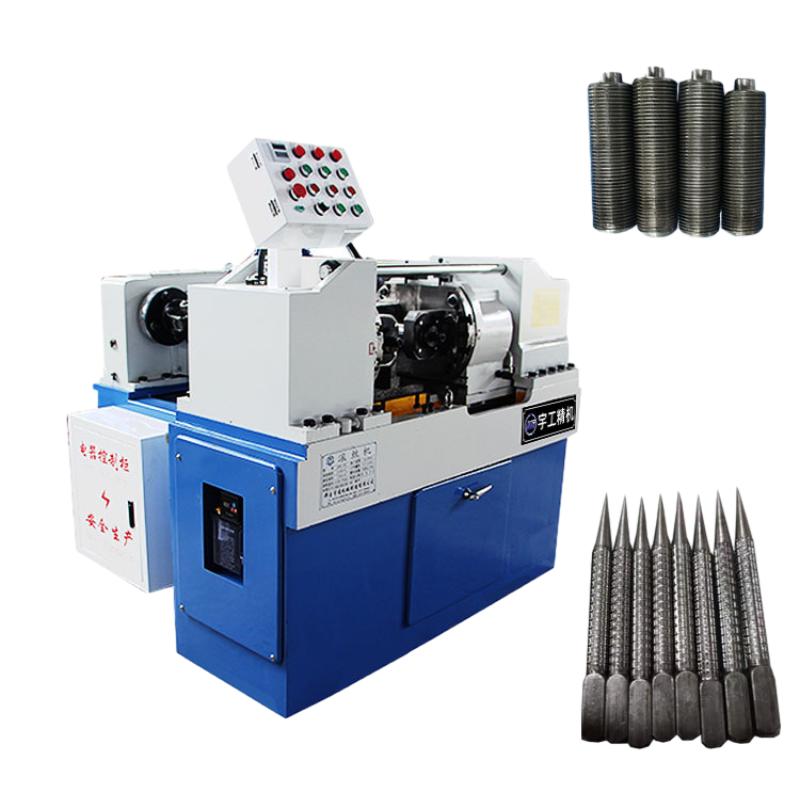
- Standard bolts and studs (M8–M36 sweet spot).
- Rebar couplers, anchor bolts for construction.
- Automotive, rail, wind hardware—where fatigue matters.
- Custom lead screws with moderate pitch.
Advantages (day-to-day)
- Cold-formed strength, less scrap than cutting.
- Faster cycle times on common pitches.
- Stable hydraulics; easy-to-read setup—operators like that.
Vendor snapshot (what buyers compare)
| Vendor | Capacity | Certs | Lead time | Price |
|---|---|---|---|---|
| MOTE Tools (Z28-150) | Ø6–42 mm, 1–5 mm pitch | ISO 9001, CE (decl.) | ≈25–35 days | Mid-range |
| Local retrofit shop | Ø8–36 mm (varies) | Shop-specific | ≈10–20 days | Low |
| EU Tier-1 brand | Ø6–50 mm | CE, ISO 9001/14001 | ≈8–12 weeks | High |
Customization
Custom dies (ISO/UNC/ACME), special guides for long studs, automated feeders, and in-line SPC. It seems that adding a light guarding kit plus a better coolant skimmer yields fewer stoppages—small upgrade, big payoff.
Case note (quick, but real)
A Southeast Asian fastener line swapped two aging machines for one Z28-150 Thread Rolling Tool. With 42CrMo studs, they saw ≈14% cycle time improvement and extended die life from ~90k to ~120k parts by tightening coolant filtration and adopting GO/NO-GO checks every 200 pieces. Operators—initially skeptical—liked the simpler hydraulic controls.
Compliance and testing
Threads validated to ISO 965 (system of limits and fits), profiles per ISO 68; mechanical tests per ASTM F606. Vendor provides ISO 9001 documentation and CE Declaration (Machinery Directive). To be honest, always ask for the last calibration record of gauges.
Bottom line: For most bolt and rod work in the 6–42 mm range, this Thread Rolling Tool is a solid, value-forward pick with credible QC data and the right power envelope for everyday production.
Authoritative citations
- ISO 965-1/2: ISO general purpose metric screw threads — Tolerances.
- ISO 68-1: Basic profile for ISO general purpose metric screw threads.
- ASTM F606/F606M: Standard Test Methods for Fasteners.
- VDI 2230-1: Systematic calculation of high duty bolted joints.
- ISO 9001: Quality management systems — Requirements.
- 2006/42/EC: EU Machinery Directive (CE compliance framework).