

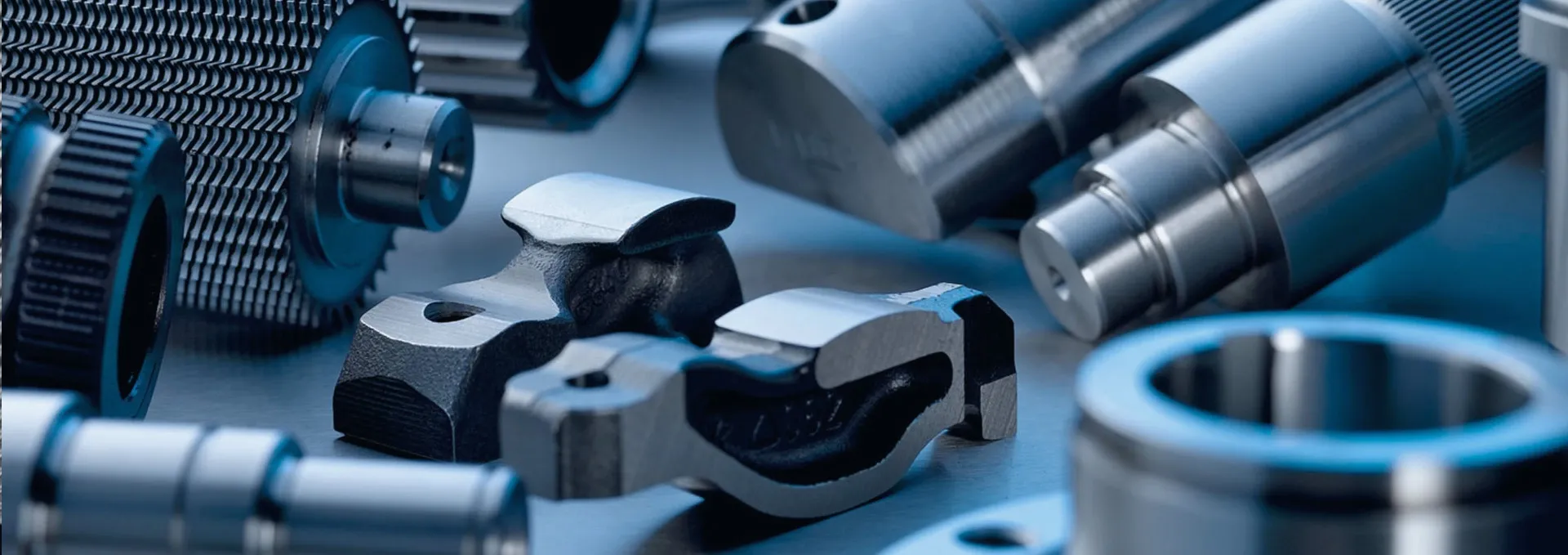
Wholesale Circular Thread Rolling Machine: Efficiency and Global Impact Explained
Understanding the Wholesale Circular Thread Rolling Machine
In today’s fast-paced manufacturing world, the wholesale circular thread rolling machine holds a quietly pivotal role. It might sound like a mouthful, but basically, it’s a powerhouse tool used to form threads on screws, bolts, and other cylindrical parts — not by cutting metal but by pressing and rolling. This method offers stronger threads, less waste, and much faster production. Globally, industries from automotive to aerospace depend on thread rolling for reliable fastening components, which indirectly impacts everything from infrastructure safety to consumer electronics durability.
Why is this so important? Well, consider this: according to the International Organization for Standardization (ISO), quality and precision in fastening directly influence product safety and longevity. The thread rolling machine supports this by being efficient and environmentally friendlier compared to thread-cutting methods.
Global Industry Context
The global market demand for fasteners is expected to grow steadily by 5-6% annually over the next five years, driven mainly by expanding construction, automotive manufacturing, and renewable energy sectors (World Bank data). This growth raises challenges: manufacturers need equipment that can keep pace with volume demands without compromising quality. The wholesale circular thread rolling machine helps meet these demands by enabling bulk production with consistent thread integrity. Oddly enough, despite their industrial clout, many still overlook these machines’ subtle but significant role in modern manufacturing supply chains.
What Exactly Is a Wholesale Circular Thread Rolling Machine?
Put simply, it’s a piece of equipment designed to form threads on cylindrical components using a rolling process. Instead of cutting metal away, it plastically deforms the surface. This results in higher strength threads thanks to work hardening, better surface finish, and no chips (which means less cleanup and less material loss). The wholesale part just means these machines are sold in bulk or at a scale suited for large manufacturers or distributors, which is key for industries that produce nuts and bolts by the millions.
Beyond mechanical engineering, these machines have a humanitarian angle too — reliable fasteners made quickly and affordably become crucial in constructing safe shelters, rescue vehicles, and machinery destined for disaster relief or remote areas. Threads might be small, but without strong fastenings, whole structures fail.
Core Components of Wholesale Circular Thread Rolling Machines
1. Durability
They’re built to last — these machines often run continuously in heavy industrial environments. Sturdy frames, high-quality rolling dies, and durable drive motors ensure years-long service with minimal downtime. Moreover, since rolling doesn’t produce chips or sparks, it’s a relatively safer operation.
2. Scalability
Because these machines can be optimized for various thread sizes and materials, manufacturers can scale production easily. Whether it’s mass-producing standard fasteners or custom orders, flexibility in dies and settings means mid-to-large volume production runs stay efficient.
3. Cost Efficiency
Compared to thread-cutting lathes, thread rolling machines save raw material (no metal shaving loss) and reduce energy consumption. Lower tooling wear over time also contributes to reduced operational costs, making them attractive in wholesale markets.
4. Precision & Consistency
The mechanical process delivers uniform threads with tight tolerances—critical for assemblies requiring high reliability. This precision aligns with international standards such as ISO metric threads, making them trusted worldwide.
5. Environmental Impact
Less waste and energy consumption not only reduce manufacturing costs but also contribute to greener operations. This is increasingly important to manufacturers responding to sustainability policies globally.
Mini Takeaway:
The wholesale circular thread rolling machine blends efficiency, precision, and sustainability — factors indispensable in modern manufacturing.
Global Applications & Use Cases
From giant automotive factories in Germany to small fastener shops in India, these machines help maintain a vital supply chain. For example:
- Automotive manufacturers use them to produce high-strength bolts essential for engines and suspensions.
- Construction relies on rolled threads for durable steel frameworks and fasteners.
- Renewable energy sectors, including wind turbine production, require reliable threaded components made via rolling to withstand extreme conditions.
- Military and disaster relief equipment manufacturers depend on fast and reliable thread production to assemble vehicles and temporary shelters rapidly.
These use cases show how thread rolling underpins critical infrastructure globally. In real terms, this means safer buildings, more reliable machinery, and faster deployments in emergencies.
Advantages & Long-Term Value
- Cost Savings: Lower material waste and energy use reduces production costs.
- Increased Component Strength: Work hardening increases fatigue resistance and lifespan.
- Environmental Benefits: Greener manufacturing aligns with global sustainability trends.
- Trust & Safety: Consistent thread quality builds confidence in final products’ durability.
- Innovation Support: The adaptable technology supports diverse industrial needs and material types.
There’s an emotional satisfaction knowing that tiny threads are made soundly, securing everything from family cars to life-saving equipment. It’s the often invisible hero in manufacturing.
Future Trends & Innovations
The landscape is evolving quickly. Key areas of innovation include:
- Automation & Digital Controls: Smart machines now incorporate IoT sensors to monitor wear and optimize rolling parameters in real time.
- Advanced Materials: Ability to roll threads in new alloys or composites for aerospace and electric vehicles.
- Energy Efficiency: Integration with green energy sources and smarter motor controls cuts carbon footprints.
- Customization & Modularity: Machines that can switch quickly between product lines, essential for just-in-time manufacturing.
Such trends suggest thread rolling won’t just keep pace—it may lead manufacturing toward more sustainable and flexible futures.
Common Challenges & Expert Solutions
Thread rolling machines face a few hurdles:
- Initial Cost: Though cheaper long-term, upfront investment can be a barrier for small manufacturers.
- Skilled Operation: Operators require training to manage complex setups and maintenance.
- Material Limitations: Extremely hard or brittle materials can be challenging to roll without defects.
Experts recommend modular training programs and collaborating with vendors who offer comprehensive support packages. Advances in tooling design also help accommodate a broader range of materials, expanding usability.
Product Specifications of a Typical Wholesale Circular Thread Rolling Machine
| Specification | Value |
|---|---|
| Thread Diameter Range | M3 to M24 (metric) |
| Rolling Speed | Up to 120 pcs/min |
| Material Compatibility | Steel, stainless steel, aluminum alloys |
| Power Consumption | 5 kW (typical) |
| Machine Footprint | 1.2 m x 1.0 m |
Vendor Comparison: Choosing the Right Wholesale Circular Thread Rolling Machine Supplier
| Vendor | Product Range | Support & Training | Pricing | Lead Time |
|---|---|---|---|---|
| MoteTools | Wide (M1.6 to M30) | Comprehensive, on-site & online | Competitive, volume discounts | 4-6 weeks |
| FastRoll Inc. | Medium (M3 to M20) | Limited to manuals & remote support | Mid-range | 6-8 weeks |
| ThreadPro | Narrow (M5 to M16) | Basic, no on-site | Lowest | 3-5 weeks |
Frequently Asked Questions About Wholesale Circular Thread Rolling Machines
Q1: What are the main advantages of thread rolling over thread cutting?
A1: Thread rolling increases thread strength due to work hardening, produces no waste chips, and operates faster making it ideal for large-scale or wholesale manufacturing.
Q2: Can these machines handle different materials?
A2: Yes, most commercial thread rolling machines can process steel, stainless steel, aluminum alloys, and even some copper alloys, though very hard or brittle materials may require special tooling.
Q3: How long do these machines typically last?
A3: With proper maintenance, a wholesale circular thread rolling machine can operate effectively for 10-20 years or more in industrial environments.
Q4: Are thread rolling machines eco-friendly?
A4: They are more environmentally friendly compared to cutting because they produce no metal scrap and generally use less energy.
Q5: How can a company wholesale-buy these machines?
A5: Companies usually contact distributors or manufacturers directly. For instance, you can visit wholesale circular thread rolling machine suppliers like MoteTools for bulk orders and support.
Conclusion & Call to Action
Wholesale circular thread rolling machines stand at the intersection of engineering precision, cost efficiency, and sustainable manufacturing. Their ability to produce robust threads faster and with less waste secures their relevance across numerous industries worldwide. Whether your business is scaling production or entering industrial fastener supply, choosing the right machine and supplier is paramount. For a trusted, comprehensive solution, visit https://www.motetools.com to explore options and expert advice.
Thread rolling is one of those quietly critical technologies that keep our world together — quite literally!
Reflection and References
It’s fascinating how something as “simple” as thread rolling underpins so many complex industries and lifelines. The balance of durability, efficiency, and sustainability shows deep engineering thought. Yet, the technology continues evolving, encouraging manufacturers to rethink quality and environmental impact. For anyone building or manufacturing, a wholesale circular thread rolling machine is much more than equipment — it’s a partner in innovation.