

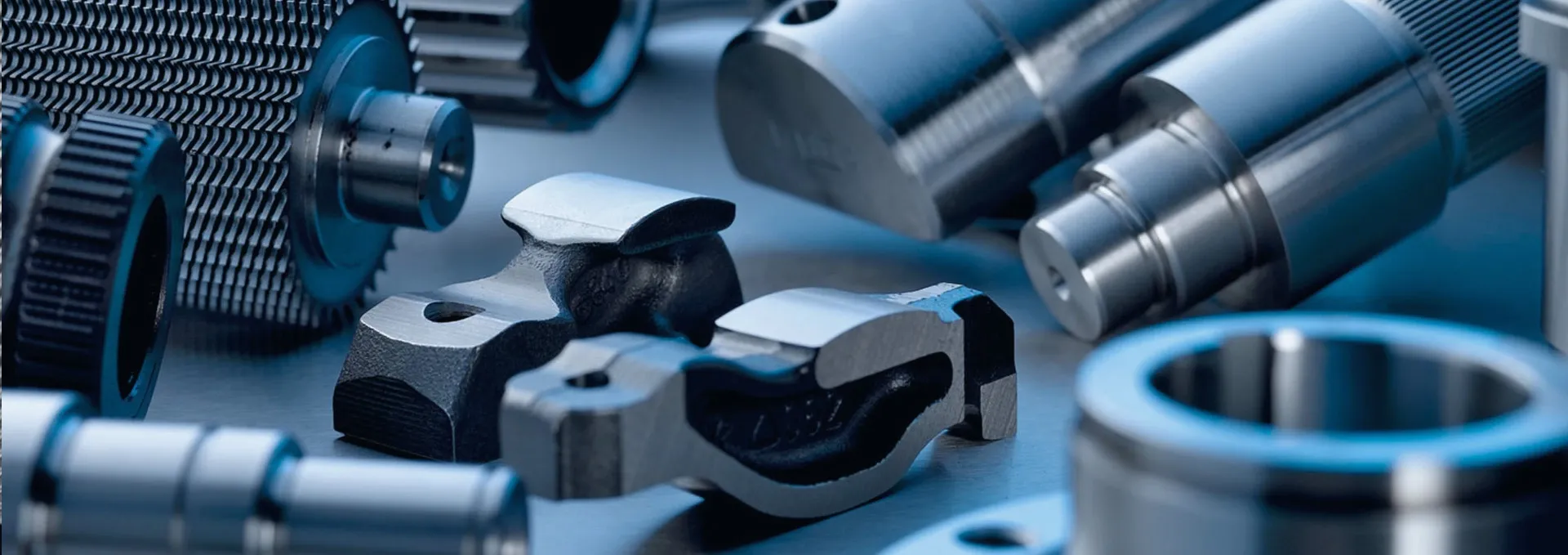
Wholesale Flat Die Thread Rolling Machine – Efficiency, Quality & Global Applications
Understanding the Wholesale Flat Die Thread Rolling Machine: Why It Matters Globally
If you’ve ever stopped to think about how countless screws, bolts, and fasteners on machines, cars, or even your kitchen appliances get their perfectly shaped threads, chances are you were unknowingly considering the handiwork of a wholesale flat die thread rolling machine. This machine may not be flashy or make headlines, but it’s a silent workhorse in manufacturing worldwide.
So why bother understanding its importance? Because these machines epitomize efficiency, durability, and quality in fastening technology — crucial factors in industries ranging from automotive manufacturing to construction. Plus, on a global scale, the thread rolling process reduces waste and energy consumption, aligning with many nations’ push for sustainable manufacturing.
Few devices quietly ripple through global industrial standards like a wholesale flat die thread rolling machine. To grasp how truly pivotal it is, we’ll dig into the how, what, and why.
The Global Landscape of Thread Rolling Machinery
According to ISO assessments and United Nations industrial data, precision and sustainability in metalworking contribute over $2 trillion annually to global manufacturing economies. Thread rolling technologies, especially wholesale flat die variants, rank high for cost-efficiency and output rates.
However, a classic industry dilemma is balancing rapid production with durability. That’s where these machines step in. The challenge? Traditional thread-cutting methods waste material and time. Rolling threads by deforming metal rather than cutting significantly cuts down waste, boosts strength, and accelerates production.
Consequently, wholesale flat die thread rolling machines have gained favors in emerging economies aiming for rapid industrialization and sustainability — particularly across Asia and Europe, where compliance with stringent ISO standards is non-negotiable.
What Exactly Is a Wholesale Flat Die Thread Rolling Machine?
In the simplest terms, a wholesale flat die thread rolling machine is a mechanical apparatus designed to produce threads on fasteners through a rolling process. Rather than cutting away metal, it presses flat dies onto a rotating workpiece, plastically deforming the surface to form threads.
This technique yields threads that are stronger and smoother compared to traditional cutting because the metal's grain structure is realigned, not severed. Industrially, it’s indispensable for producing screws, bolts, and specialized fasteners used in everything from aerospace to humanitarian infrastructure projects.
Core Components and Features That Matter
1. Durability and Material Handling
One core aspect is how these machines accommodate different metals — stainless steel, brass, or hardened alloys. Durability is critical since the dies themselves bear tremendous stress and wear. Most top models utilize tungsten carbide dies or other ultra-tough materials.
2. Precision and Thread Quality
Precision governs usability. A fine thread pitch or custom-profile threads often separate a product that’s just "good enough" from a part that's mission-critical. The machines’ accuracy ensures consistent, repeatable thread geometries.
3. Scalability & Output Speed
Depending on needs, models range from bench-top units making a handful of parts per minute to fully automated lines exceeding hundreds per minute. Scalability lets manufacturers respond swiftly to shifting demands without costly downtime.
4. Cost Efficiency
Compared to thread cutting, rolling uses less energy and creates fewer scrap parts, cutting costs and environmental footprint. Bulk purchasing from wholesalers additionally drives down upfront tooling expenses.
5. User-Friendly Controls & Maintenance
Recent machines feature intuitive digital interfaces, enabling quick die changes and calibration. Maintenance cycles have also shortened thanks to advances in lubrication and wear-resistant coatings.
Product Specifications Snapshot
| Specification | Typical Value | Details |
|---|---|---|
| Thread Diameter Range | M2 - M30 | Metric sizes commonly produced |
| Max Rolling Speed | 150 pcs/min | Dependent on automation level |
| Power Requirement | 3 kW - 10 kW | Varies by model size |
| Die Material | Tungsten Carbide | High wear resistance |
| Dimensions (L x W x H) | 1200 x 800 x 1400 mm | Compact industrial footprint |
Mini takeaway: Its blend of precision, speed, and cost-effectiveness makes it a linchpin in industrial manufacturing.
Global Applications & Real-World Use Cases
Several industries rely on rolled thread fasteners – automotive plants in Germany produce millions of threaded parts weekly to exacting standards. In China and India, rising infrastructure demands have manufacturers pushing the output of thread rolling machines to meet vast railway and construction needs.
Oddly enough, even humanitarian operations benefit: organizations involved in building temporary shelters, water systems, or medical equipment kits in remote or disaster-hit regions need reliable threaded fasteners that can withstand rough conditions. The speed and durability offered by rolled threads make them indispensable.
Think of a post-disaster relief scenario where vehicles and machinery must be repaired quickly — having access to strong, consistent threaded components simplifies logistics and reduces downtime.
Vendor Options: How to Choose the Right Wholesale Supplier
| Vendor | Product Range | Price Range | Customization | Warranty & Support |
|---|---|---|---|---|
| MoteTools | Flat die & cylindrical models | Mid to high | Full OEM options | 2 years + remote assistance |
| EuroRoll | High speed industrial lines | High | Limited | 3 years on-site |
| AsiaMach | Budget-friendly compact machines | Low to mid | Basic | 1 year limited |
Mini takeaway: Choosing a vendor comes down to your production needs and support expectations. For majority of manufacturers, wholesale flat die thread rolling machine options from MoteTools strike the right blend of customization and reliability.
Advantages and Longer-Term Value of Thread Rolling Machines
- Cost savings: Less waste material means cheaper production in the long run.
- Strength and durability: Rolled threads boost tensile strength, often outperforming cut threads.
- Environmental impact: Reduced energy requirement and longer die life.
- Safety and reliability: Critical for sectors like aerospace where thread failures could be catastrophic.
- Social innovation: Enhances infrastructure development, boosting economic growth in emerging markets.
There’s an emotional element too — manufacturers often speak about the pride of knowing their components will endure harsh environments without fail.
Emerging Trends & Future Innovations
Fast forward a few years, and automation is set to transform thread rolling even further. Integrated sensors for real-time quality monitoring are becoming standard — cutting down errors before parts even leave the line.
Material science also continues to innovate: new die materials with nano-coatings extend tool life, while green energy-powered machines edge closer to zero-carbon factories. I noticed that industries embracing IoT (Internet of Things) integration now can remotely adjust machine parameters, making on-the-fly production changes seriously feasible.
Common Challenges & How Industry Solves Them
Of course, no machine is perfect. Die wear remains an issue on extremely high-volume runs. But clever lubrication systems, predictive maintenance powered by AI, and modular die-swapping help reduce downtime considerably.
Also, smaller manufacturers sometimes struggle with initial costs. Industry cooperative buying groups and financing options — like those offered by top-tier vendors — help ease this.
FAQ: Your Practical Questions About Wholesale Flat Die Thread Rolling Machines
- Q: What makes flat die thread rolling machines better than other threading methods?
- A: Flat die thread rolling machines form threads through deformation, not cutting, which produces stronger threads, reduces material waste, and speeds up production compared to traditional cutting.
- Q: How adaptable are these machines for different thread sizes?
- A: Very adaptable; many commercial machines cover a broad range, from small M2 screws to robust M30 bolts, with custom dies for special pitches or profiles.
- Q: Is maintenance complicated or costly?
- A: Maintenance has become more user-friendly with digital controls and longer-life die materials. While upkeep is necessary, strategic lubrication and scheduled replacements keep costs predictable.
- Q: Can small or medium businesses afford wholesale flat die thread rolling machines?
- A: Yes, especially by purchasing from wholesale vendors who offer scalable models and financing terms that help spread upfront costs. The machine’s efficiency also translates to quick ROI.
- Q: How does digital transformation impact thread rolling?
- A: It allows real-time monitoring, quicker setup changes, and predictive maintenance, reducing downtime and improving thread consistency.
Wrapping It Up: The Steady Pulse of Industry Efficiency
To sum it all up, the humble wholesale flat die thread rolling machine is far more than a niche tool. It’s a cornerstone of modern manufacturing — balancing speed, strength, and sustainability with remarkable finesse. Whether your business operates in heavy industry or humanitarian manufacturing, adopting or upgrading these machines can seriously boost productivity and product quality.
Curious to explore options that perfectly fit your requirements? Visit us at https://www.motetools.com — your go-to source for wholesale flat die thread rolling machines with expert guidance and cutting-edge tech.
Mini takeaway: It’s often the understated technologies — like a thread rolling machine — that quietly power global progress, even if they rarely make the evening news.