
-
 Afrikaans
 -
 Albanian
 -
 Amharic
 -
 Arabic
 -
 Armenian
 -
 Azerbaijani
 -
 Basque
 -
 Belarusian
 -
 Bengali
 -
 Bosnian
 -
 Bulgarian
 -
 Catalan
 -
 Cebuano
 -
 Corsican
 -
 Croatian
 -
 Czech
Czech -
 Danish
 -
 Dutch
Dutch -
 እንግሊዝኛ
 -
 Esperanto
 -
 Estonian
 -
 Finnish
 -
 French
 -
 Frisian
 -
 Galician
 -
 Georgian
 -
 German
 -
 Greek
Greek -
 Gujarati
 -
 Haitian Creole
 -
 hausa
hausa -
 hawaiian
 -
 Hebrew
 -
 Hindi
Hindi -
 Miao
Miao -
 Hungarian
 -
 Icelandic
 -
 igbo
igbo -
 Indonesian
 -
 irish
irish -
 Italian
 -
 Japanese
 -
 Javanese
 -
 Kannada
 -
 kazakh
 -
 Khmer
Khmer -
 Rwandese
 -
 Korean
 -
 Kurdish
 -
 Kyrgyz
 -
 Lao
Lao -
 Latin
Latin -
 Latvian
 -
 Lithuanian
 -
 Luxembourgish
 -
 Macedonian
 -
 Malgashi
 -
 Malay
Malay -
 Malayalam
 -
 Maltese
 -
 Maori
Maori -
 Marathi
 -
 Mongolian
 -
 Myanmar
 -
 Nepali
 -
 Norwegian
 -
 Norwegian
 -
 Occitan
 -
 Pashto
 -
 Persian
 -
 Polish
 -
 Portuguese
 -
 Punjabi
 -
 Romanian
 -
 Russian
 -
 Samoan
 -
 Scottish Gaelic
 -
 Serbian
 -
 Sesotho
 -
 Shona
Shona -
 Sindhi
 -
 Sinhala
 -
 Slovak
 -
 Slovenian
 -
 Somali
 -
 Spanish
 -
 Sundanese
 -
 Swahili
 -
 Swedish
 -
 Tagalog
 -
 Tajik
Tajik -
 Tamil
Tamil -
 Tatar
Tatar -
 Telugu
 -
 Thai
Thai -
 Turkish
 -
 Turkmen
 -
 Ukrainian
 -
 Urdu
Urdu -
 Uighur
 -
 Uzbek
Uzbek -
 Vietnamese
 -
 Welsh
Welsh -
 Bantu
Bantu -
 Yiddish
 -
 Yoruba
 -
 Zulu
Zulu
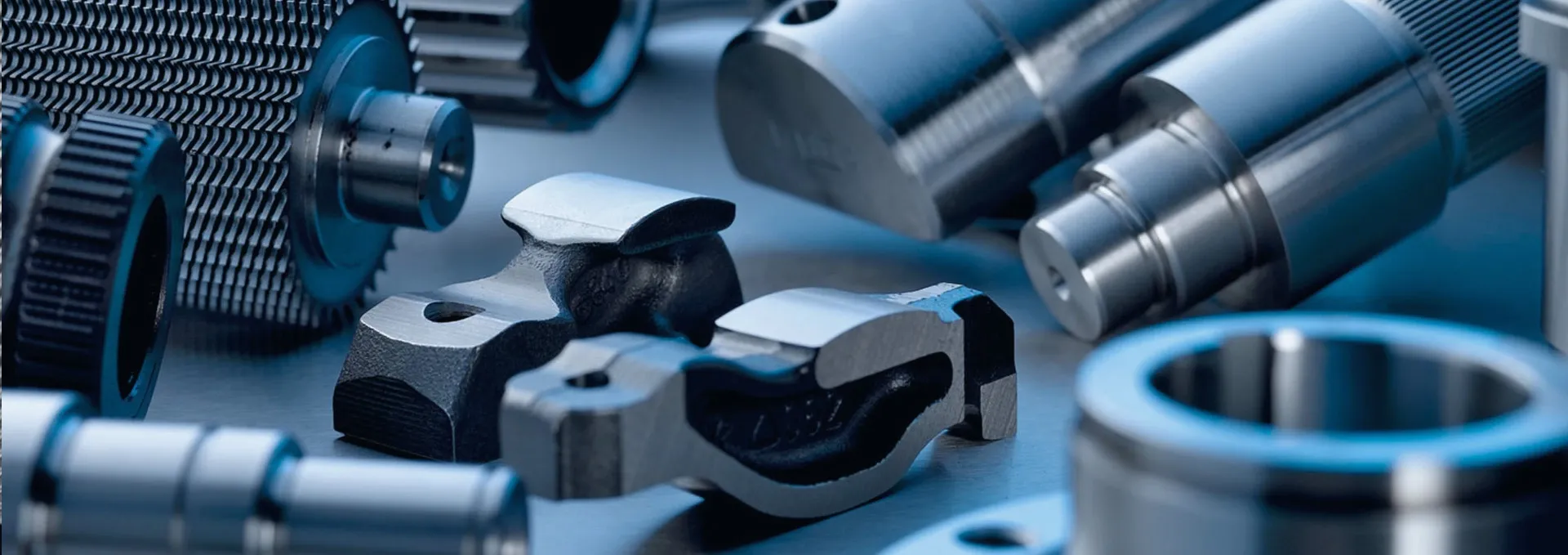
Mastering the Art of Thread Rolling Machines
The first step to success in thread manufacturing is understanding the thread rolling machine setup. Setting up a thread rolling machine requires precise calibration of dies, alignment of the workpiece, and adjustment of the feed rate. Each component must be finely tuned to ensure the threads are formed accurately. With proper setup, manufacturers can avoid production errors, ensure uniformity in thread profiles, and maximize the machine’s operational efficiency.
How a Thread Rolling Machine Works
At its core, the thread rolling machine working process involves pressing the material between two dies to form threads. Unlike traditional cutting methods, thread rolling is a cold-forming process that strengthens the threads without removing any material. The workpiece is placed between the dies, and as the machine applies pressure, the dies impress the thread pattern onto the material, creating a stronger and more precise thread. This efficient process is widely used in the production of screws, bolts, and other fasteners.
Why Choose a Thread Roller Machine for Your Operation?
Investing in a thread roller machine can dramatically enhance your production line’s efficiency and output. Thread roller machines are designed to produce high-quality threads at a faster rate compared to traditional machining methods. Not only do they reduce material waste, but they also create stronger and more durable threads. These machines are ideal for manufacturers who need consistent, high-volume production of threaded parts, making them a vital asset in industries such as automotive and aerospace.
Optimizing Thread Rolling Machine Performance
To get the most out of your thread rolling machine, regular maintenance and proper handling are key. Ensuring the machine is properly lubricated, the dies are in good condition, and the settings are fine-tuned for each job will keep the machine running smoothly. Additionally, training operators on the correct use and troubleshooting of the machine will prevent downtime and reduce the risk of costly repairs, ensuring maximum productivity over time.
In today’s manufacturing landscape, thread roller machines are evolving with advanced technology, including automation and CNC capabilities. These modern machines offer greater precision, faster production speeds, and easier setup. They allow for real-time monitoring and adjustments, ensuring that each threaded product meets strict quality standards. Whether you’re looking for a basic manual machine or an automated system, today’s thread rolling machines are designed to deliver superior performance and reliability for a variety of applications.