
-
 Afrikaans
 -
 Albanian
 -
 Amharic
 -
 Arabic
 -
 Armenian
 -
 Azerbaijani
 -
 Basque
 -
 Belarusian
 -
 Bengali
 -
 Bosnian
 -
 Bulgarian
 -
 Catalan
 -
 Cebuano
 -
 Corsican
 -
 Croatian
 -
 Czech
Czech -
 Danish
 -
 Dutch
Dutch -
 अंग्रेज़ी
 -
 Esperanto
 -
 Estonian
 -
 Finnish
 -
 French
 -
 Frisian
 -
 Galician
 -
 Georgian
 -
 German
 -
 Greek
Greek -
 Gujarati
 -
 Haitian Creole
 -
 hausa
hausa -
 hawaiian
 -
 Hebrew
 -
 Hindi
Hindi -
 Miao
Miao -
 Hungarian
 -
 Icelandic
 -
 igbo
igbo -
 Indonesian
 -
 irish
irish -
 Italian
 -
 Japanese
 -
 Javanese
 -
 Kannada
 -
 kazakh
 -
 Khmer
Khmer -
 Rwandese
 -
 Korean
 -
 Kurdish
 -
 Kyrgyz
 -
 Lao
Lao -
 Latin
Latin -
 Latvian
 -
 Lithuanian
 -
 Luxembourgish
 -
 Macedonian
 -
 Malgashi
 -
 Malay
Malay -
 Malayalam
 -
 Maltese
 -
 Maori
Maori -
 Marathi
 -
 Mongolian
 -
 Myanmar
 -
 Nepali
 -
 Norwegian
 -
 Norwegian
 -
 Occitan
 -
 Pashto
 -
 Persian
 -
 Polish
 -
 Portuguese
 -
 Punjabi
 -
 Romanian
 -
 Russian
 -
 Samoan
 -
 Scottish Gaelic
 -
 Serbian
 -
 Sesotho
 -
 Shona
Shona -
 Sindhi
 -
 Sinhala
 -
 Slovak
 -
 Slovenian
 -
 Somali
 -
 Spanish
 -
 Sundanese
 -
 Swahili
 -
 Swedish
 -
 Tagalog
 -
 Tajik
Tajik -
 Tamil
Tamil -
 Tatar
Tatar -
 Telugu
 -
 Thai
Thai -
 Turkish
 -
 Turkmen
 -
 Ukrainian
 -
 Urdu
Urdu -
 Uighur
 -
 Uzbek
Uzbek -
 Vietnamese
 -
 Welsh
Welsh -
 Bantu
Bantu -
 Yiddish
 -
 Yoruba
 -
 Zulu
Zulu
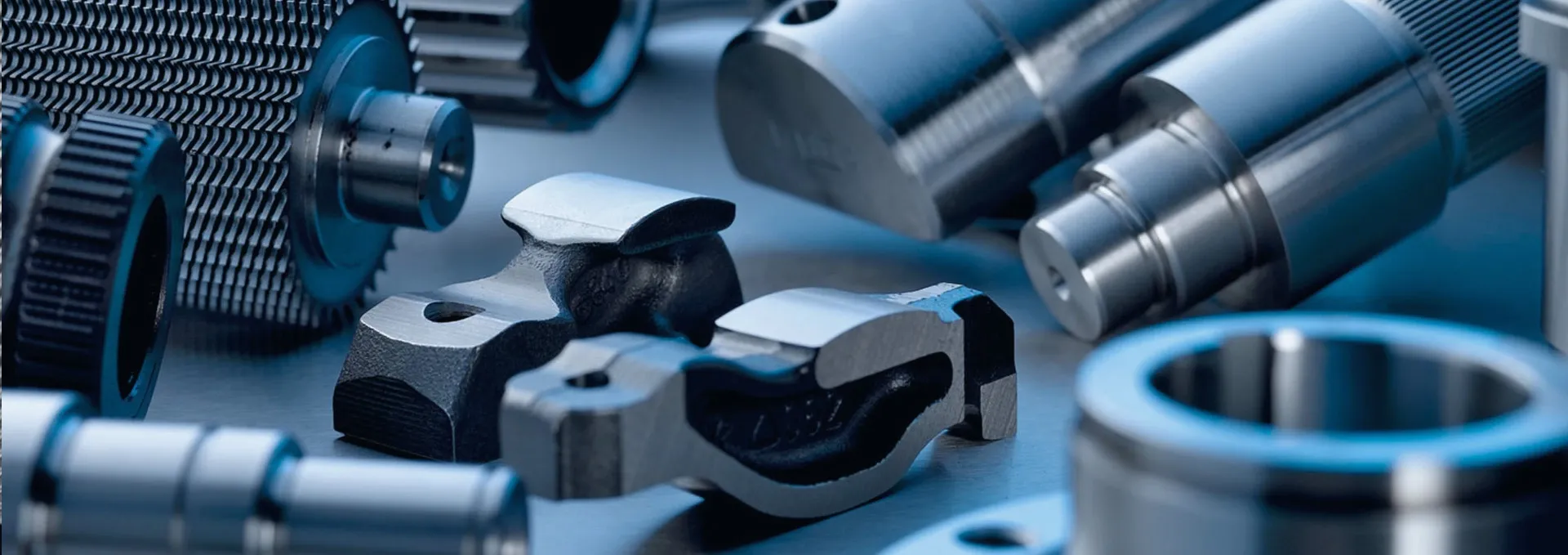
CNC Thread Rolling Machine Automation Advantages
In today's competitive manufacturing landscape, businesses demand precision, speed, and scalability. CNC thread rolling machines, alongside specialized systems like flat thread rolling machines, nail thread rolling machines, pipe thread rolling machines, and reed thread rollers, are revolutionizing wholesale production. These technologies streamline operations, reduce costs, and ensure consistent quality for high-volume orders. Below, we explore how automation integrates with these machines to elevate industrial efficiency.
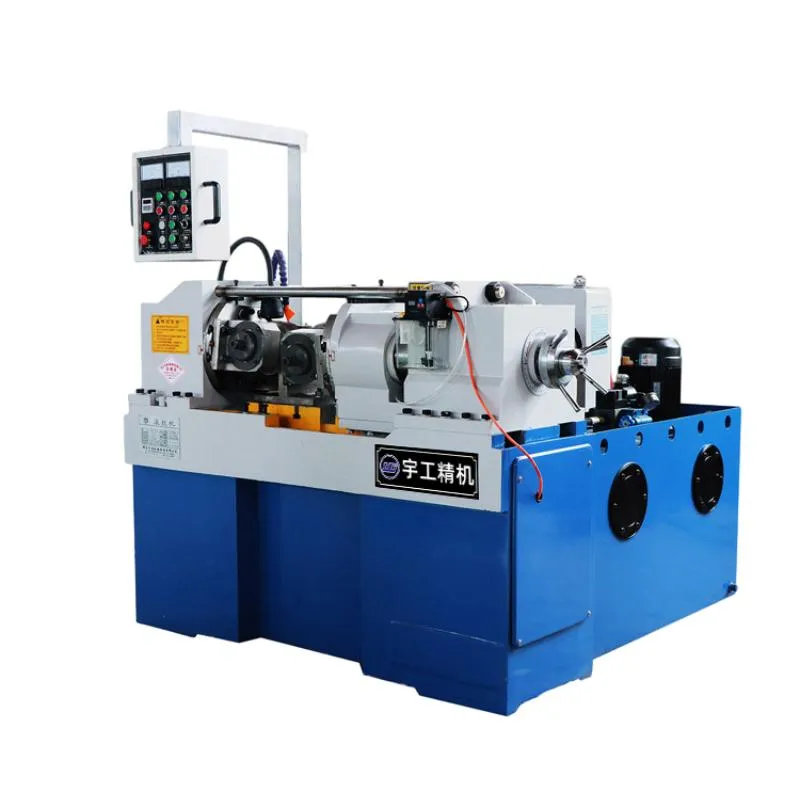
Achieving Micron-Level Precision with CNC Thread Rolling Machines
Automation in CNC thread rolling machines ensures micron-level accuracy for complex thread profiles, critical for aerospace and automotive industries. Similarly, flat thread rolling machines leverage programmable controls to maintain uniformity in high-volume fastener production. For niche applications like threaded nails or plumbing components, nail thread rolling machines and pipe thread rolling machines use automated feeds to minimize human error. Even reed thread rollers, designed for delicate components, benefit from closed-loop feedback systems to guarantee repeatability. Wholesale suppliers gain a competitive edge by delivering bulk orders with zero deviations, reducing returns and enhancing client trust.
Scaling Production via Flat Thread Rolling Machines and Multi-Industry Systems
Wholesale manufacturers require systems that adapt to fluctuating demand. CNC thread rolling machines excel here, offering rapid tooling changes for diverse thread specifications. Flat thread rolling machines support large batches of screws and bolts, while nail thread rolling machines automate threading for construction-grade nails at unmatched speeds. Pipe thread rolling machines cater to oil, gas, and plumbing sectors with high-throughput capabilities, and reed thread rollers handle small-diameter threads for electronics or medical devices. By integrating these systems, businesses can scale production without compromising lead times or quality, ensuring seamless fulfillment of bulk contracts.
Reducing Operational Costs with Pipe Thread Rolling Machines and Automated Solutions
Automated CNC thread rolling machines slash labor costs by operating with minimal supervision. Flat thread rolling machines optimize material usage through precision die alignment, reducing scrap rates in fastener manufacturing. For threaded nails, nail thread rolling machines employ energy-efficient motors to lower operational costs. Pipe thread rolling machines eliminate post-processing with burr-free threading, while reed thread rollers minimize rework via real-time quality checks. Collectively, these technologies cut waste and labor expenses, enabling wholesalers to offer competitive pricing while maintaining profit margins.
Expanding Market Reach Through Reed Thread Rollers and Versatile Technologies
From automotive to construction, automation in CNC thread rolling machines allows wholesalers to serve multiple industries with one platform. Flat thread rolling machines produce standardized fasteners for heavy machinery, while nail thread rolling machines cater to building material suppliers. Pipe thread rolling machines meet stringent requirements for hydraulic systems, and reed thread rollers support precision threads in micro-components. This versatility ensures wholesalers can diversify their client base without investing in separate systems, maximizing ROI across sectors.
FAQs: CNC Thread Rolling Machine
How Do CNC Thread Rolling Machines Accelerate Bulk Order Processing?
Automation enables continuous operation, faster setup times, and parallel processing, reducing production cycles for large orders.
Can Flat Thread Rolling Machines Adapt to Custom Fastener Designs?
Yes, programmable dies and CNC integration allow customization while maintaining high-volume output.
Are Nail Thread Rolling Machines Compatible with Hardened Steel Materials?
Absolutely. Advanced models support hardened materials, ensuring durability for construction-grade products.
Which Industries Prioritize Pipe Thread Rolling Machines for Critical Applications?
Oil and gas, plumbing, and fire safety sectors rely on them for leak-proof, high-pressure pipe threading.
How Do Reed Thread Rollers Maintain Accuracy in Micro-Component Manufacturing?
Closed-loop sensors and micro-adjustment features maintain accuracy for threads under 1mm in diameter.