
-
 Afrikaans
 -
 Albanian
 -
 Amharic
 -
 Arabic
 -
 Armenian
 -
 Azerbaijani
 -
 Basque
 -
 Belarusian
 -
 Bengali
 -
 Bosnian
 -
 Bulgarian
 -
 Catalan
 -
 Cebuano
 -
 Corsican
 -
 Croatian
 -
 Czech
Czech -
 Danish
 -
 Dutch
Dutch -
 Lus Askiv
 -
 Esperanto
 -
 Estonian
 -
 Finnish
 -
 French
 -
 Frisian
 -
 Galician
 -
 Georgian
 -
 German
 -
 Greek
Greek -
 Gujarati
 -
 Haitian Creole
 -
 hausa
hausa -
 hawaiian
 -
 Hebrew
 -
 Hindi
Hindi -
 Miao
Miao -
 Hungarian
 -
 Icelandic
 -
 igbo
igbo -
 Indonesian
 -
 irish
irish -
 Italian
 -
 Japanese
 -
 Javanese
 -
 Kannada
 -
 kazakh
 -
 Khmer
Khmer -
 Rwandese
 -
 Korean
 -
 Kurdish
 -
 Kyrgyz
 -
 Lao
Lao -
 Latin
Latin -
 Latvian
 -
 Lithuanian
 -
 Luxembourgish
 -
 Macedonian
 -
 Malgashi
 -
 Malay
Malay -
 Malayalam
 -
 Maltese
 -
 Maori
Maori -
 Marathi
 -
 Mongolian
 -
 Myanmar
 -
 Nepali
 -
 Norwegian
 -
 Norwegian
 -
 Occitan
 -
 Pashto
 -
 Persian
 -
 Polish
 -
 Portuguese
 -
 Punjabi
 -
 Romanian
 -
 Russian
 -
 Samoan
 -
 Scottish Gaelic
 -
 Serbian
 -
 Sesotho
 -
 Shona
Shona -
 Sindhi
 -
 Sinhala
 -
 Slovak
 -
 Slovenian
 -
 Somali
 -
 Spanish
 -
 Sundanese
 -
 Swahili
 -
 Swedish
 -
 Tagalog
 -
 Tajik
Tajik -
 Tamil
Tamil -
 Tatar
Tatar -
 Telugu
 -
 Thai
Thai -
 Turkish
 -
 Turkmen
 -
 Ukrainian
 -
 Urdu
Urdu -
 Uighur
 -
 Uzbek
Uzbek -
 Vietnamese
 -
 Welsh
Welsh -
 Bantu
Bantu -
 Yiddish
 -
 Yoruba
 -
 Zulu
Zulu
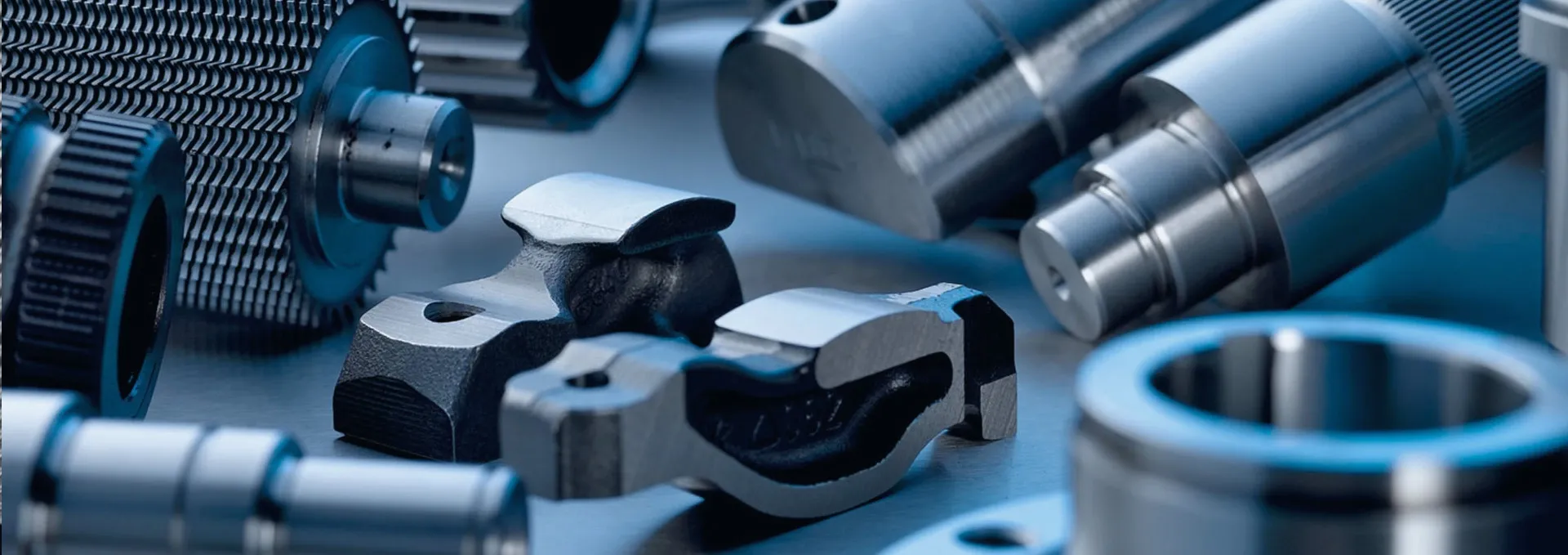
Types of Thread Rolling Machines and Their Industrial Applications
Thread rolling machines are indispensable in industrial manufacturing, offering efficient, high-precision threading solutions for bulk production. This article explores the core types of thread rolling machines, including roller threading machines, automatic thread rolling machines, and flat die thread rolling machines, alongside the critical role of thread rolling tools. Tailored for wholesalers and large-scale suppliers, we highlight how these technologies optimize productivity, reduce costs, and meet industrial demands.
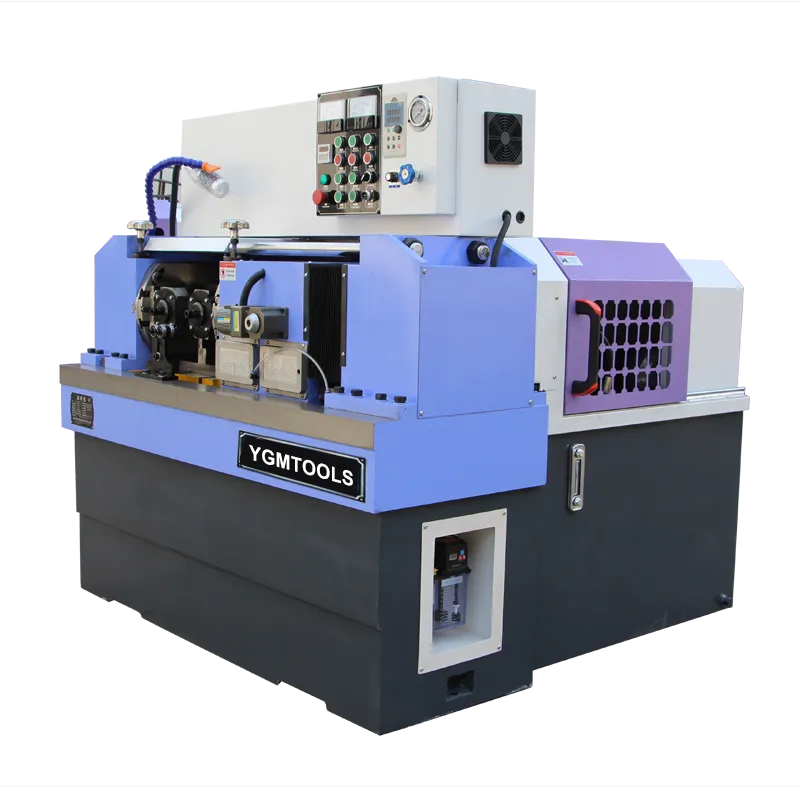
High-Volume Precision with Roller Threading Machines
Roller threading machines dominate industries requiring high-speed, consistent thread production. These machines use rotating dies to cold-form threads onto metal rods, bolts, or screws without removing material, ensuring superior strength and surface finish. For wholesalers, this method minimizes waste and maximizes output, making it ideal for bulk orders in automotive, aerospace, and construction sectors.
The thread rolling tools in these systems, crafted from hardened steel or carbide, withstand intense pressure while maintaining dimensional accuracy. By integrating roller threading machines into production lines, wholesalers can achieve faster cycle times and lower per-unit costs. Industries like fastener manufacturing rely on these machines to produce millions of uniform threads daily, ensuring compliance with stringent quality standards.
Streamlining Production Efficiency with Automatic Thread Rolling Machines
Automatic thread rolling machines revolutionize bulk manufacturing by combining speed, precision, and minimal human intervention. These systems feed, thread, and eject components continuously, making them indispensable for high-volume orders. Wholesalers supplying automotive or electronics industries benefit from their ability to process diverse materials, including stainless steel and titanium, with minimal downtime.
Equipped with advanced thread rolling tools, these machines adapt to complex thread profiles, from standard metric threads to custom aerospace specifications. The automation reduces labor costs and error rates, ensuring consistent quality across batches. For example, a wholesaler specializing in hydraulic fittings can leverage automatic thread rolling machines to meet tight deadlines while maintaining thread integrity under high-pressure conditions.
Durability and Performance of Thread Rolling Tools in Industrial Applications
The efficiency of any thread rolling process hinges on the quality of thread rolling tools. These components, including dies, rollers, and guides, endure extreme forces to shape materials into precise threads. Wholesalers must prioritize tools made from premium alloys or coated with titanium nitride to extend lifespan and reduce replacement frequency.
In flat die thread rolling machines, specialized tools create linear or helical threads on large-diameter components like pipeline flanges. For wholesalers catering to oil and gas industries, robust thread rolling tools ensure threads withstand corrosive environments and heavy loads. Regular maintenance and proper storage further enhance tool longevity, safeguarding production schedules and profitability.
Versatile Solutions with Flat Die Thread Rolling Machines
Flat die thread rolling machines excel in producing threads on oversized or irregularly shaped components. Their linear die motion accommodates long shafts, agricultural machinery parts, and construction anchors, making them a staple for wholesalers serving heavy industries. Unlike rotary systems, these machines offer flexibility in thread pitch and depth adjustments, ideal for custom bulk orders.
Paired with durable thread rolling tools, flat die thread rolling machines deliver high torque resistance and fatigue strength, critical for mining equipment or railroad components. Wholesalers can streamline operations by standardizing tooling setups for recurring orders, reducing setup times and enhancing throughput.
FAQs about Thread Rolling Machines
How Do Roller Threading Machines Reduce Costs in Bulk Manufacturing?
Roller threading machines eliminate material waste by cold-forming threads, reducing raw material costs. Their high-speed operation ensures faster production cycles, lowering labor and energy expenses per unit.
Which Industries Rely on Automatic Thread Rolling Machines for Precision?
Automotive, aerospace, and electronics industries rely on automatic thread rolling machines for mass-producing precision threads with minimal downtime and consistent quality.
Why Are Thread Rolling Tools Essential for Wholesale Profitability?
Durable thread rolling tools reduce maintenance costs and downtime, ensuring uninterrupted production for large orders. Their longevity directly impacts profitability in high-volume manufacturing.
Can Flat Die Thread Rolling Machines Support Custom Industrial Designs?
Yes, flat die thread rolling machines offer adjustable die configurations, making them suitable for custom threads in sectors like energy and heavy machinery.
How Do Automatic Thread Rolling Machines Integrate with Automated Production Lines?
Automatic thread rolling machines feature modular designs and programmable controls, allowing seamless integration with robotics or conveyor systems for end-to-end automation.