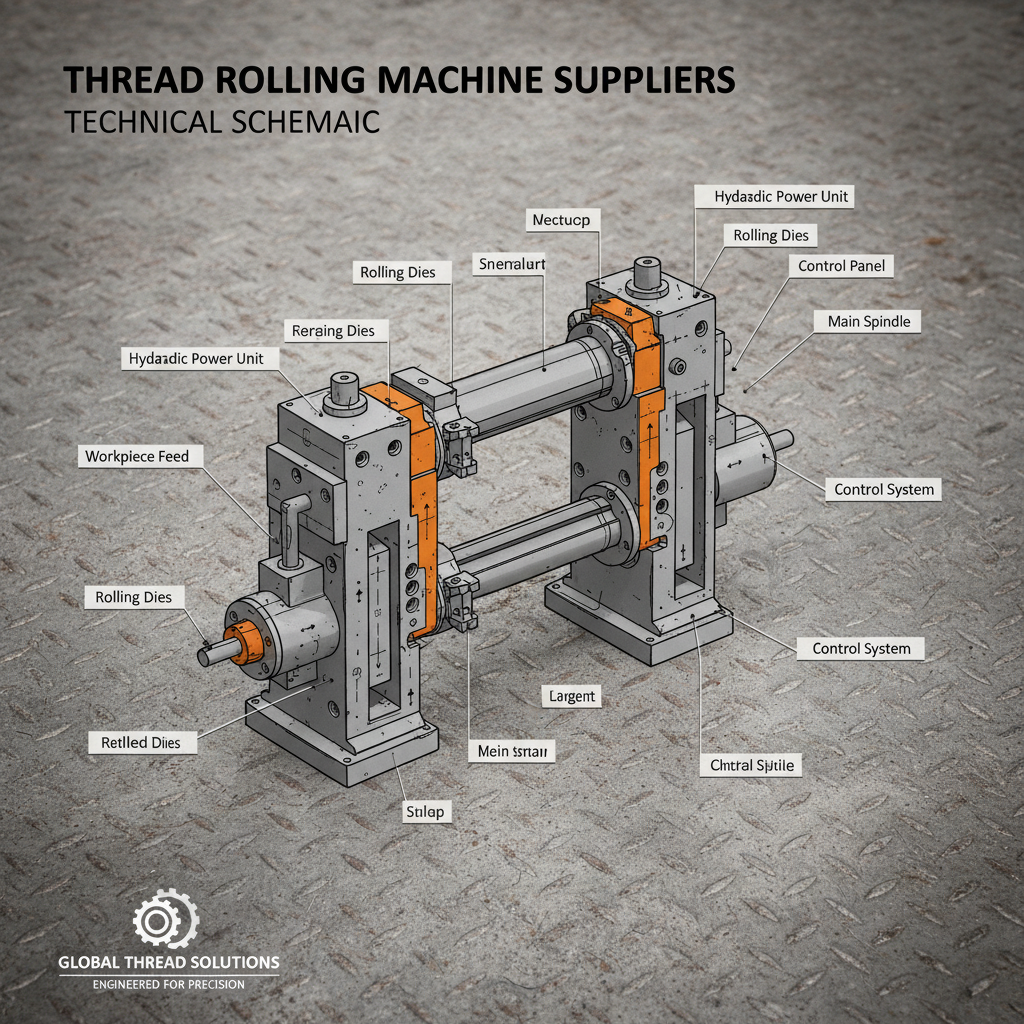
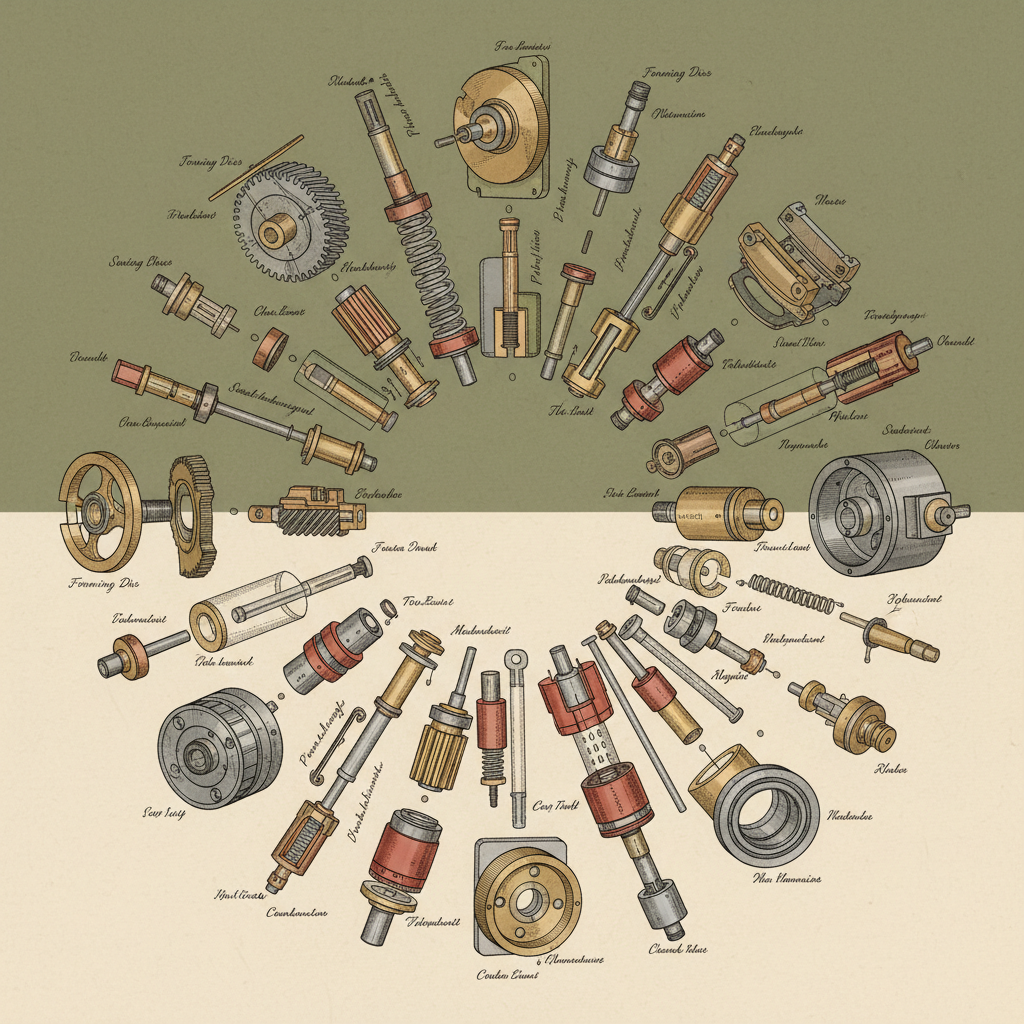
The realm of pipe thread rolling machine technology is critical to modern infrastructure and industrial processes globally. From oil and gas pipelines to water distribution systems and manufacturing, the secure and reliable joining of pipes is paramount. Pipe thread rolling machines provide a robust, efficient, and cost-effective method for creating threaded connections, surpassing traditional methods like cutting threads, especially in large-scale applications. Understanding the nuances of these machines is essential for engineers, technicians, and procurement professionals alike, impacting project timelines, safety standards, and overall operational costs.
The demand for high-quality pipe connections continues to rise alongside global population growth and infrastructure development. Developing nations are rapidly expanding their industrial capacity, requiring vast networks of pipelines for resource transport. Simultaneously, aging infrastructure in developed countries necessitates replacement and repair, further driving the need for advanced threading solutions. The efficiency and precision offered by a pipe thread rolling machine directly address these challenges, ensuring longevity and minimizing the risk of failures.
Furthermore, the increasing emphasis on sustainability and reducing material waste highlights the advantages of pipe thread rolling. The process generates minimal scrap compared to machining, aligning with environmentally conscious practices and offering significant cost savings. The ability to create stronger, more durable connections also reduces the frequency of repairs and replacements, contributing to a more sustainable lifecycle for critical infrastructure.
Introduction to Pipe Thread Rolling Machine
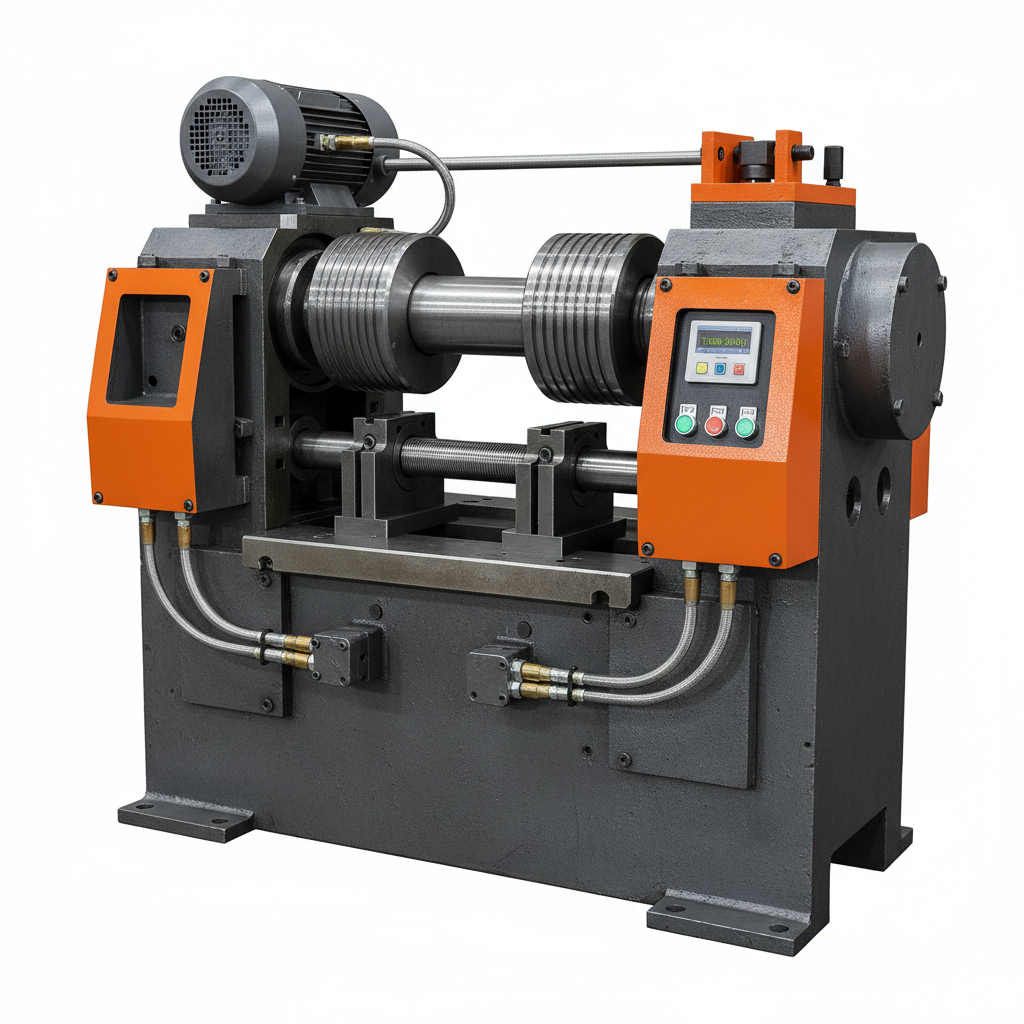
A pipe thread rolling machine is a specialized tool used to form threads on the outer diameter of pipes, creating a strong, leak-proof connection. Unlike thread cutting, which removes material, thread rolling displaces material, resulting in a work-hardened thread with increased tensile strength and fatigue resistance. This makes it an ideal choice for critical applications where reliability is paramount.
The development of the pipe thread rolling machine has been instrumental in enabling large-scale pipeline construction and complex industrial systems. Its ability to quickly and consistently produce high-quality threads has revolutionized the way pipes are joined, reducing labor costs and improving overall project efficiency. A pipe thread rolling machine represents a cornerstone of modern engineering.
Global Relevance and Industry Context
The global market for pipe thread rolling machines is closely tied to infrastructure development, particularly in emerging economies. According to reports from the World Bank, trillions of dollars are needed to upgrade and expand infrastructure in developing countries, a substantial portion of which involves pipelines for water, oil, and gas. The need for durable, reliable pipe connections in these projects is driving demand for advanced threading technologies.
Furthermore, the ISO standards governing pipe threading play a significant role in shaping the industry. These standards ensure interoperability and safety across different regions and applications. Manufacturers of pipe thread rolling machines must adhere to these standards to guarantee the quality and compatibility of their products. The adherence to these standards ensures the longevity and safety of critical infrastructure projects worldwide.
A significant challenge within the industry is balancing cost-effectiveness with the need for high-quality, durable threads. Lower-quality threading can lead to leaks, failures, and costly repairs. Pipe thread rolling machines offer a solution by providing a consistent, reliable process that minimizes the risk of defects, ultimately reducing lifecycle costs.
Defining Pipe Thread Rolling Machine
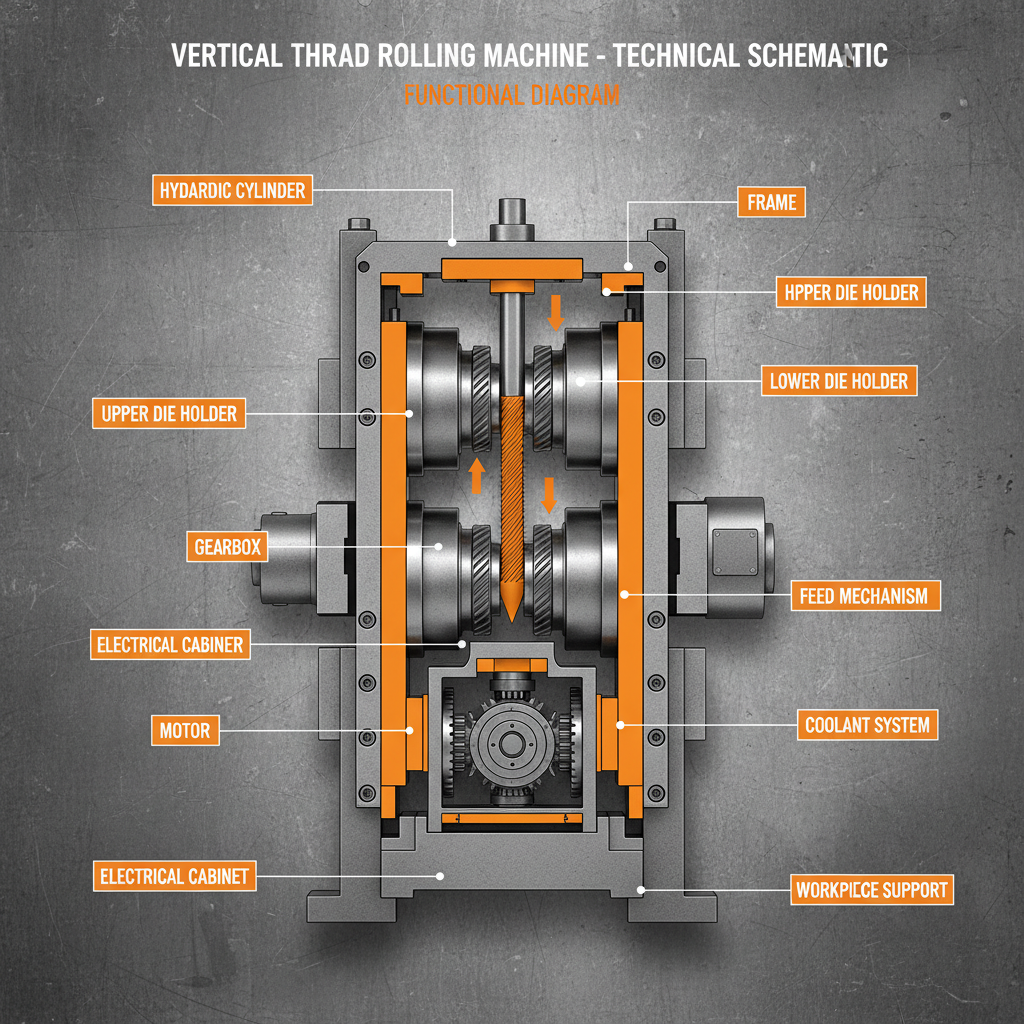
A pipe thread rolling machine is a machine tool designed to cold-form threads on the outside of cylindrical pipes, without removing any material. This process involves using rollers with a specific thread profile to displace the metal, creating a strong and accurate thread. The machine can be either portable or stationary, and is available in a range of sizes to accommodate different pipe diameters and thread types.
The connection between a pipe thread rolling machine and modern industry lies in its ability to meet the demands of large-scale projects. Consider the construction of a cross-country pipeline, requiring thousands of precisely threaded pipe joints. Manual threading would be impractical and inconsistent; a pipe thread rolling machine provides the speed, accuracy, and reliability needed to complete the project efficiently.
Beyond infrastructure, these machines are crucial in industries like oil and gas, where the integrity of pipe connections is vital for preventing leaks and environmental damage. From supplying potable water to transporting critical resources, the dependable performance of a pipe thread rolling machine directly impacts the quality of life and the safety of communities globally.
Key Factors of a Pipe Thread Rolling Machine
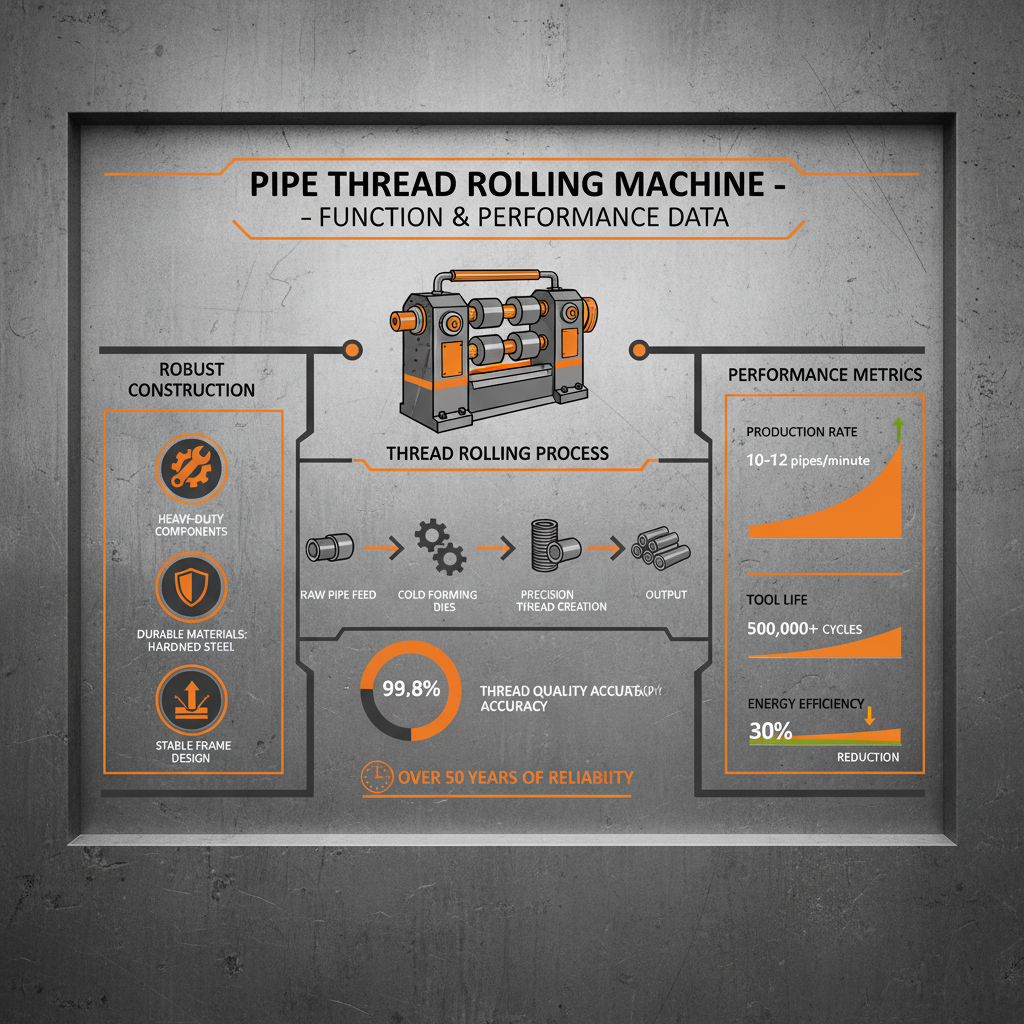
One crucial factor is Durability. High-quality pipe thread rolling machines are built with robust materials and components, designed to withstand the rigors of continuous use in demanding environments. This translates to reduced downtime and lower maintenance costs over the lifespan of the machine. A well-built machine ensures consistent thread quality and prevents premature failure.
Another key aspect is Precision. The accuracy of the thread profile is critical for creating leak-proof connections. Modern machines employ advanced control systems and precision rollers to ensure threads meet stringent industry standards. Precise threading minimizes the risk of failures and maximizes the lifespan of the pipeline.
Pipe Thread Rolling Machine Performance Metrics
Global Applications and Use Cases
Pipe thread rolling machines are integral to the oil and gas industry, used extensively in the construction and maintenance of pipelines that transport crude oil and natural gas across continents. In remote industrial zones, portable pipe thread rolling machines enable on-site thread creation, minimizing downtime and logistical challenges. These applications directly support global energy security.
In post-disaster relief operations, the ability to quickly repair water distribution systems is critical. Portable pipe thread rolling machines can be deployed to affected areas to create new connections and restore water supplies to communities in need. This fast response capability can significantly mitigate the impact of disasters.
Furthermore, the agricultural sector relies heavily on irrigation systems, often constructed using pipes joined with threads created by these machines. Efficient irrigation is essential for food production, particularly in arid and semi-arid regions, making this technology vital for global food security.
Advantages and Long-Term Value
The primary advantage of using a pipe thread rolling machine is cost efficiency. The process generates minimal material waste compared to cutting threads, resulting in significant savings on raw materials. Furthermore, the faster threading speed reduces labor costs and speeds up project completion. This translates to a quicker return on investment for infrastructure projects.
Beyond cost, there’s significant long-term value in the increased reliability of rolled threads. The work-hardening process creates a stronger, more durable connection that is less susceptible to leaks and failures. This reduces the need for frequent repairs and replacements, minimizing disruption and enhancing safety. Investing in a quality pipe thread rolling machine builds trust and longevity in infrastructure.
Future Trends and Innovations
One emerging trend is the integration of automation and robotics into pipe thread rolling processes. Automated machines can increase production speed, improve consistency, and reduce the risk of human error. These advancements are particularly valuable for large-scale projects where efficiency is paramount.
Another area of innovation is the development of new materials for rollers and dies. Advanced alloys and coatings can improve wear resistance and extend the lifespan of these critical components, reducing maintenance costs and downtime. The incorporation of digital monitoring and data analytics also allows for predictive maintenance, further optimizing machine performance.
Challenges and Solutions
A common challenge is ensuring proper operator training. Incorrect machine setup or operation can lead to defective threads and potentially catastrophic failures. Comprehensive training programs and clear operating procedures are essential for mitigating this risk.
Another challenge is adapting to the increasing diversity of pipe materials and thread standards. Manufacturers must develop machines that can handle a wide range of pipe diameters, materials, and thread types. This requires ongoing research and development, as well as flexible machine designs.
Finally, maintaining machine accuracy over time is crucial. Regular calibration and preventative maintenance are necessary to ensure threads continue to meet industry standards. Implementing a robust maintenance schedule and utilizing precision measuring tools are key solutions to this challenge.
Key Performance Indicators of Pipe Thread Rolling Machine Maintenance
| Maintenance Task |
Frequency |
Severity (1-10) |
Estimated Cost |
| Roller Inspection |
Daily |
3 |
$20 |
| Die Replacement |
Monthly |
7 |
$200 |
| Lubrication |
Weekly |
2 |
$10 |
| Calibration Check |
Quarterly |
6 |
$150 |
| Motor Inspection |
Semi-Annually |
5 |
$80 |
| Gearbox Oil Change |
Annually |
4 |
$100 |
FAQS
Pipe thread rolling offers several key advantages over cutting. Rolled threads are significantly stronger due to work hardening, resulting in a more reliable and leak-proof connection. Additionally, rolling produces minimal material waste compared to cutting, reducing costs and promoting sustainability. Finally, the process is often faster and more efficient, particularly for high-volume applications.
Most pipe thread rolling machines are versatile and can handle a variety of materials, including carbon steel, stainless steel, alloy steel, and even some non-ferrous metals like aluminum and copper. However, the specific material compatibility depends on the machine's design, the type of rollers used, and the material's hardness. It’s crucial to verify the machine's specifications before processing a particular material.
Regular maintenance is essential for ensuring optimal performance and longevity. This includes daily inspections of rollers, weekly lubrication, monthly die replacement, quarterly calibration checks, and semi-annual motor inspections. Following a scheduled maintenance plan and promptly addressing any issues can significantly reduce downtime and prevent costly repairs.
Selecting the right machine depends on several factors, including the pipe diameter range, material types, thread standards, production volume, and available space. Consider whether a portable or stationary machine is more suitable for your application. It's also important to assess the machine’s power requirements, control system features, and overall build quality.
Safety is paramount. Always wear appropriate personal protective equipment (PPE), including safety glasses and gloves. Ensure the machine is properly grounded and that all safety guards are in place. Never operate the machine without proper training. Disconnect the power supply before performing any maintenance or adjustments. Familiarize yourself with the machine’s emergency stop procedures.
With proper maintenance and care, a high-quality pipe thread rolling machine can last for 10-20 years or even longer. Regular inspections, lubrication, and timely replacement of worn parts are crucial for extending the machine's lifespan. Investing in a durable machine from a reputable manufacturer can also contribute to its longevity and reliability.
Conclusion
In conclusion, the pipe thread rolling machine stands as a cornerstone of modern infrastructure, offering a robust, efficient, and cost-effective solution for joining pipes across diverse industries. Its ability to create stronger, more reliable connections, combined with its adaptability to various materials and applications, makes it an indispensable tool for engineers and technicians worldwide. Understanding its key factors, future trends, and potential challenges is crucial for maximizing its benefits.
Looking ahead, continued innovation in automation, materials science, and data analytics will further enhance the performance and capabilities of pipe thread rolling machines. Investing in these technologies will not only improve efficiency and reduce costs but also contribute to a more sustainable and resilient infrastructure. For more information and to explore our range of pipe thread rolling machines, visit our website: www.motetools.com.