
Expert 3 Die Thread Rolling Machine Company Capabilities and Applications
Understanding 3 Die Thread Rolling Machine Company Capabilities
In the world of fastener manufacturing, the demand for high-quality, efficiently produced threads is ever-increasing. A 3 die thread rolling machine company plays a crucial role in meeting this demand. These machines are the cornerstone of producing threaded components with precision and speed. This article will delve into what a 3-die thread rolling machine does, the benefits of choosing a specialized company like Motetools, key factors to consider when selecting a provider, and the applications where this technology excels. We'll also explore what sets leading companies apart in this competitive industry.
What is a 3-Die Thread Rolling Machine?
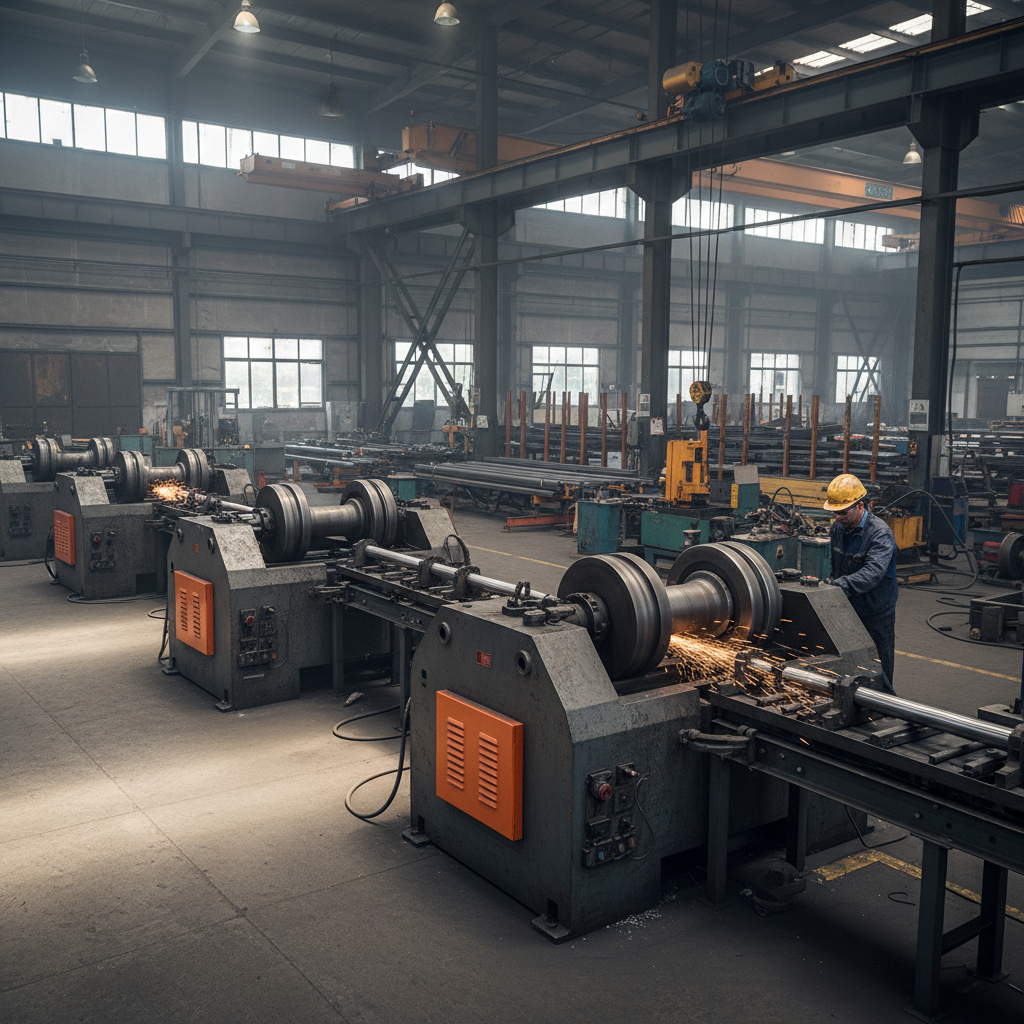
A 3-die thread rolling machine is a specialized manufacturing tool used to form threads on cylindrical workpieces. Unlike cutting threads (which removes material), thread rolling is a cold forming process that displaces material to create the desired thread shape. The “3-die” designation refers to the use of three dies – a stationary die, and two rotating dies – that simultaneously deform the workpiece as it passes through the machine. This process results in stronger, more durable threads compared to cut threads because the grain flow of the material is followed, rather than severed. The process is ideally suited for high-volume production of fasteners, bolts, screws, and other threaded components.
The Advantages of Working with a Dedicated 3 Die Thread Rolling Machine Company
Choosing a company that specializes in 3-die thread rolling offers numerous benefits. These companies possess in-depth knowledge of the process, allowing them to optimize machine settings for various materials and thread specifications. They can also provide valuable insights into tooling selection, material compatibility, and process control. A specialized thread rolling machine manufacturer like Motetools often offers customization options to meet unique client needs. Furthermore, they typically have robust quality control systems in place to ensure consistent, high-quality output. These efficiencies translate to lower costs, faster turnaround times, and superior products for you.
Key Benefits: Expertise in thread rolling processes, optimized machine settings, customization options, rigorous quality control, reduced production costs, and faster turnaround times.
Factors to Consider When Selecting a 3 Die Thread Rolling Machine Company
Not all 3-die thread rolling machine companies are created equal. When selecting a partner, consider several key factors. Capacity and Capabilities: Can the company handle your production volume and the range of materials you require? Tooling Expertise: Do they have the expertise to design, manufacture, and maintain the specialized tooling needed for your specific thread specifications? Quality Control Systems: What quality control measures are in place to ensure consistent product quality? Turnaround Times: Can they meet your deadlines? Customer Support: Is responsive and helpful customer support available? Motetools excels in these areas, providing a comprehensive solution for all your thread rolling needs.
3 Die Thread Rolling Machine: Key Specifications & Capabilities
Understanding the technical capabilities of a 3-die thread rolling machine is crucial. Here's a table outlining common specifications and capabilities you'll find in modern machines:
Applications of 3-Die Thread Rolling
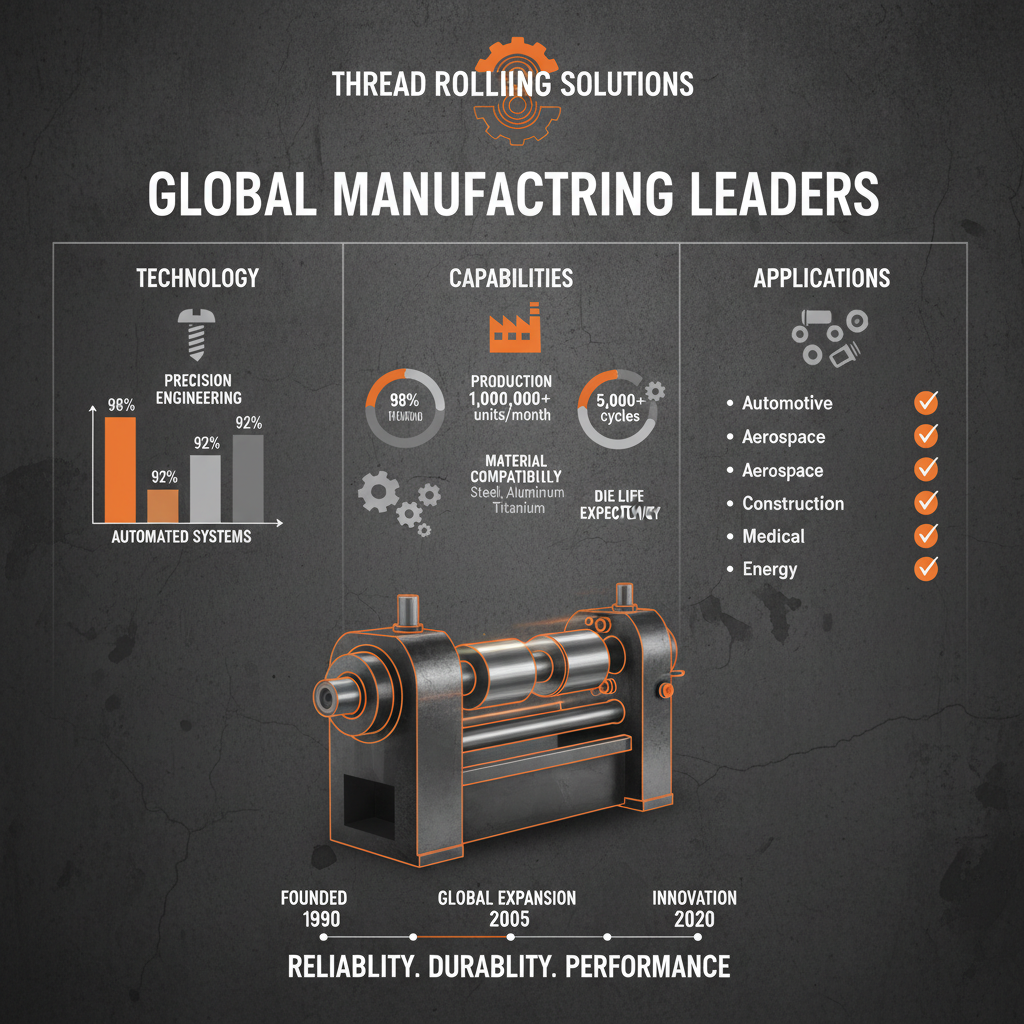
3-die thread rolling is utilized across a diverse range of industries. The automotive sector relies heavily on this process for producing bolts, screws, and other critical components. The aerospace industry demands high-precision threads for aircraft fasteners. Construction utilizes rolled threads in structural bolts and anchors. Furthermore, the general manufacturing sector utilizes this technology for a wide variety of threaded parts. The versatility and efficiency of 3-die thread rolling make it a crucial process for numerous applications.
Conclusion: Partnering with the Right 3 Die Thread Rolling Machine Company
Selecting the right 3-die thread rolling machine company is a critical decision for manufacturers. A dedicated company like Motetools offers the expertise, capabilities, and quality control necessary to deliver superior threaded components efficiently and cost-effectively. By partnering with a specialist, you can ensure consistent product quality, reduced production times, and a competitive edge in the marketplace. Investing in a strong relationship with a reliable 3 die thread rolling machine company is an investment in the success of your business.
Frequently Asked Questions (FAQs)
What materials can be thread rolled with a 3-die machine?
A wide range of materials can be processed using a 3-die thread rolling machine. Commonly used materials include various grades of steel (carbon steel, alloy steel), stainless steel, aluminum alloys, brass, and even some plastics. The specific material’s ductility and hardness will influence the process parameters and tooling selection. A skilled thread rolling company will be able to advise on the suitability of a particular material for thread rolling.
What is the difference between thread rolling and thread cutting?
Thread cutting removes material from the workpiece to create the threads, using tools like taps or dies. This can weaken the part. Thread rolling, conversely, is a cold forming process that displaces material, actually strengthening the thread due to work hardening. Rolled threads typically exhibit higher tensile strength, fatigue resistance, and a smoother surface finish compared to cut threads. Thread rolling is also generally faster and more cost-effective for high-volume production.
How does tooling affect the quality of thread rolled parts?
Tooling is paramount to achieving high-quality thread rolled parts. The dies must be precisely manufactured to the correct thread form and material, and properly maintained to prevent wear and tear. The die angle, surface finish, and material composition all influence the thread’s accuracy, surface finish, and strength. A reputable 3 die thread rolling machine company will have significant expertise in tooling design and maintenance.
What quality control measures should I expect from a thread rolling company?
A reliable thread rolling company will implement a comprehensive quality control system. This should include dimensional inspections using calibrated measuring equipment (like calipers and micrometers), visual inspections for surface defects, and potentially non-destructive testing methods. They should also maintain detailed records of all inspections and process parameters to ensure traceability and consistency. A commitment to ISO 9001 certification is a strong indicator of a robust quality management system.