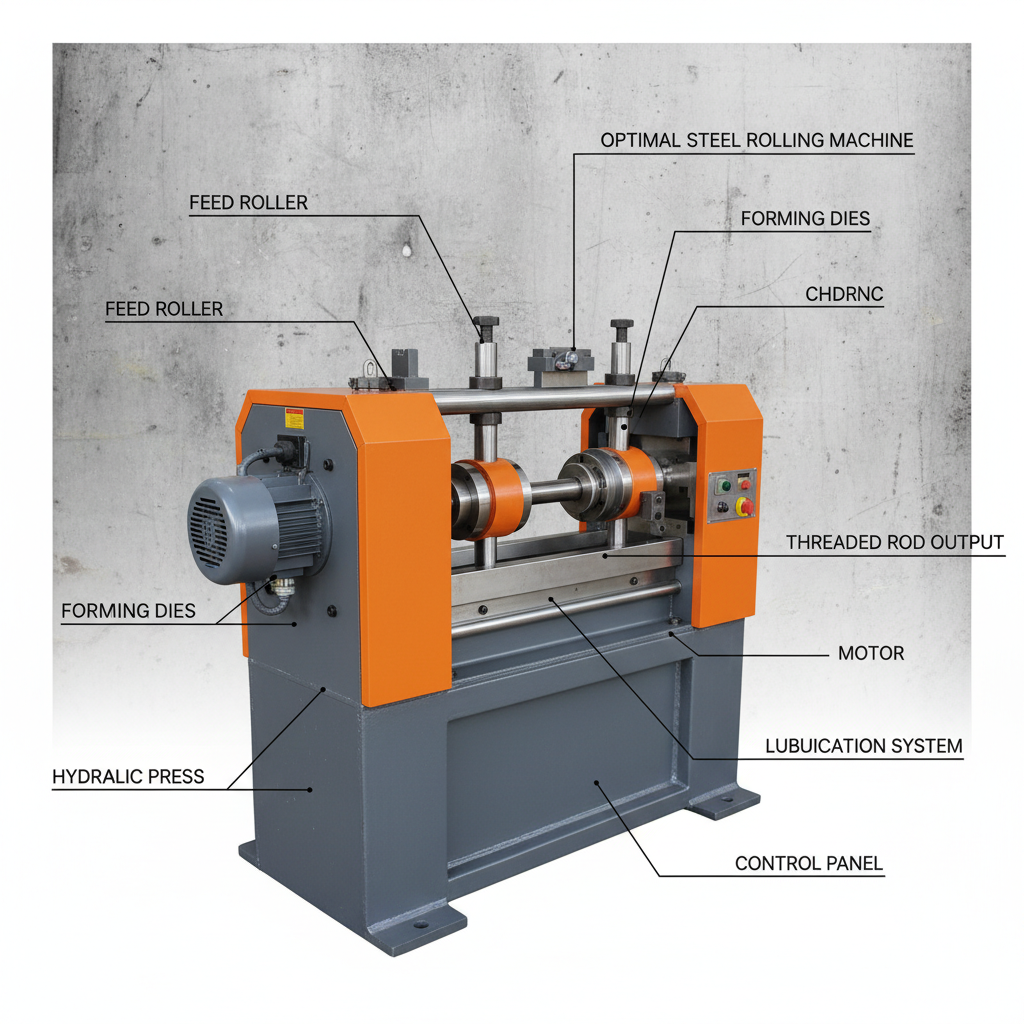
The demand for efficient and precise metal forming solutions is paramount in modern manufacturing. A best thread rolling machine is no longer merely a piece of equipment but a critical component in optimizing production processes, ensuring high-quality parts, and maintaining a competitive edge. This is particularly true in industries demanding consistent thread accuracy and durability, like automotive, aerospace, and construction.
Globally, the metalworking machinery market is experiencing sustained growth, driven by increasing industrialization in emerging economies and the ongoing need for automation in developed nations. According to recent reports, the thread rolling machine segment constitutes a significant portion of this market, projected to reach billions of dollars in the coming years. A truly best thread rolling machine addresses key industry challenges such as reducing material waste, enhancing production speed, and improving the overall integrity of threaded components.
The precision and reliability offered by advanced thread rolling technology are crucial for ensuring the safety and performance of critical applications. From fasteners in automobiles to components in medical devices, the quality of the thread directly impacts the functionality and longevity of the final product. Investing in a superior machine translates to fewer defects, reduced downtime, and ultimately, greater customer satisfaction.
The Significance of Best Thread Rolling Machines
The manufacturing landscape demands increasing efficiency and precision. A best thread rolling machine plays a pivotal role in meeting these demands by offering a superior alternative to traditional threading methods like cutting or chasing. Thread rolling doesn’t remove material; it forms the thread by displacing metal, resulting in stronger, more durable threads with improved fatigue resistance.
The impact extends beyond just improved thread quality. Investing in the right machine translates to reduced production costs through material savings, faster cycle times, and minimized waste. This allows manufacturers to respond more effectively to market demands and maintain a competitive edge in a globalized economy.
Understanding Thread Rolling Machines
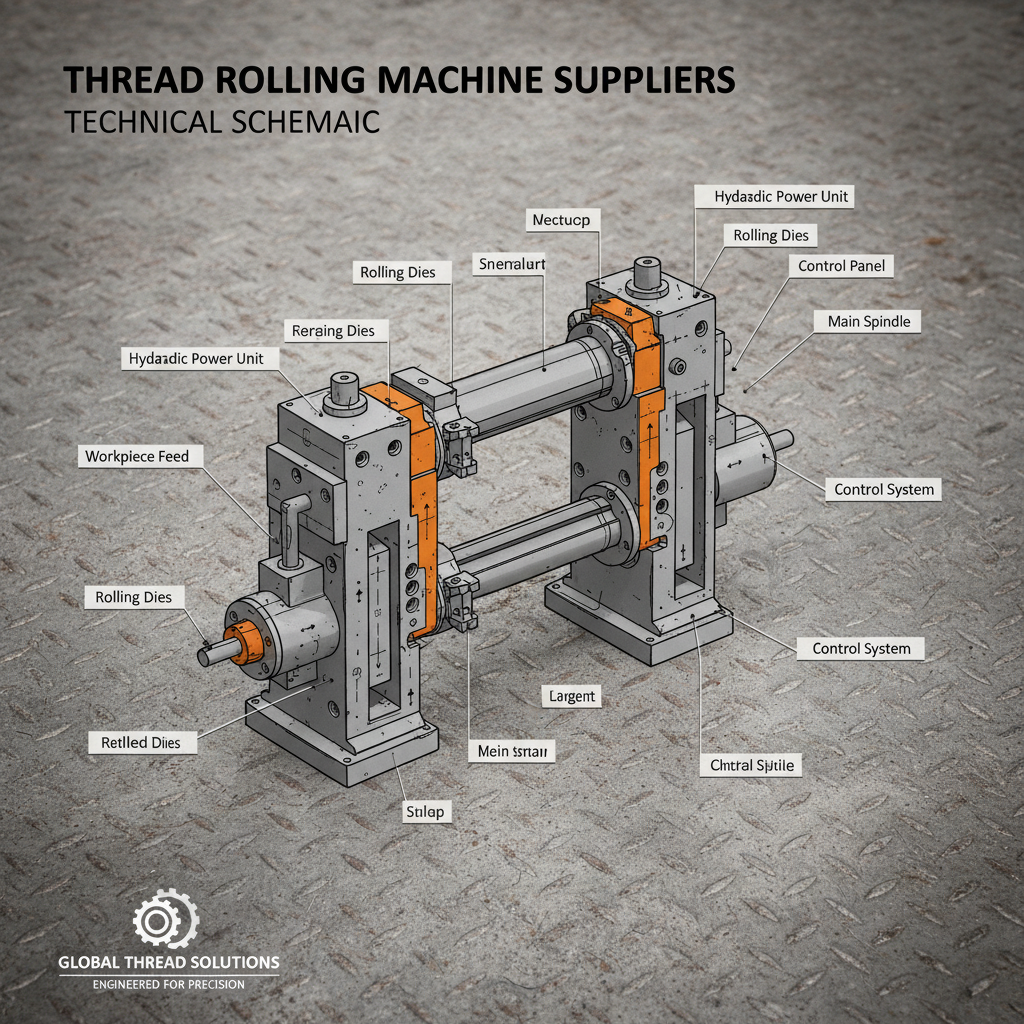
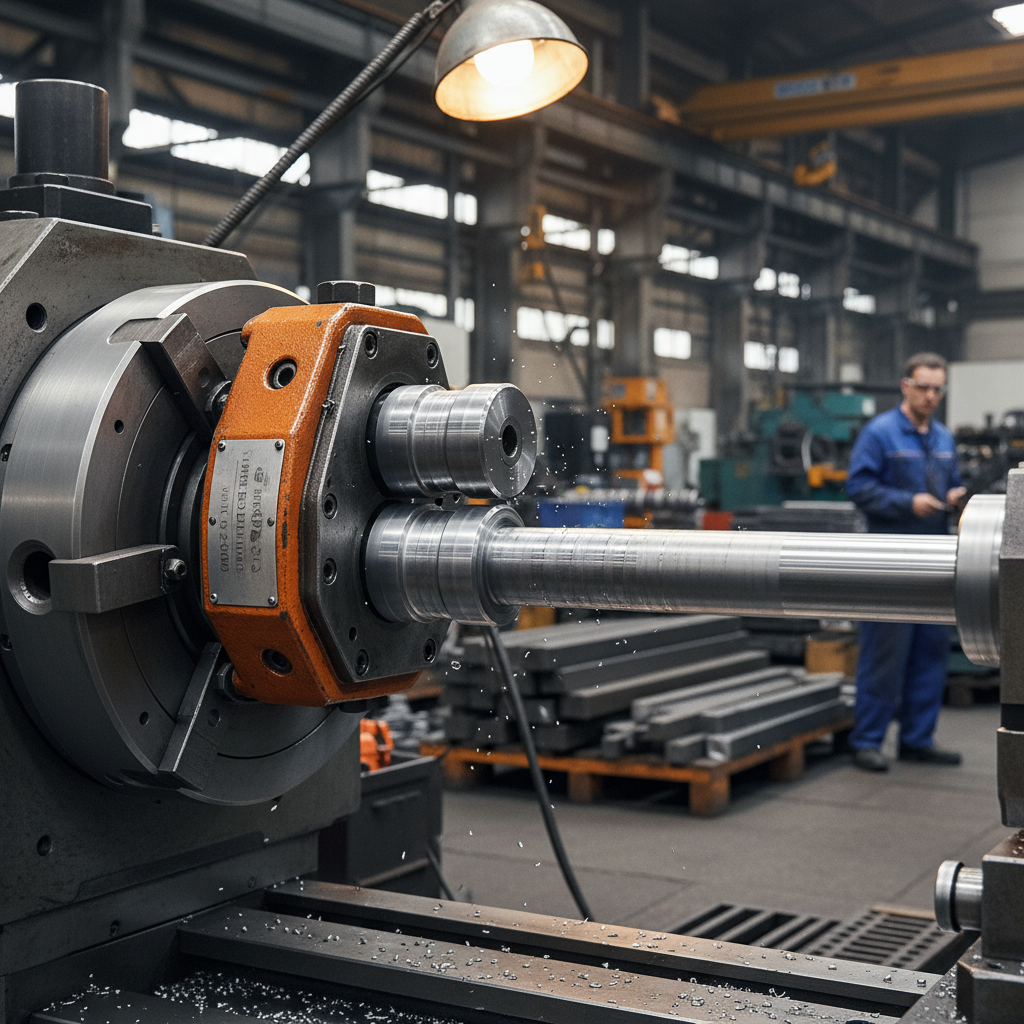
A thread rolling machine utilizes a unique forming process to create threads on a cylindrical workpiece. Instead of cutting away material, it uses specialized dies to plastically deform the metal, effectively “rolling” the thread profile onto the surface. This process strengthens the material around the thread, enhancing its tensile strength and resistance to shearing.
There are several types of thread rolling machines, including flat die, cylindrical die, and planetary die machines. Each type is suited for different workpiece sizes, production volumes, and thread specifications. Understanding the nuances of each type is crucial for selecting the optimal machine for a specific application.
Modern machines often incorporate advanced technologies such as CNC controls, automated loading and unloading systems, and real-time monitoring capabilities, enabling precise control, consistent quality, and increased productivity. The best thread rolling machine will integrate these features seamlessly.
Key Features of a Best Thread Rolling Machine
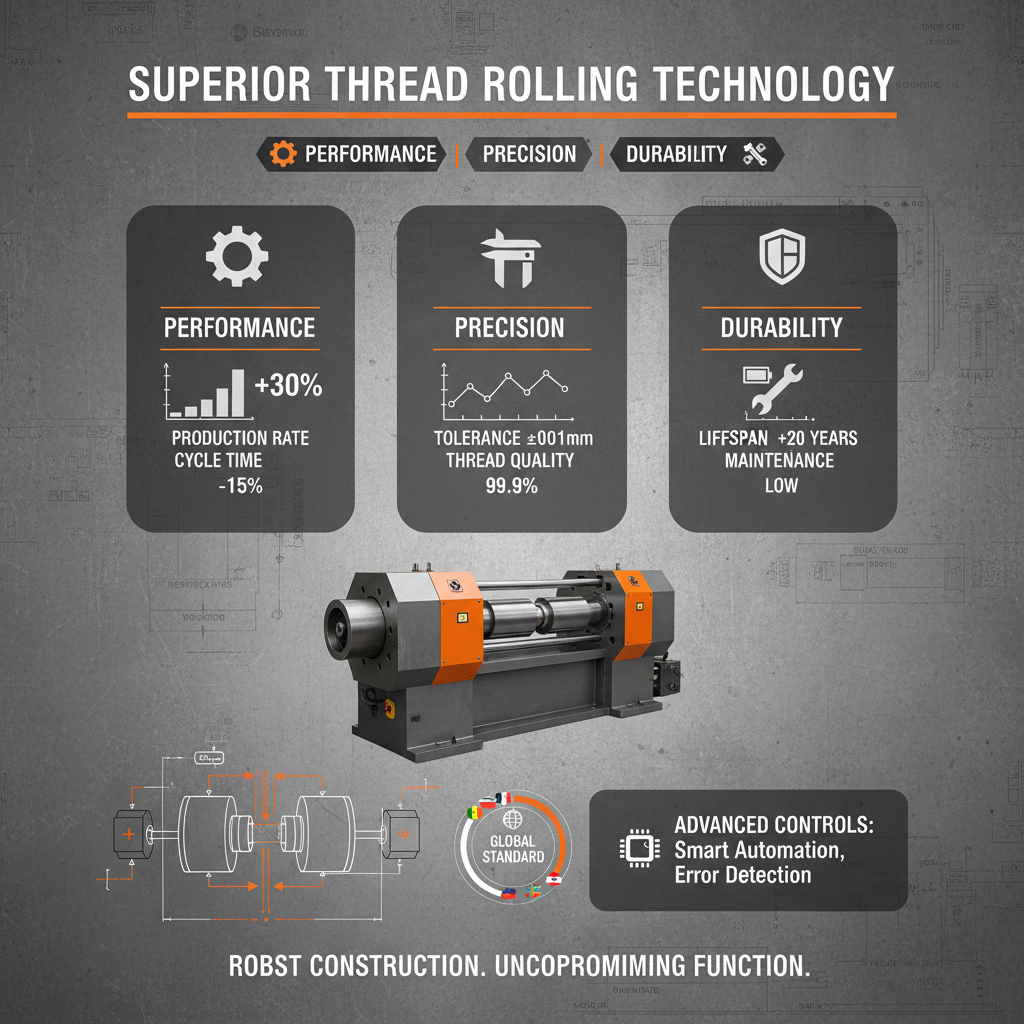
Durability is a cornerstone of a best thread rolling machine. High-quality construction using hardened steel and robust components ensures long-term reliability and minimizes downtime. The machine should be built to withstand the rigors of continuous operation in a demanding industrial environment.
Precision is equally critical. A superior machine features tight tolerances, advanced control systems, and accurate die alignment to consistently produce threads that meet or exceed industry standards. This level of precision is essential for applications where thread integrity is paramount.
Versatility is another key feature. The best thread rolling machine should be adaptable to a wide range of workpiece sizes, materials, and thread types. Quick changeover capabilities and flexible tooling options are essential for accommodating diverse production requirements.
Global Applications of Thread Rolling Technology
Thread rolling technology is integral to numerous industries worldwide. In the automotive sector, it's used extensively for manufacturing fasteners, engine components, and transmission parts. The aerospace industry relies on thread rolling for producing high-strength, reliable fasteners critical for aircraft safety.
The construction industry utilizes thread rolled fasteners in structural steel connections, bridges, and other infrastructure projects. Medical device manufacturers employ thread rolling for creating precise threads on surgical instruments and implants. From large-scale infrastructure to intricate medical applications, the benefits of this technology are far-reaching.
In remote industrial zones of Southeast Asia and across the manufacturing hubs of Europe, companies are increasingly adopting advanced thread rolling machines to enhance their production capabilities. Even in post-disaster relief operations, the ability to quickly manufacture replacement parts with durable threads is invaluable, demonstrating the versatility of this technology.
Comparison of Different best thread rolling machine Methods
Advantages and Long-Term Value
The tangible benefits of investing in a best thread rolling machine are substantial. Reduced material waste translates directly into cost savings, while faster cycle times increase production output. The enhanced strength and durability of rolled threads minimize the risk of failures and warranty claims.
Beyond the immediate cost benefits, a superior machine offers long-term value through increased reliability, reduced maintenance requirements, and extended operational life. This contributes to a more sustainable manufacturing process and enhances the overall profitability of the business.
Future Trends in Thread Rolling
The future of thread rolling is intertwined with advancements in automation, digitalization, and sustainability. Expect to see increased integration of AI-powered monitoring systems that predict potential failures and optimize machine performance. Digital twins will become commonplace, allowing manufacturers to simulate and refine their threading processes virtually.
The demand for eco-friendly manufacturing practices will drive the development of more energy-efficient machines and the use of sustainable materials. Further research into new die coatings and thread rolling techniques will enable the creation of even stronger and more durable threads, expanding the application possibilities of this technology.
Challenges and Innovative Solutions
One of the primary challenges in thread rolling is achieving consistent quality when working with difficult-to-form materials. Innovative solutions involve advanced die designs, optimized lubrication systems, and precise control of rolling parameters.
Another challenge lies in minimizing noise and vibration during the rolling process. Manufacturers are addressing this through the use of sound-dampening materials, improved machine construction, and advanced vibration control technologies.
The integration of Industry 4.0 technologies, such as real-time data analytics and predictive maintenance, is also helping manufacturers overcome challenges related to machine downtime and operational efficiency. Ultimately, the best thread rolling machine will incorporate these advancements.
Summary of Key Challenges and Solutions in Thread Rolling
| Challenge |
Material Difficulty |
Noise & Vibration |
Operational Efficiency |
| Inconsistent Thread Quality |
High Alloy Steels |
Machine Resonance |
Unexpected Downtime |
| Die Wear |
Titanium Alloys |
Insufficient Damping |
Suboptimal Cycle Times |
| Surface Finish Issues |
Hardened Materials |
Improper Machine Mounting |
Lack of Real-time Monitoring |
| Dimensional Accuracy |
Exotic Metals |
Die Impact Forces |
Manual Adjustments |
| Process Instability |
Workpiece Variations |
Lubrication Problems |
Inadequate Tooling |
| Production Bottlenecks |
Complex Geometries |
Machine Rigidity |
Limited Automation |
FAQS
Thread rolling offers several advantages over thread cutting, including increased thread strength due to work hardening, improved fatigue resistance, and reduced material waste. Because it forms the thread instead of removing material, it is also typically faster and more cost-effective, making it a preferred method for high-volume production. A best thread rolling machine will maximize these benefits.
Thread rolling is effectively applied to a wide range of materials, including carbon steels, alloy steels, stainless steels, aluminum alloys, and even some plastics. However, materials with high hardness or low ductility can pose challenges and may require specialized tooling or process parameters. Careful material selection and die design are crucial for optimal results.
Tooling replacement frequency depends on several factors, including the material being rolled, the production volume, and the quality of the dies. High-quality dies made from hardened steel can last for millions of cycles. Regular inspection and maintenance of the dies are essential to identify wear and prevent defects. A well-maintained best thread rolling machine will have long die life.
Cycle time varies significantly based on the workpiece size, thread pitch, machine type, and level of automation. Generally, thread rolling is a relatively fast process, with cycle times ranging from a few seconds to several minutes per part. Advanced machines with automated loading and unloading systems can achieve significantly faster cycle times.
Lubrication is critical for reducing friction, minimizing tool wear, and improving surface finish. The type of lubricant used depends on the material being rolled and the process parameters. Proper lubrication ensures consistent thread quality and extends the life of the dies. It is a vital component for a best thread rolling machine.
Key considerations include workpiece size, production volume, thread specifications, material type, and budget. It’s also important to assess the machine’s precision, versatility, automation capabilities, and after-sales support. Choosing a reputable manufacturer with a proven track record is essential for ensuring long-term reliability and performance.
Conclusion
In conclusion, the best thread rolling machine represents a significant investment in manufacturing efficiency, quality, and sustainability. Its ability to produce stronger, more durable threads while minimizing material waste and reducing production costs makes it an indispensable tool for a wide range of industries. The continued advancement of this technology promises even greater benefits in the years to come.
As manufacturers navigate an increasingly competitive global landscape, embracing innovative solutions like advanced thread rolling technology is crucial for maintaining a competitive edge. We encourage you to explore the possibilities and discover how the right machine can transform your production processes and drive long-term success. Visit our website at www.motetools.com to learn more and explore our comprehensive range of thread rolling solutions.