When sourcing machinery for precision metal forming, the balance between initial acquisition cost and long-term operational precision is often the primary challenge for procurement managers. Searching for a discount thread rolling tool usually indicates a need to optimize capital expenditure without sacrificing the structural integrity of the produced threads. However, in the context of industrial metalworking, a "discount" should not imply a reduction in quality, but rather an optimization of manufacturing efficiency and supply chain logistics.
The technical requirements for engineering threads—such as those used in scaffolding, automotive components, and heavy mechanical parts—demand high gloss and strict machining precision. This is where the synergy between a cost-effective tooling strategy and high-performance machinery, like the 2-Axis Thread Rolling Machine, becomes critical. Utilizing an intelligent control panel and optimized machining paths allows operators to achieve high-precision results while minimizing material waste and energy consumption.
Understanding the intersection of tool cost, machine capability, and final part quality is essential for maintaining a competitive edge in the metal processing industry. This guide analyzes how to identify value-driven tooling options and how integrating them with the discount thread rolling tool strategy can enhance overall production ROI. We will explore the technical specifications and operational factors that ensure low-cost machinery still delivers industrial-grade output.


Thread rolling is a cold-forming process that displaces metal to create threads, rather than cutting material away. This fundamental difference ensures that the grain flow of the metal remains intact, significantly increasing the fatigue strength and durability of the fastener. By compressing the material, the process naturally produces a higher surface gloss and tighter tolerances compared to traditional lathe cutting.
The efficiency of this process depends on the synchronization between the machine's axes and the tool's geometry. In systems like the ZA28 Series Thread Rolling Machine, the precise application of pressure ensures that the workpiece is deformed uniformly. This reduces the internal stress of the part and eliminates the burrs often associated with cutting tools, thereby reducing the need for secondary finishing operations.
Tool wear is the most significant operational cost in thread rolling. The durability of the tool is primarily dictated by the hardness of the workpiece material and the lubrication efficiency during the rolling cycle. Using high-grade alloys for the dies prevents premature deformation, while consistent lubrication reduces frictional heat, which otherwise leads to thermal cracking and surface pitting of the tool.
Precision alignment is the most critical variable; even a minor deviation in the 2-axis synchronization can lead to uneven pressure distribution, causing localized tool failure and reducing the overall lifecycle of the equipment by up to 40%.
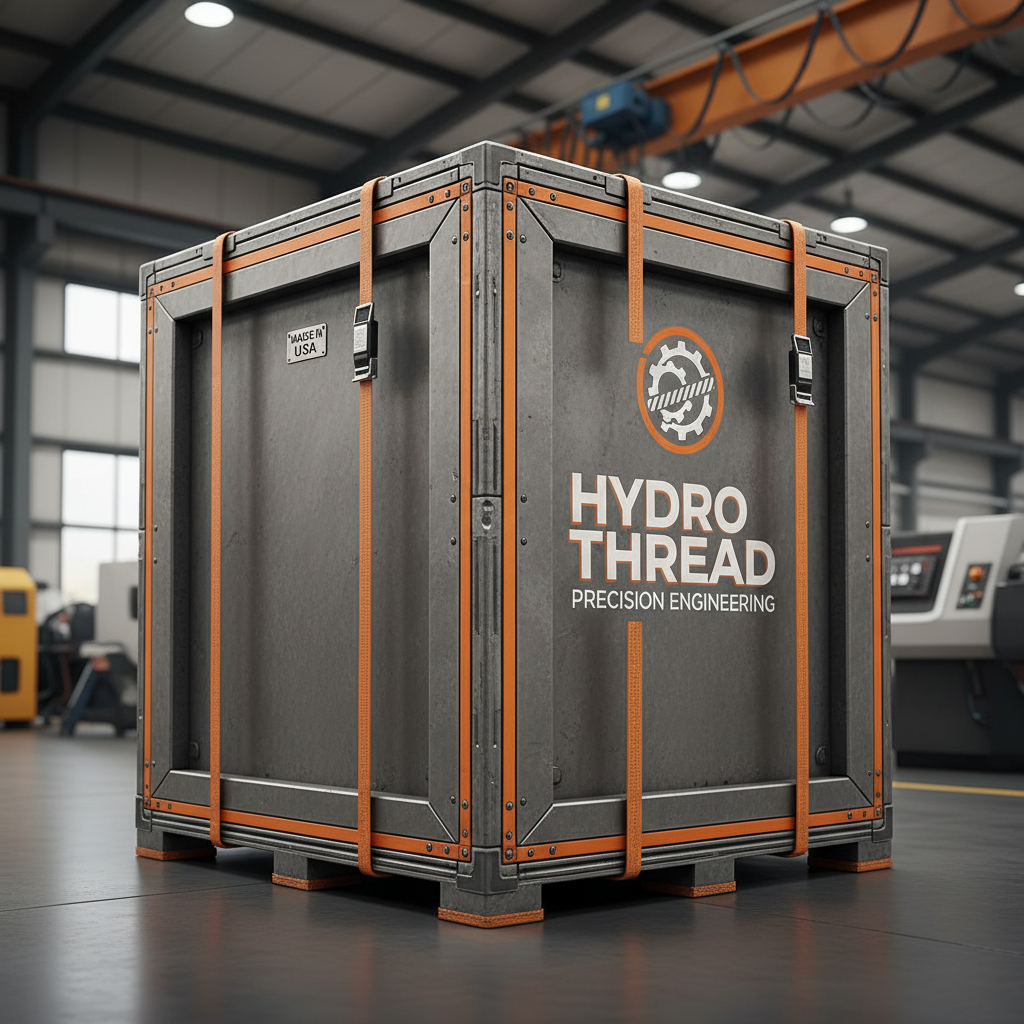
Furthermore, the operational environment plays a vital role. Dust and metallic particles can act as abrasives between the tool and the workpiece. Implementing a stable packaging and shipping protocol, as seen with plywood and plastic film protection, ensures that the machinery arrives in optimal condition, preventing installation errors that could lead to premature tool wear during the first production run.
Modern thread rolling has transitioned from purely manual adjustments to intelligent control panels. These systems allow for rapid setup changes and precise control over the feed rate and pressure. For manufacturers producing a variety of engineering threads, this flexibility reduces downtime and minimizes the risk of operator error during the machining of complex auto parts or scaffolding components.
The ability to customize specifications based on specific industrial needs means that the machine can be tuned for either maximum speed or maximum precision. This versatility ensures that the equipment remains viable as production requirements evolve, providing a longer technological lifecycle and a better return on investment for the facility.
The application of thread rolling is most evident in sectors requiring high-strength fasteners. In the construction industry, scaffolding threads must withstand immense loads and environmental corrosion; the cold-forming process ensures these threads have the necessary density and surface hardness. Similarly, in the automotive sector, the precision and high gloss of rolled threads are essential for critical engine and chassis components where vibration resistance is paramount.
Beyond these, mechanical parts for heavy machinery utilize rolled threads to ensure long-term reliability under cyclic loading. Because the process can be customized for different diameters and pitches, it serves as a universal solution for any industry where the structural integrity of the thread is more important than the speed of a rough-cut process.
The industry is moving toward higher levels of automation and integration. The shift from simple mechanical linkages to electronically synchronized axes has allowed for tighter tolerances and the ability to handle a wider range of materials, from soft aluminum to hardened steel. This evolution reduces the reliance on highly skilled manual labor and shifts the focus toward system optimization.
We are also seeing an increase in the demand for customized machine specifications. Rather than using "one-size-fits-all" equipment, factories are opting for tailored solutions that match their specific production volume and part geometry. This trend reduces energy waste and improves the consistency of the output across large batches.
Future developments are likely to include more advanced sensor integration, enabling real-time tool wear monitoring. This will allow for predictive maintenance, where tools are replaced exactly when needed, further reducing the total cost of ownership and eliminating unexpected production halts.
Integrating new machinery into an existing production line often presents challenges in terms of workflow and technical compatibility. The most common issue is the mismatch between the machine's output speed and the subsequent assembly or quality control stages. Solving this requires a holistic view of the production chain rather than focusing solely on the machine's individual capacity.
Another significant hurdle is the initial calibration process. Improper setup of the rolling dies can lead to inconsistent thread profiles. Utilizing professional technical consultation and after-sales service, especially from experienced manufacturers in standard parts production bases, can drastically reduce the commissioning time and prevent early-stage waste.
Finally, managing the logistics of heavy machinery requires a robust shipping strategy. Using fumigation-free, stable plywood packaging is not just about protection, but about ensuring smooth customs clearance and immediate operational readiness upon arrival, which is critical for maintaining tight project timelines.
| Metric | Thread Rolling | Thread Cutting | Thread Milling |
|---|---|---|---|
| Material Waste | Near Zero | High (Chips) | Moderate |
| Surface Finish | High Gloss | Matte/Rough | Smooth |
| Part Strength | Enhanced (Grain) | Reduced | Standard |
| Production Speed | Very High | Moderate | Low/Medium |
| Tool Wear Rate | Low (Cold Form) | High (Friction) | Moderate |
| Setup Complexity | Moderate | Low | High |
The primary advantage is the improvement in structural integrity. Thread rolling displaces the metal rather than removing it, which preserves the grain flow of the material and increases the fatigue strength of the thread. Additionally, it produces a much higher surface gloss and eliminates the need for deburring, making it faster and more sustainable for high-volume production.
An intelligent control panel allows for the precise synchronization of the machine's axes and the exact regulation of pressure applied during the rolling process. This reduces human error during setup and allows for rapid, repeatable adjustments. By controlling the feed rate electronically, the machine can maintain consistent tolerances across thousands of parts, ensuring high machining precision.
Industries that produce high-load fasteners benefit the most. This includes construction (for scaffolding and anchor bolts), automotive (for engine and chassis bolts), and general mechanical engineering. Any application where the thread must withstand high stress, vibration, or corrosion is an ideal use case for the high-density threads produced by these machines.
Yes, specifications can typically be customized to meet specific production requirements. This may include adjustments to the axis range, the type of control system, or the capacity of the motor. Customization ensures that the machine is perfectly aligned with the specific diameter and pitch of the threads being produced, maximizing efficiency and tool life.
Professional packaging involves three main layers: stable plywood crates to protect against mechanical impact during transit, wound plastic film to prevent moisture-induced corrosion, and fumigation-free treatment to ensure smooth customs clearance. This comprehensive approach prevents damage and ensures the machine is operational immediately upon installation at the destination.
The most effective method is the combination of high-quality lubrication and precise machine alignment. Proper lubrication reduces the friction and heat that lead to tool degradation. Simultaneously, ensuring the axes are perfectly synchronized prevents uneven pressure distribution, which is the leading cause of premature tool failure. Regular calibration is essential for maintaining this balance.
Achieving a cost-effective production line in metal processing requires more than just finding a discount thread rolling tool; it necessitates an integrated approach to machinery and tooling. By leveraging the cold-forming advantages of the 2-Axis Thread Rolling Machine and utilizing intelligent control systems, manufacturers can significantly lower their per-part cost while improving the fatigue strength and surface quality of their fasteners. The focus must remain on the total lifecycle value—balancing the initial investment with operational durability and machining precision.
For companies looking to optimize their metalworking capabilities, partnering with an experienced manufacturer that offers customizable specifications and comprehensive after-sales support is the most reliable path to success. Whether producing for the automotive, construction, or general machinery sectors, the right combination of technology and professional service ensures long-term competitiveness. For more technical details on professional thread rolling solutions, you are invited to explore the resources available at https://www.motetools.com.