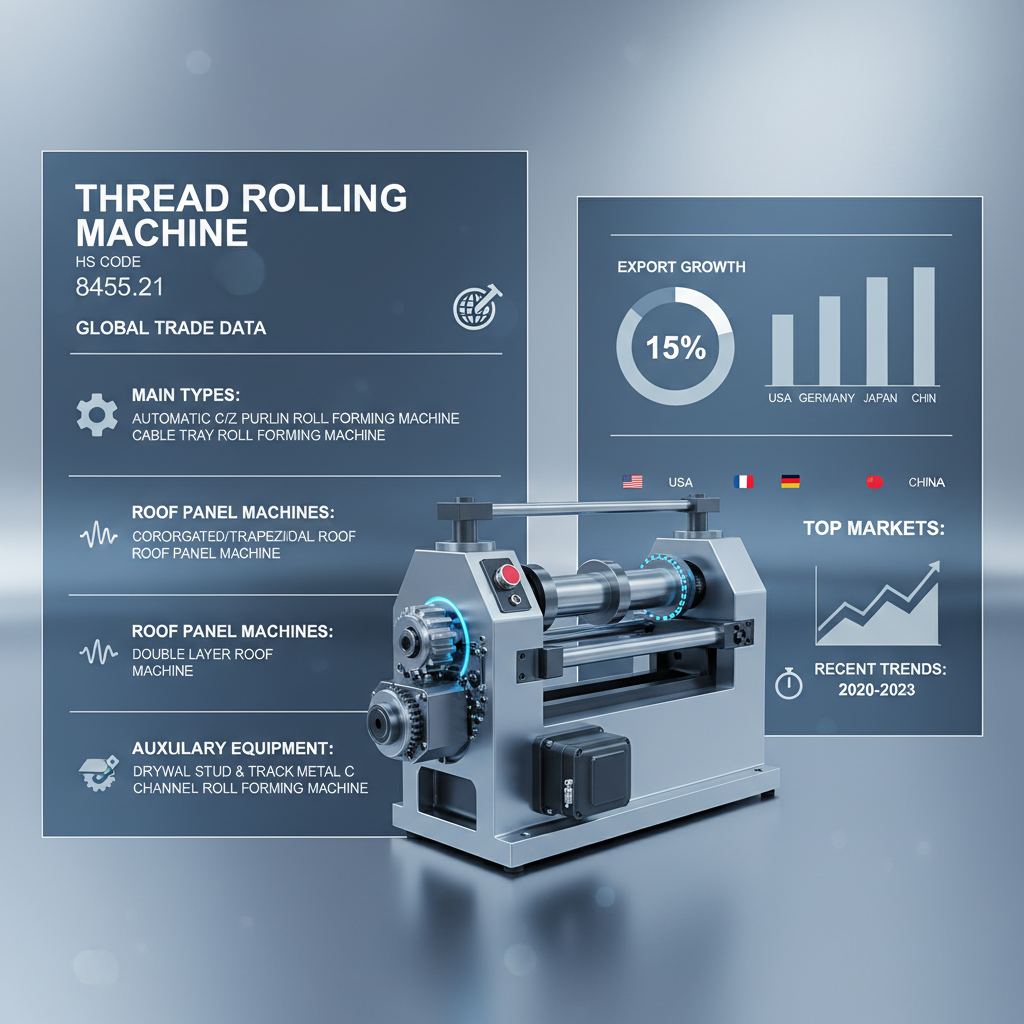
A discount rebar thread rolling machine is a specialized industrial tool designed to create precise threads on reinforcing bars (rebar) through a cold-forming process. Unlike traditional cutting methods, thread rolling compresses the metal, enhancing the structural integrity of the bar while ensuring a high-quality finish suitable for construction and infrastructure projects.
In the modern construction landscape, achieving a balance between cost-efficiency and structural safety is a critical challenge for contractors. Many procurement teams struggle with the high cost of high-precision machinery, often compromising on speed or accuracy. This creates a need for reliable, cost-effective rolling solutions that do not sacrifice the technical specifications required by international building codes.
This article provides a comprehensive analysis of thread rolling technology, specifically focusing on the ZA28 series and similar high-performance models. Readers will learn how to evaluate machine specifications, understand the impact of cold-forming on material strength, and identify the key factors that influence the ROI of investing in a high-efficiency thread rolling system.

1Fundamental Mechanics of Rebar Thread Rolling

Thread rolling is a precision forging process where the threads are formed by displacing the metal rather than removing it. When a rebar is pressed between two hardened steel dies, the pressure forces the material to flow into the grooves of the die, creating a thread with superior strength compared to cut threads. This process is essential for high-stress environments where joint failure is not an option.
The mechanical advantage of this system lies in its ability to maintain the original cross-sectional area of the bar. Because no material is lost, the load-bearing capacity of the rebar is preserved, making it the preferred choice for seismic-resistant buildings and heavy-duty bridge supports.
For industrial operators, the transition to automated rolling machines means a reduction in waste and a massive increase in throughput. By utilizing intelligent control panels and high-precision servo motors, the process becomes repeatable and consistent across thousands of units.
2Core Technical Features of ZA28 Series
The ZA28 series represents a significant leap in metal processing efficiency. These machines utilize an intelligent control panel combined with manual override buttons, allowing operators to optimize the workflow without requiring an extensive engineering background. The integration of high-performance servo motors ensures that the rolling pressure is applied uniformly across the entire workpart.
Versatility is a hallmark of this equipment. By replacing the rolling wheels, the machine can adapt to different thread pitches and diameters, which reduces the need for multiple specialized machines on the factory floor. This flexibility is crucial for shops handling custom architectural orders.
Furthermore, the focus on stability is evident in the machine's chassis design. High-rigidity frames prevent vibration during high-speed operations, which is essential for maintaining the dimensional tolerance of the threads. This level of precision ensures that the finished rebar fits perfectly into matching couplers.
3Practical Applications in Modern Infrastructure
The use of thread rolling machines is most prominent in large-scale infrastructure projects where mechanical splicing is required. In high-rise construction, traditional lap splicing takes up too much space and increases concrete volume. Threaded rebar allows for direct connection via couplers, creating a more compact and stronger joint.
Beyond skyscrapers, these machines are indispensable for bridge construction and tunnel lining. In these scenarios, the rebar is often subjected to extreme tension and vibration. The rolled threads provide a higher shear strength and a tighter fit, which are critical for the long-term safety of the structure.
Additionally, the ability to produce threads on-site or in nearby fabrication shops reduces logistics costs and lead times. With a compact footprint, the ZA28 series can be deployed in regional processing hubs to support localized construction efforts efficiently.
4Operational Performance and Efficiency Metrics
Evaluating the performance of a rebar thread rolling machine requires looking at several key metrics: cycle time, dimensional accuracy, and energy consumption. The shift from manual to servo-driven systems has drastically reduced the cycle time per bar, allowing for high-volume production without increasing labor costs.
Accuracy is measured by the deviation from the standard thread profile. High-precision machines ensure that the pitch and depth of the thread are consistent, which prevents "cross-threading" during the assembly phase on the construction site.
discount rebar thread rolling machine Performance Metrics
As shown in the performance data, machines equipped with intelligent control and servo motors outperform industry averages in terms of precision and cost-efficiency. The reduced manpower requirement—thanks to the simplified control interface—allows for a lower operational cost per unit produced.
5Procurement Guide and Selection Criteria
When selecting a thread rolling machine, procurement teams must prioritize the match between machine capacity and project volume. A 2-axis machine is typically sufficient for standard rebar, while 3-axis machines may be required for more complex threading or larger diameters. Evaluating the servo motor's precision is key to ensuring long-term quality.
Another critical factor is the availability of replacement dies and rolling wheels. Since these are wear parts, a supplier with a robust stock of 300+ models and a professional after-sales service department is essential to avoid costly downtime during peak project phases.
Finally, consider the total cost of ownership (TCO). While a "discount" machine may have a lower initial price, the real value lies in the energy efficiency, ease of maintenance, and the speed of output. High-efficiency machines pay for themselves faster through increased productivity.
6Maintenance and Long-term Operational Risks
To maintain high precision, thread rolling machines require a strict lubrication schedule. The high pressure exerted during the rolling process generates heat and friction, which can lead to premature die wear if the lubrication system fails. Regular inspection of the servo motor's alignment is also necessary.
Operational risks often stem from the use of incorrect raw materials. If the rebar grade is too hard for the specific die set, it can lead to die cracking or machine overload. Operators must verify the material specifications before beginning a production run.
Proper packaging and shipping are also vital for the machine's initial health. Using stable plywood and moisture-resistant plastic film prevents corrosion and mechanical shocks during transit, ensuring the machine arrives in factory-calibrated condition.
7Comparative Analysis: Cold Rolling vs. Cutting
The debate between rolling and cutting threads comes down to structural integrity versus simplicity. Cutting threads involves removing material, which creates a "neck" in the rebar, effectively reducing its diameter at the most critical point of the joint.
Cold rolling, however, displaces the material. This not only maintains the diameter but actually strengthens the metal through compression. This makes the rolled thread significantly more resistant to fatigue and high-tension loads.
| Feature | Cold Rolling (ZA28) | Thread Cutting | Impact on Strength |
|---|---|---|---|
| Material Loss | Zero (Displacement) | Significant (Removal) | Higher in Rolling |
| Joint Strength | Excellent | Moderate | Rolling is Superior |
| Production Speed | Very High | Low to Moderate | Higher Efficiency |
| Surface Finish | Smooth/Compressed | Rough/Cut | Better Fatigue Life |
| Initial Cost | Higher Investment | Lower Investment | Rolling has better ROI |
| Precision | High (Servo-driven) | Variable | More Consistent |
In conclusion, while cutting may be suitable for low-stress applications, cold rolling is the only viable option for modern, high-standard construction projects. The investment in a high-quality rolling machine is justified by the increased safety and efficiency it brings to the project.
Frequently Asked Questions
Conclusion
Investing in a high-quality discount rebar thread rolling machine, such as the ZA28 series, allows construction and fabrication businesses to achieve a critical balance between operational cost and structural safety. By leveraging cold-forming technology, operators can produce high-strength threaded joints that far exceed the performance of traditional cutting methods, ensuring that infrastructure projects meet the most stringent safety codes.
For procurement teams and engineers evaluating suitable solutions for their next project, reviewing the detailed specifications and available models at www.motetools.com can help in making an informed decision that optimizes both production speed and long-term reliability.