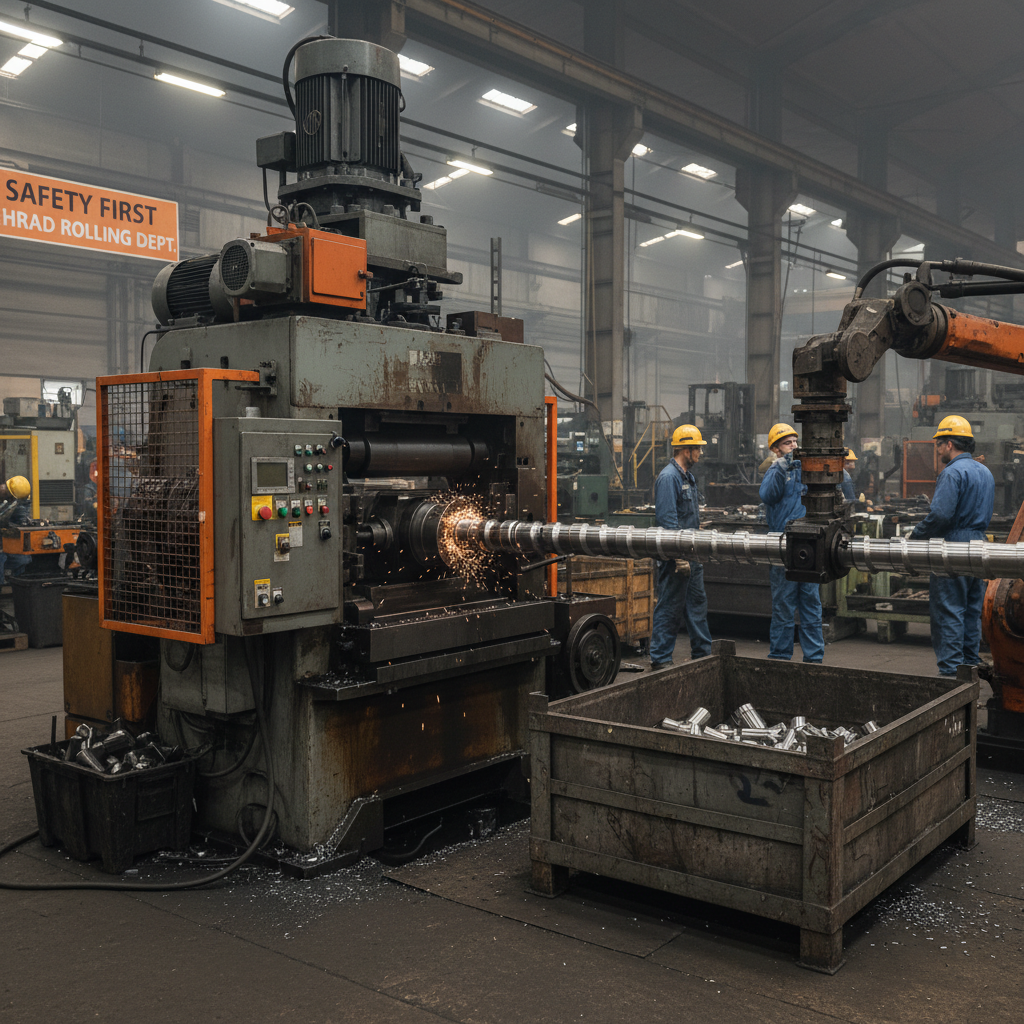
Procuring industrial machinery often presents a tension between upfront expenditure and long-term operational reliability. For workshops specializing in fastener production and metal forming, understanding the factors that influence a high quality roll thread machine price is essential for calculating a realistic return on investment.
Unlike cutting methods, thread rolling displaces metal to create threads, resulting in superior grain flow and higher tensile strength. However, the cost of the equipment varies significantly based on the axis configuration, the grade of electrical components, and the structural materials used in the machine frame.
This guide examines the technical drivers of pricing for roll threading equipment, contrasting entry-level models with professional-grade series like the ZA28, to help procurement managers make informed capital expenditure decisions.

Analyzing the Core Cost Drivers of Thread Rolling Equipment

The price of a thread rolling machine is not merely a reflection of its size, but a summation of its precision engineering and material durability. High-quality machines typically integrate variable frequency speed regulation, allowing operators to fine-tune the rolling process for different alloys and thread pitches, which adds a layer of electronic complexity and cost.
A critical factor often overlooked is the frame material. The use of ductile iron instead of standard cast iron enhances the machine's tensile force and resistance to deformation. This ensures that under high-pressure rolling cycles, the machine maintains its alignment, reducing the frequency of costly recalibrations and extending the overall service life.
Furthermore, the integration of international first-line electrical brands, such as Siemens and Schneider, increases the initial investment but significantly lowers the risk of downtime. These components provide stable power delivery and precise control, which are non-negotiable for high-volume industrial production environments.
Technical Specifications That Justify Premium Pricing
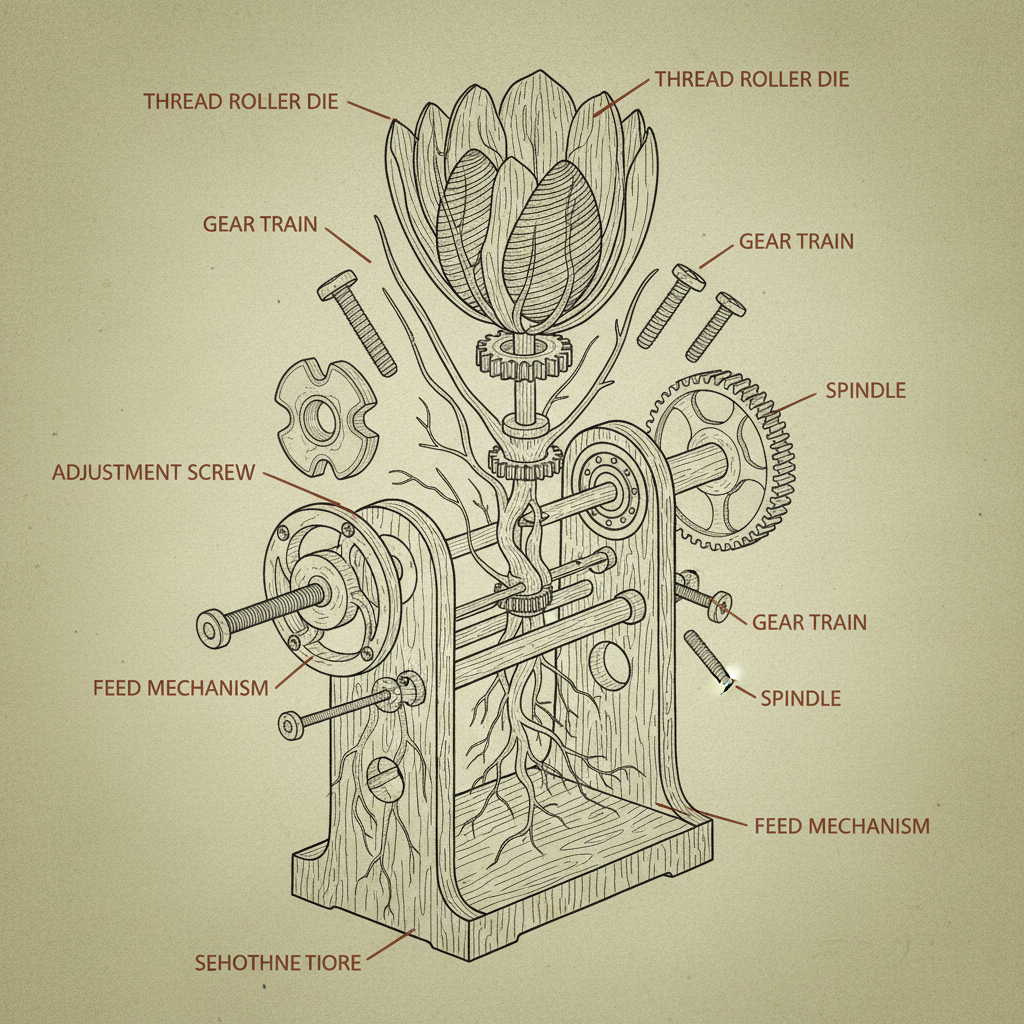
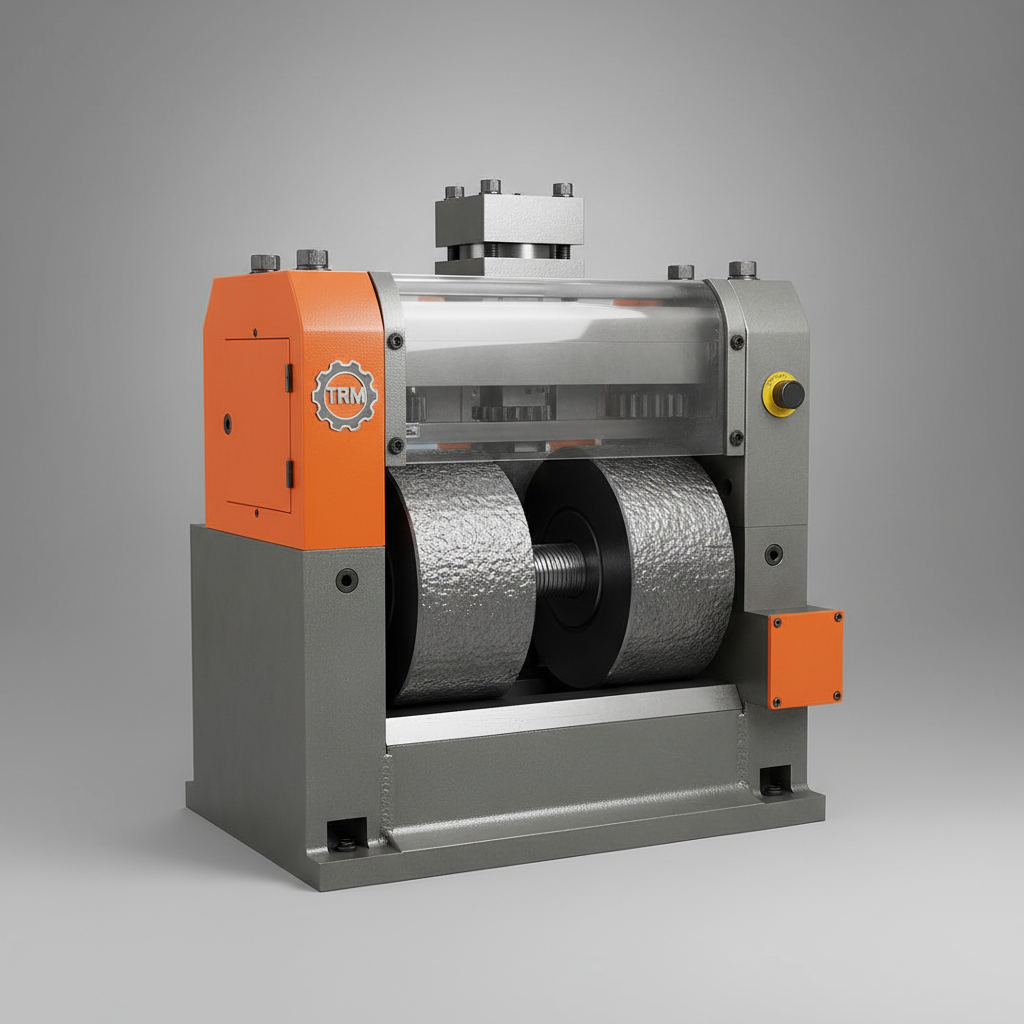
When evaluating the ZA28 Series or similar 2-axis machines, the value proposition lies in the precision of the bearing systems and the stability of the drive train. The adoption of P-class high-quality bearings ensures minimal friction and maximum concentricity, which is vital for achieving tight tolerances in thread diameter and pitch.
The 2-axis configuration is particularly valued for its balance of simplicity and efficiency. By optimizing the synchronization between the rolling dies, these machines can produce threads with high consistency across thousands of units, reducing the scrap rate and improving the overall cost-per-part.
Additionally, professional-grade machines prioritize the metallurgy of the rolling dies and the stability of the chassis. A machine that resists cracking under extreme pressure is inherently more valuable than a cheaper alternative that may fail during a peak production run, leading to catastrophic project delays.
Industrial Applications and Material Compatibility Scenarios
Roll threading is predominantly utilized in industries where mechanical strength is paramount. Because the process cold-forms the metal, it increases the hardness of the thread, making it ideal for automotive fasteners, aerospace bolts, and heavy-duty construction anchors.
In the context of hollow grouting anchor production lines, the precision of the threading process determines the load-bearing capacity of the final installation. Using high-precision machinery ensures that the anchor threads engage perfectly with the grout and nut, preventing structural failures in civil engineering projects.
The versatility of these machines also extends to diameter reducing and hoop bending processes. By integrating multiple forming capabilities into a single production flow, manufacturers can reduce the number of machine transfers, thereby lowering the risk of part damage and increasing the throughput of the facility.
Quantifying Production Efficiency and Equipment Performance
Measuring the impact of high-quality machinery requires looking beyond the hourly output. Key performance indicators (KPIs) include the precision stability over a 24-hour shift, the energy consumption per thousand threads, and the mean time between failures (MTBF).
When comparing standard equipment to professional-grade systems, the difference is most apparent in the "Quality Yield" metric. Higher-end machines maintain a lower variance in thread pitch, meaning fewer parts are rejected during quality control inspections.
high quality roll thread machine price Performance Metrics
The data suggests that while the initial acquisition cost is higher, the reduction in waste and the increase in operational uptime create a crossover point where the high-quality machine becomes the more economical choice within the first 18 to 24 months of operation.
Procurement Strategies for High-Precision Threading Machinery
Successful procurement begins with a detailed analysis of the required thread tolerances and the daily production volume. Buying a machine based solely on the lowest price often leads to "hidden costs," such as frequent replacements of low-grade bearings or unexpected downtime due to electrical surges.
Buyers should verify the certification of the manufacturer, such as ISO 9001, to ensure that the quality control system is standardized. Additionally, investigating the after-sales support infrastructure is critical; a machine is only as good as the technical consultation and spare parts availability provided by the vendor.
When negotiating, prioritize the inclusion of variable frequency drives and high-grade chassis materials. These features are harder to retrofit later and provide the most significant impact on the machine's long-term performance and resale value.
Future Trends in Automated Metal Forming Technology
The metal processing industry is moving toward increased integration of IoT (Internet of Things) and smart monitoring. Future iterations of thread rolling machines may include real-time wear sensors on the rolling dies, alerting operators to replace tools before the product quality drops below threshold.
Automation is also expanding from simple machine operation to full-line integration. We are likely to see a greater prevalence of robotic loading and unloading systems that work in tandem with 2-axis and 3-axis machines to create a fully autonomous production cell, reducing labor costs and human error.
Environmental sustainability is another driving force. New designs are expected to focus on reducing energy consumption through more efficient motor controllers and utilizing biodegradable lubricants that maintain high performance without the environmental footprint of traditional industrial oils.
Comparing Machinery Configurations for Optimal ROI
Selecting the right machine requires matching the technical capacity to the specific business need. A small-scale workshop may find a basic 2-axis machine sufficient, while a large-scale exporter requires the stability and output of a specialized series like the ZA28.
The following table outlines the trade-offs between different equipment grades and their typical application contexts to assist in the final selection process.
| Configuration Tier | Key Component Focus | Primary Use Case | Maintenance Cycle |
|---|---|---|---|
| Entry-Level 2-Axis | Standard Cast Iron | Small Batch/Prototyping | Frequent Calibration |
| Mid-Range Series | Variable Speed Drives | Medium Production Runs | Quarterly Service |
| Professional ZA28 | Ductile Iron + P-Bearings | High-Volume Export | Semi-Annual Service |
| Heavy-Duty 3-Axis | Reinforced Chassis | Specialized Spline/Large Dia | Scheduled Industrial |
| Automated Line | Integrated Robotics | Mass Production/Low Labor | Preventative Digital |
| Custom Precision | Ultra-High Tolerance Dies | Aerospace/Medical Grade | Precision-Based |
Ultimately, the decision should be based on the projected volume of production. For those scaling their operations, investing in high-quality components and a durable frame from the start prevents the need for a premature and costly equipment upgrade.
Frequently Asked Questions
Conclusion
Determining the right investment in roll threading technology requires a shift in perspective from "initial price" to "total cost of ownership." The integration of premium electrical components, high-precision bearings, and a rigid ductile iron frame directly correlates to lower operational risks and higher product yields.
For businesses looking to optimize their metal processing capabilities, reviewing the technical specifications and configurations available at www.motetools.com can provide the necessary data to align machinery procurement with long-term production goals.