Thread rolling equipment is a cornerstone of modern manufacturing, vital for creating strong, precise threaded fasteners and components across a vast spectrum of industries. From automotive and aerospace to construction and electronics, this technology provides a cost-effective and efficient alternative to traditional machining methods like cutting. Understanding the intricacies of thread rolling equipment is increasingly important as demand for high-quality, durable fasteners continues to rise globally.
The global thread rolling market is experiencing significant growth, driven by factors such as increasing infrastructure development in emerging economies and the growing demand for lightweight materials in automotive applications. According to industry reports, the market is projected to reach substantial figures in the coming years, reflecting the indispensable role of thread rolling in modern supply chains. Addressing the challenges of efficient production, material compatibility, and precision are key areas of focus for advancements in this field.
Investing in understanding and optimizing thread rolling equipment isn’t simply about manufacturing; it’s about enabling innovation, reducing material waste, and contributing to more sustainable and reliable infrastructure worldwide. This technology is directly linked to the safety and performance of countless products we rely on daily, solidifying its importance in both industrial and humanitarian contexts.
The Significance of Thread Rolling Equipment
Thread rolling equipment has revolutionized fastener production by offering a superior alternative to traditional machining. Unlike cutting, which removes material, thread rolling forms threads through plastic deformation, resulting in stronger, more durable parts. This process also significantly reduces material waste, contributing to cost savings and environmental sustainability. The demand for this equipment continues to grow as industries prioritize efficiency and quality.
The benefits extend beyond just cost and strength. Thread rolling produces fasteners with a higher fatigue resistance due to the grain flow conforming to the shape of the thread. This is particularly critical in applications where structural integrity is paramount, such as automotive components and aerospace structures. Choosing the right thread rolling equipment is therefore vital for optimizing product performance.
Defining Thread Rolling Equipment
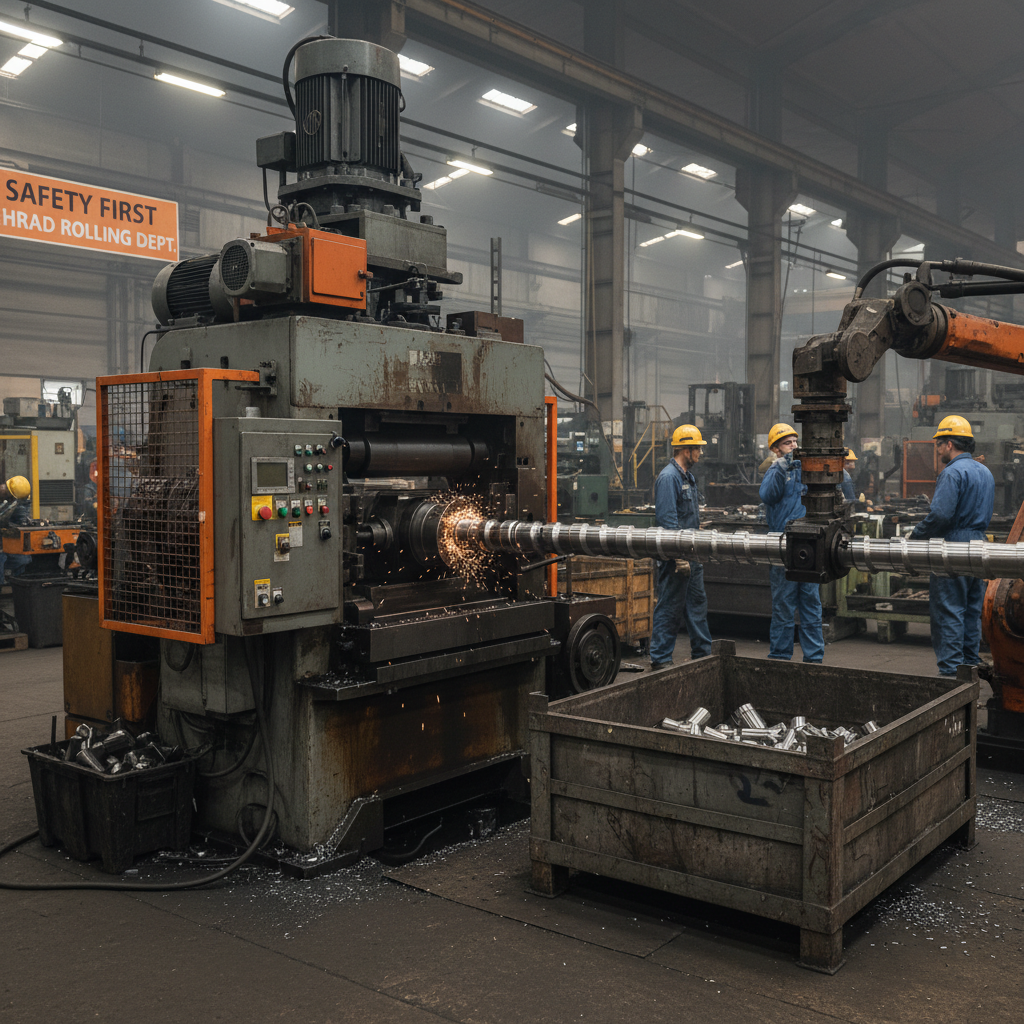
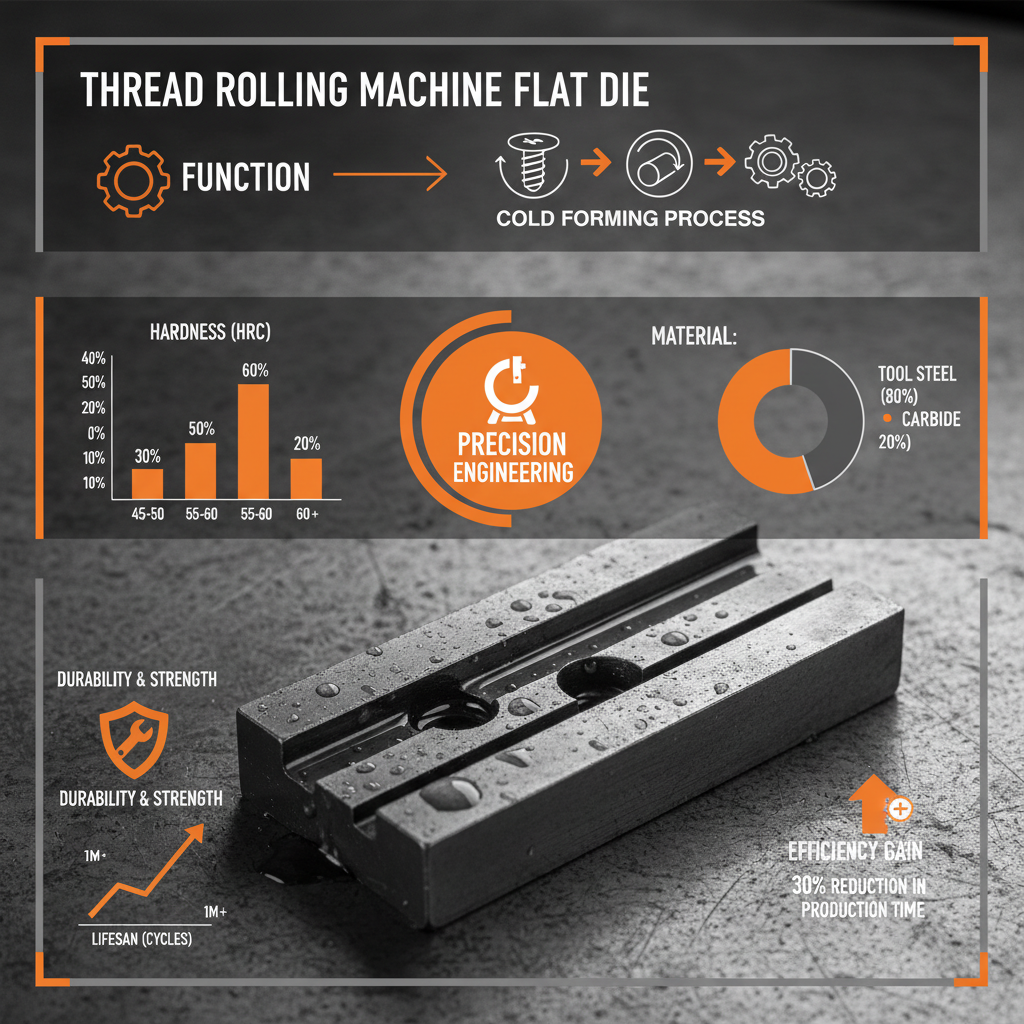
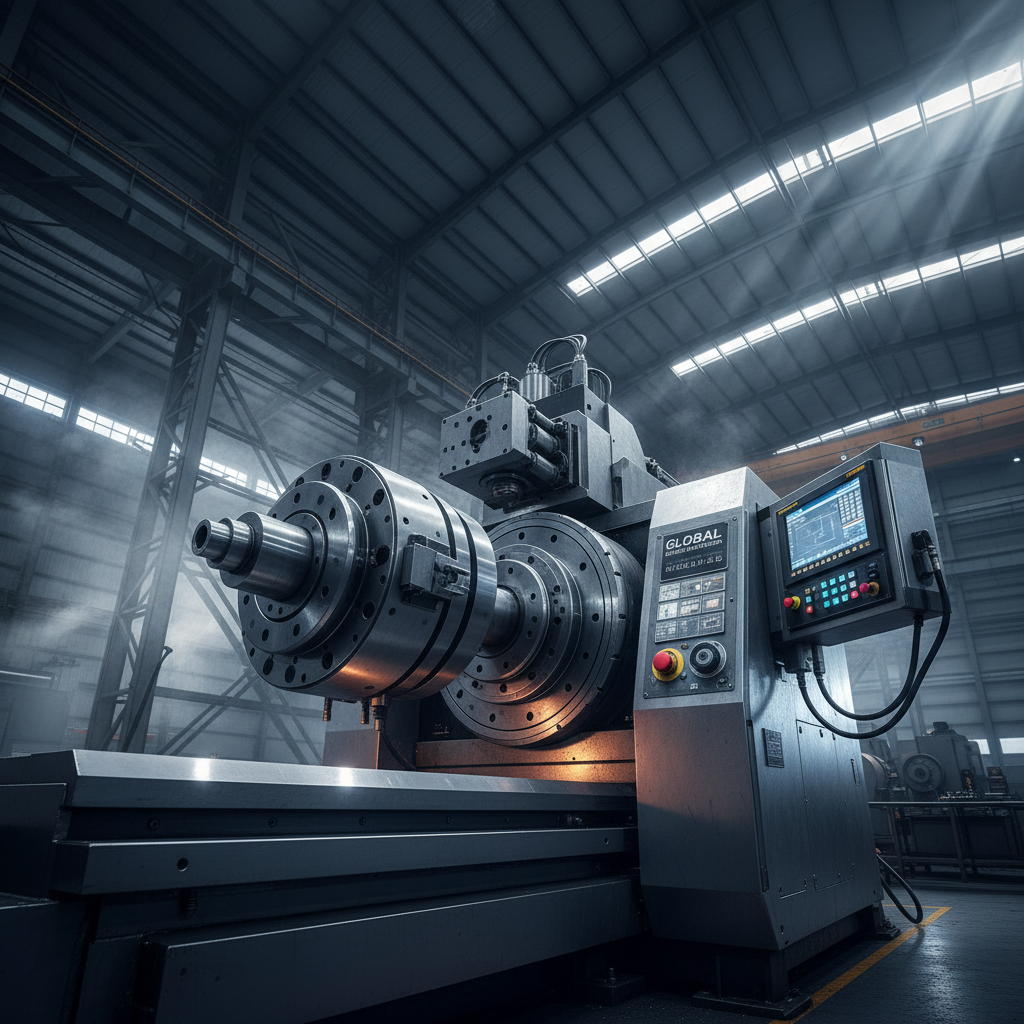
Thread rolling equipment encompasses a range of machines designed to form threads on cylindrical workpieces. These machines typically use dies – hardened steel tools with the reverse thread form – to plastically deform the material, creating a strong and accurate thread. Common types include flat die, cylindrical die, and planetary thread rolling machines, each suited for different production volumes and workpiece sizes.
The process isn't limited to simply creating external threads. Thread rolling equipment can also be used to produce internal threads, often utilizing similar principles of plastic deformation. This versatility makes it a crucial technology for a diverse array of manufacturing operations. The connection to modern industry lies in its ability to deliver high-volume, consistent quality, crucial for assembly lines and mass production.
Beyond industrial applications, this equipment supports humanitarian needs by ensuring the availability of durable fasteners for infrastructure projects in developing regions, disaster relief efforts, and the construction of essential facilities. The reliability and efficiency offered by thread rolling contribute directly to long-term sustainability and safety.
Core Components and Operational Factors
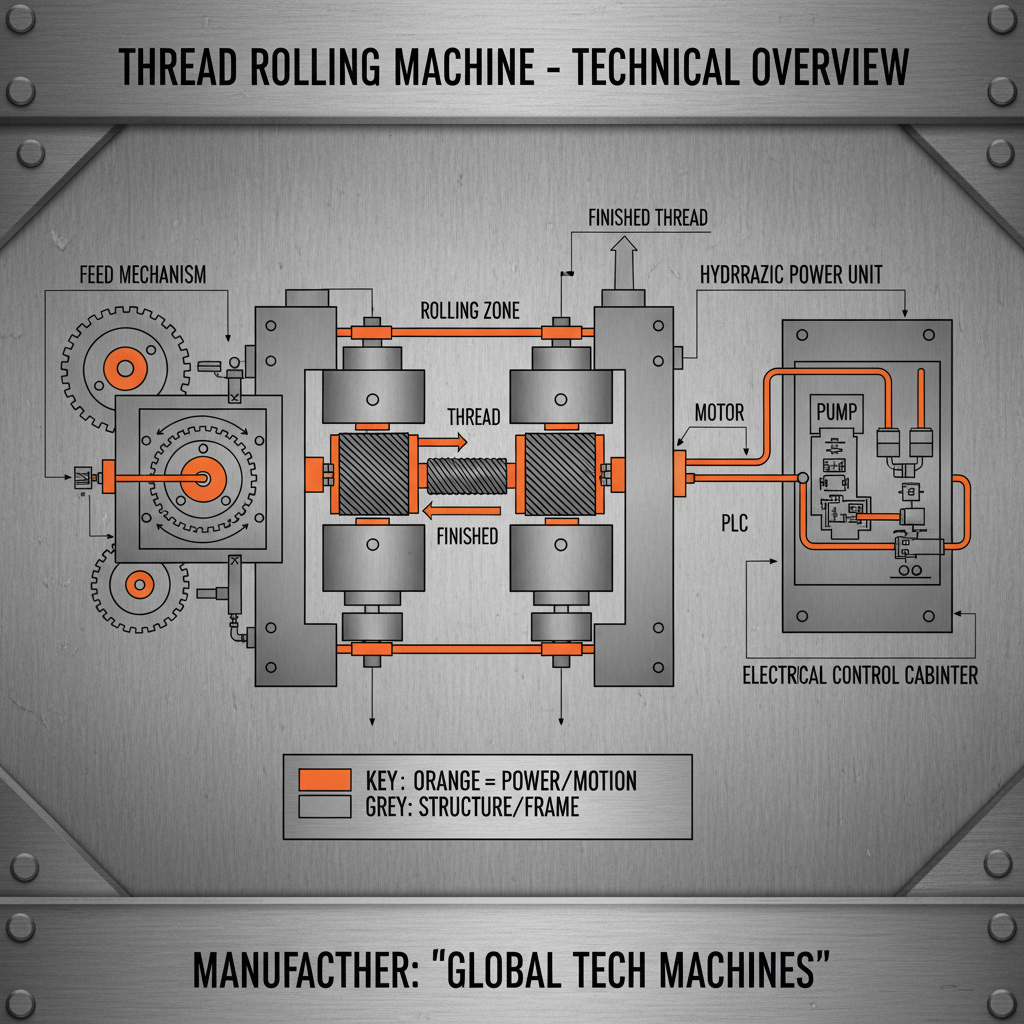
Several key components define the performance of thread rolling equipment. The dies themselves are arguably the most important, requiring precise manufacturing and frequent maintenance to ensure consistent thread quality. Rollers, guides, and the machine’s feeding system are also critical, working in concert to position and advance the workpiece through the rolling process.
Operational factors like lubrication, rolling speed, and force applied play a significant role in achieving optimal results. Insufficient lubrication can lead to die wear and thread defects, while incorrect force can result in material tearing or incomplete thread formation. Precise control over these parameters is essential for maintaining consistent quality and maximizing equipment lifespan.
Material compatibility is another crucial consideration. Different materials require different die designs and rolling parameters to achieve the desired thread form and strength. Understanding the material properties and adapting the process accordingly is vital for successful thread rolling.
Key Performance Indicators of Thread Rolling Equipment
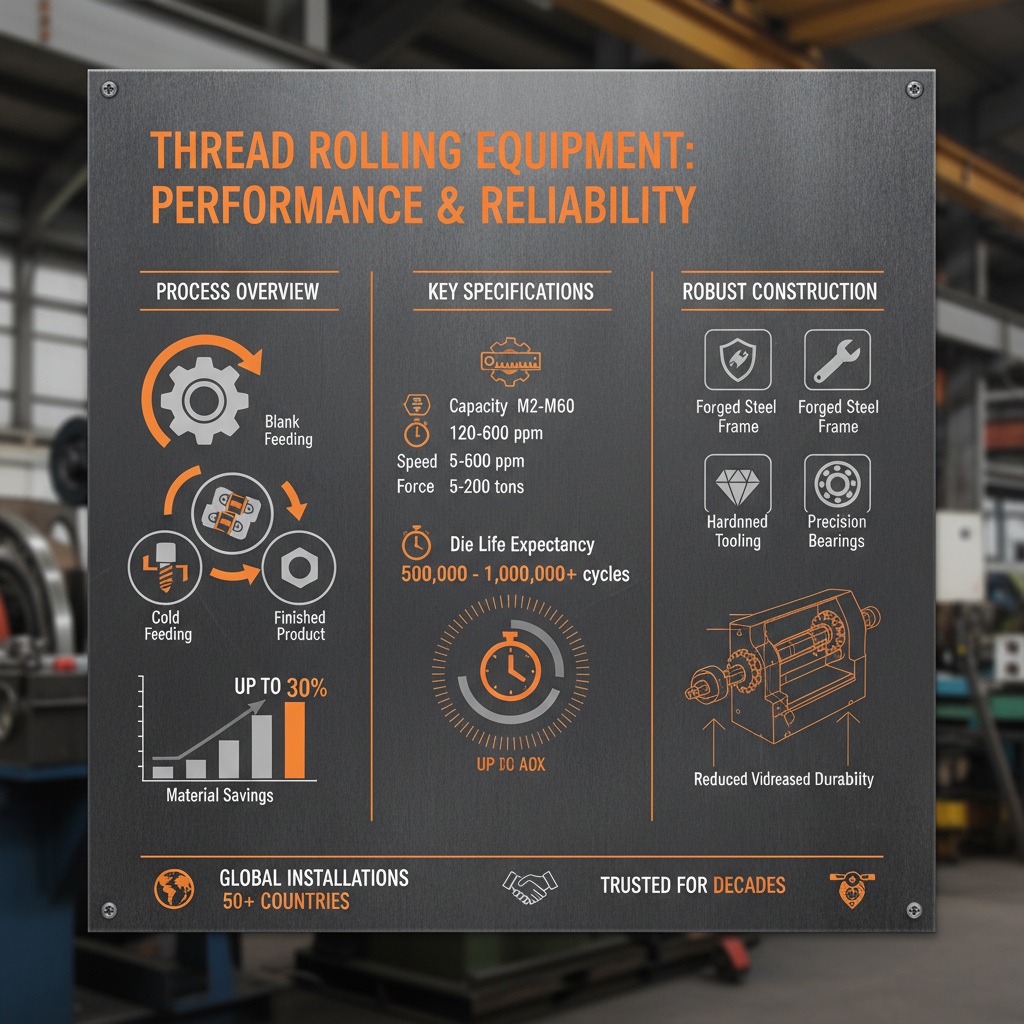
Evaluating the performance of thread rolling equipment requires considering several key indicators. Thread quality – measured by parameters like pitch diameter, lead, and flank angle – is paramount. Production rate, often expressed as parts per hour, is crucial for assessing efficiency and output capacity.
Die life, reflecting the durability and resistance to wear, is a significant cost factor. Minimizing downtime for die changes and maintenance is essential for maximizing productivity. Assessing these KPIs allows manufacturers to optimize their processes and justify investments in new thread rolling equipment.
Thread Rolling Equipment Performance Comparison
Global Applications and Industry Impact
The applications of thread rolling equipment are incredibly diverse. The automotive industry heavily relies on this technology for producing fasteners for engines, chassis, and other critical components. Aerospace utilizes thread rolling for creating lightweight, high-strength fasteners essential for aircraft safety and performance.
In the construction sector, thread rolling equipment is used to manufacture bolts, screws, and other fasteners for structural applications. The electronics industry employs it for creating miniature fasteners for delicate components. In post-disaster relief operations, readily available thread-rolled fasteners are invaluable for constructing temporary shelters and repairing damaged infrastructure.
Advantages and Long-Term Value Proposition
The advantages of using thread rolling equipment are compelling. Reduced material waste translates to significant cost savings and a smaller environmental footprint. Increased thread strength and durability enhance product reliability and longevity. Higher production rates and lower labor costs contribute to improved profitability.
Long-term, investing in high-quality thread rolling equipment builds trust with customers by delivering consistently reliable products. It fosters innovation by enabling the development of new and improved fasteners. And ultimately, it contributes to a more sustainable manufacturing process, reflecting a commitment to environmental responsibility.
The inherent safety and dependability of thread-rolled fasteners also deliver peace of mind – a crucial intangible benefit in critical applications.
Future Trends and Technological Advancements
The future of thread rolling equipment is poised for exciting advancements. Automation and robotics are becoming increasingly integrated into the process, improving efficiency and reducing the need for manual labor. Digitalization, through the use of sensors and data analytics, enables real-time monitoring and optimization of thread rolling parameters.
The development of new materials, such as high-strength alloys and advanced polymers, is driving the need for specialized thread rolling equipment capable of handling these materials effectively. A growing focus on sustainability is pushing manufacturers to adopt more eco-friendly thread rolling processes, minimizing energy consumption and waste generation.
Integration with Industry 4.0 principles, including predictive maintenance and remote diagnostics, is also shaping the future landscape of this vital technology.
Summary of Key Future Trends in Thread Rolling Equipment
| Trend Category |
Description |
Impact on Efficiency |
Investment Required |
| Automation |
Integration of robotic arms and automated feeding systems. |
8/10 – Significant reduction in labor costs and cycle times. |
High - Requires substantial upfront investment. |
| Digitalization |
Real-time monitoring of process parameters using sensors. |
7/10 – Improved process control and reduced defects. |
Medium – Investment in sensors and data analytics software. |
| New Materials |
Adapting equipment for high-strength alloys and polymers. |
6/10 – Enables processing of advanced materials, enhancing product performance. |
Medium – May require die material upgrades and process adjustments. |
| Sustainability |
Optimizing energy consumption and minimizing waste generation. |
5/10 – Reduced environmental impact and lower operating costs. |
Low – Primarily involves process optimization and material selection. |
| Predictive Maintenance |
Utilizing data analytics to anticipate equipment failures. |
7/10 – Reduced downtime and maintenance costs. |
Medium – Requires investment in data analytics platforms. |
| Remote Diagnostics |
Enabling remote troubleshooting and support. |
6/10 – Faster response times and reduced travel costs. |
Low – Requires network connectivity and remote access software. |
FAQS
Thread rolling offers several key advantages over cutting. It's typically faster, more cost-effective due to reduced material waste, and produces stronger threads with improved fatigue resistance. Because thread rolling doesn’t remove material, it preserves the original grain structure, resulting in a more durable fastener. This makes it ideal for applications where structural integrity is critical.
A wide range of materials can be thread rolled, including carbon steels, alloy steels, stainless steels, aluminum alloys, and even some plastics. However, the material’s ductility is crucial; it must be able to deform plastically without fracturing. The specific material properties will dictate the optimal rolling parameters and die design.
Die life varies depending on the material being rolled, the rolling parameters, and the die material itself. Typically, dies can produce hundreds of thousands, even millions, of parts before needing replacement. Regular inspection and maintenance, including lubrication and cleaning, can significantly extend die life.
Several factors are critical. Proper die design and material, accurate machine setup, appropriate rolling force and speed, and adequate lubrication all play a role. Regular quality control checks, including thread measurements and visual inspection, are essential for ensuring consistent thread quality.
Yes, thread rolling is commonly used to produce internal threads. The process involves using specialized dies to plastically deform the inner diameter of a workpiece, creating the desired thread form. This is often achieved using a similar principle to external thread rolling, but with different die configurations.
Lubrication is vital for reducing friction between the workpiece and the dies, minimizing wear, and preventing galling or surface damage. The correct lubricant type depends on the material being rolled and the rolling parameters. Proper lubrication also helps to improve thread quality and extend die life.
Conclusion
In conclusion, thread rolling equipment stands as a foundational technology in modern manufacturing, offering a potent combination of efficiency, durability, and cost-effectiveness. From its core principles of plastic deformation to its increasingly sophisticated automation and digitalization, it has consistently adapted to meet the evolving demands of a global marketplace. Understanding its capabilities and potential is vital for businesses aiming to optimize production processes and deliver high-quality, reliable products.
Looking ahead, continued innovation in thread rolling equipment will be crucial for addressing emerging challenges such as sustainable manufacturing and the adoption of new materials. By embracing these advancements, industries can unlock even greater benefits, ensuring that thread rolling remains a cornerstone of manufacturing for decades to come. Visit our website at www.motetools.com to learn more about our cutting-edge thread rolling solutions.