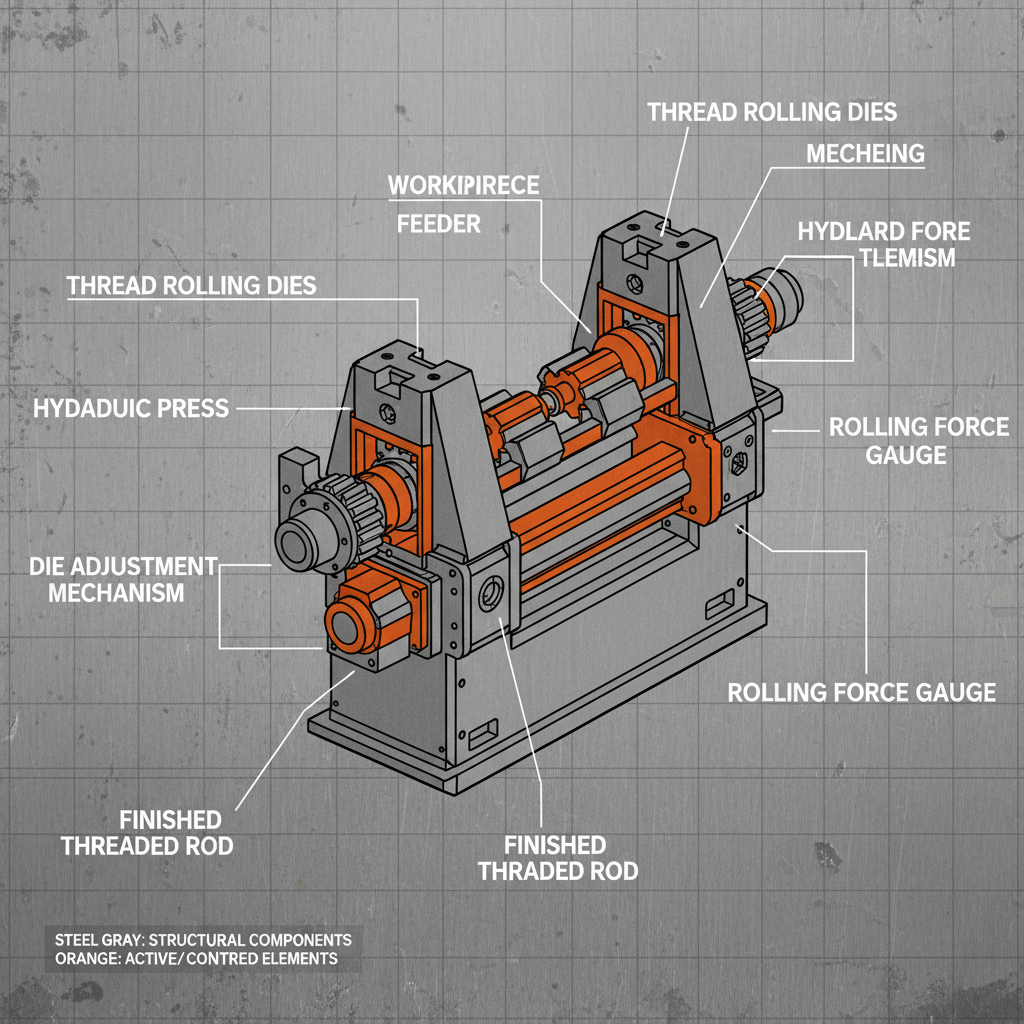
The thread rolling machine flat die is a critical component in modern manufacturing, enabling the efficient and precise creation of threaded fasteners. These dies are essential for producing screws, bolts, and other threaded parts across a vast range of industries. Understanding the nuances of flat die technology is paramount for optimizing production processes, ensuring product quality, and ultimately, driving innovation in fastening solutions. The global demand for threaded fasteners continues to grow, making expertise in thread rolling machine flat die increasingly valuable.
Globally, the market for thread rolling machines, and consequently the demand for high-quality flat dies, is directly correlated with growth in industries like automotive, aerospace, construction, and general manufacturing. According to industry reports, the fastener market is projected to reach significant growth in the coming years, fuelled by infrastructure development and increasing manufacturing output in emerging economies. The efficiency and precision offered by flat die thread rolling make it a preferred method for high-volume production, addressing the challenges of escalating demand and stringent quality standards.
The impact of a reliable thread rolling machine flat die extends beyond simple manufacturing gains. It contributes to the structural integrity of buildings, the safety of vehicles, and the overall reliability of countless products. Proper selection and maintenance of these dies directly influences the durability and performance of critical components, making a deep understanding of the technology a necessity for engineers and manufacturers worldwide.
Introduction to thread rolling machine flat die
A thread rolling machine flat die is a precisely engineered tool used to form threads on cylindrical workpieces. Unlike thread cutting, which removes material, thread rolling displaces it, resulting in stronger and more durable threads. The flat die method is particularly well-suited for high-volume production of fasteners, offering a cost-effective and efficient solution for creating robust threaded components.
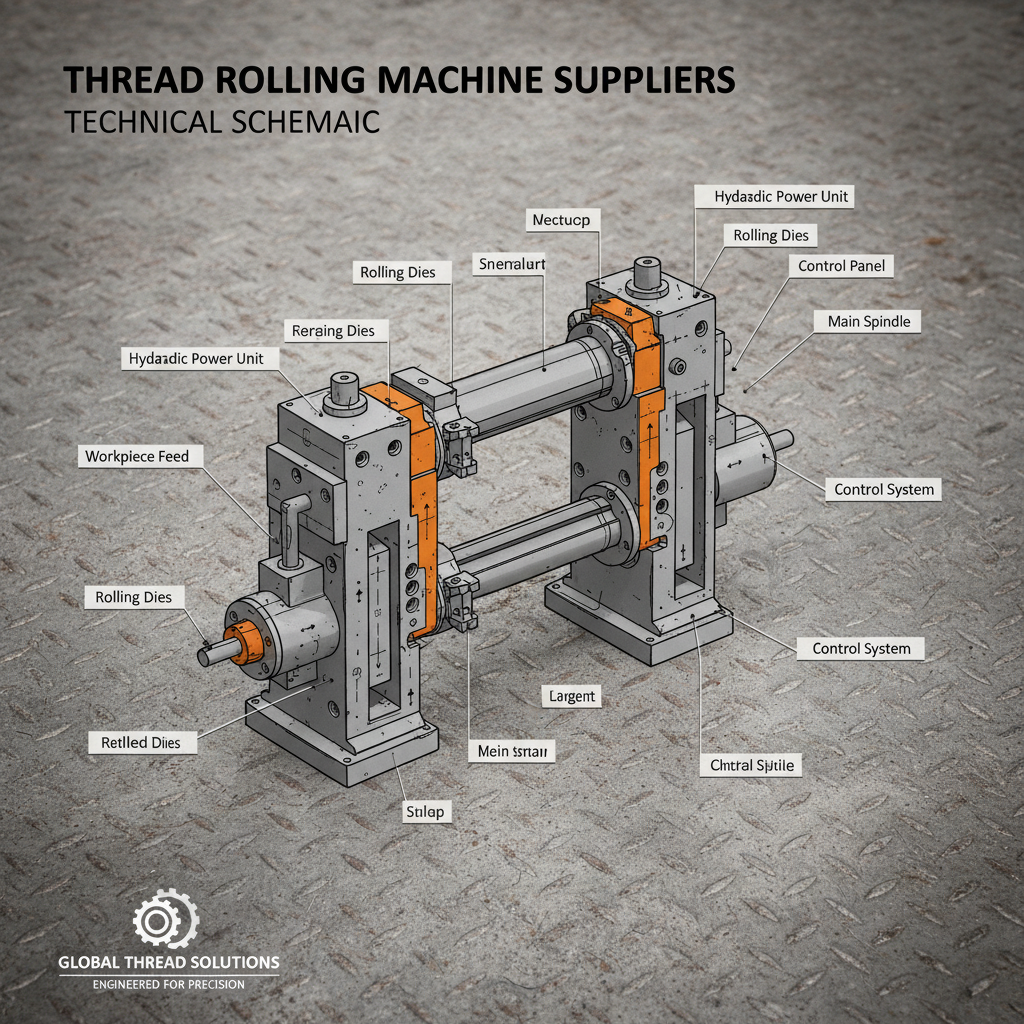
The process involves passing a blank workpiece between two flat dies, each containing the inverse profile of the desired thread. As the dies rotate and apply pressure, the material is cold-formed, creating the thread. The precision of the die's profile directly impacts the quality and accuracy of the resulting thread, emphasizing the importance of quality flat die manufacturing.
The Global Relevance of Flat Die Thread Rolling
The demand for threaded fasteners is a global phenomenon, driven by growth in infrastructure, manufacturing, and consumer goods. Flat die thread rolling is a cornerstone of this industry, providing a scalable and cost-effective method for producing large volumes of high-quality fasteners. Regions with rapidly expanding industrial sectors, such as Asia-Pacific, are particularly reliant on this technology.
The United Nations Sustainable Development Goals, particularly those related to infrastructure development (Goal 9) and responsible consumption and production (Goal 12), are indirectly influenced by the efficiency and sustainability of thread rolling processes. High-quality fasteners produced with flat dies contribute to the longevity and safety of infrastructure projects, while the material displacement process minimizes waste compared to thread cutting methods.
Furthermore, the automotive industry, a major consumer of threaded fasteners, is experiencing a global shift towards electric vehicles. This transition requires a significant increase in fastener production for battery packs, electric motors, and other components, further driving demand for efficient thread rolling solutions utilizing advanced flat die technology.
Defining the thread rolling machine flat die
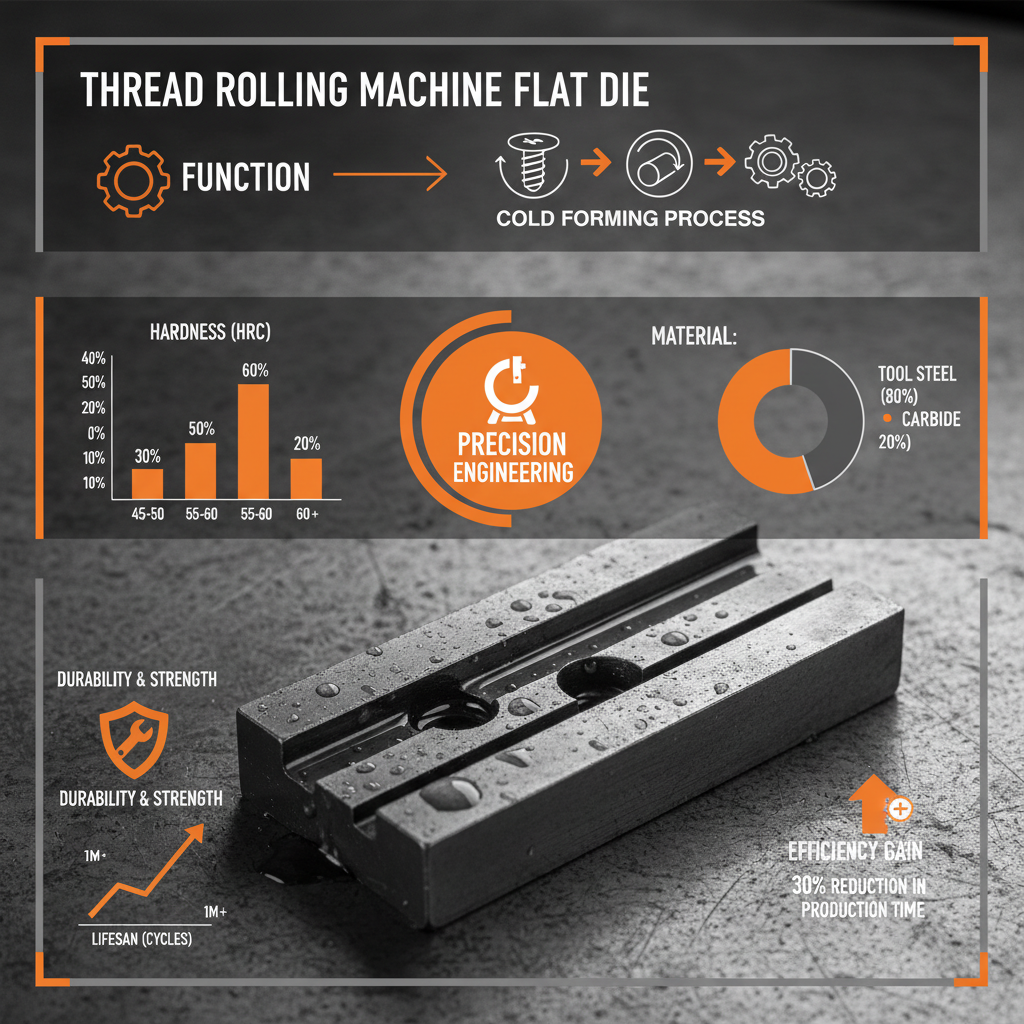
A thread rolling machine flat die consists of two precisely matched dies, each with a hardened steel profile containing the inverse form of the desired thread. These dies are typically manufactured from tool steels capable of withstanding the high pressures and repetitive stress of the rolling process. The dies are mounted in a machine and rotated against the workpiece, displacing material to create the thread form.
The precision of a flat die is critical to the final thread quality. Factors such as the die profile angle, lead angle, and surface finish all contribute to the accuracy, strength, and overall performance of the threaded fastener. Sophisticated manufacturing techniques, including CNC machining and EDM (Electrical Discharge Machining), are employed to achieve the required tolerances.
Unlike cutting tools that remove material, flat dies cold-form the workpiece, increasing its strength and fatigue resistance. This is because the grain structure of the metal is not severed but rather flowed along the desired thread profile, resulting in a denser and more robust component. The process aligns directly with the principles of sustainable manufacturing, minimizing material waste and energy consumption.
Key Factors in Flat Die Performance
Several key factors influence the performance and longevity of a thread rolling machine flat die. These include the die material, die coating, die geometry, and the rolling process parameters. Selecting the appropriate die material, typically a high-speed tool steel or carbide, is essential for withstanding the high stresses and wear associated with the rolling process.
Die coatings, such as titanium nitride (TiN) or diamond-like carbon (DLC), enhance wear resistance and reduce friction, extending the die's lifespan and improving surface finish quality. Optimizing the die geometry – including the thread profile, lead angle, and root radius – is crucial for achieving the desired thread form and ensuring proper material flow during the rolling process.
Flat Die Performance Metrics
Global Applications and Use Cases
Thread rolling machine flat dies are utilized extensively in a wide array of industries worldwide. The automotive sector relies heavily on flat die rolling for producing fasteners for engines, chassis, and body panels. The aerospace industry demands high-precision fasteners manufactured using advanced flat die technology to ensure the safety and reliability of aircraft.
In the construction industry, flat die rolled fasteners are crucial for structural connections in buildings, bridges, and infrastructure projects. The ability to produce high-strength, durable fasteners efficiently is essential for meeting the demands of large-scale construction endeavors. Even in remote industrial zones, the versatility and cost-effectiveness of flat die thread rolling make it a viable solution for fastener production.
Advantages and Long-Term Value
The advantages of utilizing thread rolling machine flat die technology are numerous. Primarily, the process results in significantly stronger and more durable threads compared to thread cutting. The cold-forming process improves the material's grain structure, enhancing its resistance to fatigue and shear stress. This translates to increased product reliability and longevity.
Cost efficiency is another key benefit. Thread rolling is a faster and more economical process than thread cutting, as it eliminates material waste and reduces machining time. The long-term value extends to reduced maintenance costs, decreased scrap rates, and improved overall productivity, fostering trust and innovation within manufacturing operations.
Future Trends and Innovations
The future of thread rolling machine flat die technology is focused on several key areas, including automation, digitalization, and the development of new materials. Automated die changing systems and real-time process monitoring are increasing efficiency and reducing downtime. Digital twin technology is enabling manufacturers to simulate and optimize the rolling process before implementation, minimizing risks and maximizing productivity.
The integration of artificial intelligence (AI) and machine learning (ML) is expected to play a significant role in predictive maintenance, identifying potential die failures before they occur. Furthermore, research into advanced die materials and coatings is aimed at extending die lifespan and improving thread quality. Sustainability is also a growing focus, with efforts to reduce energy consumption and minimize waste in the rolling process.
Exploring the use of additive manufacturing (3D printing) to create complex die geometries is another promising avenue for innovation, enabling the production of custom dies for specialized applications. This would open up possibilities for creating threads with unique profiles and features, catering to increasingly sophisticated engineering requirements.
FAQS
The lifespan of a flat die varies greatly depending on several factors including the material being rolled, the volume of production, the quality of the die material and coating, and the maintenance schedule. Generally, a well-maintained flat die can produce between 50,000 to 500,000 parts or more. Regular inspection and reconditioning can significantly extend its service life. Selecting a die with an appropriate coating, like TiN or DLC, is crucial for maximizing durability.
The hardness and ductility of the workpiece material directly impact flat die wear. Harder materials cause more abrasive wear, while ductile materials tend to cause more adhesive wear. Softer materials generally extend die life. Adjusting rolling parameters like pressure and speed can also help mitigate wear depending on the workpiece material. Proper lubrication is vital for reducing friction and wear regardless of the material.
Common signs include increased rolling force, inconsistent thread quality (e.g., incomplete threads, double threads), surface defects on the rolled parts, and visible wear or damage on the die surface. A noticeable increase in scrap rate is also an indicator. Regular dimensional checks of the die profile can help identify early signs of wear before they lead to significant quality issues.
Lubrication is critical for reducing friction between the die and the workpiece, minimizing wear, improving surface finish, and preventing galling. The correct lubricant also helps dissipate heat generated during the rolling process. Different lubricants are suitable for different materials and applications – oils, soaps, and specialized coatings are commonly used. The selection of the appropriate lubricant is a vital element of process optimization.
Die geometry, including the thread profile angle, lead angle, and root radius, profoundly impacts thread strength. An optimized geometry ensures proper material flow during the rolling process, creating a dense and well-formed thread. Incorrect geometry can result in stress concentrations and reduced thread strength. Finite element analysis (FEA) is often used to optimize die geometry for specific applications.
Carbide dies offer significantly higher wear resistance than steel dies, making them ideal for high-volume production and rolling abrasive materials. While they are more expensive upfront, their longer lifespan and ability to maintain dimensional accuracy for extended periods often result in lower overall costs. Carbide dies are particularly advantageous when producing small-diameter threads with tight tolerances.
Conclusion
In conclusion, the thread rolling machine flat die remains a cornerstone of modern manufacturing, enabling the efficient and reliable production of threaded fasteners crucial to countless industries. Understanding the key factors influencing die performance – material, geometry, lubrication, and process parameters – is paramount for maximizing productivity and ensuring product quality. Continuous innovation in die materials, coatings, and automation technologies will drive further advancements in this vital field.
Looking ahead, the integration of digital technologies and sustainable manufacturing practices will shape the future of thread rolling. Embracing automation, predictive maintenance, and environmentally friendly materials will be essential for manufacturers seeking to remain competitive and meet the evolving demands of the global market. For high-quality flat dies and innovative thread rolling solutions, visit our website: www.motetools.com.