0%

Table of Contents

The screw rolling machine stands as a cornerstone of modern manufacturing, a testament to the ingenuity of metal forming. This process, differing from machining, creates fasteners and components with superior strength and fatigue resistance by plastically deforming the metal, rather than removing material. Understanding the intricacies of screw rolling machines is crucial for industries ranging from automotive and aerospace to construction and electronics, driving innovation and efficiency globally.

The global demand for high-quality fasteners is continuously increasing, fueled by infrastructure development, vehicle production, and expanding industrial sectors in emerging economies. Data from the World Bank indicates a consistent rise in construction spending in developing nations, directly correlating with the demand for screws and fasteners produced by screw rolling machines. Addressing the challenges of efficient, cost-effective, and sustainable fastener production necessitates a deep dive into the capabilities and advancements of these machines.

The screw rolling machine offers a compelling solution to these demands. It’s a specialized machine tool designed to form threads on cylindrical workpieces, significantly enhancing their strength and durability compared to cut threads. From small precision screws to large bolts, these machines play an indispensable role in assembling the world around us, streamlining manufacturing processes and enabling countless applications.
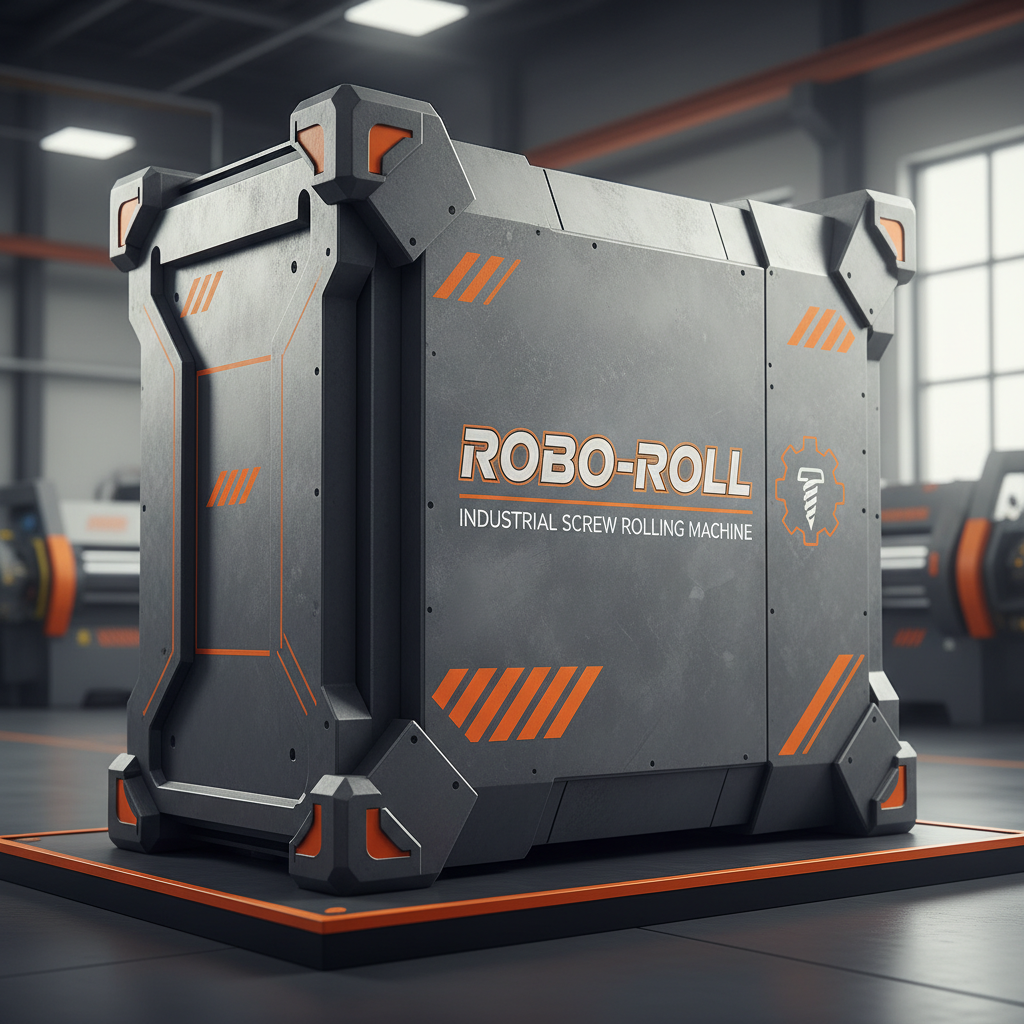

Advancements in Screw Rolling Machine Technology for Modern Manufacturing

The Significance of Screw Rolling Machine in Manufacturing

Advancements in Screw Rolling Machine Technology for Modern Manufacturing

The importance of the screw rolling machine in modern manufacturing cannot be overstated. Unlike subtractive manufacturing processes that waste material, screw rolling is a cold-forming process that enhances the metal's strength through work hardening. This results in fasteners with a higher tensile strength and greater resistance to fatigue.

Furthermore, screw rolling machines contribute to efficient production by offering high-speed, automated processing. This minimizes labor costs and significantly increases output, making it an ideal solution for mass production environments. The ability to create complex thread forms and precise geometries adds to its versatility, catering to diverse application requirements.

Global Relevance and Industry Context

The demand for screw rolling machines is intrinsically linked to global industrial output and infrastructure development. Countries experiencing rapid economic growth, such as those in Southeast Asia and Africa, are witnessing a surge in demand for fasteners used in construction, automotive, and consumer goods. The ISO standards for fastener quality, combined with increasing safety regulations, drive the need for precise and reliable screw rolling machines.

This demand is further amplified by the growth of the automotive industry, particularly the transition towards electric vehicles. EVs require a greater number of fasteners for battery pack assembly, motor components, and structural reinforcement, presenting a significant opportunity for screw rolling machine manufacturers.

However, challenges remain. Global supply chain disruptions and fluctuating raw material costs can impact the affordability and availability of screw rolling machines. Addressing these challenges through localized manufacturing and diversified sourcing strategies is crucial for sustaining growth.

Defining the Screw Rolling Machine

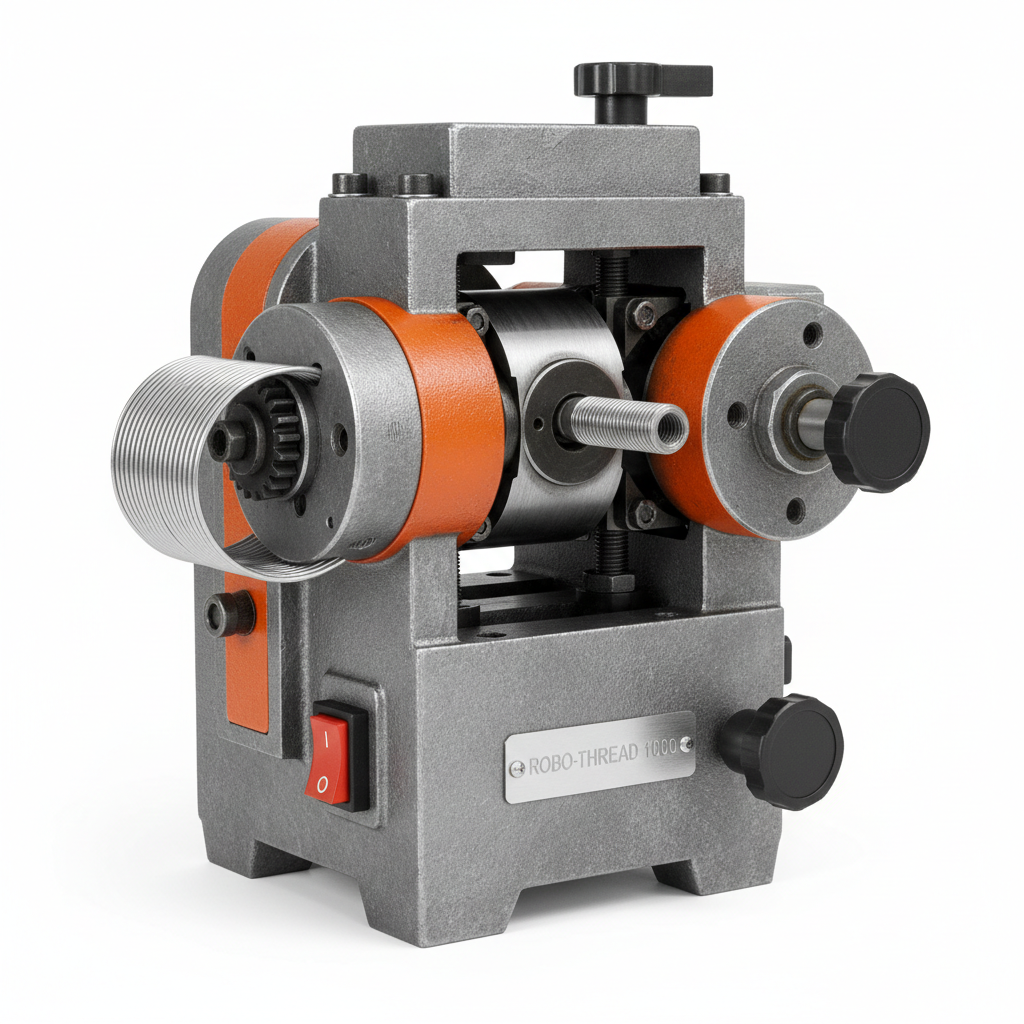
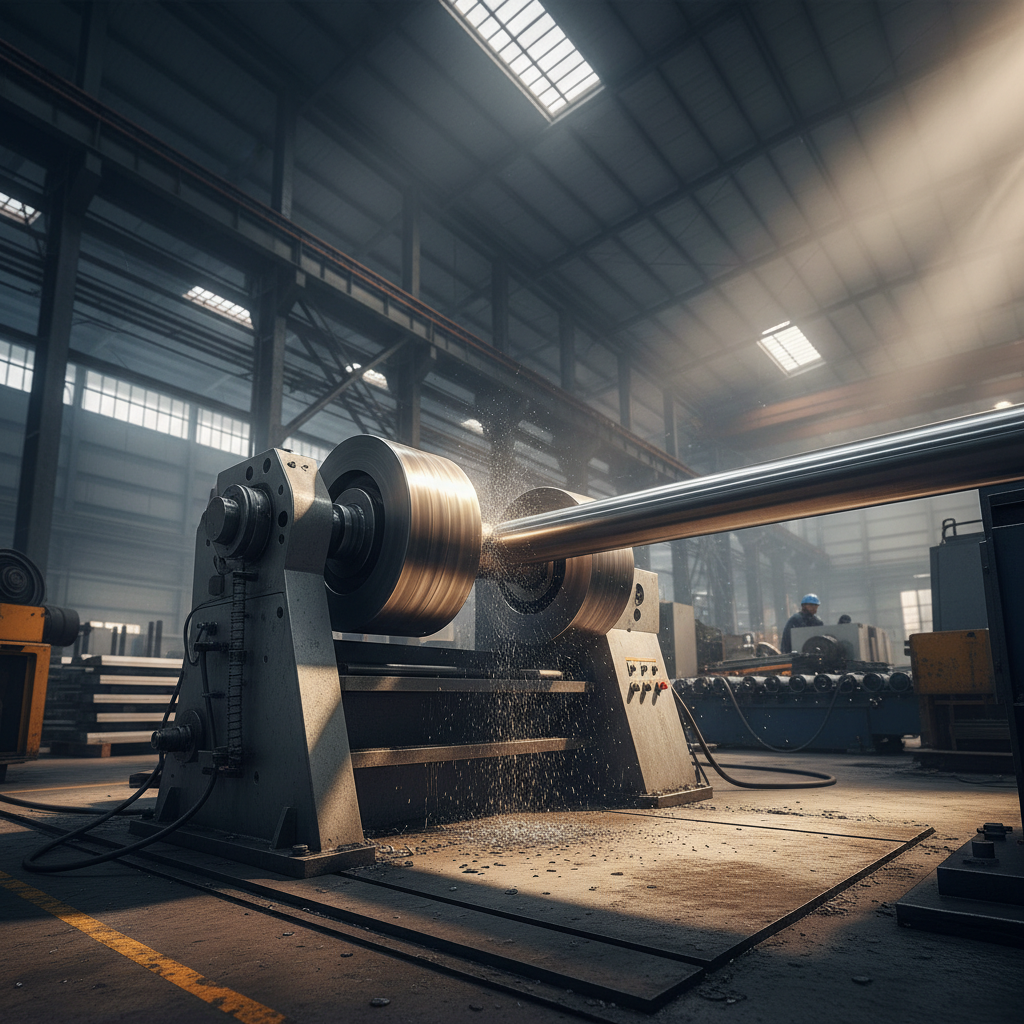
A screw rolling machine is a specialized machine tool engineered to form helical ridges – the threads – on a cylindrical workpiece. This is achieved through a process known as cold forming, where two hardened dies are used to plastically deform the metal, effectively ‘rolling’ the thread onto the workpiece. This is fundamentally different from thread cutting, which removes material.

The connection to modern industry is profound. From the bolts holding together skyscrapers to the tiny screws securing components in smartphones, screw rolling machines are central to the creation of countless products. Their ability to produce high-strength, consistent fasteners is vital for ensuring product safety, reliability, and longevity.

In humanitarian applications, screw rolling machines can be deployed to manufacture essential fasteners for shelter construction, medical equipment assembly, and infrastructure repair in disaster-stricken areas. This underscores their adaptability and importance in addressing critical needs on a global scale.

Key Factors Influencing Screw Rolling Machine Performance

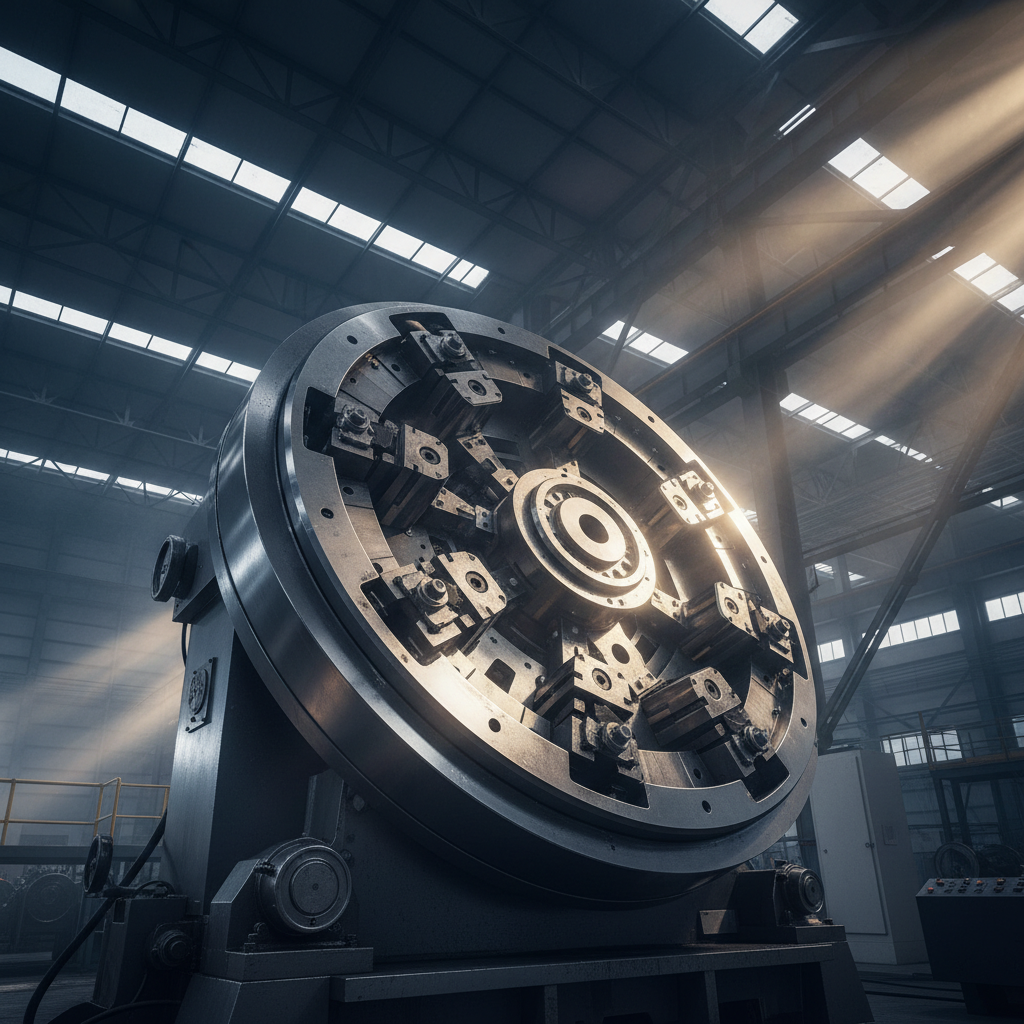
Several key factors contribute to the efficiency and effectiveness of a screw rolling machine. First, die design is paramount. The shape, angle, and material of the dies directly impact the quality of the thread and the overall production rate. Second, machine rigidity is essential for maintaining precision and minimizing vibration during the rolling process.

Thirdly, lubrication plays a vital role in reducing friction and wear, extending the life of the dies and improving thread quality. Fourth, material properties of the workpiece must be carefully considered. Different metals require varying rolling parameters to achieve optimal results. Finally, automation and control systems ensure consistent operation and minimize human error.

Screw Rolling Machine Performance Metrics


Applications Across Industries

The applications of screw rolling machines are incredibly diverse. In the automotive industry, they are used to manufacture critical fasteners for engine components, chassis assemblies, and safety systems. In the aerospace sector, where high strength and reliability are paramount, screw rolling machines produce fasteners that meet stringent quality standards.

The construction industry relies heavily on screws and bolts produced by these machines for structural connections, roofing systems, and building facades. Furthermore, the electronics industry utilizes small precision screws manufactured by screw rolling machines for assembling circuit boards, housings, and other sensitive components.

Advantages and Long-Term Value

The advantages of using screw rolling machines are numerous. Cost savings are significant due to material efficiency and reduced labor requirements. Sustainability is enhanced by minimizing waste and energy consumption compared to machining processes. Reliability is increased as rolled threads exhibit superior strength and fatigue resistance.

Long-term value is derived from the reduced risk of component failure, leading to lower maintenance costs and increased product lifespan. Moreover, the precision and consistency offered by screw rolling machines contribute to improved product quality and customer satisfaction, bolstering brand reputation and trust.

Future Trends and Technological Advancements

The future of screw rolling machines is poised for significant advancements. Integration of Industry 4.0 technologies, such as real-time monitoring and predictive maintenance, will optimize machine performance and minimize downtime. The adoption of advanced materials, like high-strength alloys and composites, will expand the range of applications.

Automation and robotics will play an increasingly important role in streamlining the screw rolling process, reducing labor costs, and improving accuracy. The development of more energy-efficient machines and sustainable manufacturing practices will further enhance the environmental benefits of screw rolling technology.

Furthermore, digital twins – virtual representations of physical screw rolling machines – will enable manufacturers to simulate and optimize processes, leading to greater efficiency and innovation.

FAQS

What are the main differences between screw rolling and thread cutting?

Screw rolling is a cold forming process that displaces material to create threads, resulting in stronger, more durable fasteners. Thread cutting, conversely, removes material, weakening the part. Screw rolling offers better fatigue resistance, increased tensile strength, and is more cost-effective in high-volume production. The process also generates less waste than thread cutting, making it a more sustainable option.

How does die design affect the quality of the rolled threads?

Die design is crucial. The shape, angle, and surface finish of the dies directly impact the thread form, pitch accuracy, and overall quality. Incorrectly designed dies can lead to defects like incomplete threads, surface imperfections, or even die failure. Manufacturers invest heavily in precision die manufacturing and utilize sophisticated simulation software to optimize die designs for specific materials and thread specifications.

What materials are commonly used in screw rolling machines?

Screw rolling machines are constructed from high-strength materials capable of withstanding significant forces. Common materials include hardened tool steels for dies, and cast iron or steel for machine frames and components. The specific materials used depend on the application and the types of fasteners being produced. For high-volume production, die materials are often coated to enhance wear resistance and extend their lifespan.

What level of automation is available for screw rolling machines?

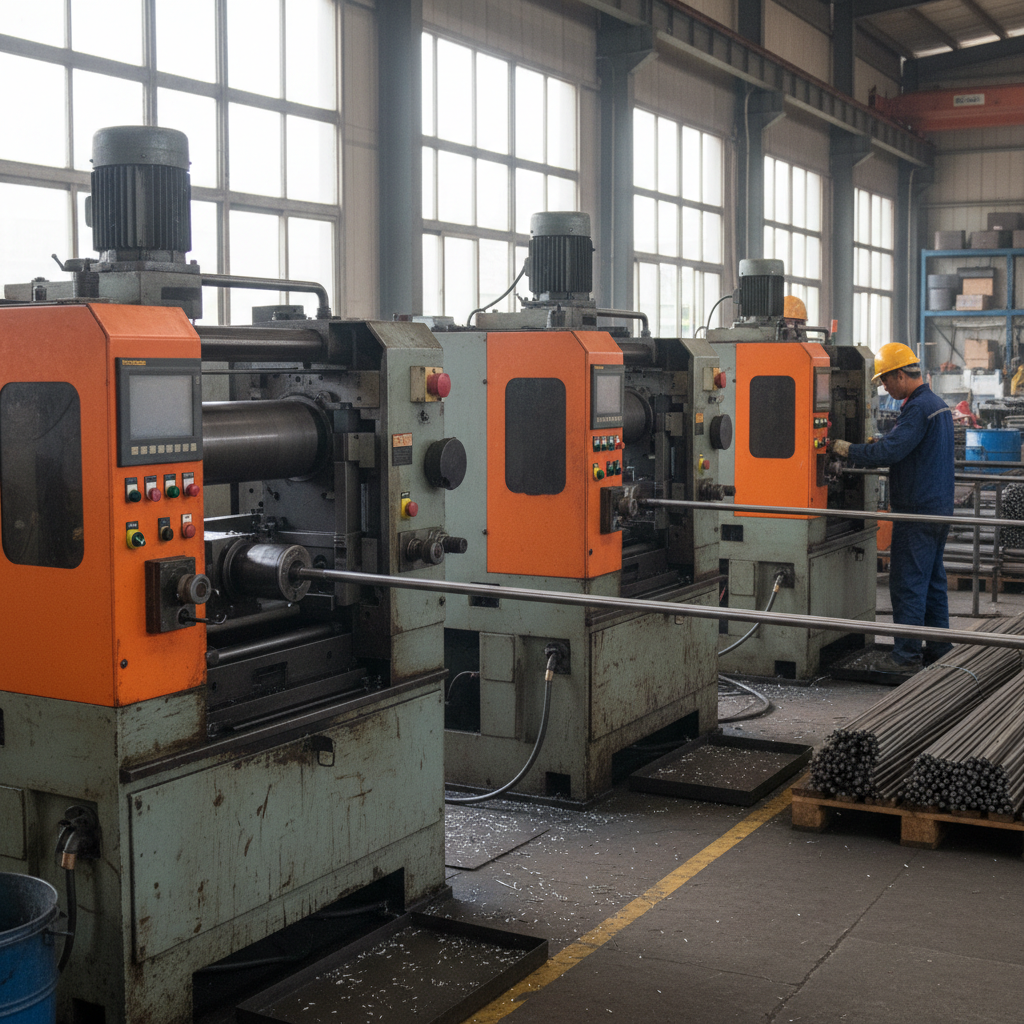
Screw rolling machines are available with varying levels of automation, ranging from semi-automatic machines requiring manual loading and unloading to fully automated systems with robotic handling and automatic die changing. Fully automated systems can significantly increase production rates, reduce labor costs, and improve consistency. The level of automation depends on the production volume, fastener complexity, and budget constraints.

How can I troubleshoot common issues with my screw rolling machine?

Common issues include thread defects, die wear, and machine vibration. Thread defects can often be traced to incorrect die settings or lubrication problems. Die wear is a natural occurrence and requires periodic replacement. Machine vibration can be caused by loose components, unbalanced dies, or foundation issues. Regular maintenance, proper lubrication, and prompt attention to unusual noises or vibrations are essential for preventing and resolving these issues.

What are the safety considerations when operating a screw rolling machine?

Safety is paramount. Screw rolling machines involve high forces and moving parts. Operators should always wear appropriate personal protective equipment, including safety glasses and hearing protection. Machine guarding should be in place to prevent accidental contact with moving components. Emergency stop buttons should be readily accessible, and operators should be thoroughly trained on machine operation and safety procedures. Regular safety inspections are crucial.

Conclusion

The screw rolling machine represents a cornerstone of modern manufacturing, offering a powerful and efficient method for producing high-quality fasteners. Its advantages in terms of strength, cost-effectiveness, and sustainability make it an indispensable tool for a wide range of industries. Understanding the key factors that influence machine performance, embracing emerging technologies, and prioritizing safety are crucial for maximizing its potential.

Looking ahead, continued innovation in automation, materials science, and digital integration will further enhance the capabilities of screw rolling machines. Embracing these advancements will allow manufacturers to meet the evolving demands of a global marketplace and contribute to a more sustainable and efficient future. For expert solutions and cutting-edge technology, visit our website: www.motetools.com.


David Chen

David Chen

David Chen is the Export Sales Manager for North America at Hebei Moto Machinery Trading Co., Ltd. He brings over 10 years of international sales experience to the role, with a strong understanding of the metal processing industry. David is responsible for building and maintaining relationships with distributors and end-users
Previous Optimizing Manufacturing with Advanced Thread Rolling Machine Flat Die Technology
Next Advancements in Reed Thread Roller Technology for Efficient Textile and Composite Production