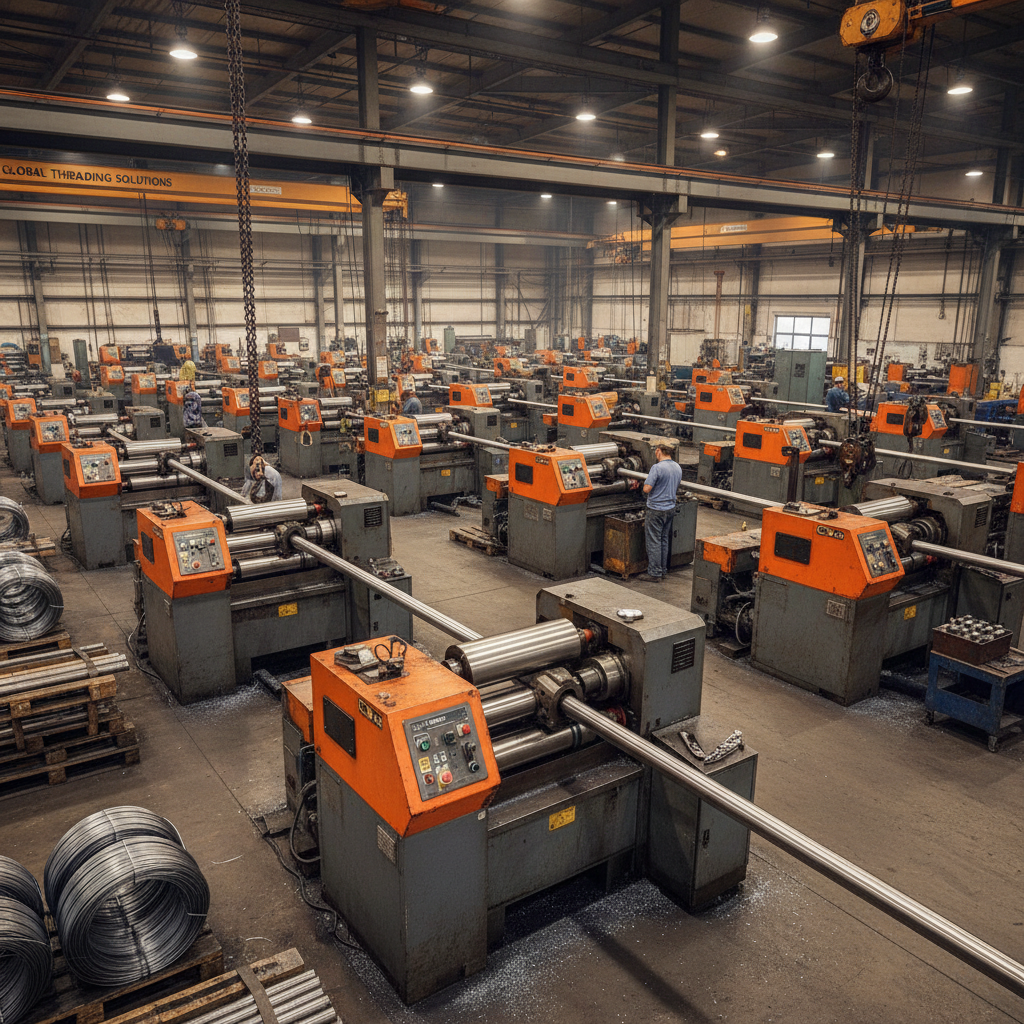
The realm of precision manufacturing is constantly evolving, and the mini thread rolling machine stands as a testament to this progress. These compact yet powerful machines are revolutionizing how threaded fasteners are produced, offering a compelling alternative to traditional methods like cutting threads. Their increasing prevalence is fueled by demands for higher efficiency, reduced material waste, and the ability to create threads in challenging environments. Understanding the capabilities and applications of mini thread rolling machines is increasingly vital for engineers, manufacturers, and anyone involved in the broader landscape of mechanical engineering and component production.
Globally, the demand for threaded fasteners continues to surge, driven by growth in industries like automotive, aerospace, construction, and electronics. The UN estimates a consistent increase in manufacturing output worldwide, while the World Bank highlights the rising need for infrastructure development in emerging economies – both directly contributing to fastener demand. Traditional thread cutting processes generate significant material waste. Mini thread rolling machines address this challenge by forming threads, displacing material rather than removing it, leading to substantial cost savings and environmental benefits. This makes them a critical component in the move towards more sustainable manufacturing practices.
The increasing need for localized and on-demand manufacturing further amplifies the importance of these machines. Supply chain disruptions experienced globally have highlighted the vulnerability of relying on centralized production hubs. Mini thread rolling machines provide a solution by allowing businesses to bring thread forming capabilities in-house or closer to the point of need, improving resilience and responsiveness.
The Fundamentals of Mini Thread Rolling Machine
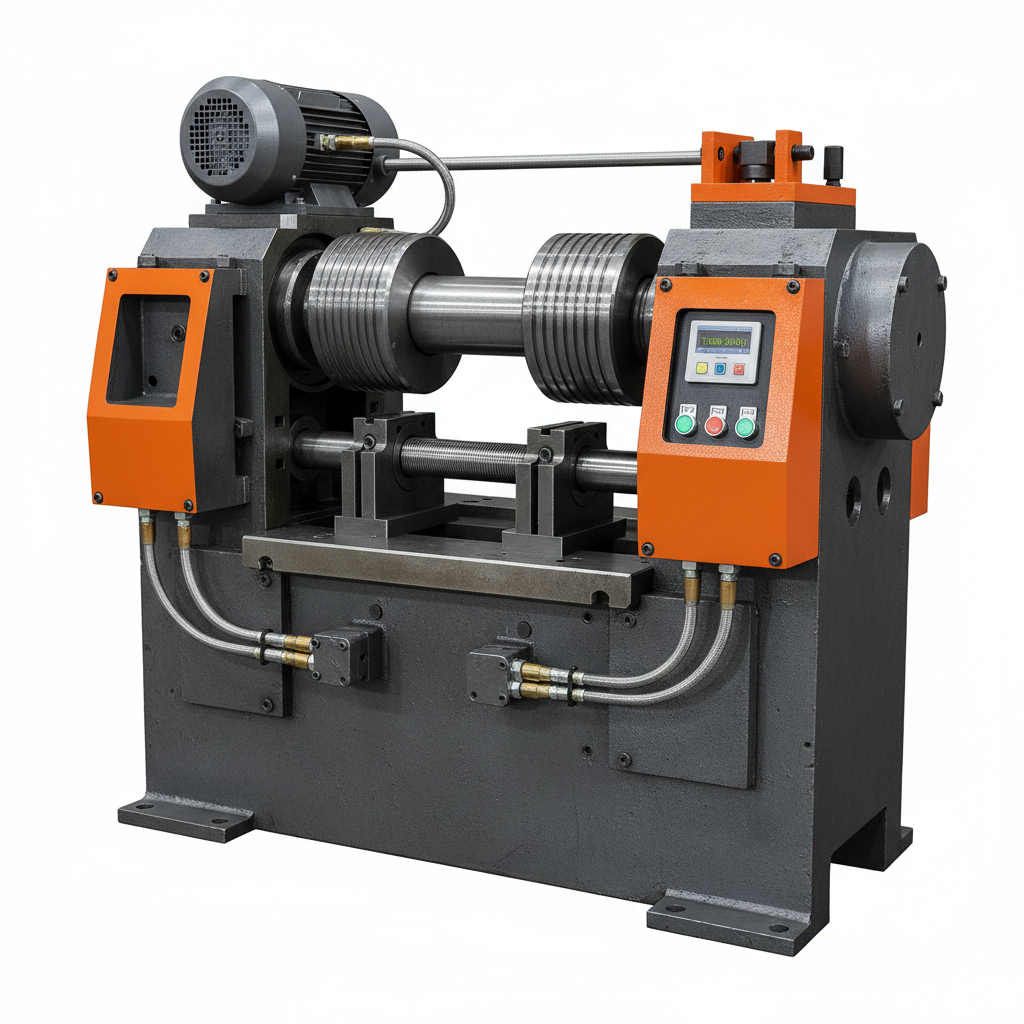
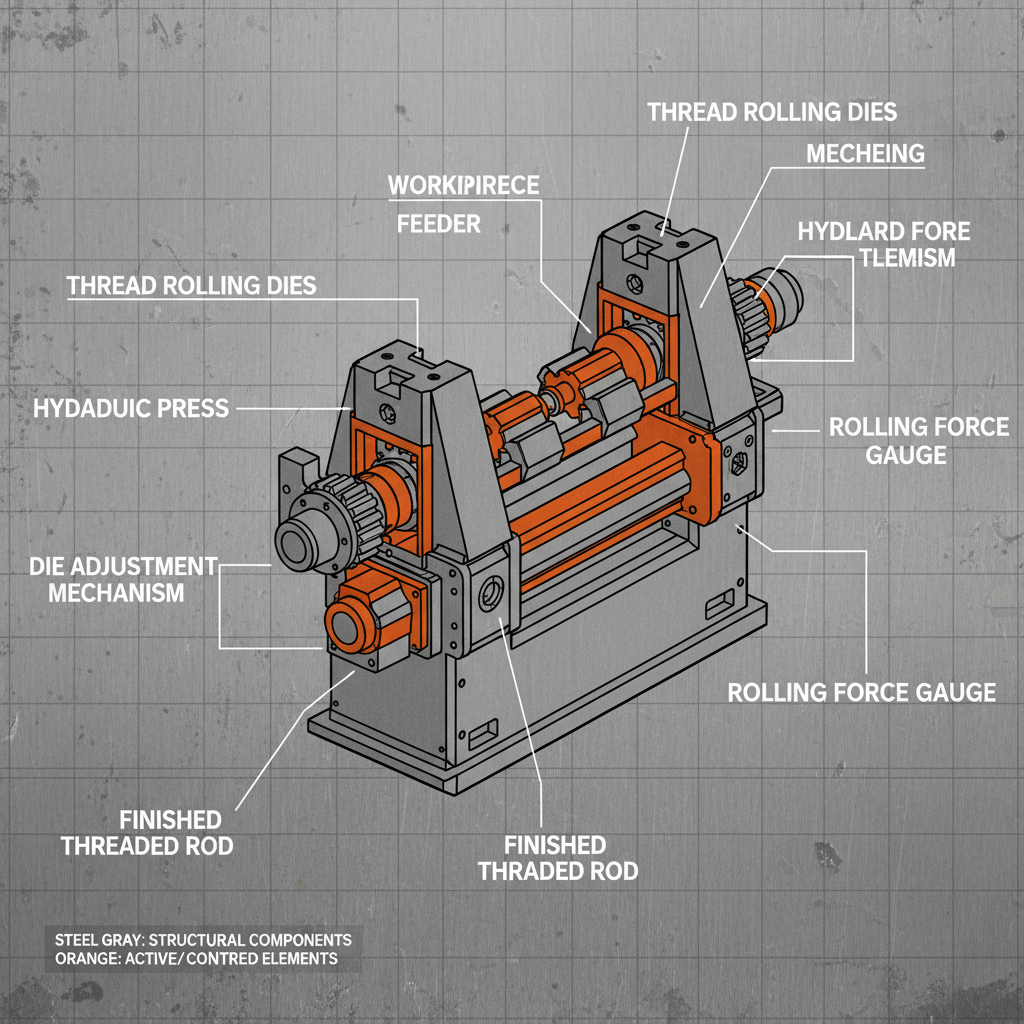
At its core, a mini thread rolling machine utilizes a forming process, unlike the subtractive method of thread cutting. This means it doesn't remove material to create the thread; instead, it displaces it, resulting in a stronger, more durable thread. The process typically involves two hardened dies – one stationary and one rotating – that press against the workpiece, forcing the material to flow and take the shape of the desired thread profile. This method offers significant advantages in terms of material utilization and thread quality.
The operational principles hinge on carefully controlled pressure, speed, and die geometry. Different mini thread rolling machines are designed for varying workpiece materials, diameters, and thread pitches. Proper die selection and machine settings are crucial for achieving optimal thread form and avoiding material defects. The precision offered by these machines ensures consistent thread quality, a vital requirement in applications where reliability is paramount.
Defining the Mini Thread Rolling Machine
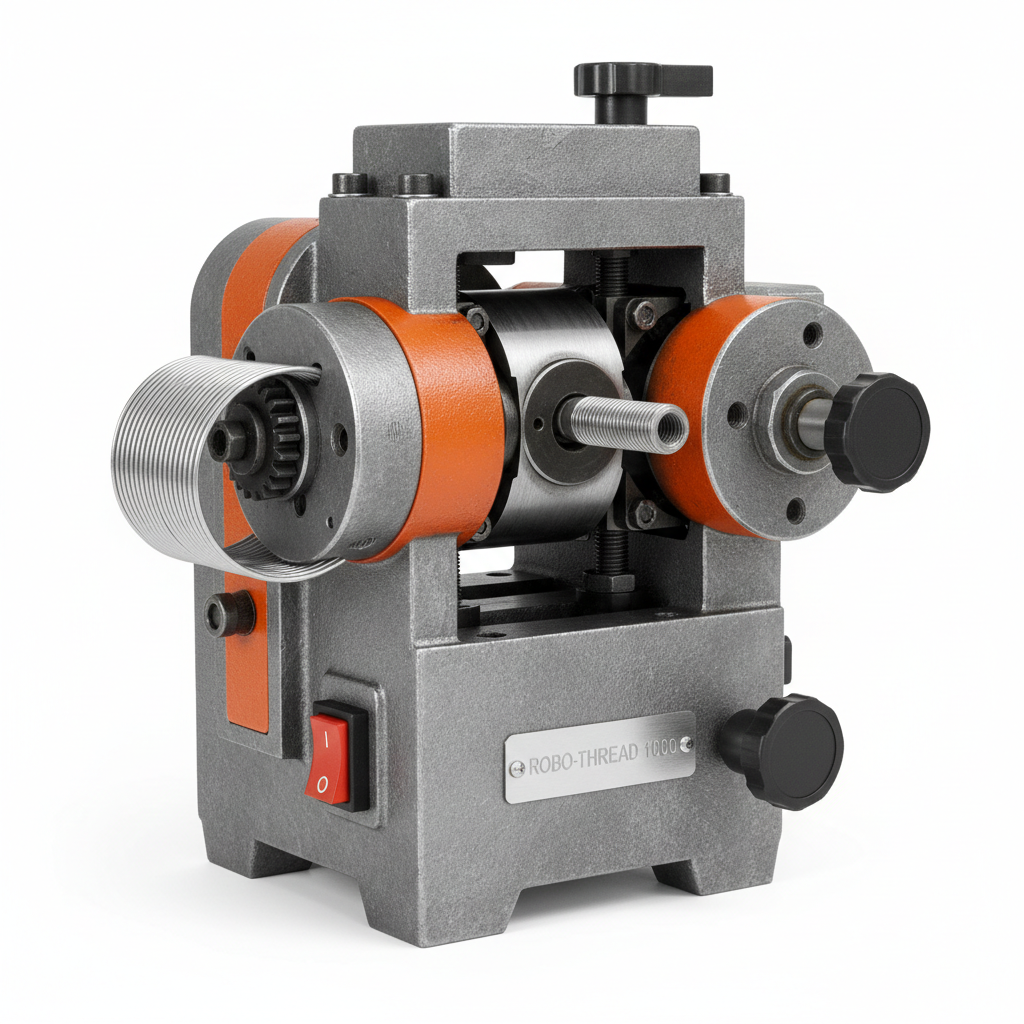
A mini thread rolling machine is a compact version of traditional thread rolling machines, designed for producing threaded fasteners and components with smaller diameters, typically ranging from a few millimeters to around 20 millimeters. They're characterized by their relatively small footprint and ability to operate efficiently in low-volume, high-mix production environments. While larger machines often dominate mass production scenarios, the mini thread rolling machine shines in specialized applications.
Their connection to modern industry stems from the increasing demand for customized fasteners and the need for flexible manufacturing solutions. The automotive industry, for example, frequently uses specialized fasteners requiring small batch sizes, making mini thread rolling machines ideal. Furthermore, their portability and ease of setup make them valuable in remote industrial zones and field service operations where access to traditional manufacturing facilities is limited.
Beyond industrial applications, the principles behind mini thread rolling machines are relevant to humanitarian needs. While not directly used in emergency situations, the technology highlights the importance of efficient and resource-conscious manufacturing, which is crucial for providing essential goods in challenging circumstances.
Core Components and Key Factors
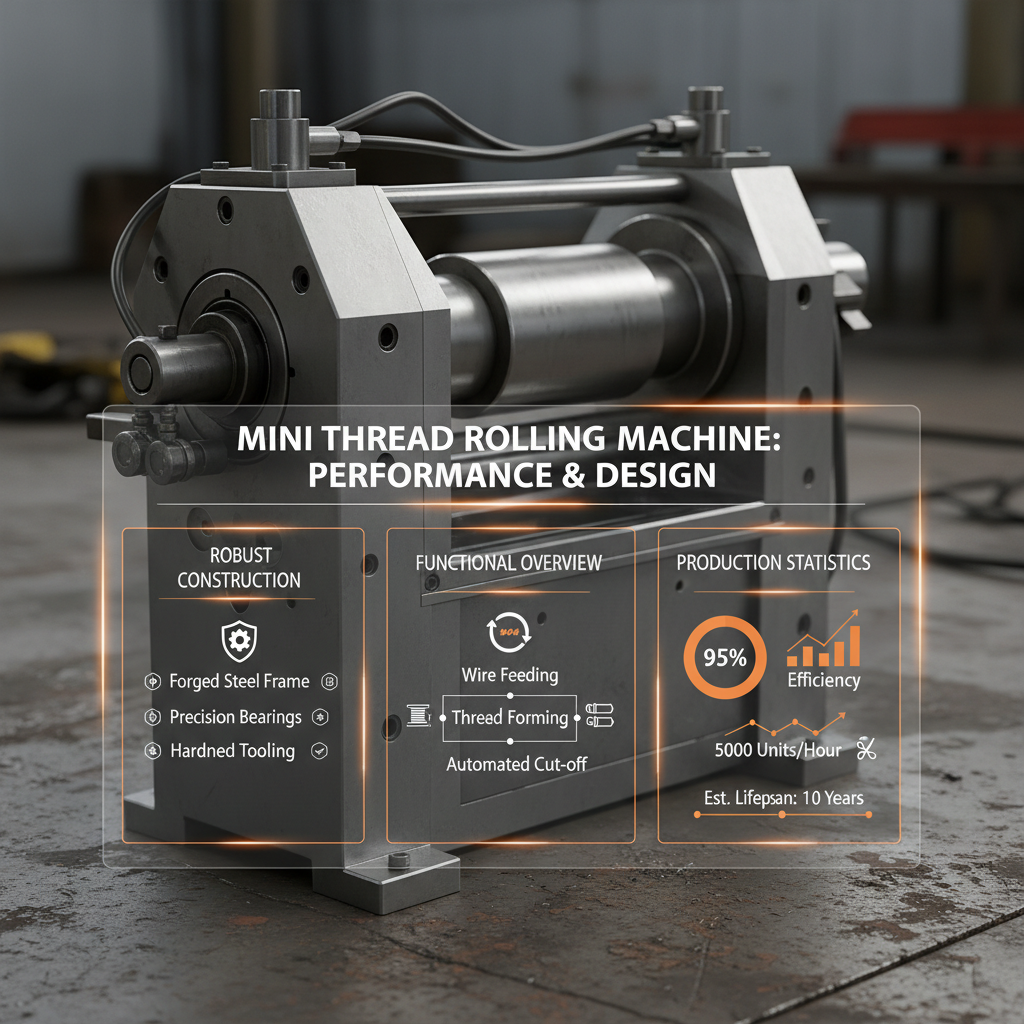
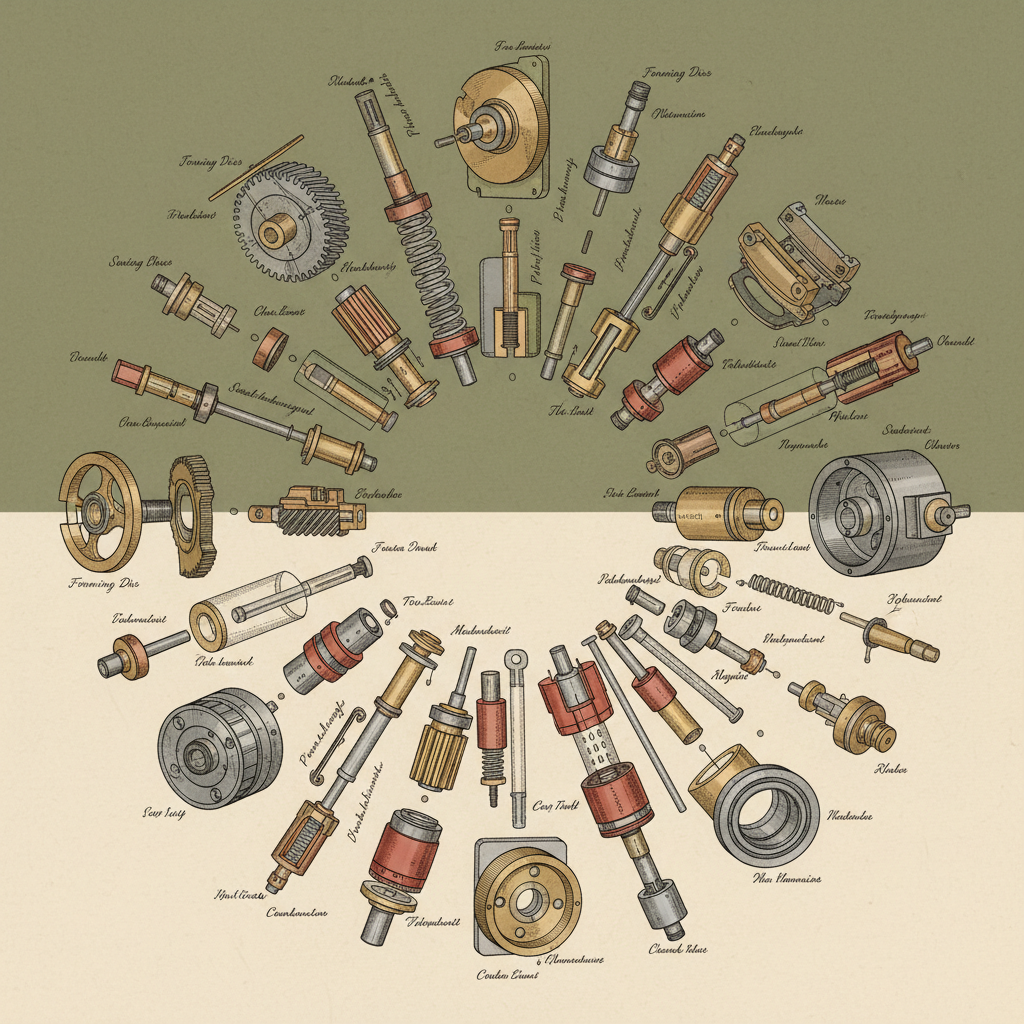
Several key factors contribute to the effectiveness of a mini thread rolling machine. Durability is paramount; the dies, in particular, must withstand immense pressure and abrasion. High-speed steel (HSS) and carbide are common die materials, selected based on the workpiece material and production volume. Precision in die alignment and machine mechanics is also critical for achieving consistent thread quality and dimensional accuracy.
Scalability refers to the machine’s ability to adapt to varying production needs. While inherently suited for small to medium batches, some mini thread rolling machines offer features like automated feeding and parts ejection, increasing throughput. Cost Efficiency is a major driver for adoption; the reduction in material waste, combined with lower energy consumption compared to cutting processes, leads to significant cost savings.
Versatility allows these machines to handle a diverse range of materials, including steel, stainless steel, aluminum, and brass. Ease of Operation is also crucial, particularly for smaller businesses. Modern mini thread rolling machines often feature user-friendly interfaces and require minimal specialized training.
Global Applications and Diverse Use Cases
The applications of mini thread rolling machines are widespread and span numerous industries. In the automotive sector, they're used to produce fasteners for engine components, chassis parts, and interior trim. Aerospace relies on them for critical fasteners in aircraft structures and control systems. The electronics industry utilizes them for creating threaded inserts in plastic housings and for securing small components.
In post-disaster relief operations, while not directly deployed, the principles of efficient resource utilization embodied by thread rolling are critical for rapidly producing and distributing essential supplies. In remote industrial zones, such as mining operations or oil platforms, their portability and ability to operate with minimal infrastructure make them invaluable.
Regions with growing manufacturing sectors, like Southeast Asia and India, are experiencing a surge in demand for mini thread rolling machines. These countries are becoming major hubs for the production of electronics, automotive parts, and other manufactured goods, driving the need for cost-effective and efficient thread forming solutions.
mini thread rolling machine Performance Comparison
Advantages and Long-Term Value Proposition
The tangible benefits of utilizing a mini thread rolling machine are substantial. Cost savings are achieved through reduced material waste and lower energy consumption. Sustainability is enhanced by minimizing scrap and promoting resource efficiency. Reliability is improved due to the stronger, more consistent threads produced by the forming process.
However, the value extends beyond these quantifiable metrics. The enhanced safety afforded by robust fasteners, the dignity of skilled craftsmanship, and the fostering of innovation all contribute to a positive long-term impact. The trust built with customers through consistently high-quality products further strengthens brand reputation and fosters lasting relationships.
Future Trends and Emerging Innovations
Several exciting trends are shaping the future of mini thread rolling machine technology. Automation is becoming increasingly prevalent, with machines incorporating robotic feeding and parts handling systems. Digitalization, through the integration of sensors and data analytics, enables real-time monitoring of process parameters and predictive maintenance.
The development of new die materials and coatings promises to further enhance durability and extend die life. Sustainable manufacturing practices are driving research into eco-friendly lubricants and coolants. The integration of artificial intelligence (AI) to optimize thread forming parameters is also a growing area of interest, promising even greater precision and efficiency.
Challenges and Innovative Solutions
Despite their numerous advantages, mini thread rolling machines face certain challenges. Die wear is a significant concern, requiring regular die replacement or refurbishment. Achieving consistent thread quality with different materials can be complex, necessitating careful die selection and process optimization.
Innovative solutions are emerging to address these challenges. Advanced die coatings are extending die life and improving wear resistance. AI-powered process control systems are automatically adjusting machine parameters to compensate for material variations. The development of modular die systems allows for rapid changeovers and increased flexibility.
Furthermore, collaborative research efforts between machine manufacturers, die makers, and end-users are fostering a more holistic approach to problem-solving and driving continuous improvement in mini thread rolling machine technology.
Summary of Mini Thread Rolling Machine Performance and Considerations
| Material Type |
Die Wear Rate (Scale 1-10) |
Production Speed (Units/Hour) |
Thread Quality Score (1-10) |
| Steel (Low Carbon) |
4 |
300 |
9 |
| Stainless Steel (304) |
6 |
250 |
8 |
| Aluminum (6061) |
2 |
350 |
9 |
| Brass (C36000) |
3 |
400 |
8 |
| Titanium (Grade 5) |
8 |
200 |
7 |
| Plastic (Nylon 6/6) |
1 |
450 |
7 |
FAQS
Mini thread rolling machines offer several advantages over thread cutting. Primarily, they generate significantly less material waste as they form the thread rather than removing material. This leads to cost savings and a more sustainable manufacturing process. Thread rolling also typically results in stronger threads due to work hardening, enhancing the durability and reliability of the fasteners. Furthermore, the process is generally faster and requires less skilled labor compared to cutting.
Mini thread rolling machines are quite versatile and can handle a wide range of materials, including various grades of steel (low carbon, alloy, stainless), aluminum alloys, brass, copper, and even some plastics. However, the specific material compatibility depends on the machine’s capabilities, die materials, and process parameters. Softer materials like aluminum and brass are generally easier to roll than harder materials like stainless steel or titanium.
The cost of a mini thread rolling machine can vary significantly based on its features, capacity, and level of automation. Entry-level machines can start around $5,000, while more advanced models with automated feeding and control systems can exceed $20,000 or more. It’s crucial to consider the total cost of ownership, including die costs, maintenance, and training, when evaluating different options.
The lifespan of the dies depends on several factors, including the material being processed, the production volume, and the quality of the dies themselves. Generally, dies need to be replaced or refurbished after processing tens of thousands to hundreds of thousands of parts. Using high-quality die materials and proper lubrication can significantly extend die life.
While modern mini thread rolling machines are designed to be relatively user-friendly, some level of operator skill is still required. Operators need to understand the basics of thread forming, die selection, and machine setup. Training is typically recommended to ensure operators can safely and effectively operate the machine and produce high-quality threads consistently.
While mini thread rolling machines excel in low to medium volume, high-mix production, they can also be incorporated into automated production lines for higher volumes. However, for extremely large-scale production, dedicated high-capacity thread rolling machines are generally more efficient. The right machine depends on the specific production requirements and volume needs.
Conclusion
In conclusion, the mini thread rolling machine represents a significant advancement in fastener manufacturing, offering a compelling combination of efficiency, sustainability, and precision. Its ability to form threads rather than cut them reduces material waste, lowers costs, and produces stronger, more reliable fasteners. As industries continue to demand greater flexibility and localized production capabilities, the importance of these machines will only continue to grow.
Looking ahead, continued innovation in die materials, automation, and AI-powered process control will further enhance the performance and versatility of mini thread rolling machines. Embracing these advancements will be crucial for manufacturers seeking to maintain a competitive edge and meet the evolving demands of the global market. Visit our website at www.motetools.com to learn more about how a mini thread rolling machine can transform your manufacturing processes.