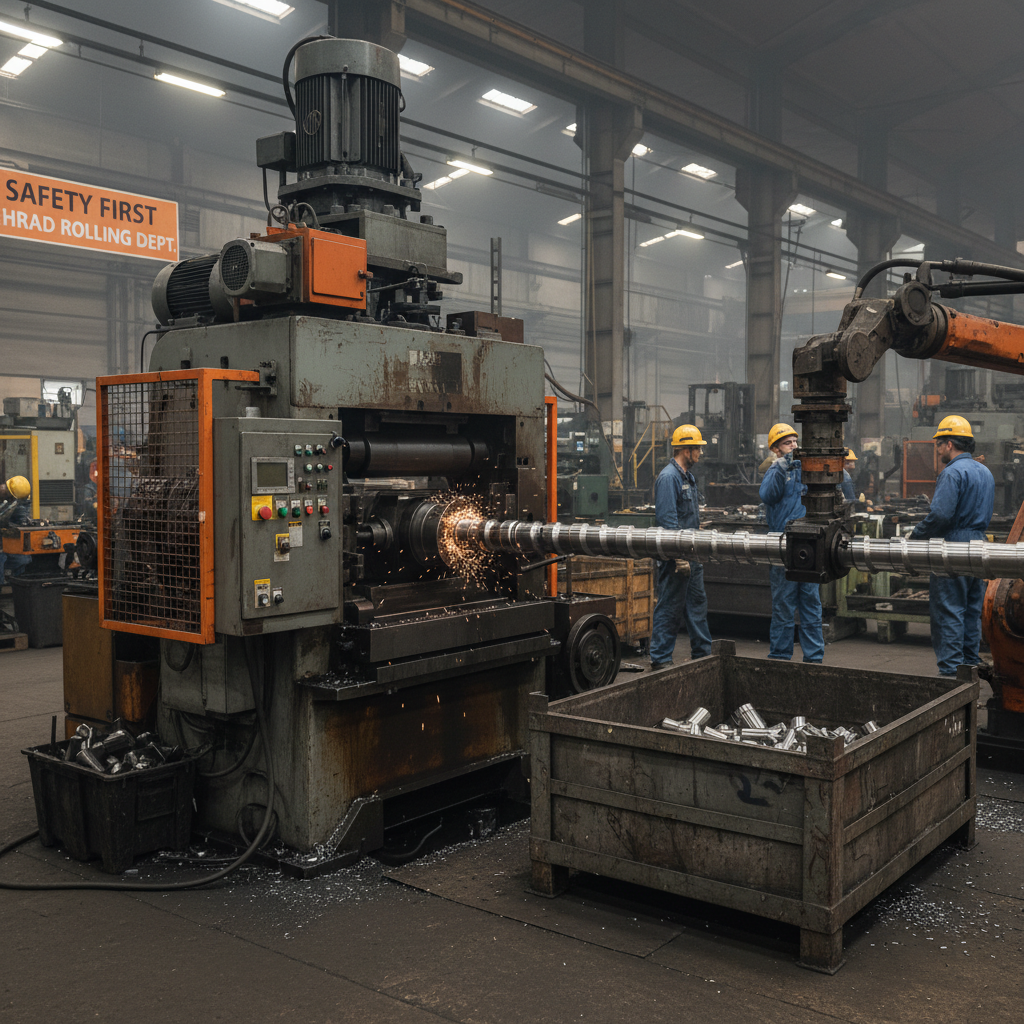
The precise and efficient creation of threaded components is critical across numerous industries, from automotive and aerospace to construction and medical devices. The flat thread rolling machine emerges as a pivotal technology in achieving this, offering a cost-effective and high-strength alternative to traditional machining methods like cutting. Understanding the nuances of this process is paramount for engineers, manufacturers, and anyone involved in the design and production of threaded fasteners and components globally. It’s a technique constantly evolving to meet the demands of increasingly complex applications and material requirements.
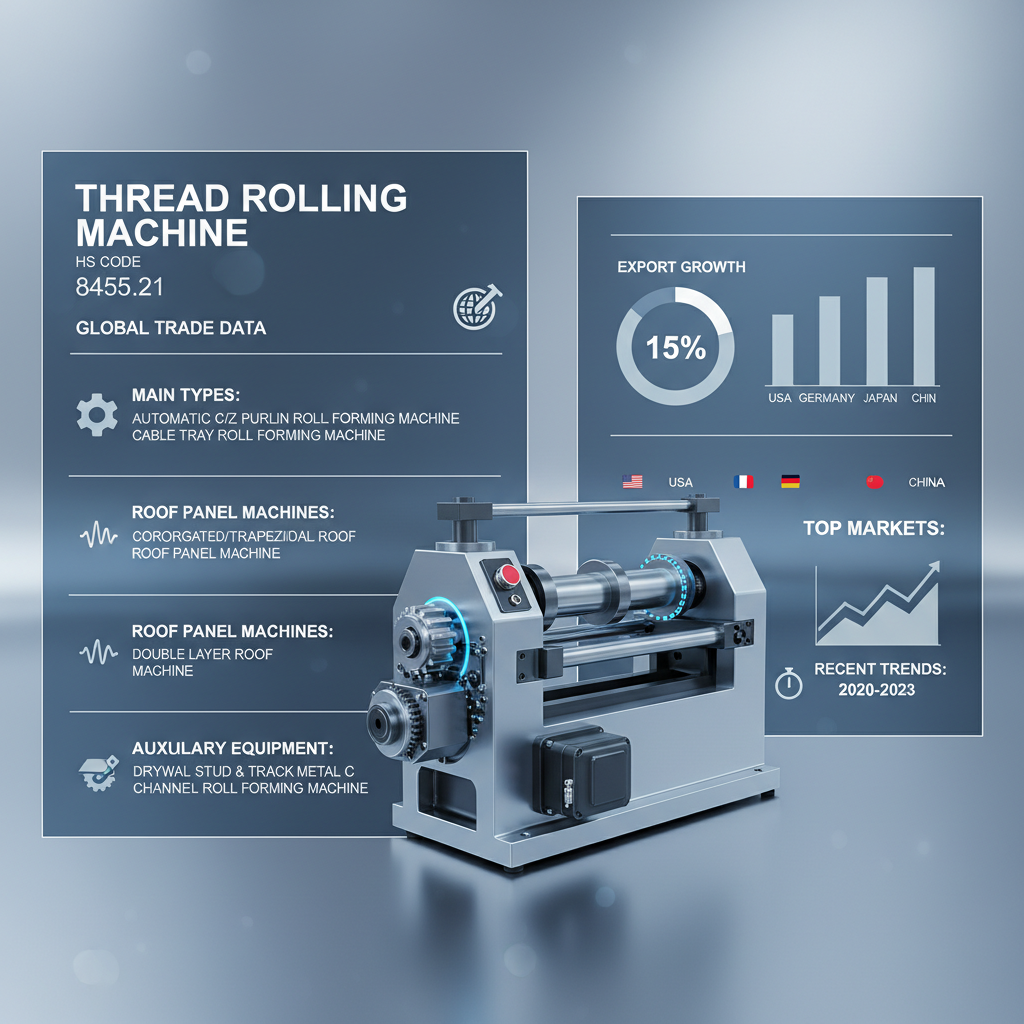
The global market for thread rolling machines is experiencing substantial growth, driven by increasing demand for high-quality fasteners and a shift towards more efficient manufacturing processes. Reports from industry analysts indicate a consistent upward trend, with significant investment occurring in Asia-Pacific, North America, and Europe. This growth isn't merely economic; it's also connected to global infrastructure development, automotive production, and renewable energy initiatives. The need for robust, reliable, and affordable fastening solutions is a driving force behind the widespread adoption of flat thread rolling machine technology.
A key challenge facing manufacturers is balancing production demands with quality control and cost-effectiveness. Traditional methods can be slow, wasteful, and produce components with lower tensile strength. The flat thread rolling machine addresses these concerns by offering a faster, more precise, and material-efficient solution, ultimately leading to stronger, more reliable finished products. This makes it an indispensable tool in modern manufacturing landscapes.
Introduction to flat thread rolling machine
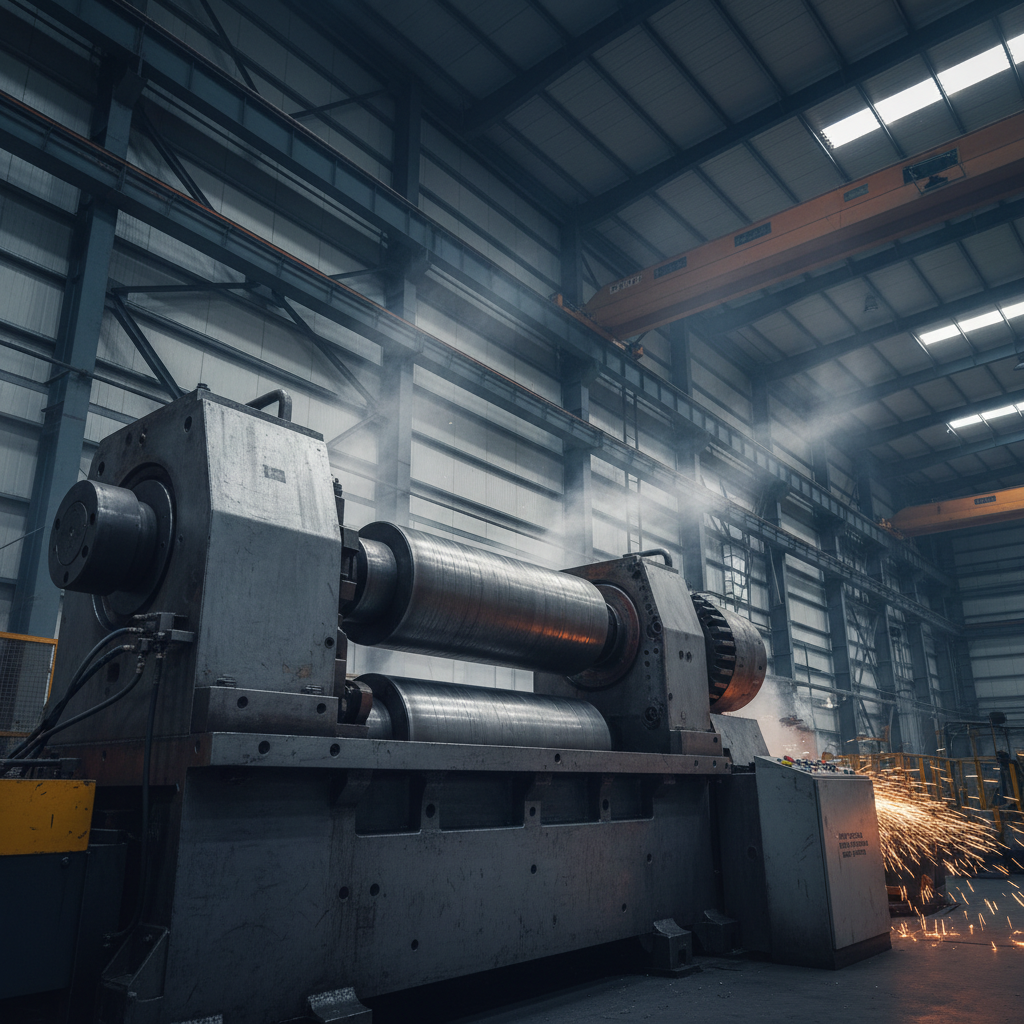
A flat thread rolling machine is a specialized piece of manufacturing equipment designed to create threads on cylindrical workpieces. Unlike cutting threads, which removes material, thread rolling forms the threads through a cold-forming process. This method doesn’t waste material and significantly enhances the strength of the resulting component. This approach is frequently used for producing high-volume fasteners.
The application of the flat thread rolling machine extends beyond simply creating screws and bolts. It’s utilized in manufacturing a wide array of threaded parts, including studs, cap screws, and even specialized components for the automotive and aerospace industries. The process ensures consistent thread quality, dimensional accuracy, and superior mechanical properties, making it a preferred choice for demanding applications.
Global Relevance and Industry Context
The demand for threaded fasteners is inextricably linked to global industrial output and infrastructure development. According to the World Bank, investments in infrastructure – particularly in emerging economies – are accelerating, fueling the need for reliable and cost-effective fastening solutions. The automotive industry, a major consumer of threaded components, is also experiencing significant growth, especially in electric vehicle (EV) production, which requires specialized fasteners for battery packs and other systems.
International Organization for Standardization (ISO) standards govern the quality and specifications of threaded fasteners worldwide. Manufacturers employing flat thread rolling machine technology must adhere to these standards to ensure their products meet global market requirements. Compliance with ISO standards is not merely a matter of quality; it’s essential for accessing international markets and maintaining a competitive edge.
A significant challenge within the fastener industry is reducing material waste and minimizing environmental impact. Traditional machining processes generate substantial scrap material, whereas thread rolling is a cold-forming process that conserves material and reduces energy consumption. This aligns with growing global sustainability initiatives and increasing demand for eco-friendly manufacturing practices.
Defining the flat thread rolling machine
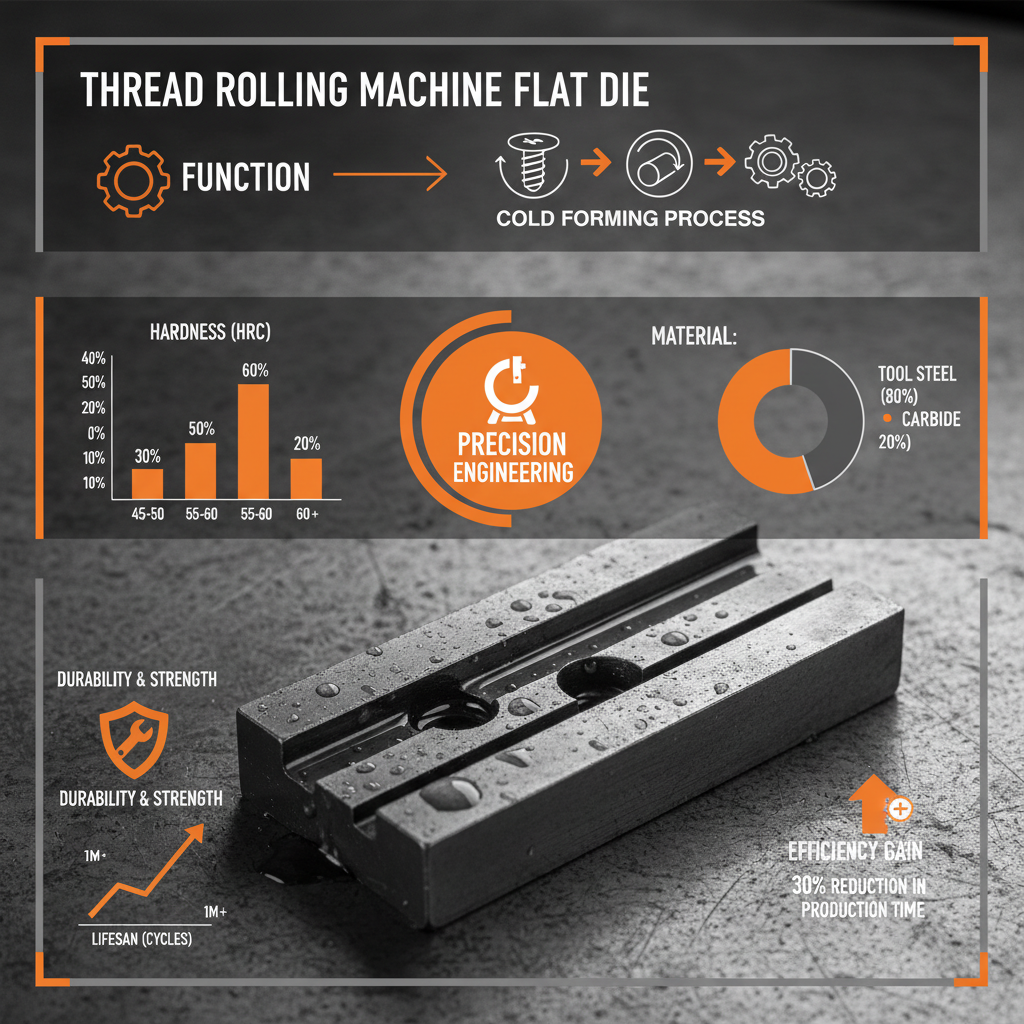
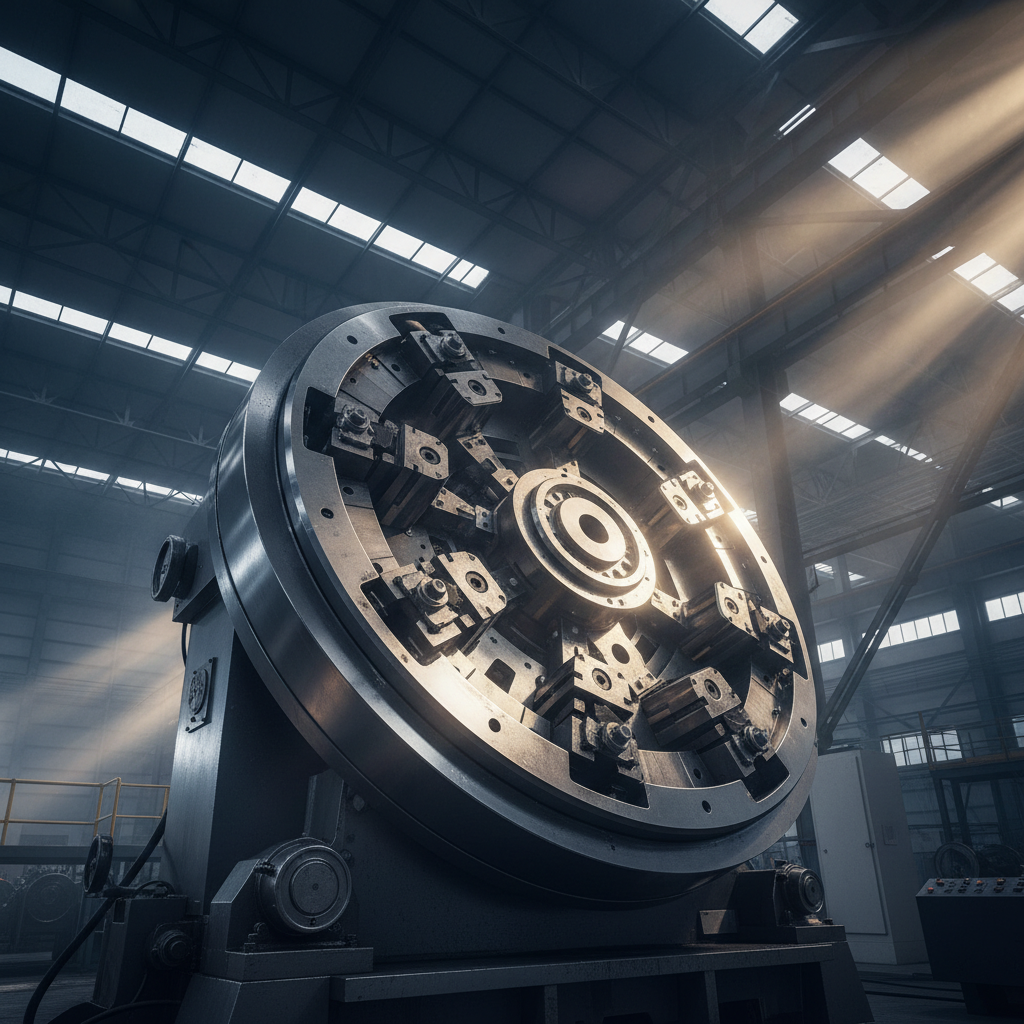
A flat thread rolling machine operates by using two hardened dies – a stationary die and a reciprocating die – to plastically deform the surface of a cylindrical workpiece, creating the desired thread form. The workpiece is fed between these dies, and as the dies move, they simultaneously roll the threads into the material. The process doesn’t cut away metal; it redistributes it, resulting in a stronger and more durable thread.
This method differs from other thread-forming techniques like tapping or die casting. Tapping uses a cutting tool to create internal threads, while die casting involves pouring molten metal into a mold. Thread rolling is particularly advantageous for high-volume production because it’s faster, more efficient, and produces components with superior mechanical properties. It’s essential for modern industrial needs.
The relevance of flat thread rolling machine extends to humanitarian applications as well. In scenarios involving rapid infrastructure deployment – such as disaster relief or refugee camps – the need for quickly produced, high-strength fasteners is critical. The speed and efficiency of thread rolling can significantly accelerate these efforts, contributing to faster and more effective assistance.
Key Factors and Core Components
The durability of a flat thread rolling machine is paramount, considering the high forces involved in the forming process. High-quality steel alloys and robust construction are essential for ensuring long-term reliability and minimal downtime. A properly maintained machine can operate continuously for years with minimal issues.
Scalability is another crucial factor. Manufacturers need machines capable of handling varying production volumes, from small batches to mass production runs. Modern flat thread rolling machine designs often incorporate features allowing for quick die changes and adjustments, enabling seamless transitions between different product sizes and thread specifications.
flat thread rolling machine Performance Metrics
Global Applications and Use Cases
In the automotive industry, flat thread rolling machine is extensively used for producing fasteners for engine components, chassis assemblies, and interior trim. The high strength and reliability of rolled threads are critical for ensuring the safety and performance of vehicles. Furthermore, the growing demand for lightweight materials in automotive manufacturing is driving innovation in thread rolling techniques for aluminum and other alloys.
The aerospace sector relies heavily on precision-engineered fasteners. flat thread rolling machine plays a vital role in producing these components, adhering to stringent quality standards and material specifications. Aerospace applications often require specialized thread forms and materials, necessitating advanced thread rolling capabilities.
Advantages and Long-Term Value
The cost savings associated with flat thread rolling machine are significant. By eliminating material waste and reducing machining time, manufacturers can lower production costs and improve their profitability. The increased strength and durability of rolled threads also contribute to long-term value by reducing the risk of fastener failure and improving product reliability.
From a sustainability perspective, thread rolling is a more environmentally friendly process than traditional machining. Reduced material consumption translates to lower energy usage and less waste generation. This aligns with corporate social responsibility (CSR) goals and contributes to a more sustainable manufacturing ecosystem.
Future Trends and Innovations
The integration of automation and robotics into flat thread rolling machine systems is a key trend shaping the future of the industry. Automated systems can increase production efficiency, improve quality control, and reduce labor costs. Furthermore, the use of sensors and data analytics can enable predictive maintenance and optimize machine performance.
Research and development efforts are focused on expanding the range of materials that can be effectively thread rolled, including high-strength alloys and advanced composites. New die materials and coating technologies are also being explored to improve die life and reduce friction during the rolling process.
Digitalization and the Industrial Internet of Things (IIoT) are poised to transform the flat thread rolling machine landscape. Connected machines can provide real-time data on performance metrics, allowing manufacturers to monitor production processes, identify potential issues, and optimize their operations.
FAQS
A wide range of materials can be processed including various grades of steel (carbon, alloy, stainless), aluminum alloys, brass, and even some plastics. The choice of material depends on the application requirements and the machine's capabilities. However, hardness and ductility play a crucial role; extremely hard or brittle materials may not be suitable for the cold-forming process used in flat thread rolling.
Thread rolling generally results in significantly higher tensile strength compared to thread cutting. This is because the cold-forming process work hardens the material, creating a denser grain structure along the threads. Cutting, on the other hand, severs the grain flow, potentially weakening the component. Rolled threads can exhibit up to 50-100% higher strength than cut threads.
Regular maintenance includes lubrication of moving parts, inspection and replacement of worn dies, and periodic checks of the machine's alignment. Die maintenance is particularly important, as wear can affect thread quality. Preventative maintenance schedules, recommended by the machine manufacturer, should be strictly followed to ensure optimal performance and longevity.
Production rates vary considerably depending on the machine's size, automation level, thread size, material, and operator skill. However, modern, automated flat thread rolling machine systems can achieve production rates of hundreds or even thousands of parts per hour. It’s significantly faster than traditional thread cutting methods.
Safety is paramount. Operators should always wear appropriate personal protective equipment (PPE), including safety glasses and hearing protection. Guards and safety interlocks should be functioning correctly and never bypassed. Proper training on machine operation and emergency shutdown procedures is also essential. Regular safety inspections should be conducted.
The cost varies widely based on the machine's capacity, automation level, and features. Basic, manual machines can be relatively affordable, while fully automated, high-capacity systems can represent a substantial investment. Factors to consider include die costs, installation, training, and ongoing maintenance. A thorough cost-benefit analysis is crucial.
Conclusion
In summary, the flat thread rolling machine is a transformative technology for fastener manufacturing, offering significant advantages in terms of cost efficiency, strength, material utilization, and environmental sustainability. Its widespread adoption across diverse industries reflects its versatility and the critical role it plays in modern production processes. Understanding its principles and applications is essential for anyone involved in engineering, manufacturing, or supply chain management.
Looking ahead, continued innovation in automation, materials science, and digitalization will further enhance the capabilities and efficiency of flat thread rolling machine. Manufacturers who embrace these advancements will be well-positioned to meet the evolving demands of the global market and maintain a competitive edge. Visit our website at www.motetools.com to explore our range of flat thread rolling machines and learn how we can help optimize your production processes.