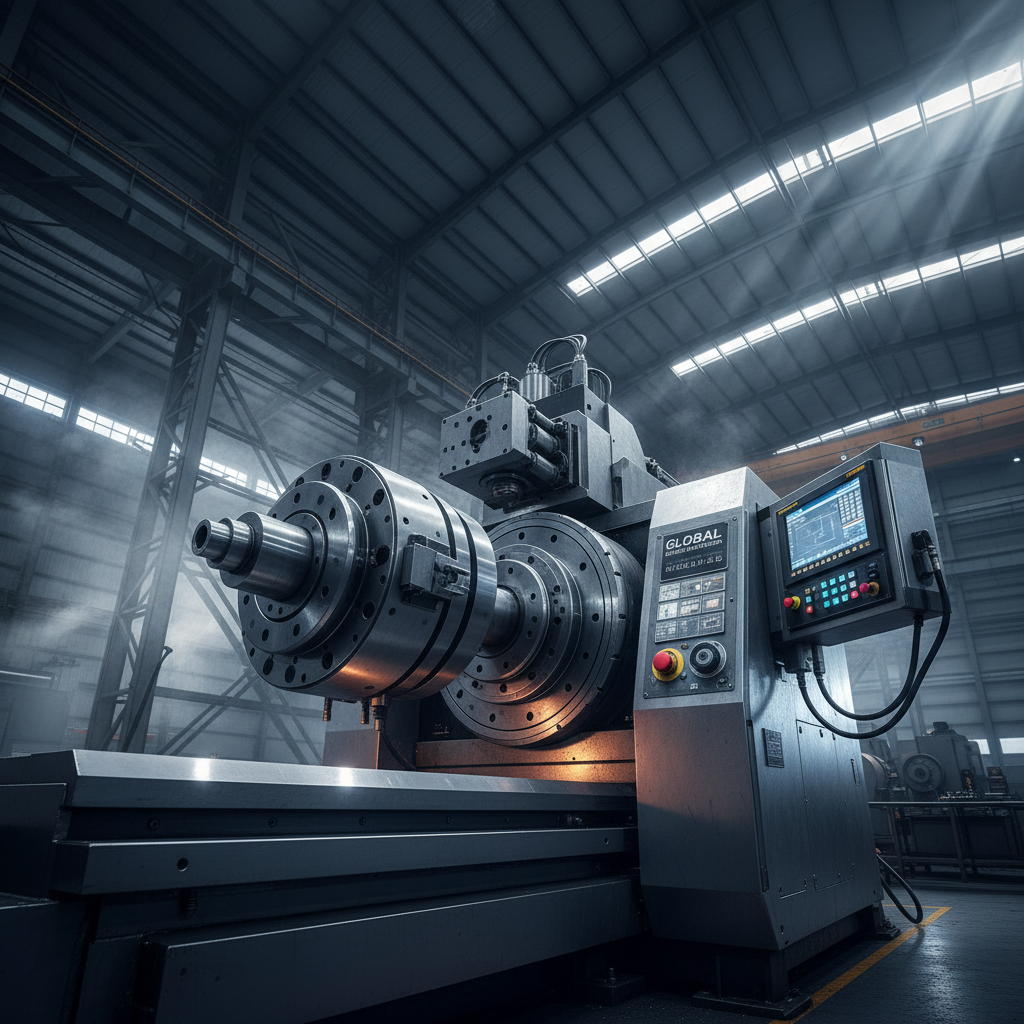
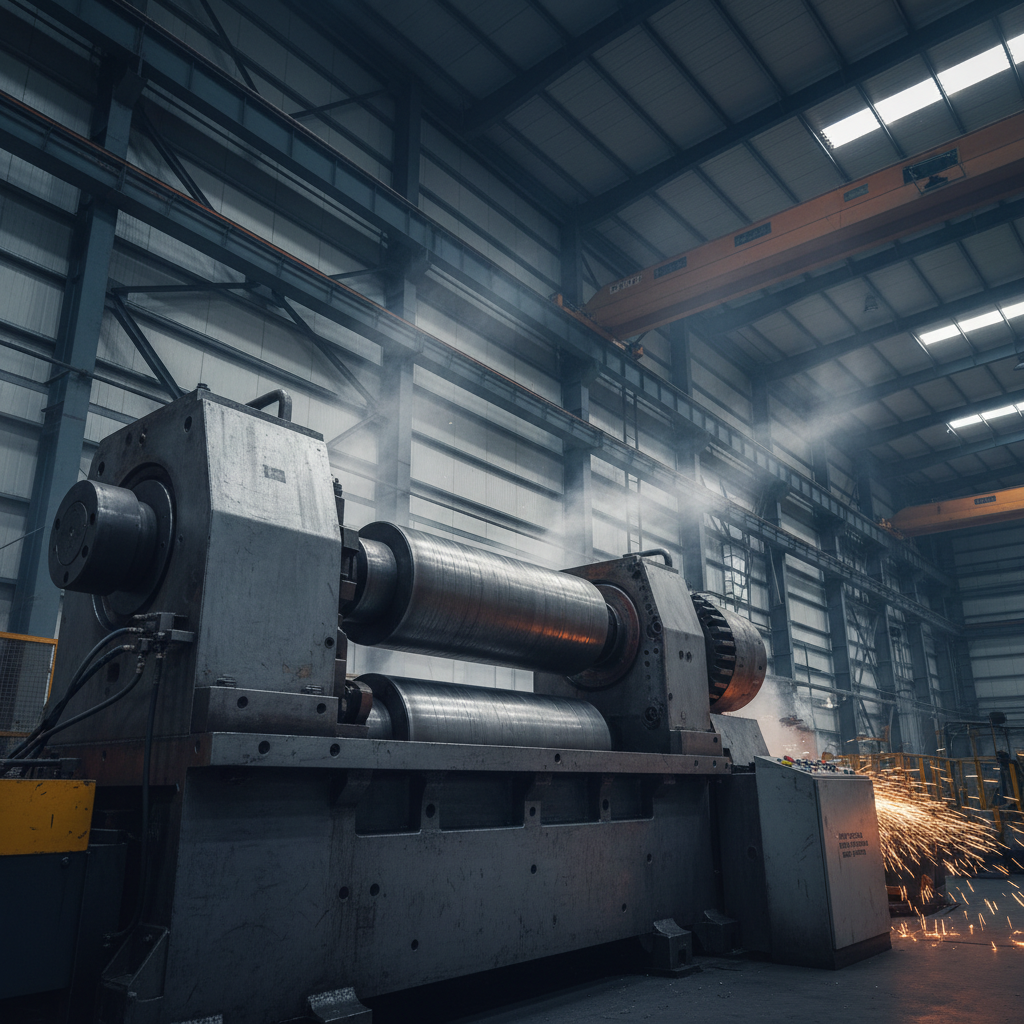
The global manufacturing landscape relies heavily on efficient and precise fastening techniques. Among these, steel thread rolling machine stands out as a critical process for creating strong, reliable threads in a variety of materials. This method is crucial across numerous industries, from automotive and aerospace to construction and oil & gas, impacting everything from the safety of vehicles to the structural integrity of buildings. Understanding the intricacies of steel thread rolling machine is therefore essential for engineers, manufacturers, and anyone involved in product development and quality control.
The demand for high-quality threaded components continues to rise with global industrial expansion, particularly in emerging economies. The steel thread rolling machine process offers significant advantages over traditional thread cutting, including increased strength, improved fatigue resistance, and reduced material waste. It’s a cost-effective solution for mass production, making it indispensable for businesses seeking competitive advantages in today’s market. The pursuit of optimized thread forming techniques and enhanced machine capabilities is a constant driver of innovation in the sector.
Ultimately, mastering steel thread rolling machine isn't just about producing threaded parts; it's about ensuring product reliability, reducing costs, and contributing to a more sustainable manufacturing process. This knowledge is paramount for maintaining standards and driving advancements within critical industries worldwide.
Introduction to Steel Thread Rolling Machine
Steel thread rolling machine is a forming process used to create threads on cylindrical workpieces. Unlike thread cutting, which removes material, thread rolling displaces it, resulting in stronger threads and minimal material waste. This technique is incredibly versatile, accommodating a wide range of materials, including various steel alloys, stainless steel, and even non-ferrous metals. A properly maintained steel thread rolling machine is key to quality output.
The significance of this process lies in its ability to produce threads with superior mechanical properties. The cold-working nature of thread rolling strengthens the material, increasing its tensile strength, shear strength, and fatigue resistance. This is particularly important in applications where component failure could have catastrophic consequences, like in the automotive or aerospace industries.
Defining Steel Thread Rolling Machine
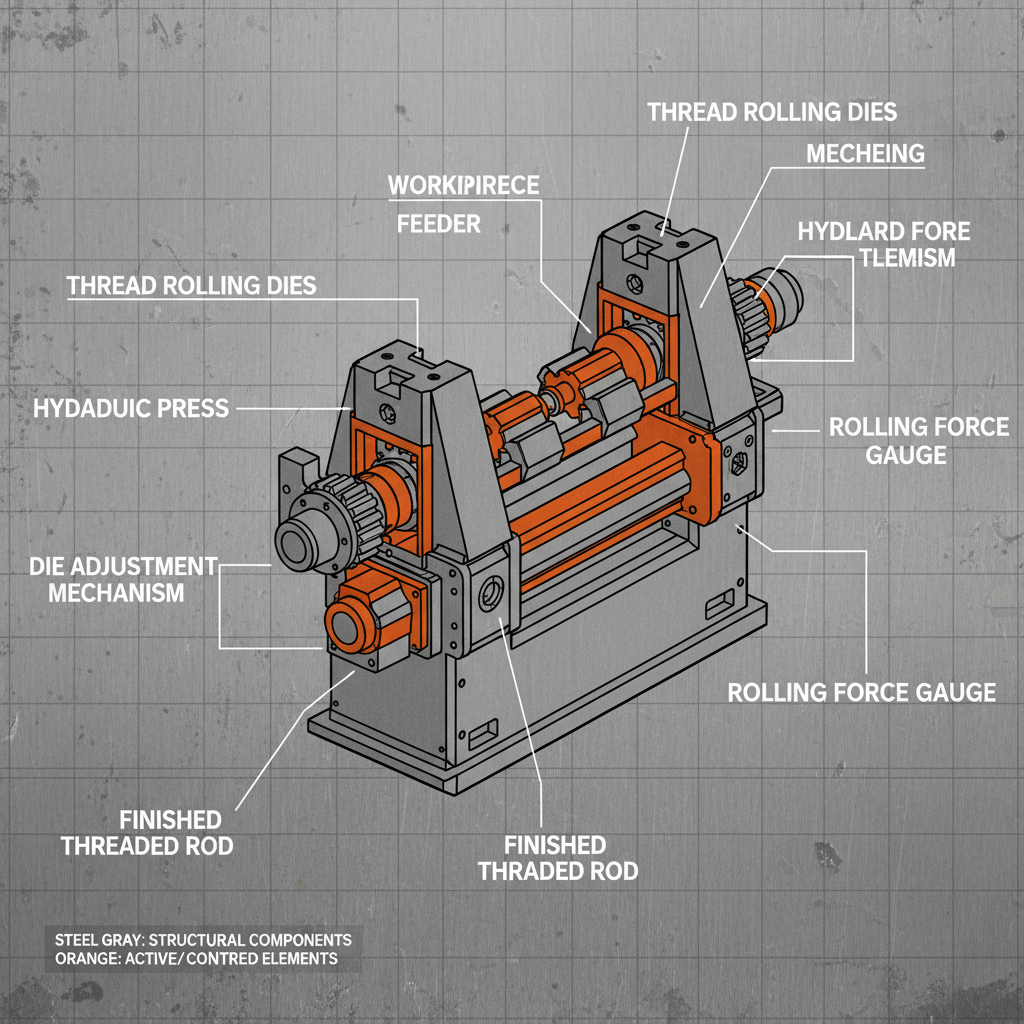
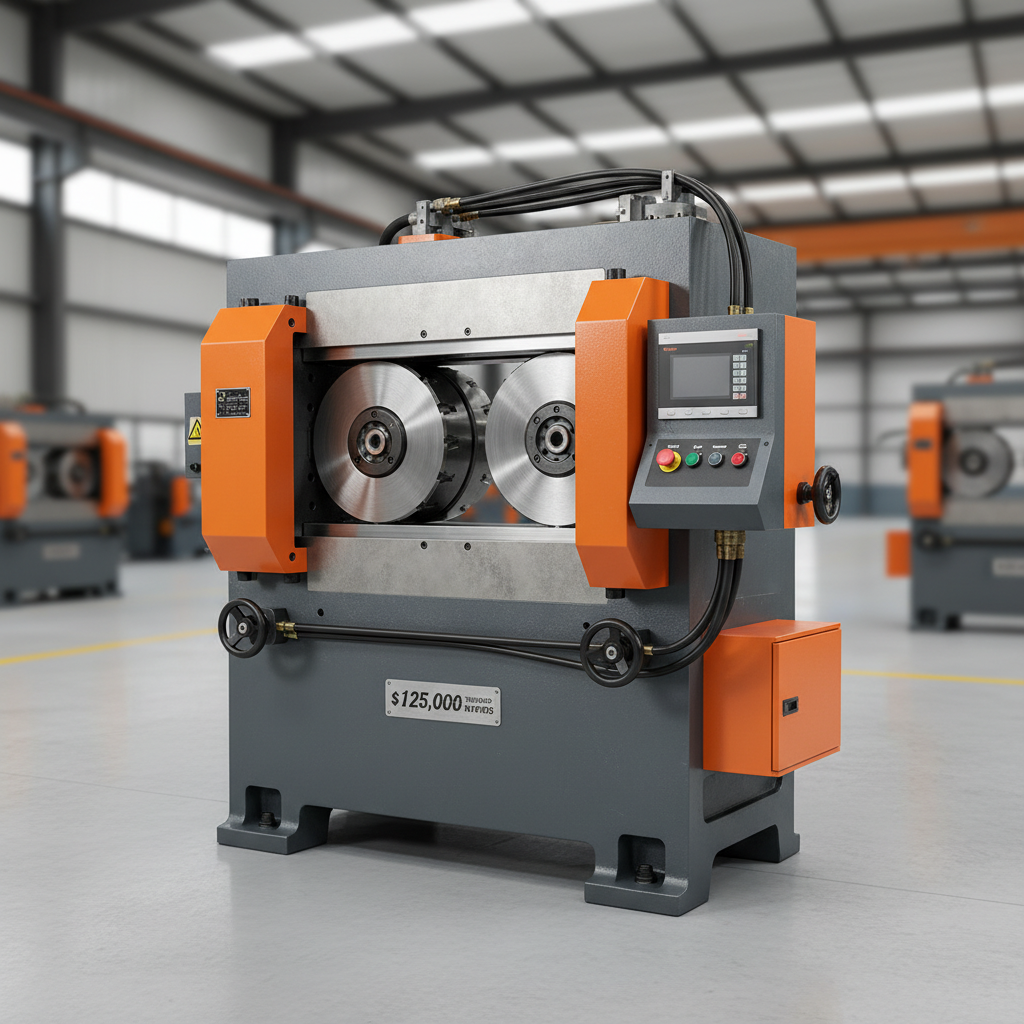
At its core, a steel thread rolling machine uses a set of dies – typically two or three – to plastically deform the surface of a workpiece, creating the desired thread form. The dies contain the inverse of the thread profile and, as the workpiece is rolled between them, the material is displaced to form the threads. This process is fundamentally different from machining, where material is removed.
The connection to modern industry is profound. Consider the billions of threaded fasteners used in everything from automobiles and airplanes to appliances and electronics. Steel thread rolling machine enables the mass production of these vital components with consistent quality and reliability. Without it, many of the products we rely on daily would be significantly more expensive and less durable.
More broadly, the technique supports humanitarian needs by enabling the efficient manufacture of infrastructure components, medical devices, and tools used in disaster relief and development projects. The durability and reliability of rolled threads are particularly important in harsh or challenging environments.
Core Components and Operational Factors
Several key factors contribute to the success of steel thread rolling machine. First, the quality and precision of the dies are paramount. Dies must be made from high-strength materials and accurately machined to ensure the correct thread form and prevent premature wear. Secondly, the machine itself must be robust and capable of delivering consistent force and speed. Maintaining precise control over these parameters is vital.
Another crucial aspect is lubrication. Proper lubrication reduces friction between the workpiece and the dies, extending die life and improving thread quality. The type of lubricant used depends on the material being rolled and the specific machine setup. Selecting the appropriate lubricant is critical for optimizing the process.
Finally, the material properties of the workpiece itself play a significant role. Different materials have different ductility and work-hardening characteristics, which influence the rolling process. Understanding these properties is essential for selecting the appropriate machine settings and die design to achieve the desired results.
Applications Across Global Industries
The applications of steel thread rolling machine are vast and diverse. In the automotive industry, it's used to produce threaded fasteners for engines, transmissions, and chassis components, ensuring vehicle safety and reliability. The aerospace sector relies on rolled threads for critical structural elements, where strength and fatigue resistance are paramount.
The construction industry utilizes rolled threads in bolts, screws, and studs for assembling steel structures, bridges, and buildings. Oil & gas companies depend on high-strength rolled threads for pipelines, valves, and wellhead equipment, often operating in harsh and corrosive environments.
Globally, regions with strong manufacturing sectors – such as China, Germany, the United States, and Japan – are major consumers of steel thread rolling machine technology. In remote industrial zones and even in post-disaster relief operations, the ability to efficiently produce strong, reliable threaded components is invaluable.
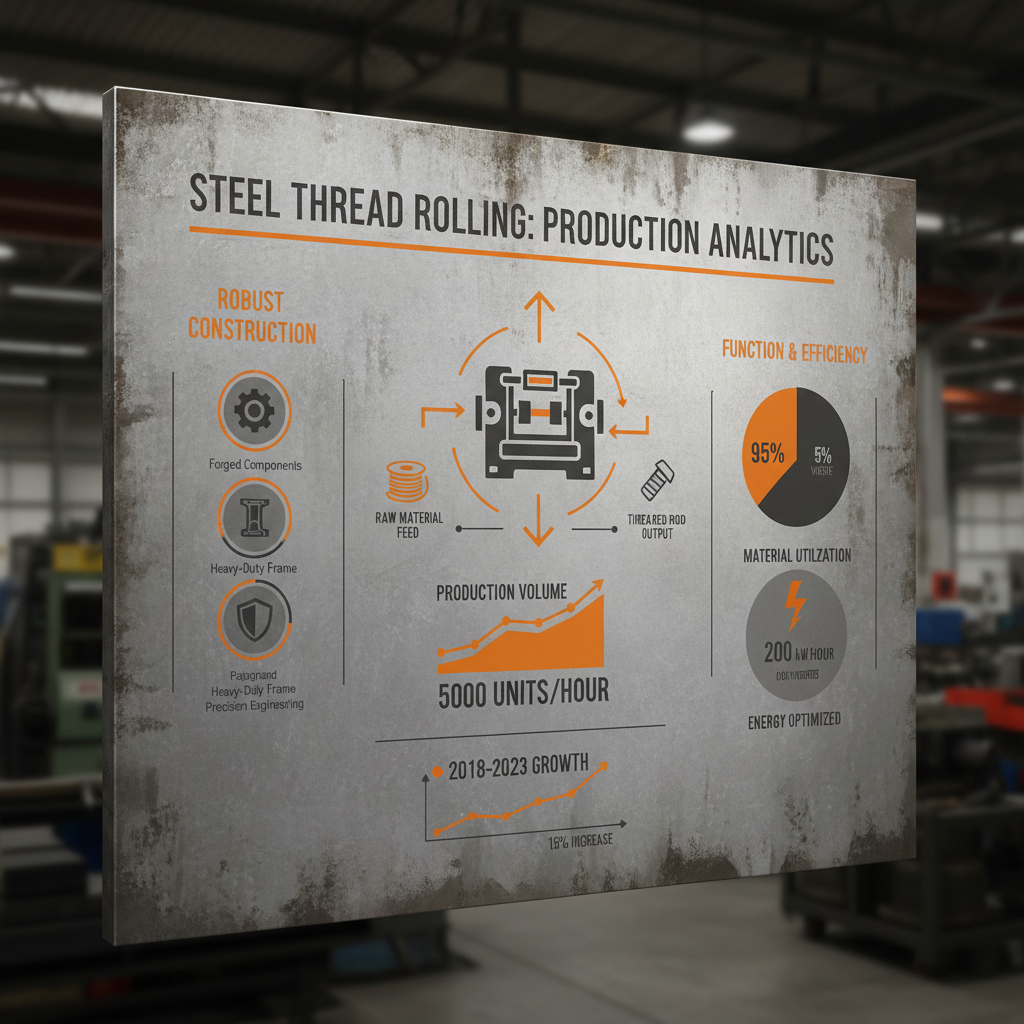
Steel Thread Rolling Machine Performance Metrics
Advantages and Long-Term Value Proposition
The advantages of steel thread rolling machine are substantial. Cost efficiency is a major benefit – the process generates minimal material waste compared to thread cutting, reducing material costs. Furthermore, the increased thread strength and durability translate into longer product lifecycles and reduced maintenance requirements. A well-chosen steel thread rolling machine can significantly impact ROI.
The long-term value extends beyond financial gains. Rolled threads exhibit superior fatigue resistance, enhancing product safety and reliability, building trust with customers. From an environmental perspective, minimizing material waste contributes to more sustainable manufacturing practices, aligning with growing global concerns about resource conservation.
Future Trends in Steel Thread Rolling Machine Technology
Several exciting trends are shaping the future of steel thread rolling machine. Automation and robotic integration are increasing efficiency and reducing labor costs. Advanced sensor technologies and data analytics are enabling real-time monitoring and control of the process, optimizing performance and improving quality.
The development of new materials and die coatings is expanding the range of materials that can be effectively rolled. Sustainability is also driving innovation, with a focus on reducing energy consumption and developing environmentally friendly lubricants. The pursuit of “smart” machines capable of self-diagnosis and predictive maintenance is gaining momentum.
Challenges and Solutions in Implementation
Despite its advantages, steel thread rolling machine presents certain challenges. Die wear is a common issue, requiring regular die replacement or refurbishment. Achieving consistent thread quality can be difficult, particularly when working with challenging materials or complex geometries.
Solutions include investing in high-quality dies, implementing robust maintenance programs, and utilizing advanced process control techniques. Employing finite element analysis (FEA) during die design can optimize die geometry and minimize stress concentrations, extending die life. Furthermore, adopting automated inspection systems can ensure consistent thread quality and reduce scrap rates.
Proper operator training is also vital. A skilled workforce can identify and address potential issues early on, preventing costly downtime and ensuring optimal performance from the steel thread rolling machine.
Summary of Steel Thread Rolling Machine Challenges and Solutions
| Challenge |
Impact on Production |
Potential Solution |
Implementation Cost (1-10) |
| Die Wear |
Reduced thread quality, increased downtime |
High-quality die materials, optimized lubrication |
6 |
| Material Variations |
Inconsistent thread form, scrap rates |
Adjustable machine settings, material-specific dies |
5 |
| Process Instability |
Thread defects, rework |
Real-time monitoring, closed-loop control |
8 |
| Operator Skill Gap |
Incorrect machine setup, quality control errors |
Comprehensive training programs, standardized procedures |
4 |
| Lubrication Issues |
Increased friction, die failure |
Automated lubrication systems, lubricant selection |
7 |
| Equipment Maintenance |
Unexpected downtime, reduced capacity |
Preventive maintenance schedules, spare parts inventory |
3 |
FAQS
Steel thread rolling machine offers several key advantages over thread cutting. Notably, it improves thread strength by cold-working the material, enhancing its tensile and shear strength. It also minimizes material waste as it forms, rather than removes, material. Finally, it can be significantly faster for high-volume production, leading to cost savings.
While primarily used for steel and steel alloys, steel thread rolling machine can also process certain non-ferrous metals like aluminum and copper alloys, depending on their ductility. Materials with good cold-working properties and lower tensile strength are generally more suitable. The specific material properties will dictate the die design and machine settings.
Die lifespan depends heavily on the material being rolled, the volume of production, and the quality of the dies themselves. Regular inspection is crucial. Dies should be replaced or refurbished when signs of wear, such as chipping, cracking, or dimensional changes, are observed. Preventative maintenance schedules should be implemented.
Consider factors such as the required thread size range, production volume, material types, and level of automation needed. The machine's capacity, precision, and control system are also crucial. It is best to consult with machine manufacturers like Motetools to determine the best machine for your specific applications.
Lubrication is critical for reducing friction between the workpiece and the dies, minimizing wear, and improving thread quality. It also helps to dissipate heat generated during the process. Selecting the right lubricant depends on the material being rolled and the machine setup. Improper lubrication can lead to die failure and poor thread form.
Automation significantly enhances efficiency by reducing labor costs, increasing production speed, and improving process consistency. Automated systems can handle material loading and unloading, process monitoring, and quality control, resulting in higher throughput and reduced scrap rates. Integrated robotics further optimize the process.
Conclusion
Steel thread rolling machine remains a cornerstone of modern manufacturing, offering unparalleled advantages in terms of strength, efficiency, and cost-effectiveness. Its ability to produce high-quality threaded components is critical across a vast range of industries, from automotive and aerospace to construction and energy. The ongoing advancements in automation, materials science, and process control are poised to further enhance its capabilities and expand its applications.
Looking ahead, a continued focus on sustainable practices, coupled with strategic investments in innovative technologies, will be essential for maximizing the value of steel thread rolling machine. Businesses that embrace these trends will be well-positioned to thrive in an increasingly competitive global marketplace. For optimal performance and tailored solutions, visit our website at www.motetools.com.