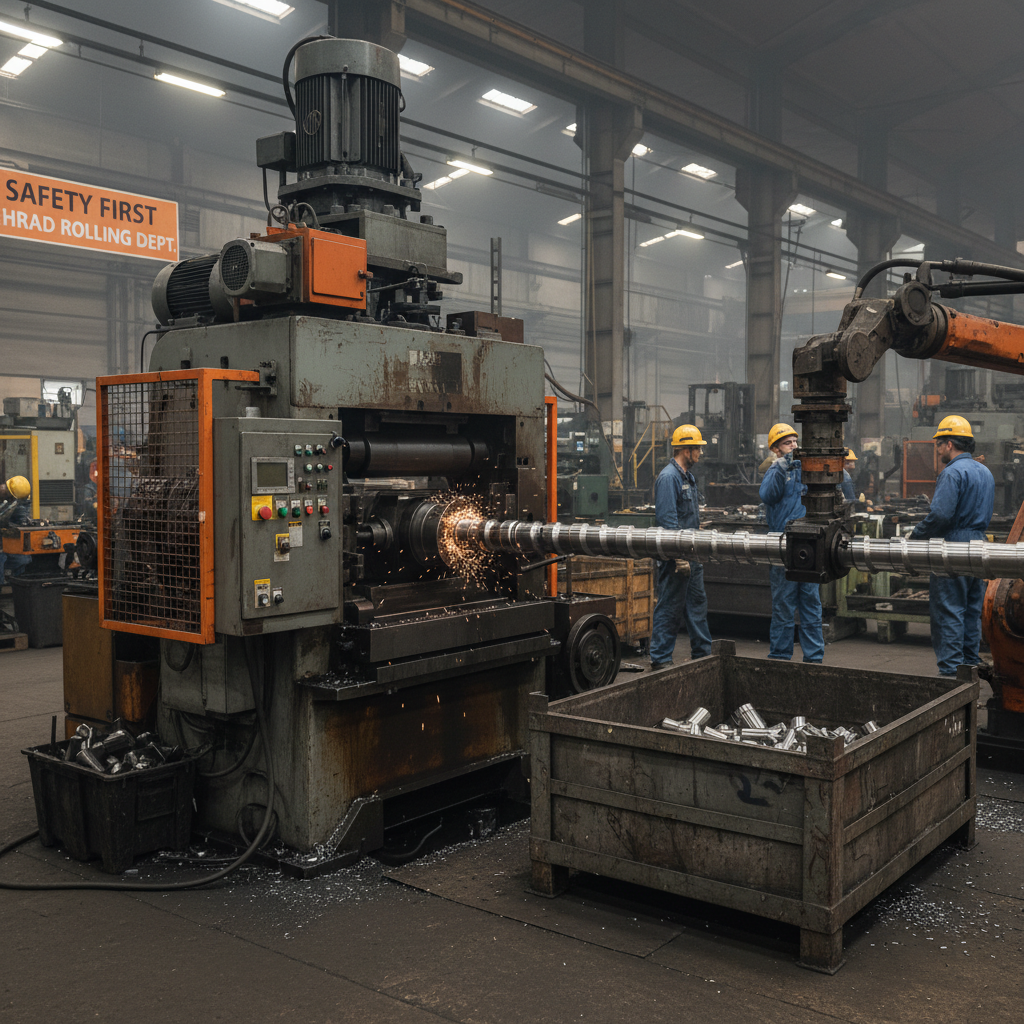
The demand for efficient and reliable manufacturing processes is ever-increasing in today’s globalized world. At the heart of many industries lies the crucial process of thread formation, and a screw thread rolling machine plays a pivotal role in achieving this. This technology allows for the creation of strong, precise threads on various materials, offering a cost-effective and time-efficient alternative to traditional thread cutting methods. Understanding the nuances of these machines is vital for engineers, manufacturers, and anyone involved in the production of threaded fasteners and components.
The global fastener market is a multi-billion dollar industry, projected to continue its growth trajectory driven by infrastructure development, automotive production, and various engineering applications. Screw thread rolling is a core process underpinning this growth. Increasingly stringent quality standards and the need for high-volume production require sophisticated screw thread rolling machine solutions. Addressing challenges in material compatibility, thread precision, and production efficiency is critical to meeting this demand.
Furthermore, the advancements in screw thread rolling machine technology directly contribute to the sustainability of manufacturing processes. By minimizing material waste and energy consumption compared to traditional methods, these machines align with global efforts towards greener production practices. Investing in and understanding these machines is no longer just about efficiency; it's about responsible manufacturing for the future.
The Fundamentals of screw thread rolling machine
A screw thread rolling machine functions on the principle of plastic deformation, rather than material removal, which differentiates it from traditional cutting methods. This process involves using hardened steel dies to form the desired thread shape onto a workpiece. The result is a stronger, more durable thread due to the cold working process that enhances the material's tensile strength.
The efficiency of a screw thread rolling machine is significantly higher than cutting methods, as there is minimal material waste. This makes it not only economically viable but also environmentally responsible. Different types of rolling machines exist, including flat die, cylindrical die, and planetary die machines, each suited for specific applications and production volumes.
The Global Impact of screw thread rolling machine
The widespread use of screw thread rolling machine is a testament to its versatility and efficiency. Major manufacturing hubs in Asia, particularly China and India, heavily rely on this technology to produce fasteners for global industries. Europe and North America also maintain substantial production capacities, focused on high-precision and specialized thread rolling applications.
According to a recent report by the International Fastener Expo, the global fastener market is expected to reach $85 billion by 2028, with thread rolling being a dominant production method. This growth is fueled by increased demand from automotive, aerospace, construction, and energy sectors. The reliance on reliable fastening solutions makes screw thread rolling machine critical to global supply chains.
The accessibility and affordability of screw thread rolling machine technology have also enabled localized production in emerging economies, fostering regional industrial development and reducing reliance on imports. This democratization of manufacturing empowers smaller businesses to compete effectively in the global market.
Defining a screw thread rolling machine
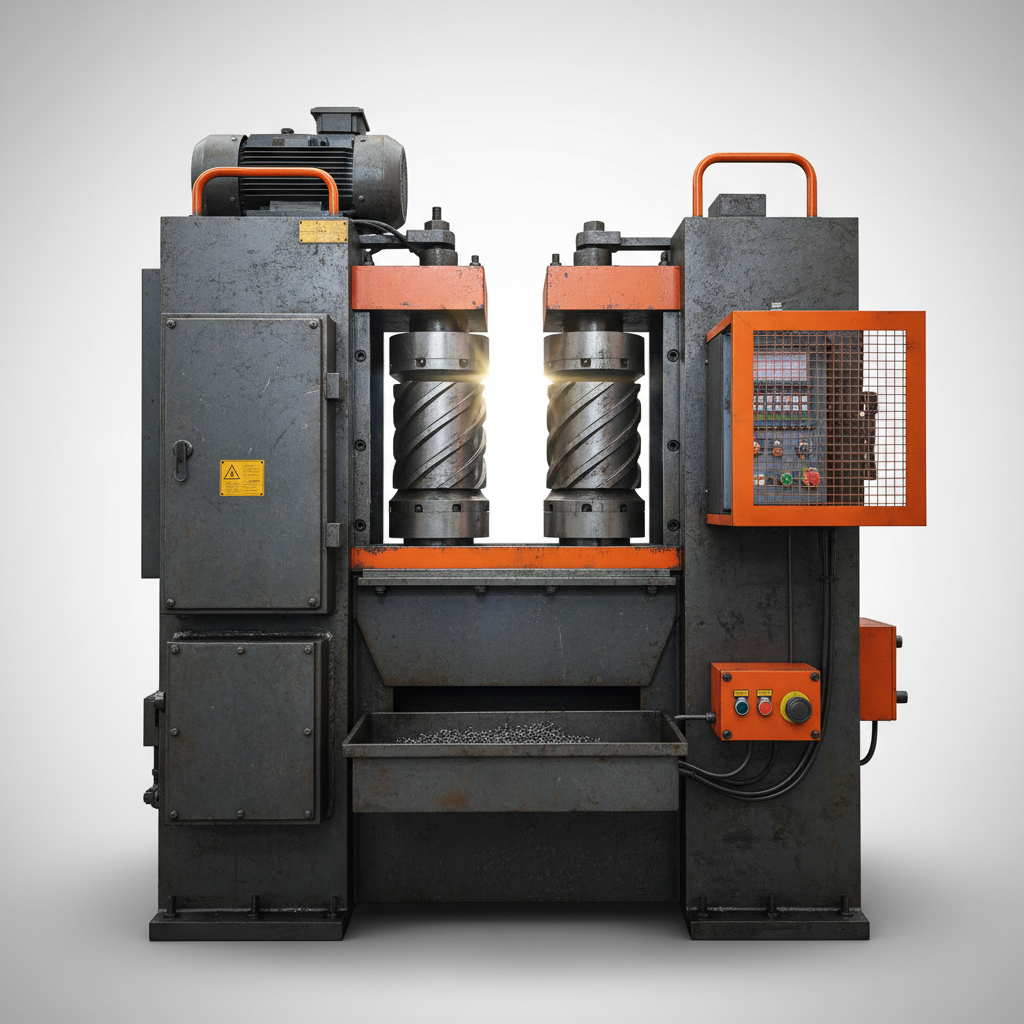
A screw thread rolling machine is a specialized machine tool engineered to form threads on cylindrical workpieces. Unlike thread cutting, which removes material, thread rolling displaces the material to create the thread form, resulting in a stronger and more durable thread. This process utilizes hardened dies that are pressed against the workpiece, plastically deforming the material into the desired thread profile.
The connection to modern industry is profound. From the smallest screws in electronics to the large bolts securing critical infrastructure, thread rolling is essential. Humanitarian efforts often rely on the mass production of standardized fasteners facilitated by these machines, enabling rapid construction of shelters and essential facilities.
In essence, a screw thread rolling machine is a facilitator of connection – connecting components, connecting industries, and ultimately, connecting the world through reliable and efficient fastening solutions. Its continued development and refinement are crucial to supporting innovation and progress across numerous sectors.
Key Components and Operational Factors
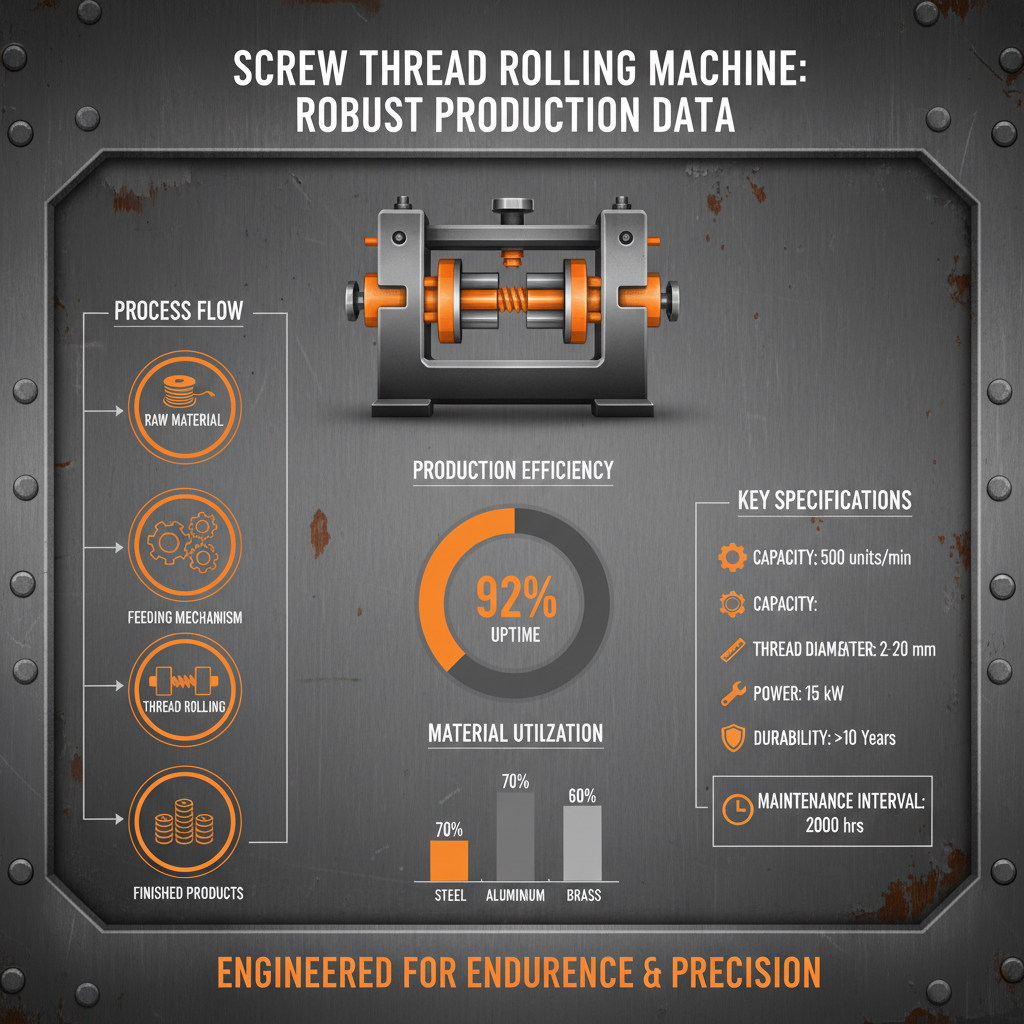
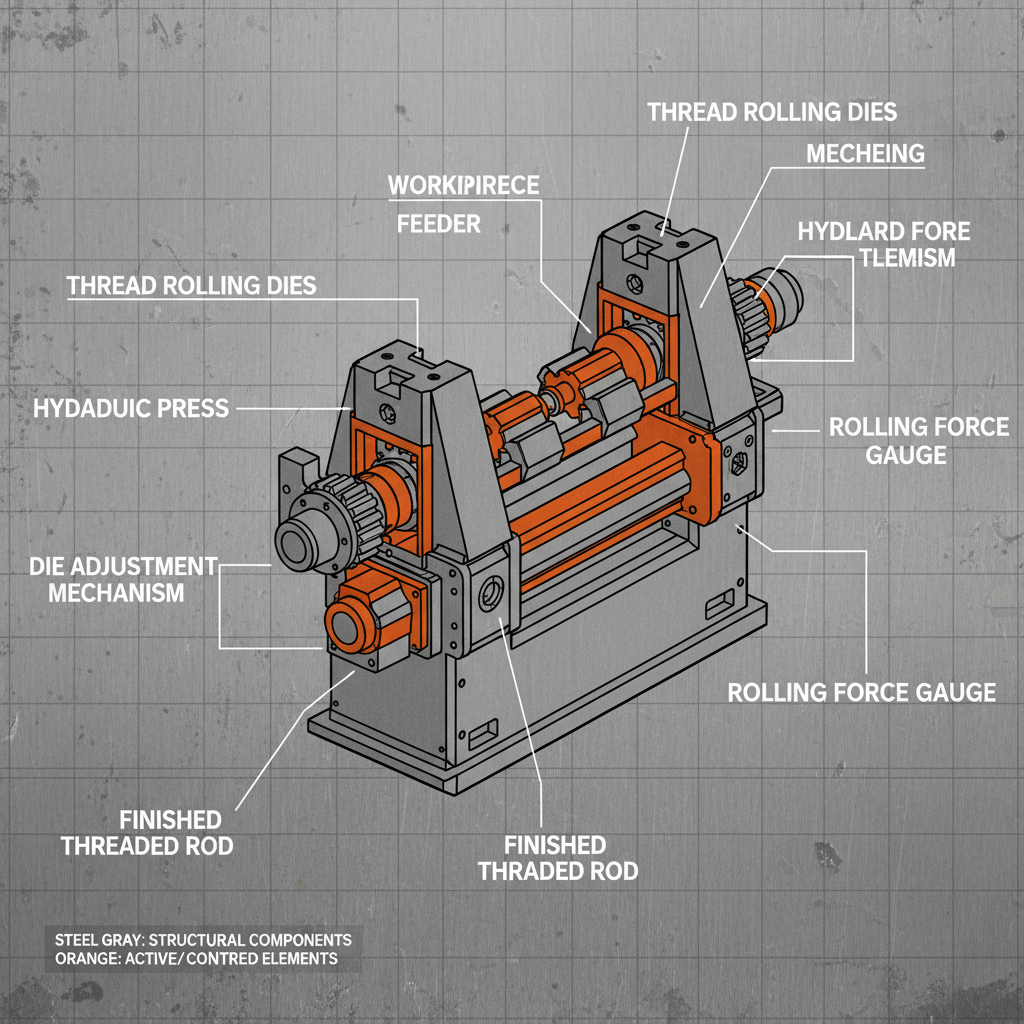
The performance of a screw thread rolling machine hinges on several key components. These include the dies, which determine the thread profile; the guide rails, ensuring accurate workpiece movement; the feeding mechanism, controlling the material flow; and the drive system, providing the necessary force and speed. Regular maintenance and proper die alignment are critical for optimal operation.
Operational factors like material type, thread pitch, and desired production volume all influence the selection of the appropriate machine type and process parameters. Softer materials are generally easier to roll, while harder materials may require higher forces and more robust dies. Understanding these nuances is key to achieving consistent, high-quality results with a screw thread rolling machine.
Performance Metrics for Different screw thread rolling machine Methods
Diverse Applications Across Industries
The applications of a screw thread rolling machine are remarkably diverse. In the automotive industry, they are used to produce bolts, screws, and studs for engine components, chassis assemblies, and interior fixtures. The aerospace sector demands high-precision threaded parts for aircraft structures, requiring specialized machines capable of achieving exceptional accuracy.
Construction relies heavily on fasteners created by these machines for building frameworks, securing structural elements, and assembling prefabricated components. Furthermore, in the electronics industry, small screws and fasteners are essential for assembling circuit boards, enclosures, and other delicate components, showcasing the adaptability of screw thread rolling machine technology.
The Advantages and Long-Term Value Proposition
The advantages of utilizing a screw thread rolling machine extend beyond mere production efficiency. The increased strength and durability of rolled threads translate to more reliable products and reduced failure rates, enhancing product safety and longevity. Cost savings are significant due to reduced material waste and faster production cycles.
The long-term value proposition lies in the sustainability of the process. By minimizing material usage and energy consumption, screw thread rolling machine technology aligns with environmentally responsible manufacturing practices. This contributes to a positive brand image and supports corporate social responsibility initiatives.
Future Trends and Technological Innovations
The future of screw thread rolling machine technology is poised for significant advancements. Automation and integration with robotics are increasing, leading to fully automated production lines with enhanced precision and efficiency. The development of new die materials and coatings is extending die life and improving thread quality.
Digitalization and Industry 4.0 principles are playing a crucial role, with real-time monitoring and data analytics enabling predictive maintenance and optimized process control. Furthermore, research into innovative rolling techniques, such as ultrasonic or laser-assisted rolling, promises to unlock even greater capabilities and expand the range of applicable materials.
Sustainability remains a key driver, with a focus on developing energy-efficient machines and reducing the environmental impact of the entire thread rolling process. The integration of artificial intelligence (AI) is also emerging, offering potential for self-optimizing machines that can adapt to varying material properties and production requirements.
Key Performance Indicators for Screw Thread Rolling Machine Optimization
| Material Type |
Die Life (Hours) |
Thread Quality (Scale 1-10) |
Production Cost ($/Unit) |
| Low Carbon Steel |
500 |
9 |
0.01 |
| Stainless Steel 304 |
350 |
8 |
0.025 |
| Aluminum Alloy 6061 |
800 |
7 |
0.015 |
| High Strength Steel |
200 |
10 |
0.03 |
| Titanium Alloy |
150 |
8 |
0.05 |
| Brass Alloy |
600 |
9 |
0.012 |
FAQS
Screw thread rolling offers several advantages over cutting, including increased thread strength due to work hardening, higher production rates, minimal material waste, and reduced tooling costs. The process doesn’t remove material, instead displacing it, which makes the finished product more robust. This translates to a more cost-effective and sustainable manufacturing process for creating threaded fasteners and components, particularly when dealing with high-volume production runs.
A wide range of materials can be successfully thread rolled, including low and high carbon steels, alloy steels, stainless steels, aluminum alloys, brass, copper, and even some plastics. Material ductility is a key factor; more ductile materials typically produce better results. However, advancements in die technology and rolling processes have expanded the range of rollable materials to include those with higher hardness levels.
Die life varies depending on the material being rolled, the production volume, and the die material itself. Generally, dies need replacing when they show signs of wear, such as reduced thread quality or increased rolling force. Regular inspection and monitoring of die condition are crucial. Expect die life to range from a few hundred to several thousand hours of operation.
Routine maintenance for a screw thread rolling machine includes regular lubrication of moving parts, cleaning to remove debris, and inspection of the guide rails and feeding mechanisms. Die alignment must be checked periodically and adjusted as needed. Scheduled preventative maintenance is highly recommended to ensure optimal performance and minimize downtime.
Safety is paramount when operating any industrial machinery. Always wear appropriate personal protective equipment (PPE), including safety glasses and hearing protection. Ensure all guards and safety devices are in place and functioning correctly. Proper training on machine operation and emergency procedures is essential to prevent accidents.
The most common types of screw thread rolling machine include flat die machines, cylindrical die machines, and planetary die machines. Flat die machines are ideal for high-volume production of smaller parts. Cylindrical die machines are best suited for larger diameters and lower production volumes. Planetary die machines offer a balance between speed and versatility, and are often used for complex thread forms.
Conclusion
In conclusion, the screw thread rolling machine stands as a cornerstone of modern manufacturing, offering unparalleled efficiency, strength, and cost-effectiveness in thread production. From its foundational principles of plastic deformation to its diverse applications across industries, this technology continues to evolve, driving innovation and progress. Understanding its capabilities and nuances is essential for engineers, manufacturers, and anyone involved in the design and production of threaded components.
Looking ahead, the integration of automation, digitalization, and sustainable practices will further enhance the capabilities of screw thread rolling machine. Investing in this technology not only optimizes production processes but also contributes to a more resilient and responsible manufacturing ecosystem. To explore how a screw thread rolling machine can benefit your operations, visit our website: www.motetools.com.