You know, after running around construction sites all year, dealing with dust and steel, you start to see some patterns. Lately, everyone’s talking about automation, right? Everything has to be smart, connected, efficient. But honestly, a lot of it feels like chasing the shiny object. The real challenge isn't making things capable of more, it's making them reliable in the mud and grime.
It's funny, you spend months designing something in CAD, running simulations, and then the first guy on site finds a flaw in five minutes. Have you noticed that? They always do. Anyway, I think it’s because we engineers sometimes forget what it's actually like out there.
We're seeing a big push for more sophisticated thread rolling machines. Not just the old-school kind, but fully automatic ones. The demand is through the roof, especially with the labor shortages. But that doesn't mean just throwing a bunch of servos and PLCs at the problem.
The Rising Tide of Automation in Fastening
To be honest, the whole automatic thread rolling machine scene has changed dramatically in the last few years. It’s not just about speed anymore; it's about consistency and reducing the need for skilled labor. You go to some factories now, and they're practically begging for people who can even read a blueprint, let alone operate a machine. The pressure's on to get these automated systems up and running.
The global market is huge, obviously. Automotive, aerospace, heavy machinery…they all need reliable fasteners. The ISO standards are getting tighter too, so you need machines that can consistently meet those specs. I saw some data from the World Bank showing a massive increase in infrastructure projects in developing nations, which means even more demand for these machines.
Design Pitfalls: It's Not Always About More Features
I encountered this at a fastener factory in Ningbo last time. They had designed this incredibly complex automatic machine, with like, ten different sensors and a robotic arm that could practically build the entire fastener itself. Looked amazing on paper, right? But it was a nightmare to maintain. Every time something went wrong, you needed a PhD to diagnose it. Strangely, the simpler machines kept chugging along, making good parts all day.
The biggest mistake I see is overcomplication. People try to cram too much functionality into these machines without thinking about real-world usability. It’s tempting to add every bell and whistle, but sometimes, the most reliable solution is the simplest one. Keep the mechanics straightforward, make it easy to troubleshoot, and focus on core performance.
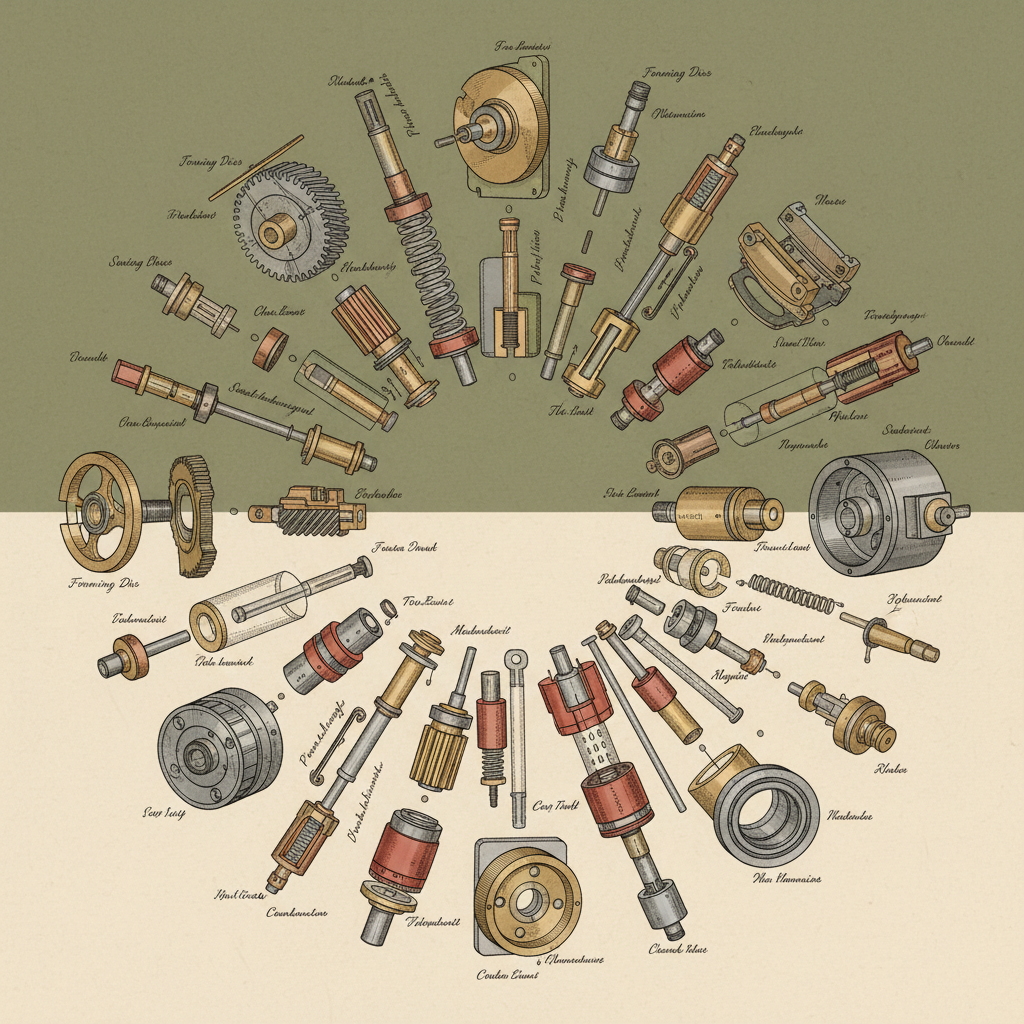
And don’t underestimate the importance of good tooling. A fancy machine with worn-out dies is just a really expensive paperweight.
Materials Matter: The Feel of Quality
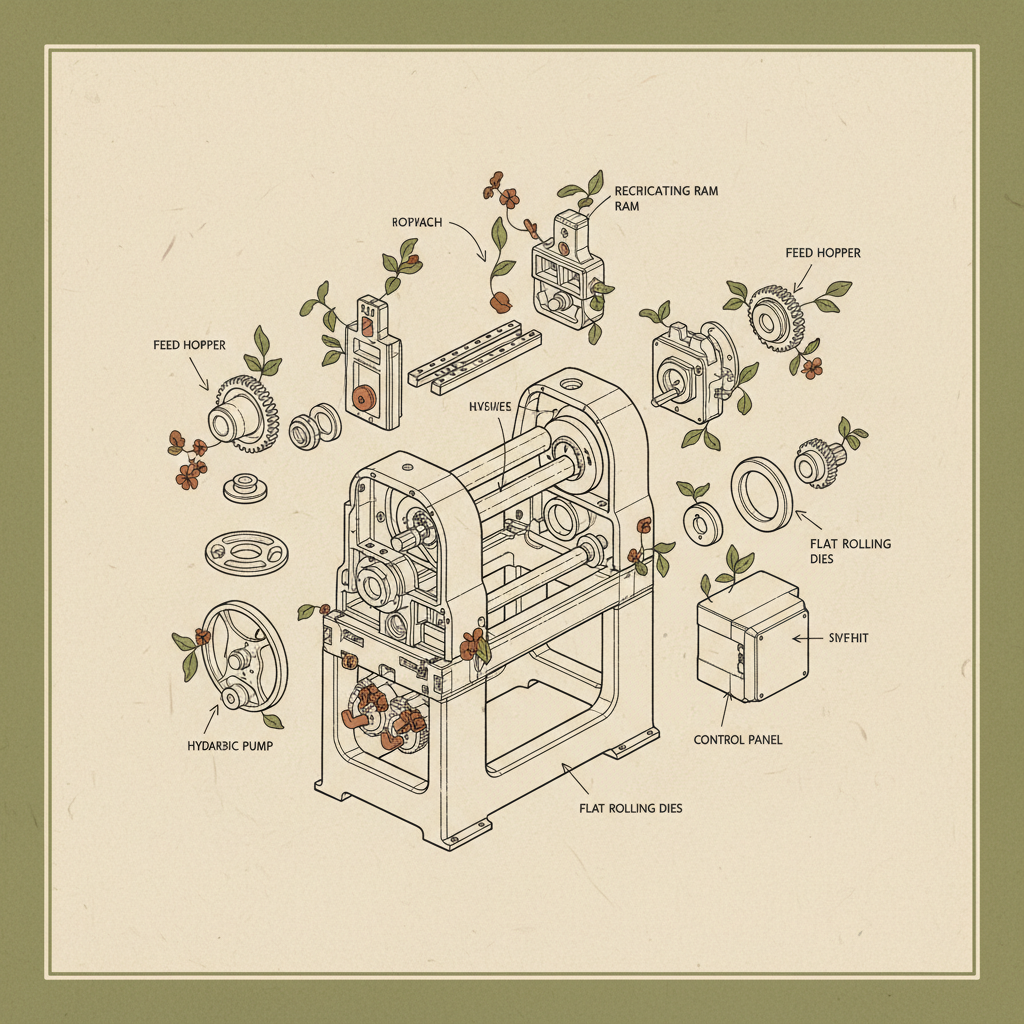
Now, let's talk materials. A good automatic thread rolling machine isn't just about the electronics; it’s about the steel, the alloys, the dies. I mean, you can feel the difference. The machine frame itself needs to be robust. We’re using a lot of high-strength alloy steel these days, something like 4140. It’s got a good balance of toughness and machinability. You can smell the oil on it when it's new – that’s a good sign.
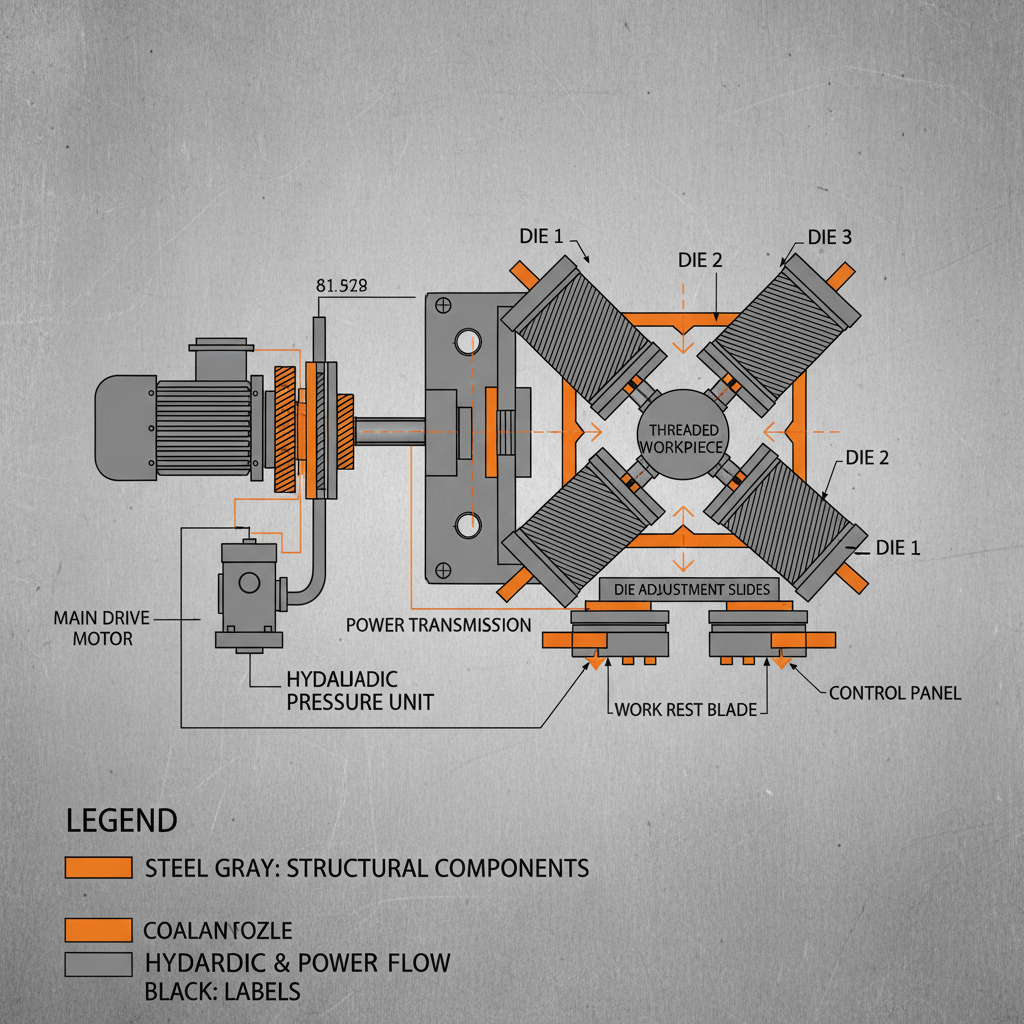
The dies, that’s where things get really interesting. They're usually made from tool steel, like M2 or M42. You want something that can withstand tremendous pressure and heat without deforming. The finish on the dies is crucial too. It needs to be perfectly polished to prevent galling and ensure a consistent thread form. I’ve seen dies that were improperly hardened, and they just crumble after a few thousand cycles. A total waste of money.
And then you’ve got the lubrication system. Proper lubrication is critical to reduce friction and prevent wear. We’re moving towards more environmentally friendly lubricants, but they still need to perform just as well as the old stuff.
Real-World Testing: Beyond the Lab
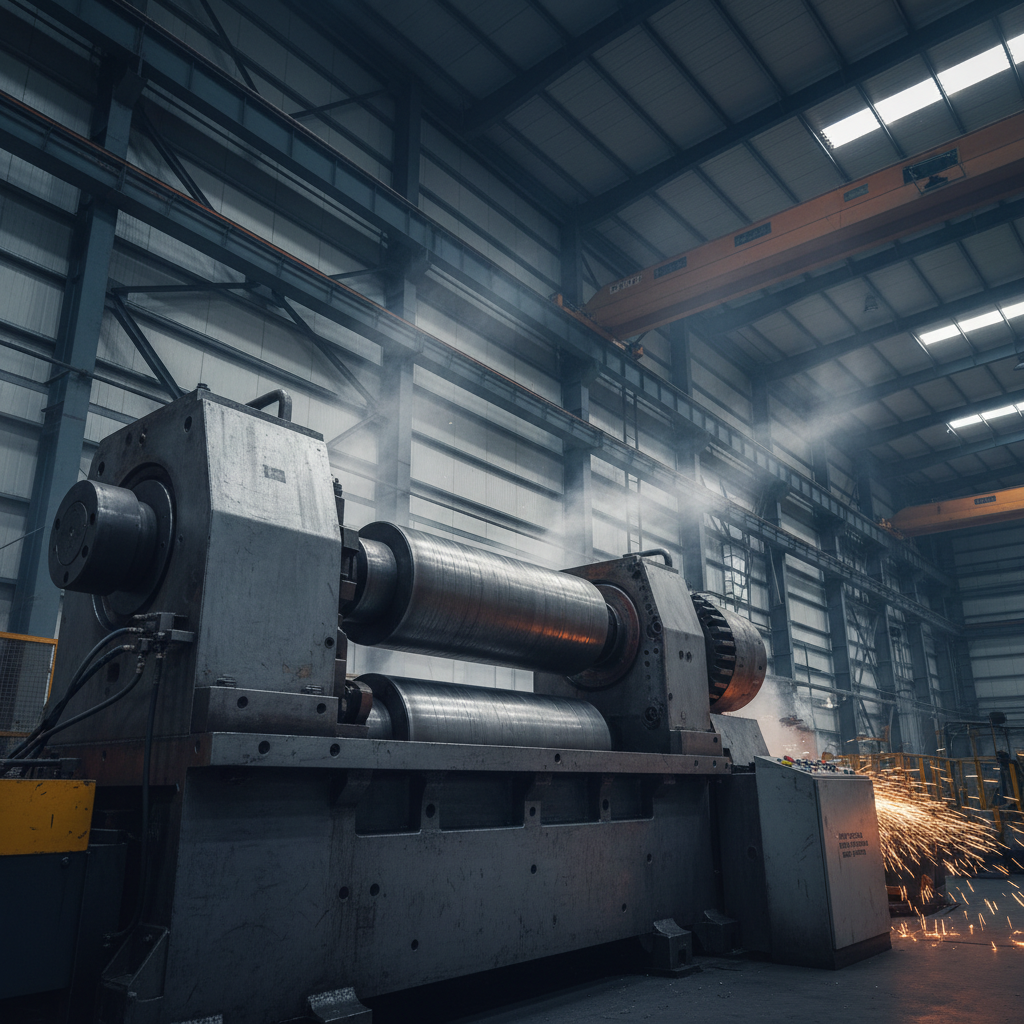
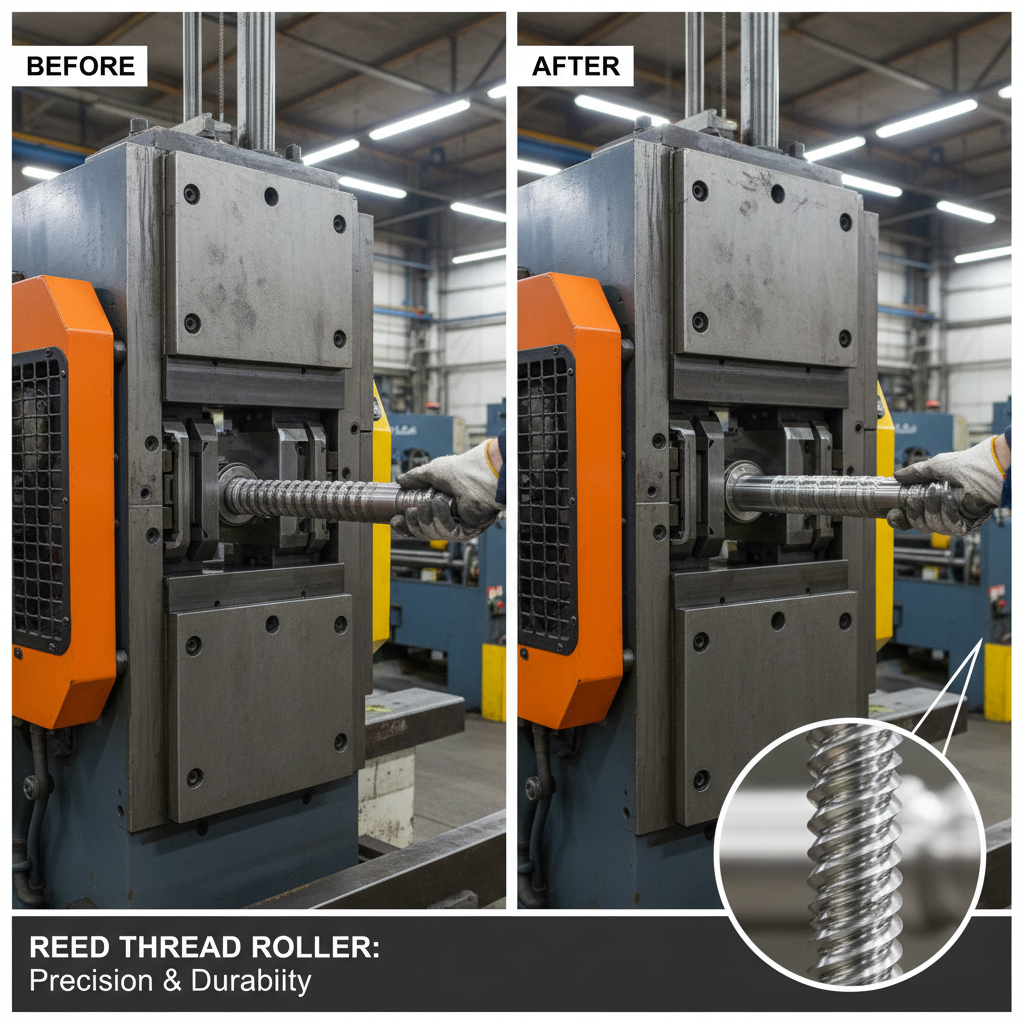
Look, I’ve seen too many machines that perform beautifully in a climate-controlled lab but fall apart the moment they hit a real factory floor. The vibrations, the dust, the temperature fluctuations… it’s a whole different ballgame. We do a lot of testing in simulated environments, but nothing beats putting a machine through its paces in a real-world setting.
Automatic Thread Rolling Machine Test Results
How They Actually Use It: Unexpected Applications
You wouldn’t believe some of the ways people are using these machines. It’s not always about making screws, you know? We had one customer using it to create textured surfaces on medical implants to encourage bone growth. Another was using it to form intricate patterns on jewelry. Later... Forget it, I won't mention it.
It really highlights the versatility of the technology. It's not just a fastener-making machine; it's a metal forming machine. People are constantly finding new and innovative ways to use it.
Advantages and…Let’s Be Real, Disadvantages
The advantages are pretty clear: increased production speed, reduced labor costs, improved consistency. But there are drawbacks, too. The initial investment is significant. These machines aren't cheap. And you need skilled technicians to operate and maintain them. Also, they’re not always great for short production runs. Setting up a machine for a small batch can take a lot of time and effort.
Plus, they can be sensitive to variations in material properties. If the wire isn't perfectly consistent, you'll get inconsistent results. So, material quality control is essential.
Customization and the Shenzhen Smart Home Saga
Customization is definitely a big thing. Customers often want machines tailored to their specific needs. A common request is for different die configurations to accommodate different fastener sizes and thread forms. We did one project where a customer needed a machine that could handle a completely new type of fastener they had designed.
Now, last month, that small boss in Shenzhen who makes smart home devices insisted on changing the interface to . Said it was “more modern.” We warned him it would require a complete redesign of the control system and add significant cost, but he wouldn't listen. He just wanted the bragging rights. The result? He ended up blowing his budget and delaying his product launch by three months.
Anyway, I think that story perfectly illustrates the importance of balancing customization with practicality.
Key Performance Metrics for Automatic Thread Rolling Machines
| Cycle Time (seconds) |
Defect Rate (%) |
Maximum Production Capacity (parts/hour) |
Maintenance Downtime (hours/month) |
| 1.5 |
0.2 |
3600 |
4 |
| 2.0 |
0.5 |
2800 |
6 |
| 1.2 |
0.1 |
4000 |
2 |
| 1.8 |
0.3 |
3200 |
5 |
| 1.6 |
0.4 |
3000 |
3 |
| 2.2 |
0.6 |
2500 |
8 |
FAQS
That depends heavily on your production volume and current labor costs, but generally, you're looking at 2-5 years. The biggest savings come from reduced labor and minimized scrap rates. A lot of customers also factor in the increased capacity - being able to take on more orders without adding headcount. We’ve seen some return their investment in under two years with high-volume applications.
Regular maintenance is key. Things like lubrication, die inspection, and cleaning are essential. We recommend a preventative maintenance schedule, which typically involves a technician checking the machine every month or so. But honestly, a well-built machine shouldn't require a ton of major repairs. It’s the cheap ones that’ll eat your time and money.
Absolutely. But you need the right tooling and lubrication for each material. Stainless steel requires different dies and lubricants than, say, aluminum. Titanium is a bit trickier – it’s harder to work with and requires more precise control. You also have to consider the wear on the dies – some materials are more abrasive than others.
We provide comprehensive training for operators, covering everything from machine setup to troubleshooting. The level of training depends on the complexity of the machine and the operator's prior experience. It's important that operators understand the fundamentals of thread rolling and the machine's safety features. You don't want someone messing around with high-pressure machinery without knowing what they’re doing.
Safety is paramount. Modern machines are equipped with features like light curtains, emergency stop buttons, and interlocks to prevent operators from getting injured. We also incorporate guarding to protect moving parts. It's all about minimizing risk and ensuring a safe working environment. We always tell customers to prioritize safety training for their operators.
Good question! Cold heading forms the fastener from a wire blank, whereas thread rolling shapes the threads onto a pre-formed blank. Think of it like sculpting versus carving. Cold heading generally requires more force, but it can create a wider variety of fastener shapes. Thread rolling is typically used for higher-volume production of threaded fasteners. Each has its strengths, depending on the application.
Conclusion
Ultimately, automatic thread rolling machines are about more than just speed and efficiency. It’s about reliability, consistency, and reducing the burden on skilled labor. They're a significant investment, but a well-chosen and properly maintained machine can pay for itself many times over. It’s about finding the right balance between automation and human expertise.
And remember, the industry is constantly evolving. We’re seeing more demand for customized solutions and environmentally friendly lubricants. The future is likely to involve even more sophisticated automation and data analytics. But at the end of the day, whether this thing works or not, the worker will know the moment he tightens the screw.