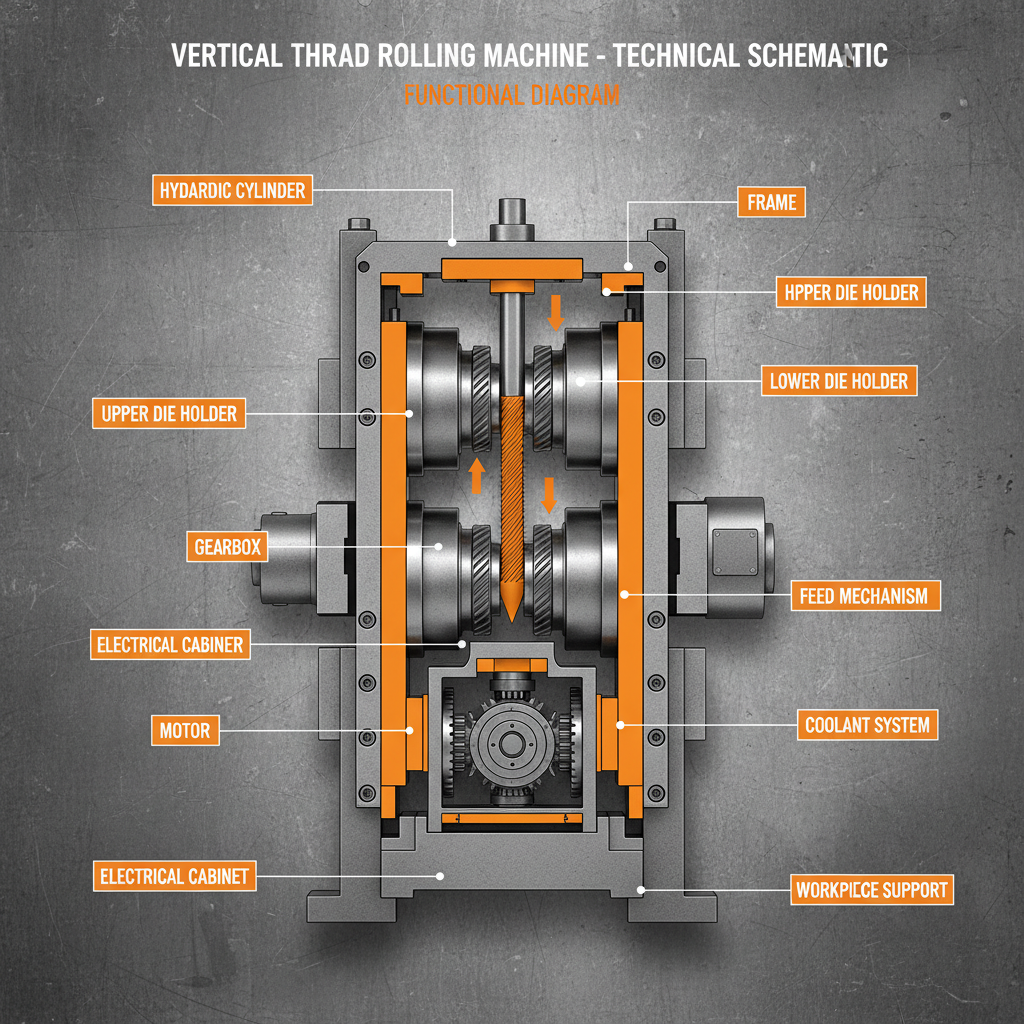
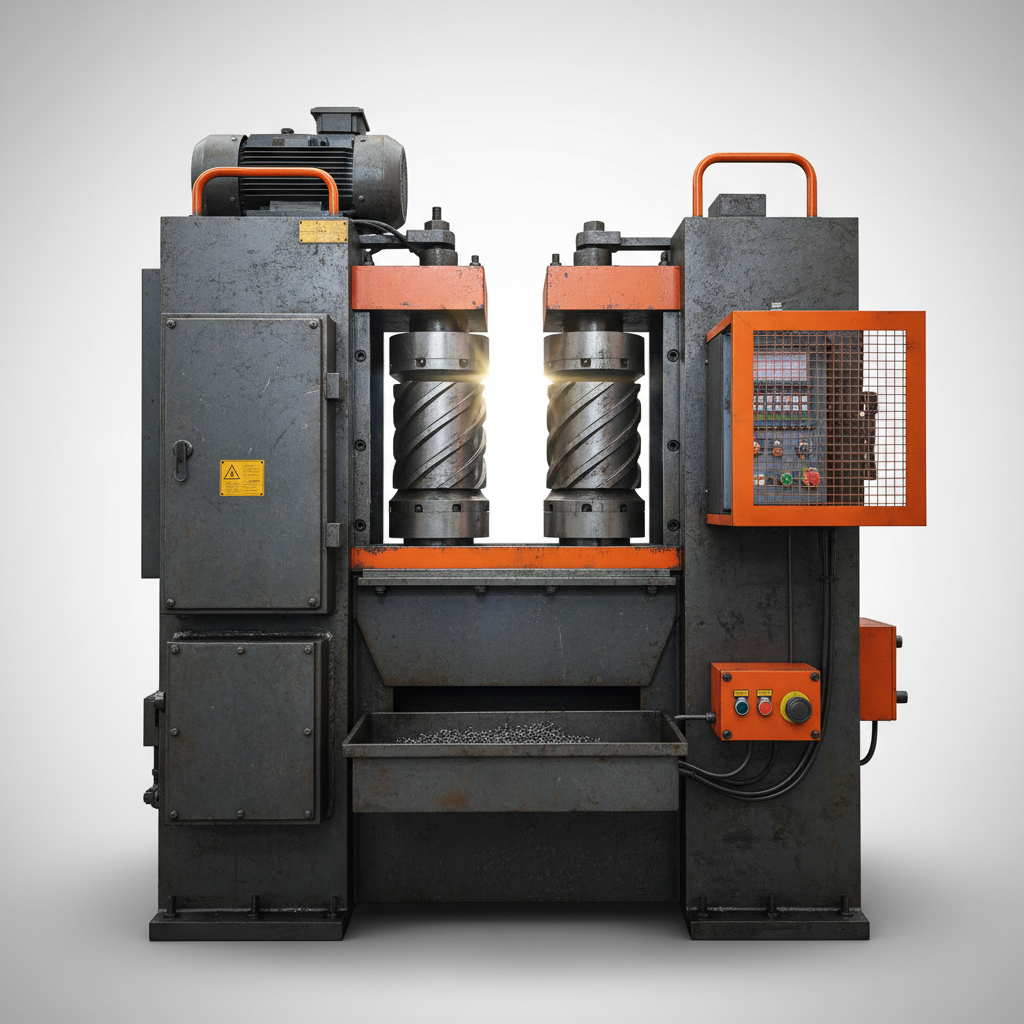
The 3 die thread rolling machine stands as a cornerstone of modern manufacturing, enabling the efficient and precise creation of threads on various materials. Globally, thread rolling is critical for industries ranging from automotive and aerospace to construction and electronics, impacting the production of fasteners, bolts, screws, and other essential components. The demand for high-strength, accurately formed threads continues to rise alongside advancements in engineering and infrastructure.
This technology addresses the pressing need for cost-effective and scalable manufacturing solutions. As global supply chains become increasingly complex, the ability to produce high-quality threaded parts locally and efficiently is vital. The 3 die thread rolling machine offers a compelling solution to this challenge, reducing reliance on imported components and shortening lead times, ultimately bolstering economic stability and competitiveness.
Understanding the intricacies of the 3 die thread rolling machine, its capabilities, and its potential for innovation is paramount for engineers, manufacturers, and anyone involved in the production of threaded fasteners and components. It provides a pathway to improved product quality, reduced manufacturing costs, and enhanced operational efficiency.
The Fundamentals of 3 Die Thread Rolling Machine
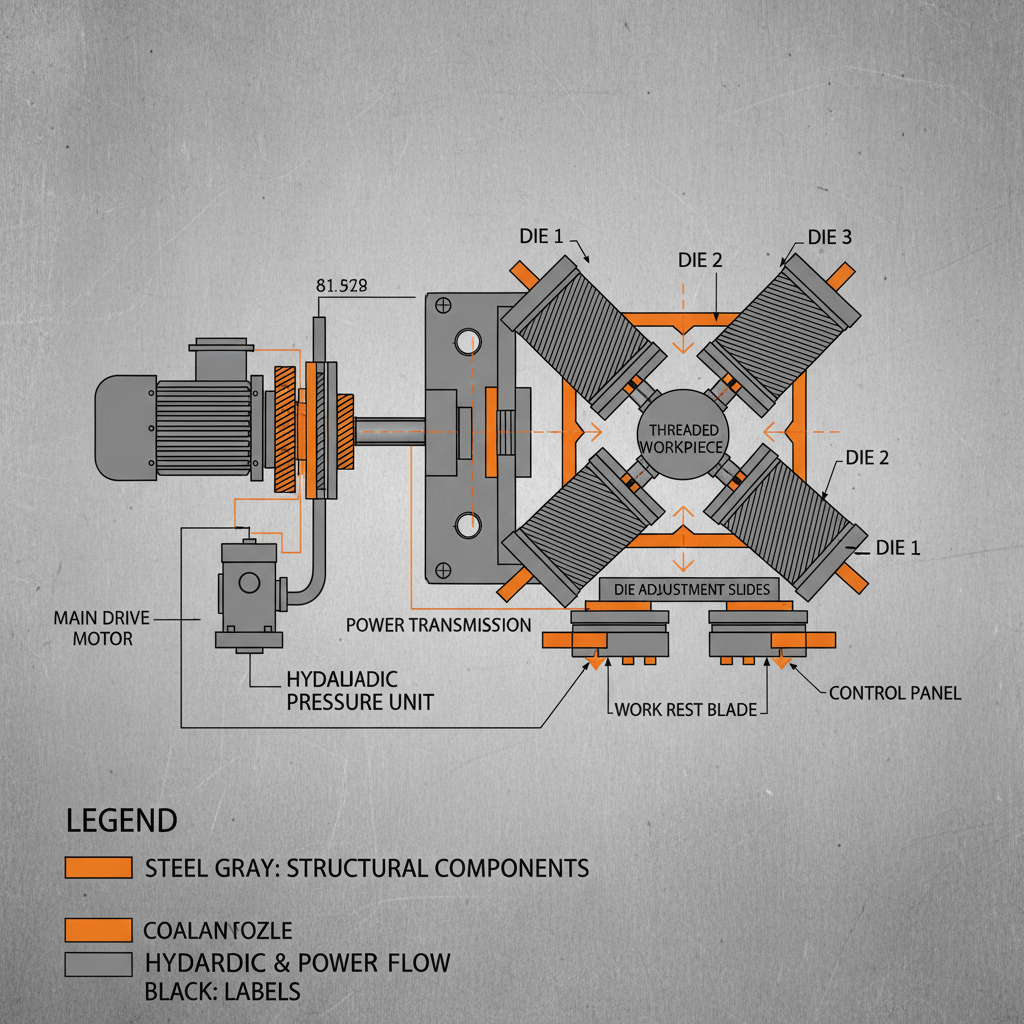
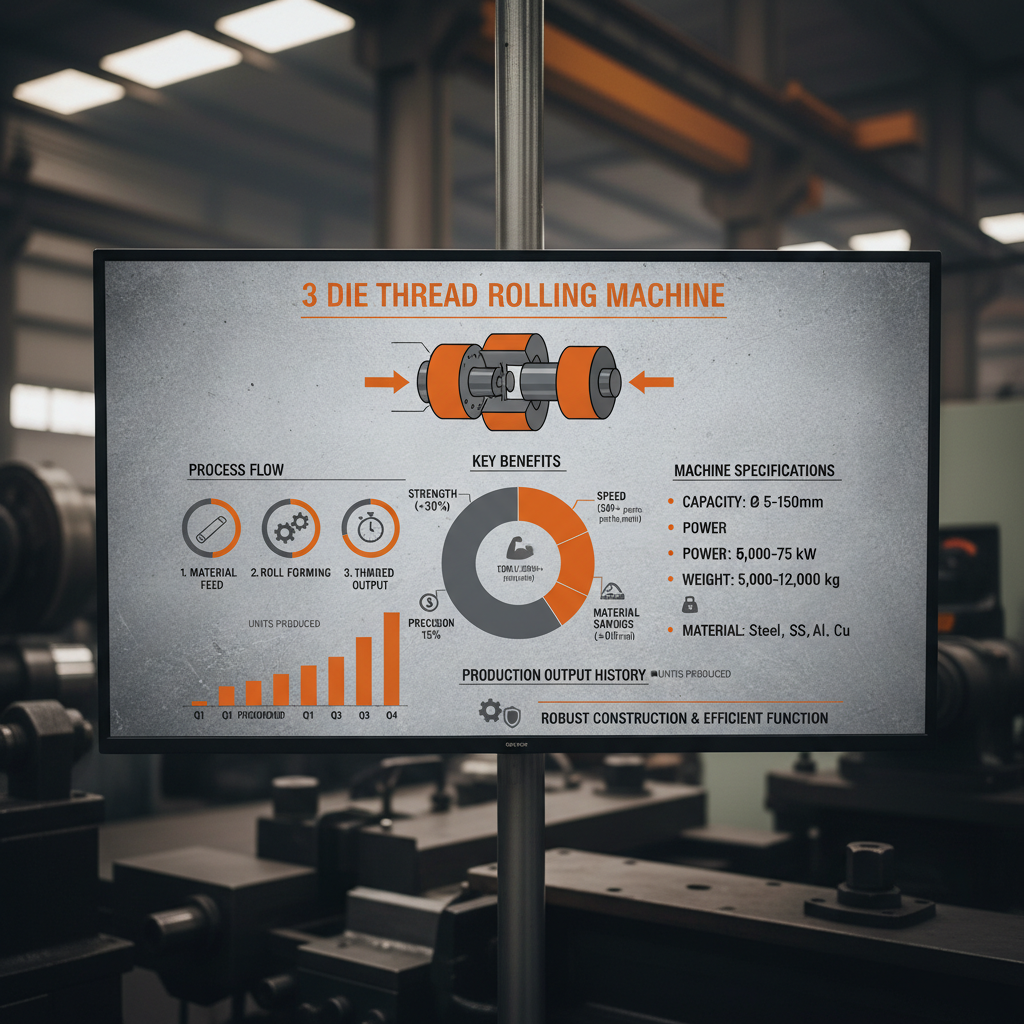
At its core, a 3 die thread rolling machine employs a forming process, rather than a material removal process like cutting threads with a tap. This means the machine cold-forms the threads onto a workpiece, increasing the strength and durability of the final product. Utilizing three dies – two stationary and one rotating – allows for precise and consistent thread formation. The process imparts significant plastic deformation to the material, enhancing its grain flow and overall structural integrity.
The fundamental advantage of this method lies in its efficiency and material utilization. Unlike machining, where material is wasted, thread rolling redistributes the material, resulting in minimal waste and reduced production costs. This makes the 3 die thread rolling machine a sustainable and economically viable solution for mass production of threaded components. 3 die thread rolling machine is a cost-effective solution.
Global Significance and Industrial Relevance
The global demand for threaded fasteners is substantial and continuously growing, driven by expansion in construction, automotive, aerospace, and various manufacturing sectors. According to industry reports, the global fastener market is projected to reach billions of dollars in the coming years, making thread rolling technology – and specifically the 3 die thread rolling machine – a critical component of the global industrial landscape. Regions like Asia-Pacific, particularly China and India, represent significant growth markets due to rapid infrastructure development and manufacturing output.
The automotive industry, a major consumer of threaded fasteners, requires high-strength, lightweight components. The 3 die thread rolling machine addresses this need by producing fasteners with superior mechanical properties. Similarly, the aerospace sector demands precision and reliability, where thread integrity is paramount for safety. The machine’s ability to consistently produce high-quality threads makes it an indispensable tool in these demanding applications.
Challenges within the fastener industry, such as maintaining consistent quality, reducing production costs, and meeting evolving industry standards, are directly addressed by advancements in 3 die thread rolling machine technology. Innovation in die materials, machine control systems, and process optimization are crucial for staying competitive in this dynamic market.
Defining the 3 Die Thread Rolling Machine
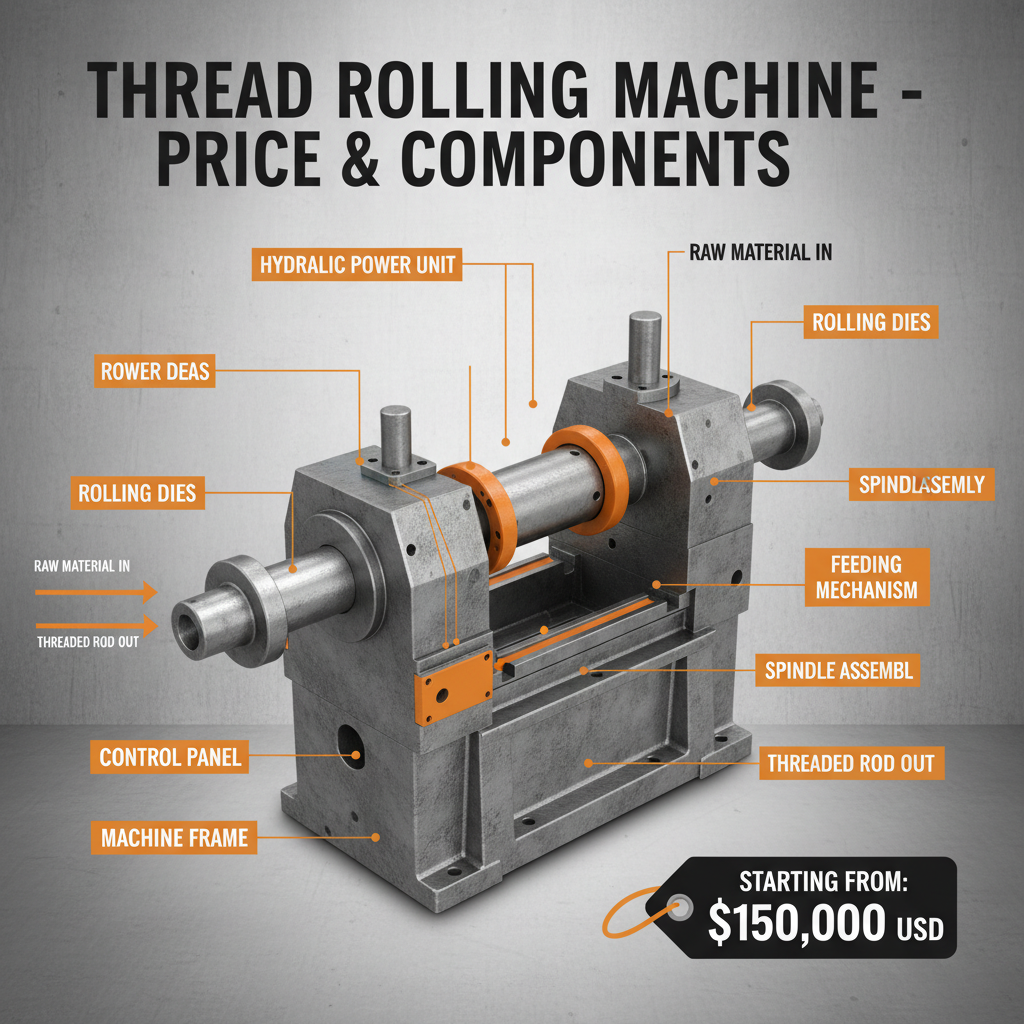
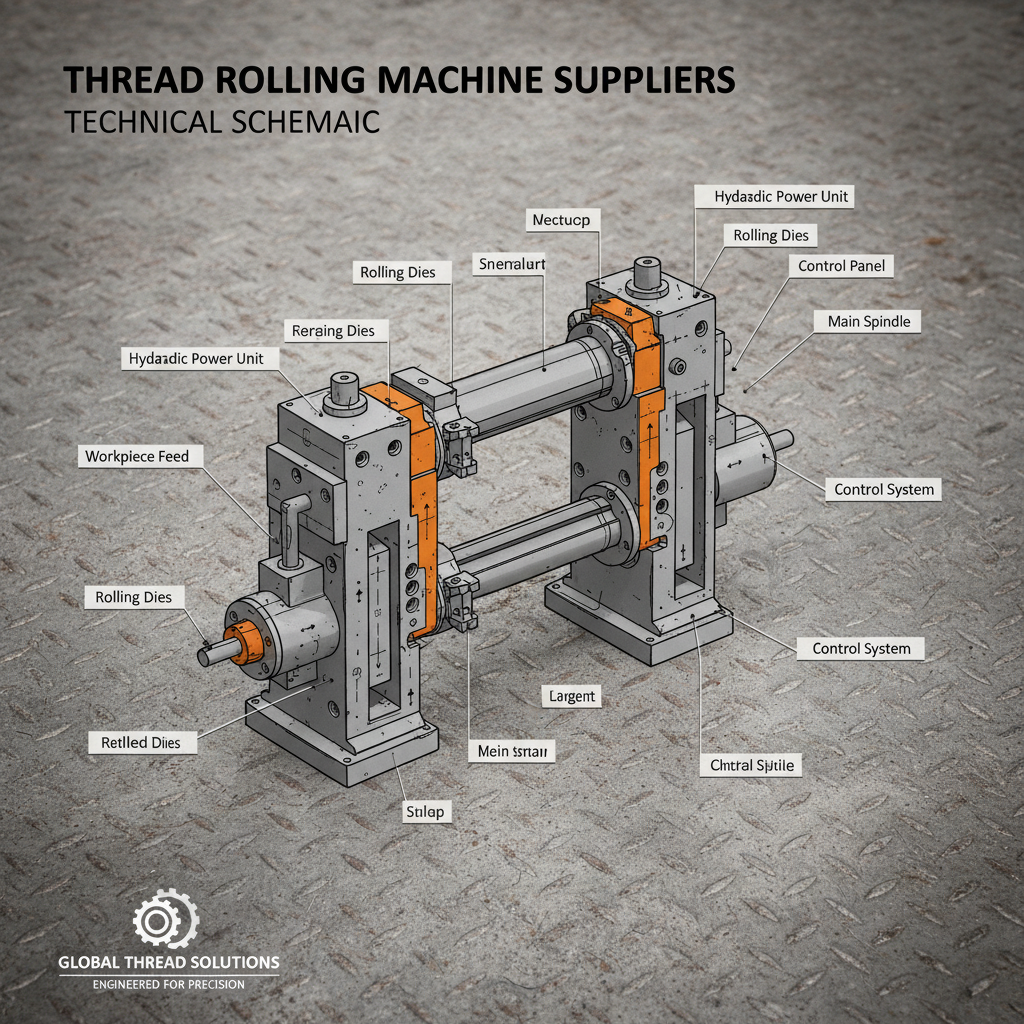
A 3 die thread rolling machine is a specialized piece of manufacturing equipment used to form threads on cylindrical workpieces. Unlike cutting threads (like with a tap and die set), this process cold-forms the thread shape onto the material, creating a stronger and more durable thread. The “3 die” refers to the three dies involved in the process: two stationary dies that guide the workpiece and one rotating die that applies the forming force. The process is particularly effective for producing high-volume, consistent threads on materials like steel, stainless steel, and aluminum.
This technology is deeply connected to modern industrial needs, particularly the demand for efficient and reliable fastener production. It’s essential for industries where structural integrity and component reliability are crucial. The precise nature of the process ensures minimal material waste and consistently high-quality threads, reducing the need for secondary finishing operations and lowering overall production costs.
Essentially, the 3 die thread rolling machine provides a robust and scalable solution for creating threads, streamlining manufacturing processes and contributing to the overall efficiency of various industries. It’s a key component in the production of countless everyday items, from automobiles and appliances to buildings and infrastructure.
Core Characteristics of 3 Die Thread Rolling Machines
Several key factors define the capabilities and performance of a 3 die thread rolling machine. Precision is paramount; the machine must consistently produce threads that meet strict dimensional tolerances. Durability is also critical, as the dies and machine components are subjected to high stresses during operation. The machine must be built to withstand continuous use and maintain accuracy over extended periods.
Versatility represents another important characteristic. A capable machine should be adaptable to various workpiece sizes, materials, and thread forms. Cycle Time is a crucial performance metric, impacting overall production efficiency. Shorter cycle times translate to higher throughput and lower production costs. Furthermore, Automation capabilities are becoming increasingly important, allowing for unattended operation and reduced labor requirements.
Comparative Analysis of 3 Die Thread Rolling Machine Methods
Practical Applications Across Industries
The 3 die thread rolling machine finds widespread application across diverse industries. In the automotive sector, it’s crucial for manufacturing fasteners for engine components, chassis parts, and interior fittings. The high strength and consistency of the rolled threads ensure reliable performance in demanding operating conditions.
The aerospace industry relies on 3 die thread rolling for producing critical fasteners used in aircraft structures, engines, and control systems. Here, precision and reliability are paramount, making the process ideal for meeting stringent aerospace standards. The construction industry utilizes fasteners produced by these machines for structural steel connections, building components, and infrastructure projects.
Advantages and Long-Term Value Proposition
The advantages of utilizing a 3 die thread rolling machine extend beyond simply producing threaded fasteners. The process offers significant cost savings due to reduced material waste and increased production efficiency. Furthermore, the enhanced strength and durability of rolled threads contribute to improved product reliability and longer service life. This, in turn, reduces the risk of failures and lowers maintenance costs.
From a sustainability perspective, the reduced material waste and lower energy consumption associated with thread rolling align with environmentally responsible manufacturing practices. The reliability and precision of the process inspire trust and confidence in the quality of the final product, bolstering brand reputation and customer satisfaction. Investing in a 3 die thread rolling machine represents a long-term commitment to innovation, efficiency, and sustainable manufacturing.
Future Trends and Emerging Innovations
The future of 3 die thread rolling machine technology is poised for significant advancements. Integration of automation and robotics will further streamline production processes, reduce labor costs, and enhance precision. Digitalization and Industry 4.0 principles will enable real-time monitoring, data analysis, and predictive maintenance, optimizing machine performance and preventing downtime.
The development of new die materials with enhanced wear resistance and lubrication properties will extend die life and improve thread quality. Furthermore, the adoption of lean manufacturing principles and sustainable practices will drive efficiency gains and minimize environmental impact. These innovations will solidify the 3 die thread rolling machine’s position as a vital component of the modern manufacturing landscape.
Research into advanced control systems and process optimization techniques promises to unlock even greater potential in terms of thread quality, production speed, and material versatility, ensuring the continued relevance and value of this technology.
FAQS
A 3 die thread rolling machine can efficiently process a broad range of materials, including carbon steel, alloy steel, stainless steel, aluminum, brass, and even certain plastics. The specific material compatibility depends on the machine’s capabilities, die materials, and the desired thread specifications. Low-carbon steels are generally the easiest to roll, while harder alloys may require optimized die designs and process parameters for achieving optimal results.
Thread rolling generally produces threads with superior strength and durability compared to traditional thread cutting methods. This is because the cold-forming process work-hardens the material, improving its tensile strength and fatigue resistance. Rolled threads also exhibit a smoother surface finish and tighter tolerances, leading to better performance and reliability. Unlike cutting, which removes material, rolling redistributes it, preserving material integrity.
Regular maintenance is vital for ensuring optimal performance and longevity. This includes daily lubrication of moving parts, periodic inspection and replacement of worn dies, cleaning of the machine to remove debris and buildup, and regular calibration of control systems. Preventative maintenance schedules, as outlined in the machine’s manual, should be strictly followed to minimize downtime and maximize efficiency.
The range of thread sizes a 3 die thread rolling machine can produce varies depending on the machine’s capacity and die set availability. Typically, machines can handle thread diameters ranging from a few millimeters to several inches. Smaller machines are better suited for smaller fasteners, while larger, more powerful machines can handle larger bolts and screws. Custom die sets can be manufactured to accommodate specific thread requirements.
Safety is paramount. Operators should always wear appropriate personal protective equipment (PPE), including safety glasses, gloves, and hearing protection. Machine guarding should be in place and functioning correctly to prevent contact with moving parts. Emergency stop buttons should be readily accessible and regularly tested. Proper training and adherence to safety procedures are essential to prevent accidents and injuries.
Automation significantly enhances the cost-effectiveness of a 3 die thread rolling machine by reducing labor costs, increasing production throughput, and improving consistency. Automated systems can operate continuously with minimal human intervention, minimizing errors and maximizing efficiency. The initial investment in automation is typically offset by long-term savings and increased productivity, making it a worthwhile investment for high-volume production environments.
Conclusion
In summary, the 3 die thread rolling machine stands as a vital piece of technology in modern manufacturing. Its ability to produce high-quality, durable threads efficiently and cost-effectively makes it an indispensable tool across diverse industries. The advantages extend beyond simply creating fasteners, encompassing improved product reliability, reduced material waste, and enhanced sustainability. Understanding its core principles, applications, and future trends is critical for anyone involved in the production and utilization of threaded components.
Looking ahead, the continued integration of automation, digitalization, and innovative materials will further elevate the capabilities of the 3 die thread rolling machine. Investing in this technology is not simply acquiring a machine; it’s embracing a commitment to efficiency, quality, and long-term success. Visit our website at www.motetools.com to learn more about how a 3 die thread rolling machine can benefit your operations.