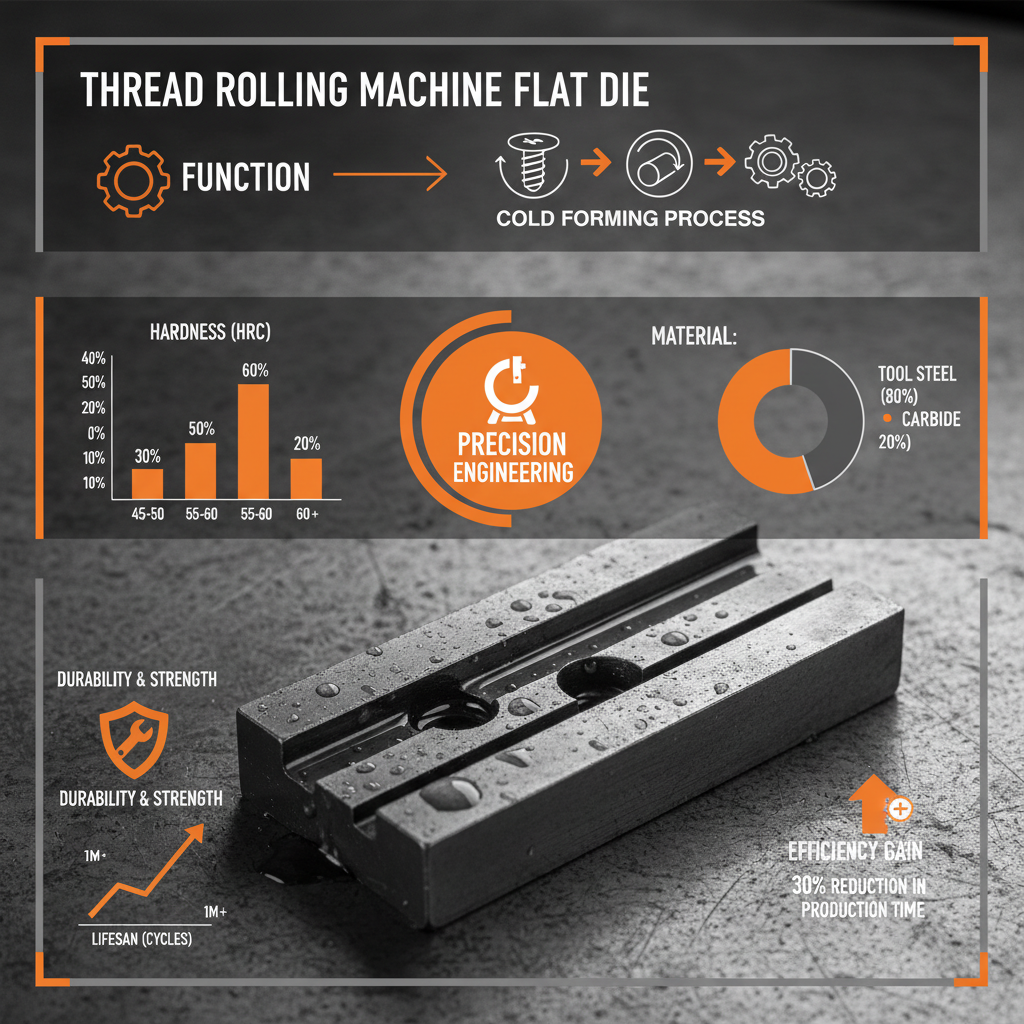
The realm of manufacturing is constantly evolving, driven by the need for efficiency, precision, and cost-effectiveness. Among the many processes crucial to modern production, thread rolling stands out as a remarkably versatile and robust technique. Specifically, the vertical thread rolling machine offers unique advantages for creating strong, accurate threads in a wide range of materials and applications, playing a critical role in industries from automotive to aerospace. Understanding the nuances of this technology is therefore vital for engineers, manufacturers, and anyone involved in the creation of threaded fasteners and components.
Globally, the demand for high-quality threaded fasteners is surging, fueled by infrastructure development, automotive production, and the increasing complexity of manufactured goods. Traditional methods of thread creation, such as cutting or chasing, often result in material waste and lower strength. Vertical thread rolling addresses these challenges, providing a faster, more efficient, and structurally superior alternative. The ISO standards governing fastener quality underscore the importance of reliable thread manufacturing, further driving the adoption of advanced technologies like the vertical thread rolling machine.
The increasing pressure on manufacturers to reduce costs, improve sustainability, and enhance product reliability has positioned the vertical thread rolling machine as a key solution. It offers a compelling alternative to traditional thread forming methods, delivering significant benefits in terms of material usage, production speed, and the overall strength and durability of the finished product. This makes it an essential technology for industries striving for innovation and competitive advantage.
Introduction to Vertical Thread Rolling Machine
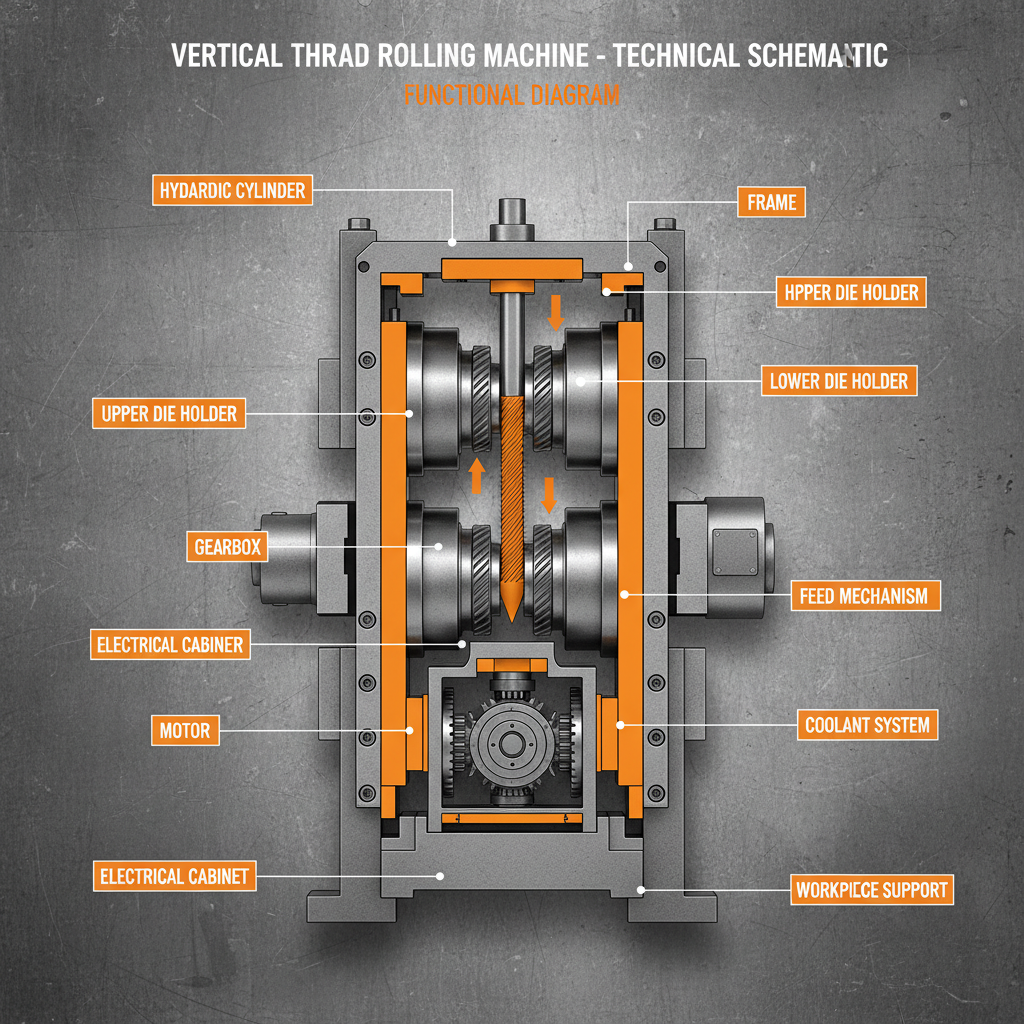
A vertical thread rolling machine is a specialized manufacturing tool designed to form threads on cylindrical workpieces. Unlike cutting methods which remove material, thread rolling displaces it, resulting in stronger and more durable threads. This process involves pressing hardened dies with the desired thread form against the rotating workpiece, cold-forming the threads in a single operation.
The beauty of this process lies in its efficiency and material conservation. By displacing rather than removing material, it significantly reduces waste and costs. Furthermore, the cold-forming process work-hardens the material, increasing its tensile strength and fatigue resistance. This makes it a crucial process for creating high-performance fasteners critical in demanding applications.
Global Relevance and Industry Context
The demand for threaded fasteners is deeply interwoven with global economic activity. The construction industry, automotive manufacturing, aerospace engineering, and numerous other sectors all rely heavily on reliable and high-quality threaded components. The United Nations reports consistent growth in infrastructure spending globally, particularly in developing nations, which directly translates to increased demand for fasteners.
According to the World Bank, global manufacturing output is projected to continue its upward trend, further amplifying the need for efficient and cost-effective thread rolling solutions. This demand is not merely quantitative; there's also a growing emphasis on quality and sustainability. ISO standards for threaded fasteners are becoming increasingly stringent, requiring manufacturers to adopt advanced technologies like the vertical thread rolling machine to meet these evolving requirements.
A significant challenge facing the fastener industry is balancing cost pressures with the need for high performance. Traditional thread cutting methods are becoming less competitive due to material waste and lower thread strength. Vertical thread rolling offers a solution by reducing material consumption, improving thread quality, and increasing production speed, making it an essential technology for remaining competitive in the global marketplace.
Defining the Vertical Thread Rolling Machine
In essence, a vertical thread rolling machine is a specialized machine tool employing a cold-forming process to create threads on cylindrical workpieces. It distinguishes itself from other thread-forming methods by orienting the workpiece vertically during the rolling process. This vertical configuration offers several advantages, including easier chip evacuation and improved process control.
The connection to modern industry and humanitarian needs is substantial. The machine’s output – high-strength, precisely-formed threads – is foundational to countless products, from automobiles and aircraft to medical devices and building structures. In humanitarian contexts, reliable fasteners are essential for constructing temporary shelters, providing clean water solutions, and assembling critical infrastructure in disaster-stricken areas.
Furthermore, the precision of a vertical thread rolling machine directly contributes to the safety and longevity of assembled products. Properly formed threads reduce the risk of fastener failure, which can have catastrophic consequences in applications like aerospace or automotive engineering. This precision and reliability are critical components of modern industrial standards and safety protocols.
Key Factors and Core Components
The effectiveness of a vertical thread rolling machine hinges on several core factors. Durability is paramount, as these machines operate under significant stress and require robust construction to withstand continuous use. High-quality materials and precise engineering are essential for ensuring a long service life.
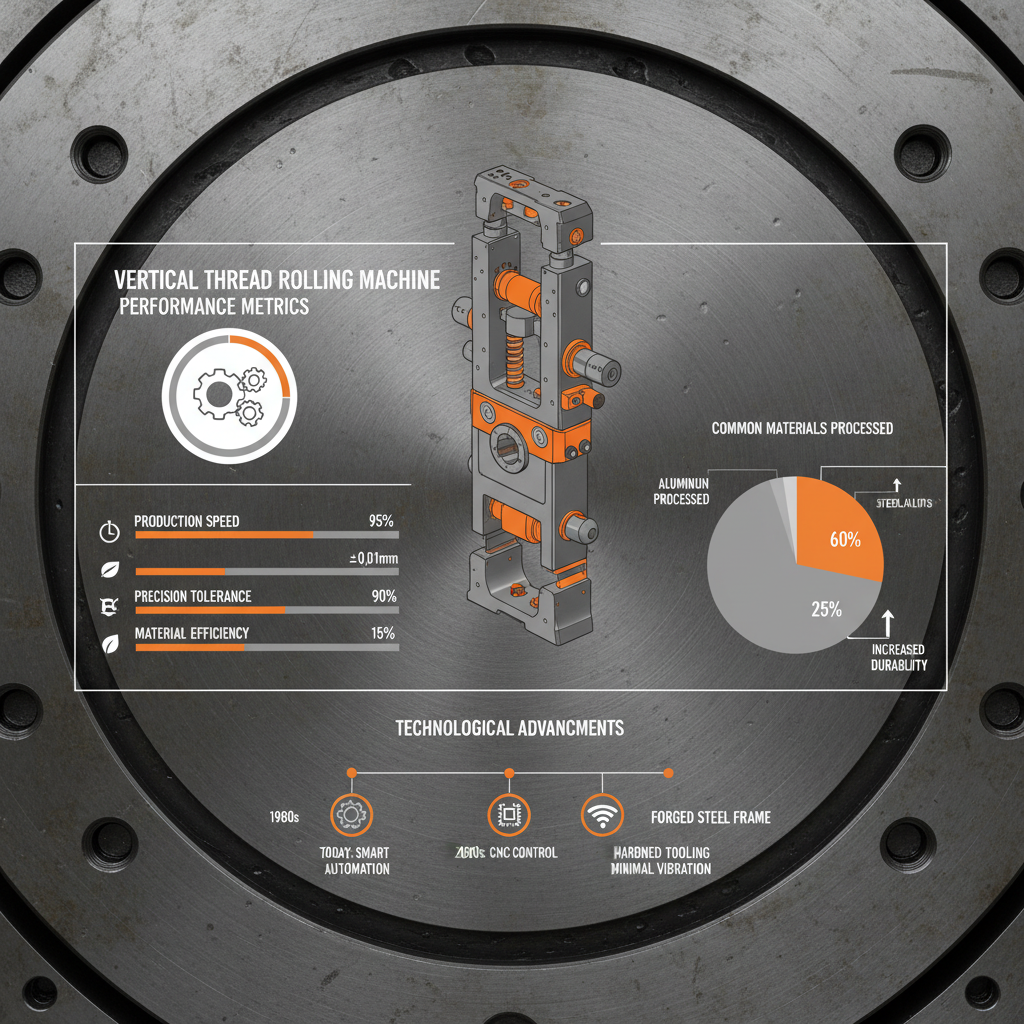
Precision is another critical aspect. The accuracy of the dies and the machine’s control system directly impact the quality of the formed threads. Sophisticated control systems and precise die alignment are crucial for achieving consistent thread dimensions and ensuring proper fastener engagement.
Vertical Thread Rolling Machine Performance Metrics
Global Applications and Use Cases
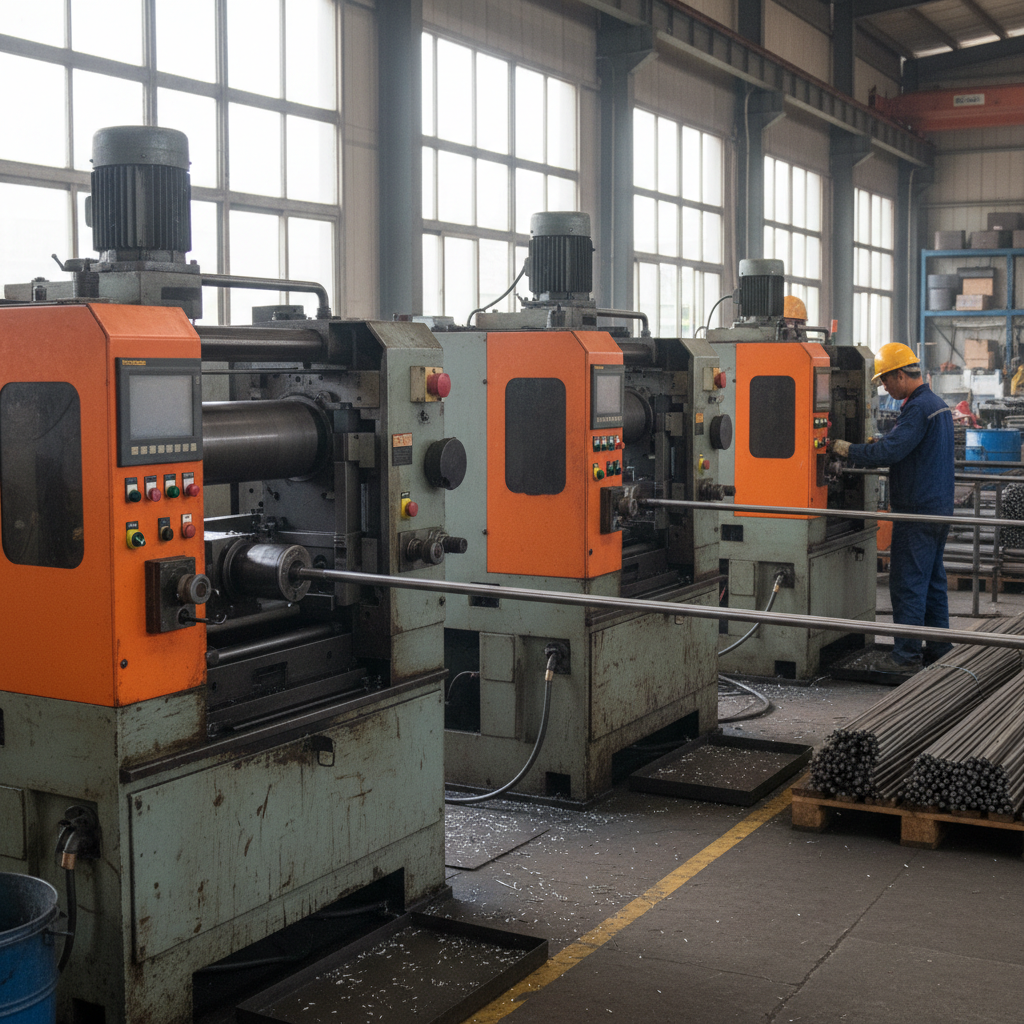
The applications of vertical thread rolling machines are remarkably diverse. In the automotive industry, they are used to produce critical engine components, chassis fasteners, and suspension parts requiring high strength and fatigue resistance. Aerospace companies rely on these machines to manufacture fasteners for aircraft structures, engines, and control systems, where reliability is paramount.
In post-disaster relief operations, quick deployment of shelters and infrastructure often depends on readily available and easily assembled fasteners produced by vertical thread rolling machines. Furthermore, in remote industrial zones, where access to skilled labor and advanced tooling may be limited, these machines provide a reliable solution for producing high-quality threaded components locally.
Advantages and Long-Term Value
The advantages of utilizing a vertical thread rolling machine translate into substantial long-term value. Cost savings stem from reduced material waste, increased production speed, and lower tooling costs compared to traditional methods. Sustainability is enhanced through material conservation and reduced energy consumption.
Beyond the tangible benefits, the increased reliability and safety of threaded components contribute to a stronger brand reputation and customer trust. The ability to consistently produce high-quality fasteners reduces the risk of product failures, enhancing product longevity and minimizing warranty claims, thus generating lasting value.
Future Trends and Innovations
The future of vertical thread rolling is bright, driven by ongoing advancements in materials science, automation, and digital technologies. The integration of AI-powered process optimization will enable even greater precision and efficiency, reducing waste and improving thread quality.
The development of new, high-strength materials that are more readily cold-formed will further expand the applications of vertical thread rolling. Moreover, the trend towards sustainable manufacturing will continue to drive demand for this technology due to its inherent material conservation benefits. The integration of Industry 4.0 principles, such as real-time data monitoring and predictive maintenance, will further optimize machine performance and reduce downtime.
Furthermore, exploring the use of additive manufacturing techniques to create customized dies for vertical thread rolling machines could unlock new possibilities for producing complex thread forms and specialized fasteners tailored to specific applications. This confluence of innovation promises to solidify the vertical thread rolling machine's role as a cornerstone of modern manufacturing.
FAQS
Vertical thread rolling offers several key advantages over cutting. Primarily, it’s a material-saving process as it displaces rather than removes material. This results in significantly less waste and lower material costs. Additionally, thread rolling work-hardens the material, increasing its tensile strength and fatigue resistance – properties cutting cannot achieve. The process is also typically faster and more efficient, leading to higher production throughput.
A wide variety of materials can be successfully thread rolled, including carbon steels, alloy steels, stainless steels, aluminum, and certain plastics. The material’s ductility is a crucial factor; materials that are too brittle may crack during the forming process. The specific material properties, such as hardness and tensile strength, will influence the rolling parameters and die design.
Die life depends on several factors, including the material being rolled, the thread size, the production volume, and the quality of the dies themselves. High-quality dies made from hardened tool steel can last for hundreds of thousands or even millions of cycles. Regular inspection and maintenance of the dies are essential for maximizing their lifespan.
While modern vertical thread rolling machines are increasingly automated, some level of operator skill is still required. Operators need to understand the basic principles of thread rolling, how to set up the machine for different materials and thread sizes, and how to monitor the process for quality control. Ongoing training and certification are recommended.
Yes, vertical thread rolling can be adapted to produce a wide range of specialized thread forms, including acme threads, square threads, and even custom thread profiles. This requires the design and fabrication of specialized dies that match the desired thread form. The process remains fundamentally the same, but the die geometry is tailored to the specific application.
Vertical thread rolling is inherently more sustainable than traditional cutting methods due to its minimal material waste. By displacing material rather than removing it, it conserves valuable resources and reduces the environmental impact of fastener production. It also generally requires less energy than cutting, further enhancing its sustainability profile. Plus, the enhanced fastener strength translates to longer product lifecycles.
Conclusion
In summary, the vertical thread rolling machine represents a significant advancement in fastener manufacturing, offering a compelling combination of efficiency, precision, material conservation, and enhanced product performance. From its crucial role in global industries like automotive and aerospace to its applications in humanitarian aid and remote manufacturing, this technology underpins a vast network of critical processes. Understanding its capabilities and potential is essential for anyone involved in the design, production, or application of threaded fasteners.
Looking ahead, continuous innovation in materials, automation, and digital technologies will undoubtedly unlock even greater potential for vertical thread rolling. Investing in this technology is not simply a matter of improving manufacturing processes; it's a commitment to sustainability, quality, and long-term economic viability. To learn more about how a vertical thread rolling machine can benefit your operations, visit our website today.