The realm of manufacturing relies heavily on efficient and precise fastening solutions. A high speed thread rolling machine stands as a cornerstone technology in this arena, delivering unparalleled speed and accuracy in the creation of threaded fasteners. These machines are pivotal across a multitude of industries, from automotive and aerospace to construction and electronics, driving innovation and ensuring the reliability of critical components. Understanding the nuances of high speed thread rolling is thus paramount for engineers, manufacturers, and anyone involved in the design and production of modern goods.
Globally, the demand for threaded fasteners continues to surge, driven by increasing infrastructure development, automotive production, and technological advancements. The United Nations Industrial Development Organization (UNIDO) emphasizes the importance of robust manufacturing sectors in fostering economic growth, and high speed thread rolling machines are central to meeting the needs of these expanding industries. This technology addresses the critical challenge of mass production with consistent quality, reducing costs and lead times, and contributing to a more efficient global supply chain.
The adoption of high speed thread rolling machines is increasingly vital in maintaining competitive advantage. These machines facilitate the production of strong, durable threads while minimizing material waste and optimizing resource utilization – factors that are becoming ever more important in a resource-constrained world. The rise in automation and Industry 4.0 principles further necessitates the integration of advanced technologies like high speed thread rolling to ensure streamlined and efficient manufacturing processes.
Introduction to High Speed Thread Rolling Machine
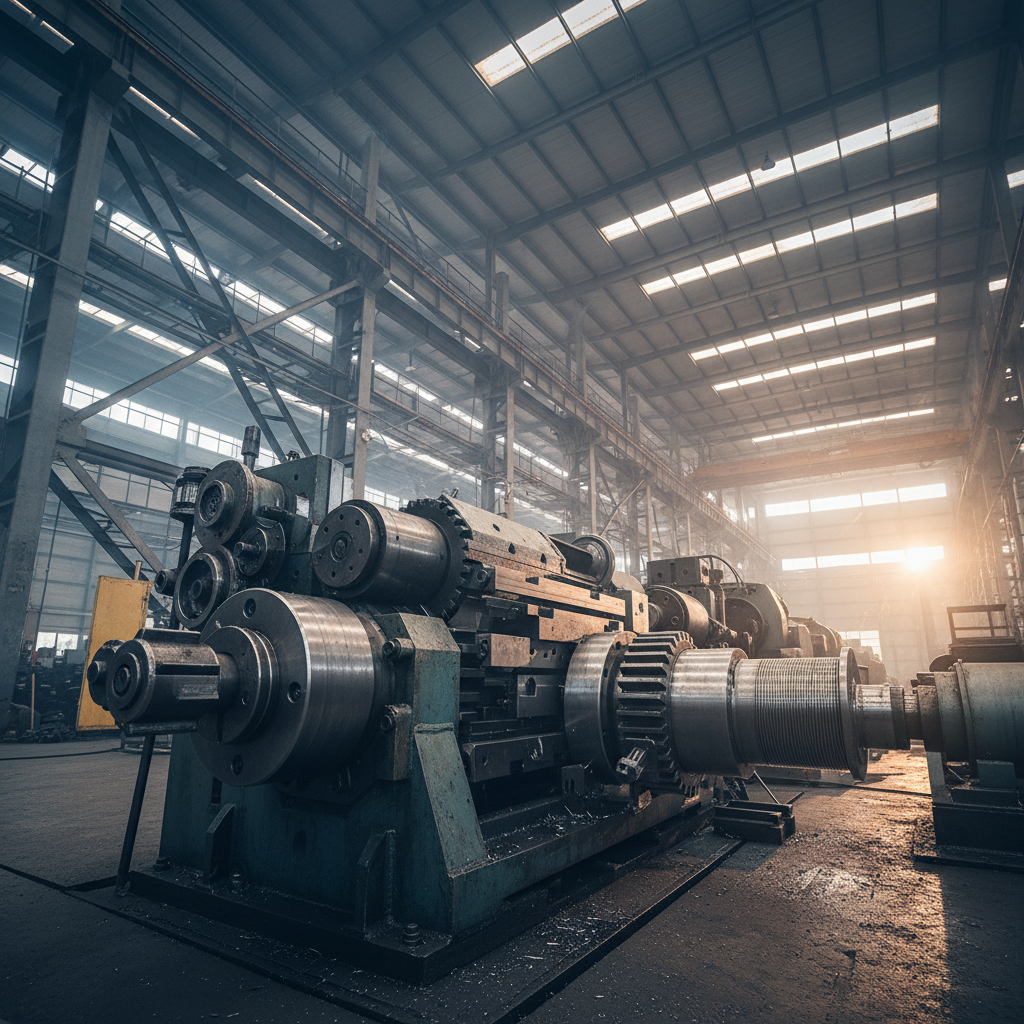
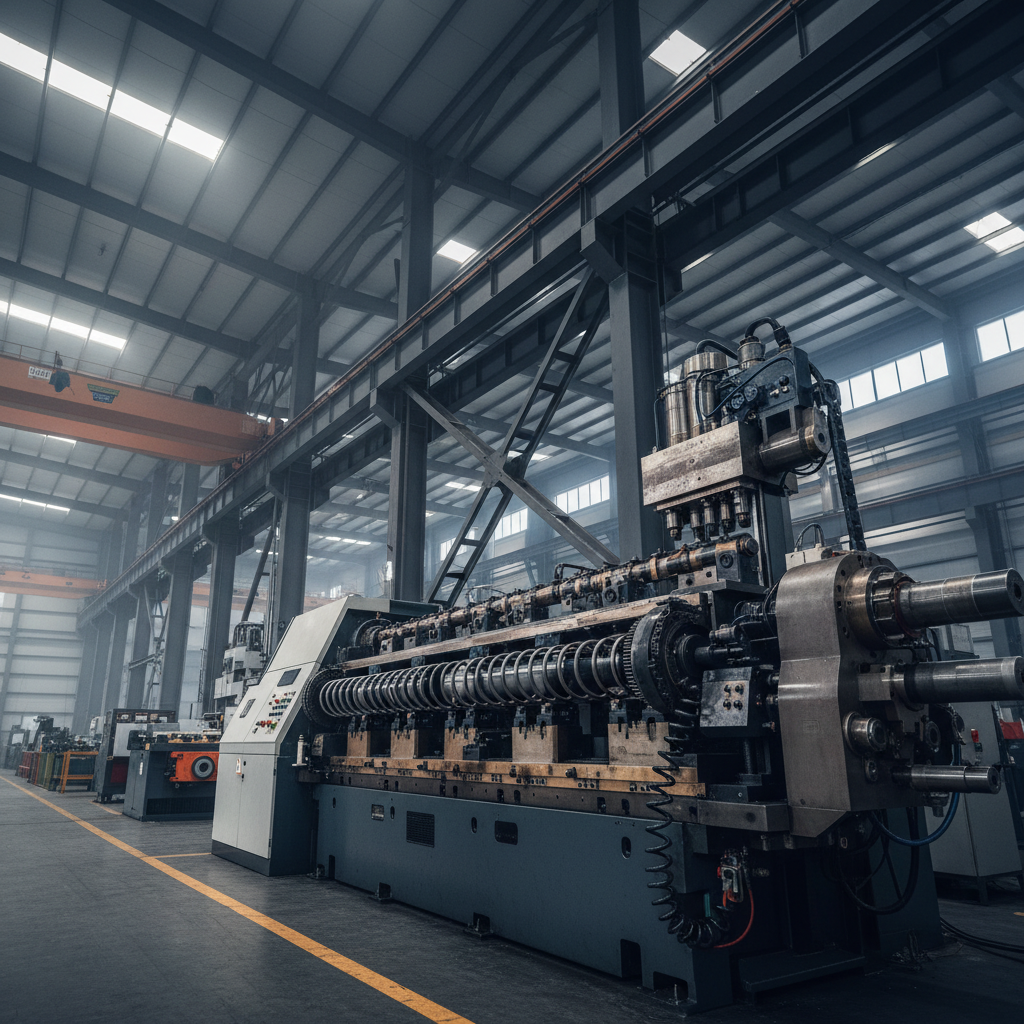
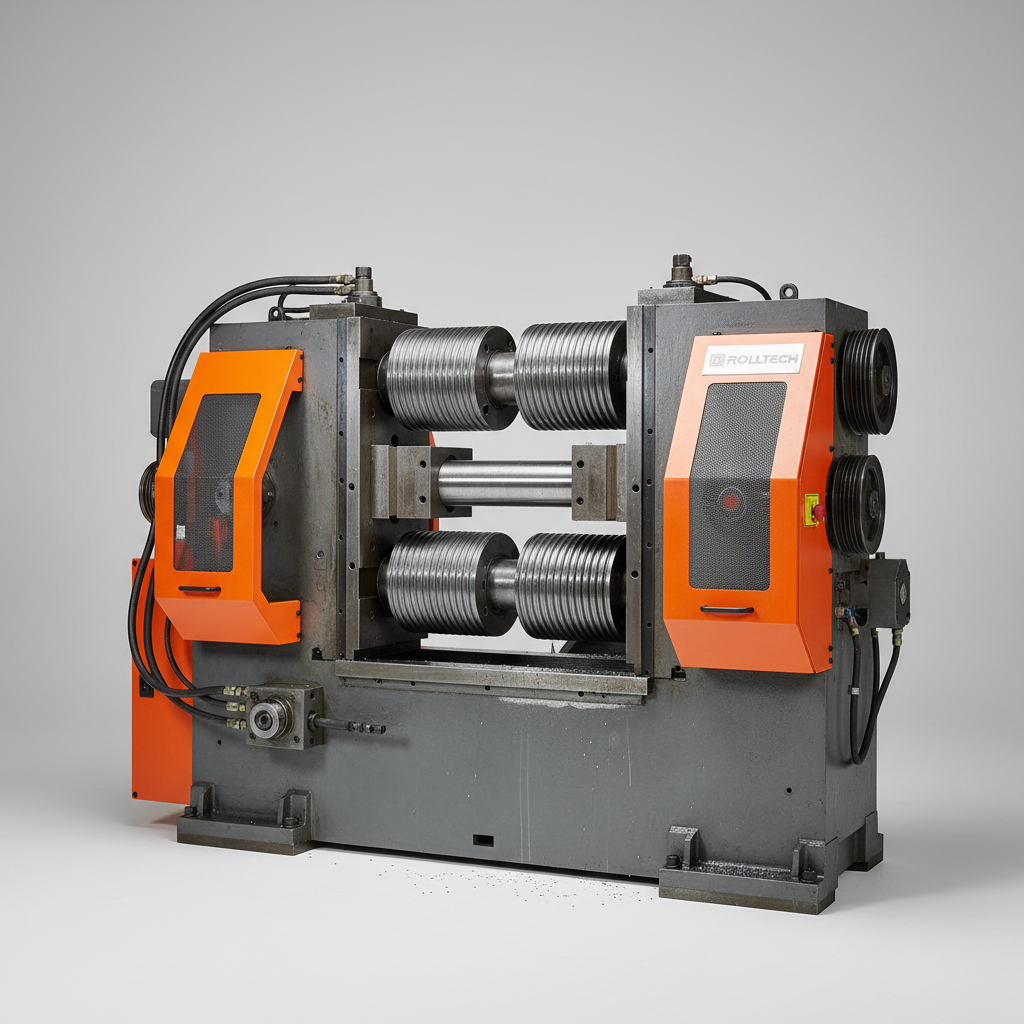
A high speed thread rolling machine is a sophisticated piece of equipment designed to create threads on cylindrical workpieces. Unlike thread cutting, which removes material, thread rolling forms the threads through plastic deformation, resulting in stronger, more durable fasteners. This process is particularly critical in applications where structural integrity is paramount.
The evolution of these machines reflects the increasing demands of modern manufacturing. Early models were relatively slow and limited in their capabilities, but advancements in materials, control systems, and automation have led to the development of high speed machines capable of producing thousands of parts per hour with exceptional precision. This impacts industries that demand consistent and reliable components in large quantities.
Defining High Speed Thread Rolling
High speed thread rolling is a chipless forming process used to create threads on metallic workpieces. This differs from machining processes like tapping or cutting, which remove material. Instead, the machine uses dies – typically two or more – to plastically deform the workpiece into the desired thread form. This deformation process cold-works the material, increasing its strength and hardness.
This technology directly supports the manufacturing of fasteners like screws, bolts, and studs, but its applications extend far beyond. It is also used in the production of spline shafts, worm gears, and other components requiring precise, durable threads. The high-speed aspect refers to the machine's ability to cycle rapidly, delivering high production volumes.
The process connects directly to modern industry by ensuring a consistent supply of high-quality, cost-effective fasteners critical to the functioning of countless products. From automotive safety systems to aerospace components, reliable threads are foundational. Furthermore, its efficiency aligns with sustainable manufacturing practices by minimizing material waste.
Core Components and Operational Factors
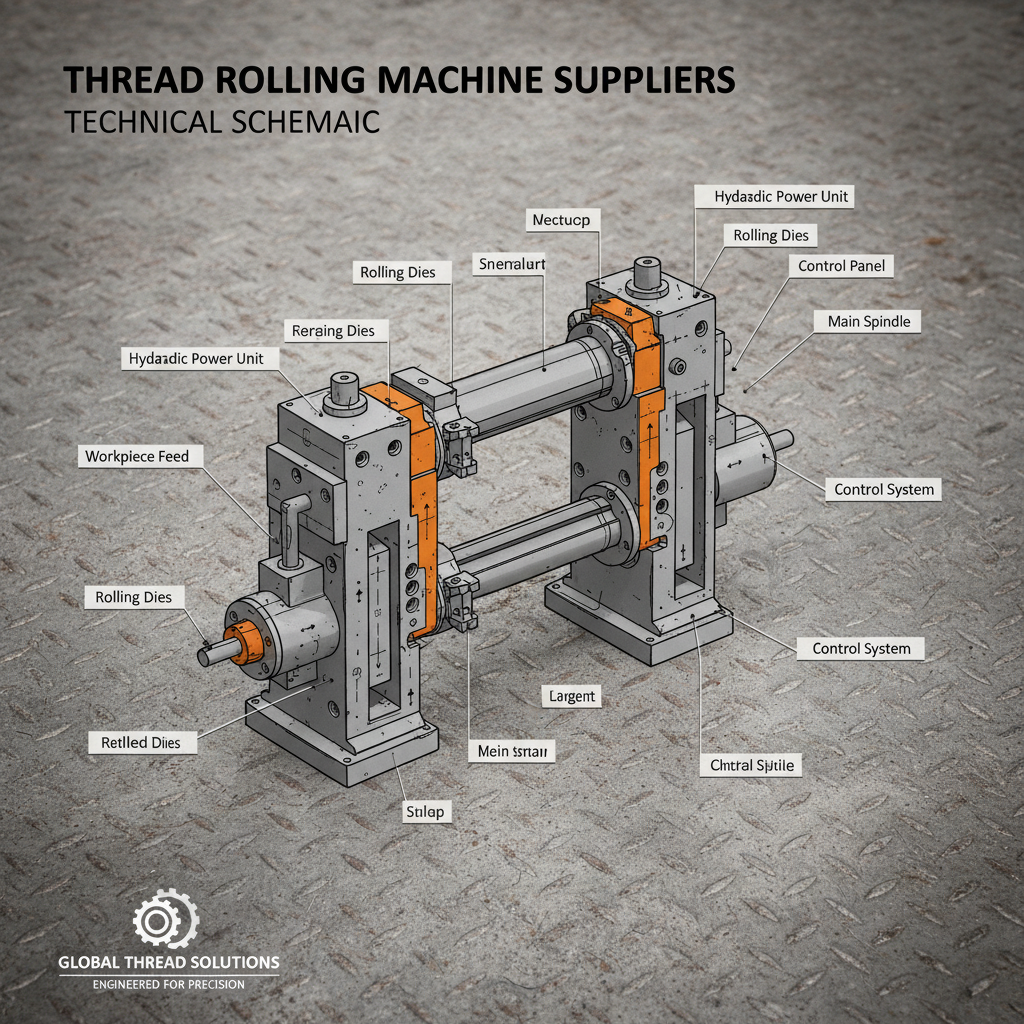
Several key factors determine the performance and reliability of a high speed thread rolling machine. The dies themselves are arguably the most crucial component, requiring precise geometry and durable materials to withstand the immense forces involved. Die material selection – often high-speed steel or cemented carbides – is critical for longevity and thread quality.
The machine’s drive system, whether mechanical, hydraulic, or electric, influences speed, accuracy, and energy efficiency. Modern machines increasingly employ servo-driven systems for precise control and repeatability. Lubrication is another vital aspect, reducing friction, dissipating heat, and extending the life of both the dies and the machine components.
Finally, the control system – often a programmable logic controller (PLC) – manages the machine's operation, coordinating the movement of the dies, workpiece feed, and lubrication system. Advanced control systems allow for real-time adjustments, ensuring consistent thread quality and minimizing downtime. The interplay of these components determines the overall effectiveness of the thread rolling process.
Global Applications Across Industries
The applications of a high speed thread rolling machine are incredibly diverse, spanning numerous industries. The automotive sector relies heavily on thread rolling for the production of bolts, screws, and studs used in engine components, chassis assemblies, and safety systems. These fasteners must withstand extreme temperatures, vibrations, and stress.
The aerospace industry demands even higher levels of precision and reliability, utilizing thread rolling for critical components in aircraft engines, landing gear, and airframe structures. Construction relies on high-strength bolts created through thread rolling for structural steel connections in buildings and bridges. Electronics also employ thread rolling in the production of specialized fasteners for circuit boards and other sensitive equipment.
Thread Rolling Applications by Industry
Advantages and Long-Term Value Proposition
The advantages of utilizing a high speed thread rolling machine are substantial. Cost efficiency is a primary benefit; the chipless forming process minimizes material waste, reducing raw material costs. The increased strength and durability of rolled threads translate to longer product lifecycles and reduced failure rates.
Furthermore, the high speed nature of these machines enables significant increases in production output, lowering per-unit costs and improving responsiveness to market demands. The consistency and precision of the thread rolling process contribute to improved product quality and reduced rework, bolstering brand reputation and customer satisfaction.
Future Trends in High Speed Thread Rolling Technology
The future of high speed thread rolling machine technology is intertwined with advancements in automation and digital manufacturing. Integration with robotic systems for automated workpiece loading and unloading is becoming increasingly common, further increasing efficiency and reducing labor costs.
The development of smart dies equipped with sensors to monitor wear and tear in real-time will allow for predictive maintenance and optimized die life. The application of artificial intelligence (AI) to control systems promises to further refine the process, adapting to variations in material properties and optimizing thread quality dynamically.
Challenges and Innovative Solutions
Despite their advantages, high speed thread rolling machines face certain challenges. Die wear remains a significant concern, requiring frequent replacements or reconditioning. This can lead to downtime and increased costs. Material limitations also exist – certain materials are more difficult to thread roll than others.
Innovative solutions are addressing these challenges. Advanced die coatings are extending die life, while new die geometries are improving the formability of difficult materials. The development of adaptive control systems that adjust process parameters in real-time based on material properties is also proving effective.
Furthermore, research into alternative thread rolling techniques, such as ultrasonic thread rolling, is showing promise for creating threads in even harder and more brittle materials. These advancements will continue to expand the applicability of thread rolling across a wider range of industries and materials.
Summary of Challenges and Solutions in High Speed Thread Rolling
| Challenge |
Impact on Production |
Proposed Solution |
Expected Outcome |
| Die Wear |
Increased downtime, higher costs |
Advanced die coatings (TiN, CrN) |
Extended die life, reduced maintenance |
| Material Formability |
Difficulty threading certain materials |
Optimized die geometry, adaptive control |
Improved thread formation in challenging materials |
| Process Instability |
Inconsistent thread quality |
Real-time monitoring and adjustment of process parameters |
Enhanced thread quality and consistency |
| Lubrication Effectiveness |
Reduced die life, increased friction |
Improved lubricant application methods, specialized lubricants |
Reduced friction, extended die life |
| Automation Integration |
Limited production efficiency |
Robotic loading/unloading systems |
Increased throughput, reduced labor costs |
| Material Waste (though minimal) |
Environmental concerns |
Optimized process parameters to minimize deformation |
Reduced material usage, sustainable manufacturing |
FAQS
Thread rolling offers several crucial advantages. It’s a faster process, as it doesn't remove material. Rolled threads are significantly stronger than cut threads due to work hardening. This process also generates less material waste, making it more cost-effective and environmentally friendly. High speed thread rolling machine are designed to maximize these benefits.
While many materials can be thread rolled, ductile materials like steel, stainless steel, aluminum, and brass generally yield the best results. The material needs to possess sufficient plasticity to undergo the deformation process without cracking. Harder materials can still be processed, but often require more force, specialized die geometries, and potentially pre-heating or other surface treatments.
Die life depends on several factors, including the material being rolled, the thread size, the production volume, and the quality of the dies themselves. With proper lubrication and maintenance, dies can last for hundreds of thousands or even millions of cycles. Regular inspection is crucial to identify wear and prevent defects. Modern die coatings significantly extend die life.
High speed thread rolling machines can achieve very high levels of precision, typically meeting or exceeding industry standards for thread accuracy and quality. Factors like die design, machine calibration, and process control all contribute to precision. Tight tolerances can be consistently maintained, making it suitable for demanding applications in aerospace and automotive industries.
Regular maintenance is essential for optimal performance and longevity. This includes lubrication of moving parts, die inspection and cleaning, monitoring of process parameters, and periodic replacement of wear parts. Preventative maintenance schedules should be followed diligently to minimize downtime and ensure consistent production quality.
Automation significantly boosts the efficiency of high speed thread rolling. Automated workpiece loading and unloading systems reduce labor costs and increase throughput. Integrating the machine with robotic systems and automated quality control checks further streamlines the production process and minimizes human error, leading to substantial gains in overall productivity.
Conclusion
In conclusion, the high speed thread rolling machine represents a vital technology in modern manufacturing. Its ability to produce strong, durable, and precise threads at high speeds and with minimal material waste offers significant advantages over traditional methods. From automotive and aerospace to construction and electronics, this technology underpins the functionality of countless products, driving innovation and economic growth. Understanding the principles and applications of high speed thread rolling is therefore crucial for professionals across a wide range of industries.
Looking ahead, continued advancements in automation, materials science, and control systems will further enhance the capabilities of these machines, expanding their applications and solidifying their position as a cornerstone of efficient and sustainable manufacturing. Investing in advanced thread rolling technology is not simply a matter of improving production efficiency, but also of ensuring long-term competitiveness and contributing to a more resilient and environmentally responsible future. Visit our website at www.motetools.com to learn more about our high speed thread rolling solutions.