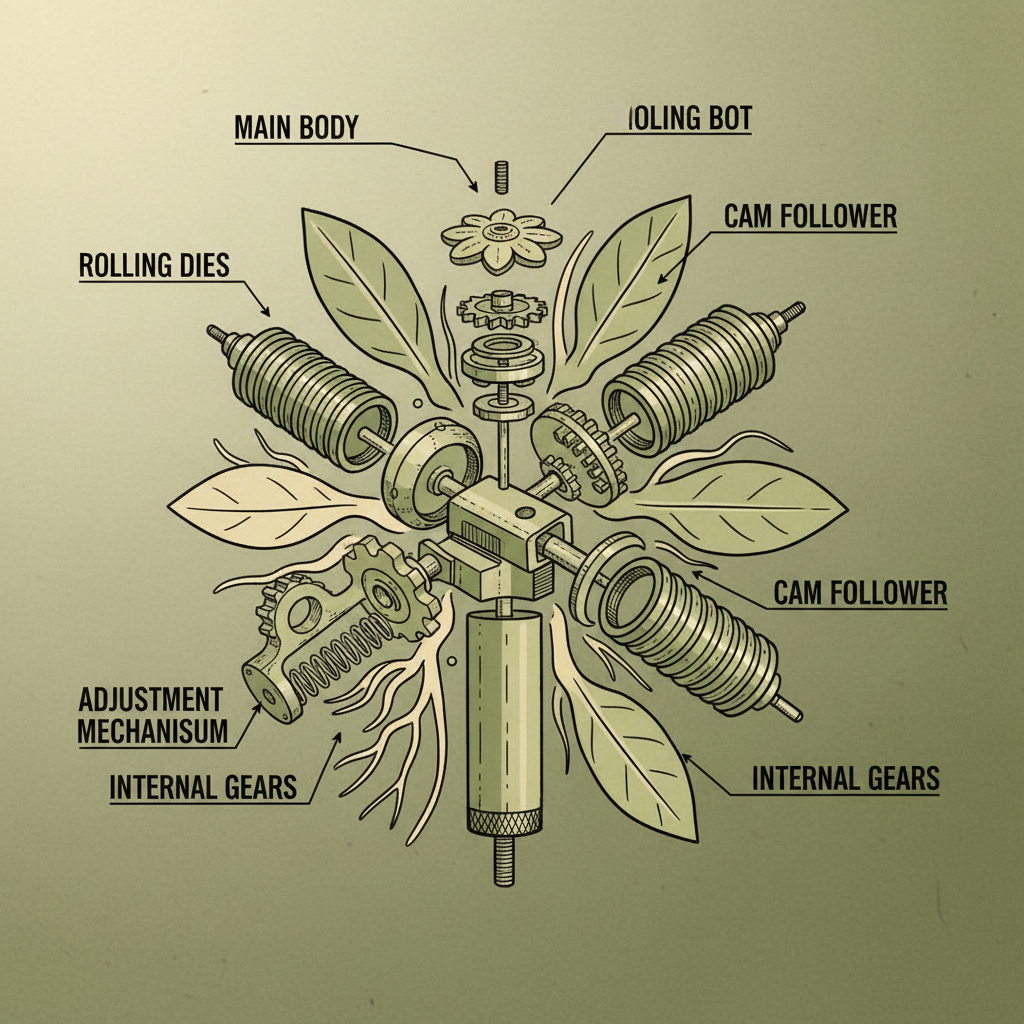
Honestly, the whole thread rolling game is getting… interesting. Everyone’s chasing faster cycle times, tighter tolerances. It’s not enough to just make a thread anymore. It’s gotta be perfect, and it's gotta be fast. Been seeing a lot of push for micro-precision stuff lately, miniature fasteners for medical devices, that kind of thing. Makes you appreciate the old days when you were just happy if the bolt fit.
You know what's always a trap? Over-engineering the die. People get so focused on the materials – and yeah, the tool steel matters – but they forget about the coolant, the feed rate, the machine rigidity. Spend a fortune on a fancy die, then blow it out in an hour because the setup’s shaky. I encountered this at a fastener factory in Dongguan last time, a whole batch of dies ruined because of vibration. They’d just upgraded their machines but hadn’t reinforced the foundations!
We mainly work with high-speed steel and carbide, naturally. But it's not just the material, it's the feel. High-speed steel’s got a bit of give, you can sharpen it easily enough on site if you need to – though we don’t recommend it, obviously. Carbide… carbide smells different, kinda metallic and sharp. You gotta handle it carefully, it chips easy. The coating's crucial too, TiN, TiAlN, DLC… they all change how the die interacts with the workpiece. And the lubricant? Don't even get me started. It's not just about reducing friction; it's about washing away chips, controlling temperature. A bad lubricant can ruin everything.
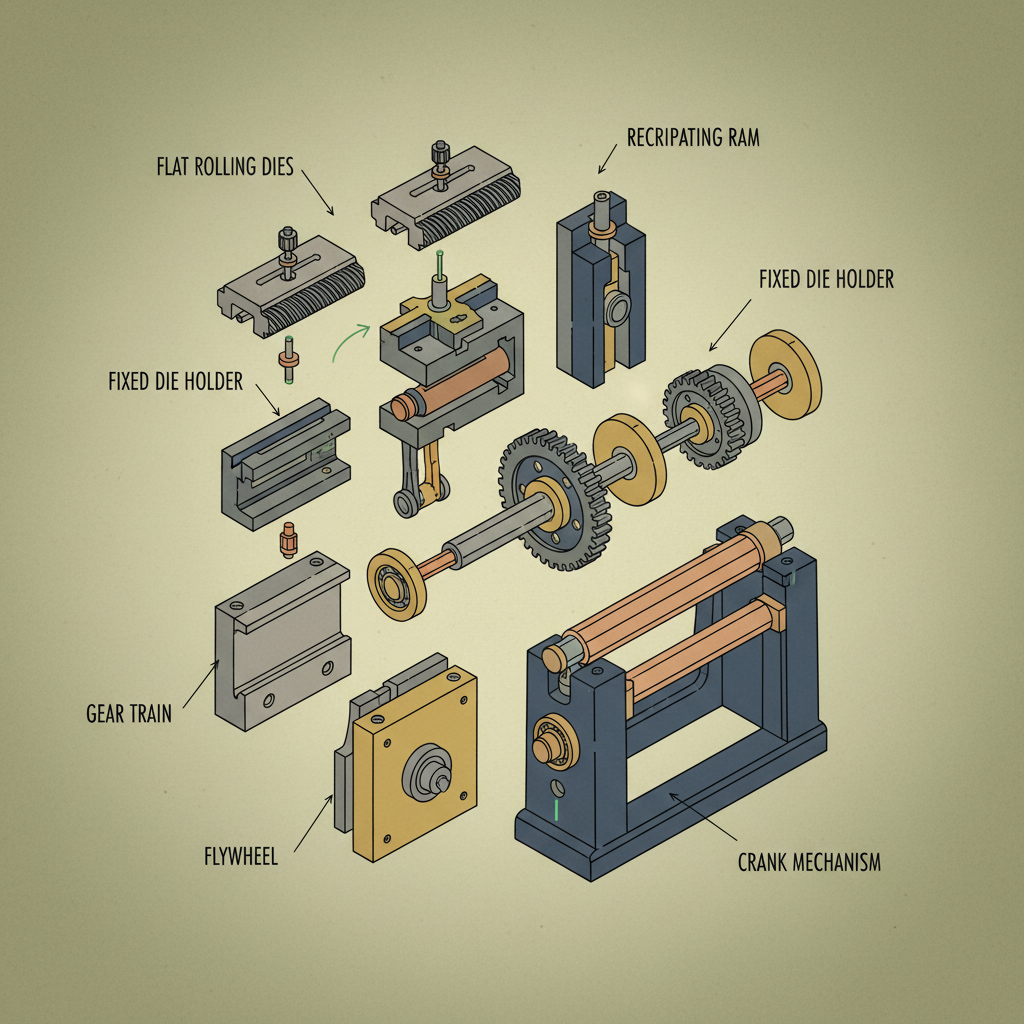
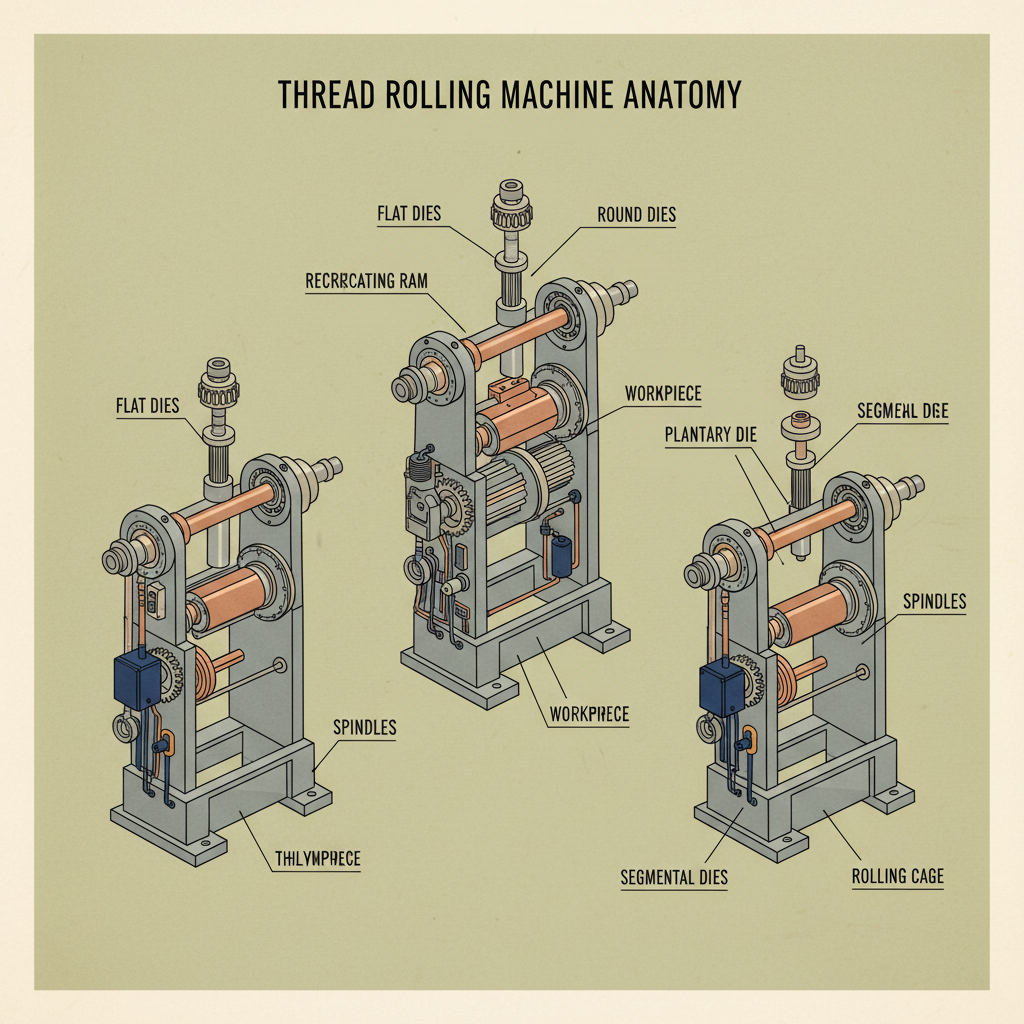
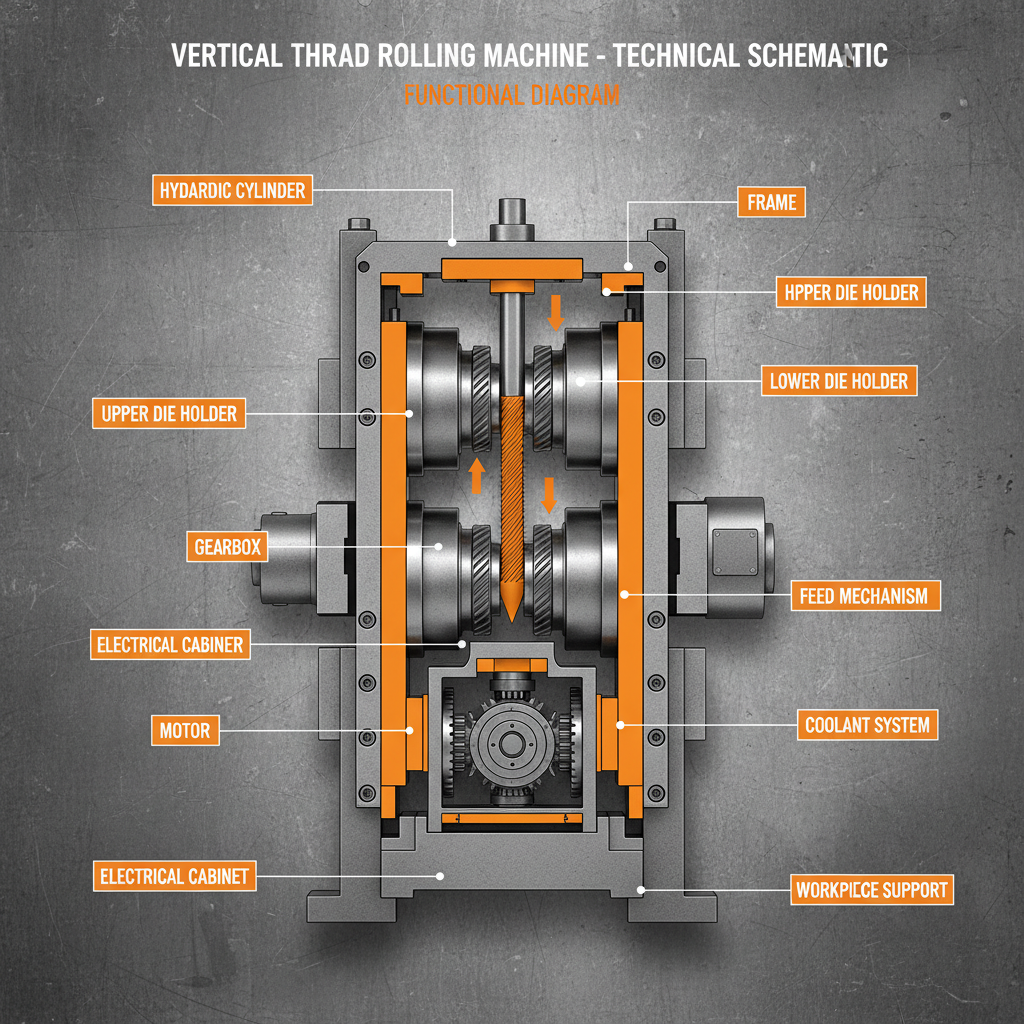
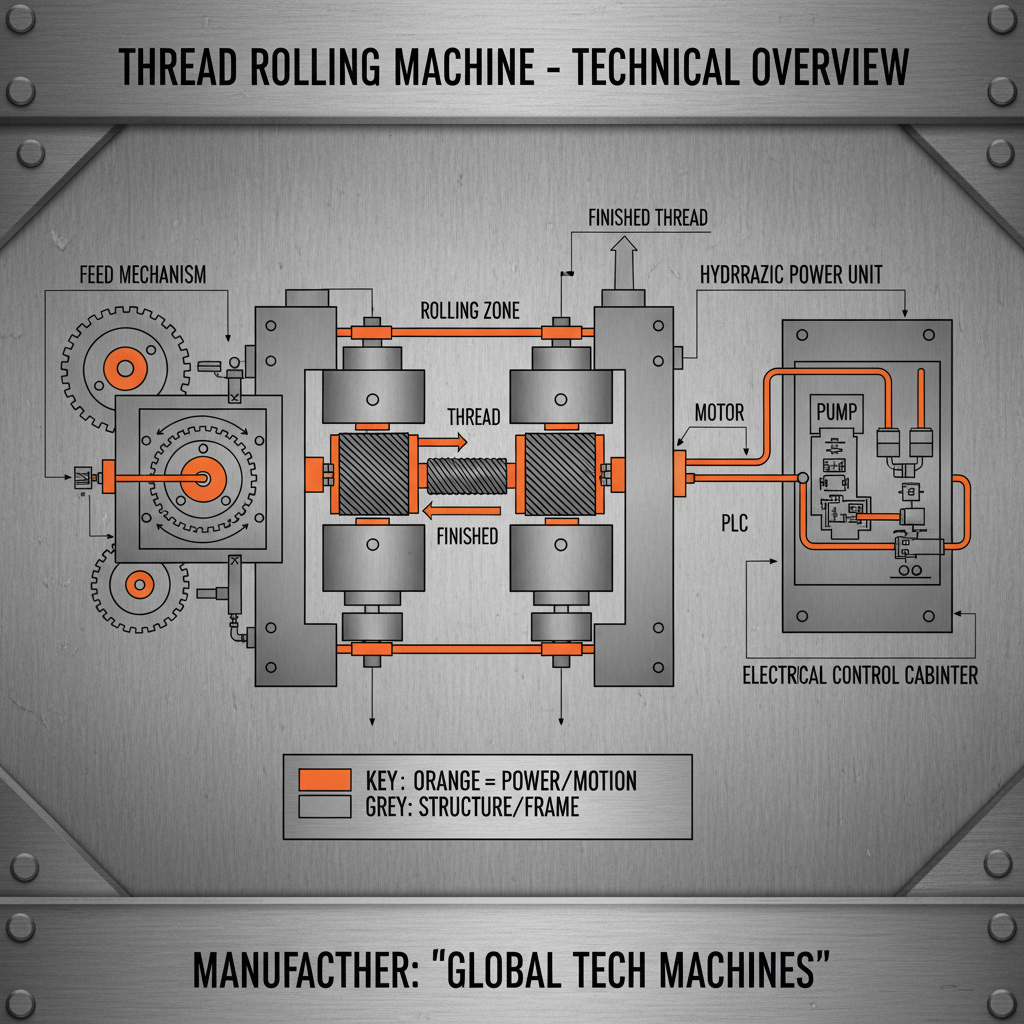
The Current Landscape of flat die thread rolling machine
Have you noticed how much automation’s creeping into everything? It's the same with flat die thread rolling machines. Folks want machines that can switch dies automatically, adjust parameters on the fly, and basically run themselves. It’s great, in theory. Reduces labor costs, increases throughput… but it also means more complex control systems, more potential points of failure.
The demand for smaller and more intricate fasteners is also driving innovation. We’re seeing a lot of interest in machines that can handle micro-threads – think screws for smartphones or medical implants. It requires incredibly precise tooling, tight process control, and a whole lot of patience. It’s not something you can just slap together.
Common Pitfalls in Design and Implementation
Strangely, a lot of companies focus so much on the machine itself, they forget about the supporting infrastructure. You need a robust die storage system, a proper coolant filtration system, and a skilled operator who understands the process. It's not enough to just buy a fancy machine and expect it to work miracles.
Another common mistake is underestimating the importance of die alignment. If the dies aren’t perfectly aligned, you’ll get inconsistent thread quality, premature die wear, and a whole lot of headaches. It sounds simple, but getting it right takes a lot of precision and attention to detail.
And don't even get me started on material selection. Using the wrong die material for the workpiece can lead to rapid wear and tear, and ultimately, a failed thread. You gotta match the hardness and composition of the die to the material you're rolling.
Materials and Their On-Site Characteristics
As I mentioned, high-speed steel is the workhorse. It’s relatively inexpensive, easy to sharpen, and can handle a wide range of materials. But it doesn't hold an edge as long as carbide. It gets a sort of powdery rust if you leave it sitting around, which is a pain to clean up.
Carbide, now that’s a different beast. It’s incredibly hard and wear-resistant, but also brittle. You drop a carbide die, and it’s probably cracked. It requires specialized grinding equipment to sharpen, and the dust is nasty – you gotta wear a respirator. But it'll run ten times longer than high-speed steel in some applications.
Then you’ve got coatings, like TiN and DLC. They improve wear resistance, reduce friction, and can even prevent galling. DLC is particularly good for aluminum, but it’s also the most expensive. Anyway, I think coatings are generally worth the investment.
Real-World Testing and Validation
Forget those pristine lab reports. The real test is on the factory floor, under real-world conditions. We don't rely on fancy measuring instruments; we run production trials, check thread quality with go/no-go gauges, and monitor die wear over time.
We also send samples to our customers for destructive testing. They put the fasteners through all sorts of abuse – tensile strength tests, corrosion resistance tests, fatigue tests. If it fails, we go back to the drawing board. It’s a messy, iterative process, but it's the only way to ensure that the dies meet the customer’s requirements.
flat die thread rolling machine Performance Metrics
Actual User Application Scenarios
We see these machines used in everything from automotive manufacturing to aerospace. But a lot of times, it’s the smaller guys, the component manufacturers, that really push the boundaries. They're the ones who are willing to try new things, experiment with different materials, and demand tighter tolerances.
I was talking to a guy at a power tool factory the other day, and he was telling me how they’re using flat die thread rolling to make the screws for their cordless drills. They were having problems with the screws stripping, so they switched to a carbide die with a DLC coating, and it solved the problem. They're seeing a huge improvement in product reliability.
Advantages, Disadvantages, and Practical Considerations
The biggest advantage, obviously, is speed and efficiency. Flat die rolling is way faster than machining threads, especially for high-volume production. It also produces stronger threads, because the grain flow of the material is maintained.
But it's not a perfect process. It requires a certain amount of material deformation, which can be a problem for some materials. And it's not always suitable for small batch sizes or prototypes. The initial investment in tooling can also be significant.
Honestly, it’s a trade-off. You gotta weigh the pros and cons and decide if it’s the right process for the job.
Customization Capabilities and a Client Story
We do a lot of custom die work. Sometimes customers need a specific thread form, or they need a die that’s designed for a particular material. Last month, that small boss in Shenzhen who makes smart home devices insisted on changing the interface to , and the result was a nightmare. He wanted a custom die to roll threads on these tiny little connectors, but he kept changing the specifications. We went through five iterations before we finally got it right. It was a frustrating experience, but we delivered a working solution.
We can also customize the die geometry to optimize the rolling process for specific materials and applications. This can improve thread quality, reduce die wear, and increase production speed.
And we offer die refurbishment services. A worn die isn't always scrap. Sometimes it can be re-ground and re-coated to extend its life. Saves the customer money, and it’s better for the environment.
Summary of Key Flat Die Thread Rolling Machine Performance Parameters
| Die Material |
Workpiece Material |
Typical Application |
Expected Die Life (hours) |
| High-Speed Steel |
Mild Steel |
General Fasteners |
500-800 |
| Carbide |
Stainless Steel |
Corrosion Resistant Parts |
2000-3000 |
| Carbide with TiN Coating |
Aluminum Alloy |
Aerospace Components |
3500-5000 |
| High-Speed Steel |
Brass |
Plumbing Fittings |
300-500 |
| Carbide with DLC Coating |
Titanium Alloy |
Medical Implants |
1500-2500 |
| High-Speed Steel |
Plastic |
Consumer Products |
200-400 |
FAQS
Typically, high-speed steel and carbide are the go-to choices. High-speed steel is affordable and easy to sharpen, but carbide offers superior wear resistance, especially for harder materials. The application and material being rolled determine the best choice. Don't cheap out on the die; it'll cost you more in the long run.
Galling is a headache. Using the right lubricant is critical. We often recommend oil-based lubricants with EP (extreme pressure) additives for tougher materials. Proper die coating – like TiN or DLC – also helps. Maintaining correct rolling parameters, like feed rate and pressure, is equally important. You really gotta dial it in.
It depends! Material, volume, workpiece material, lubrication... it all factors in. A high-speed steel die might last 500-800 hours, while a carbide die can go 2000-3000, or even more. Keep an eye on thread quality and die wear; don't push it until it fails catastrophically. Refurbishing can often extend the life.
Die alignment is everything. Even a slight misalignment can cause inconsistent thread depth, uneven pitch, and premature die wear. We use precision alignment tools to ensure the dies are perfectly parallel and centered. Regular checks are crucial, especially after die changes.
Yes, absolutely. We've rolled threads in plastics, though it requires specialized tooling and careful process control. It's more challenging than metal, but it can be done. The key is to avoid overheating the plastic and to use a die material that won't damage the plastic surface.
Compared to machining or tapping, flat die rolling is much faster, especially for high volumes. It also produces stronger threads because it work-hardens the material. However, it's not as versatile as machining; you're limited to certain thread forms and sizes. It’s a trade-off - speed and strength versus flexibility.
Conclusion
So, yeah, flat die thread rolling… it’s not glamorous work, but it’s essential. It’s the backbone of a lot of industries. It's gotten a lot more complex in recent years, with automation, micro-precision, and new materials all driving innovation. But the fundamentals remain the same: good tooling, proper setup, and a skilled operator.
Ultimately, whether this thing works or not, the worker will know the moment he tightens the screw. That's all that really matters. If it threads smoothly, holds strong, and doesn't strip… we've done our job. Check out our website at motetools.com if you need a machine or just want to chat.