The global demand for efficient and reliable fastening solutions has driven significant innovation in the field of bolt manufacturing. The bolt rolling machine represents a pivotal advancement, transforming the traditional cut-thread process into a streamlined, high-volume operation. This technology is fundamental to numerous industries, from automotive and aerospace to construction and infrastructure. Understanding the principles and applications of bolt rolling machines is crucial for optimizing manufacturing processes and ensuring structural integrity across a wide range of projects.
The prevalence of bolt rolling machines is intrinsically linked to the increasing demands of modern industrialization and globalization. According to the World Bank, global manufacturing output continues to grow, demanding faster and more cost-effective production methods. Simultaneously, ISO standards for quality and safety necessitate stringent control over fastener characteristics. Bolt rolling addresses both these demands, enabling manufacturers to meet production targets while maintaining high-quality standards. The challenge lies in optimizing machine performance, minimizing waste, and adapting to evolving material requirements.
The bolt rolling machine isn’t simply a piece of equipment; it's a cornerstone of modern manufacturing, underpinning the safety and reliability of countless structures and machines. Its impact extends beyond economic efficiency, contributing to sustainability through material conservation and reduced energy consumption compared to traditional methods. As infrastructure projects expand globally and the need for durable fasteners increases, the importance of mastering this technology will only continue to grow.
Introduction to Bolt Rolling Machines
Bolt rolling machines are specialized industrial equipment designed to form threads on bolts, screws, and other fasteners through a cold-forming process. Unlike traditional cutting methods which remove material, bolt rolling displaces it, resulting in a stronger, more durable thread. The efficiency and cost-effectiveness of this process have made bolt rolling machines indispensable in modern manufacturing.
The demand for high-volume, precise fasteners necessitates the use of sophisticated machinery like bolt rolling machines. These machines aren't limited to producing standard bolts; they can be adapted to create a diverse range of specialized fasteners tailored to specific application requirements, further solidifying their critical role across various industries.
Defining Bolt Rolling Machines
A bolt rolling machine, at its core, is a machine tool that uses dies to plastically deform a cylindrical metal blank into a threaded fastener. This cold-forming process improves the material's strength due to strain hardening, resulting in a stronger and more fatigue-resistant thread than one created by cutting. The machine utilizes a combination of pressure, rolling motion, and precisely engineered dies to achieve the desired thread profile.
The connection to modern industry is paramount. Virtually every manufactured product utilizes fasteners, and the efficiency of the bolt rolling process directly impacts the speed and cost of production. From automobiles and aircraft to bridges and buildings, the reliability of these structures depends on the integrity of the fasteners created by these machines.
Furthermore, the rise of prefabrication and modular construction intensifies the need for high-volume, consistent fastener production. Bolt rolling machines offer the scalability and precision required to meet these demands, making them a vital component in the evolving landscape of construction and manufacturing.
Core Components of a Bolt Rolling Machine
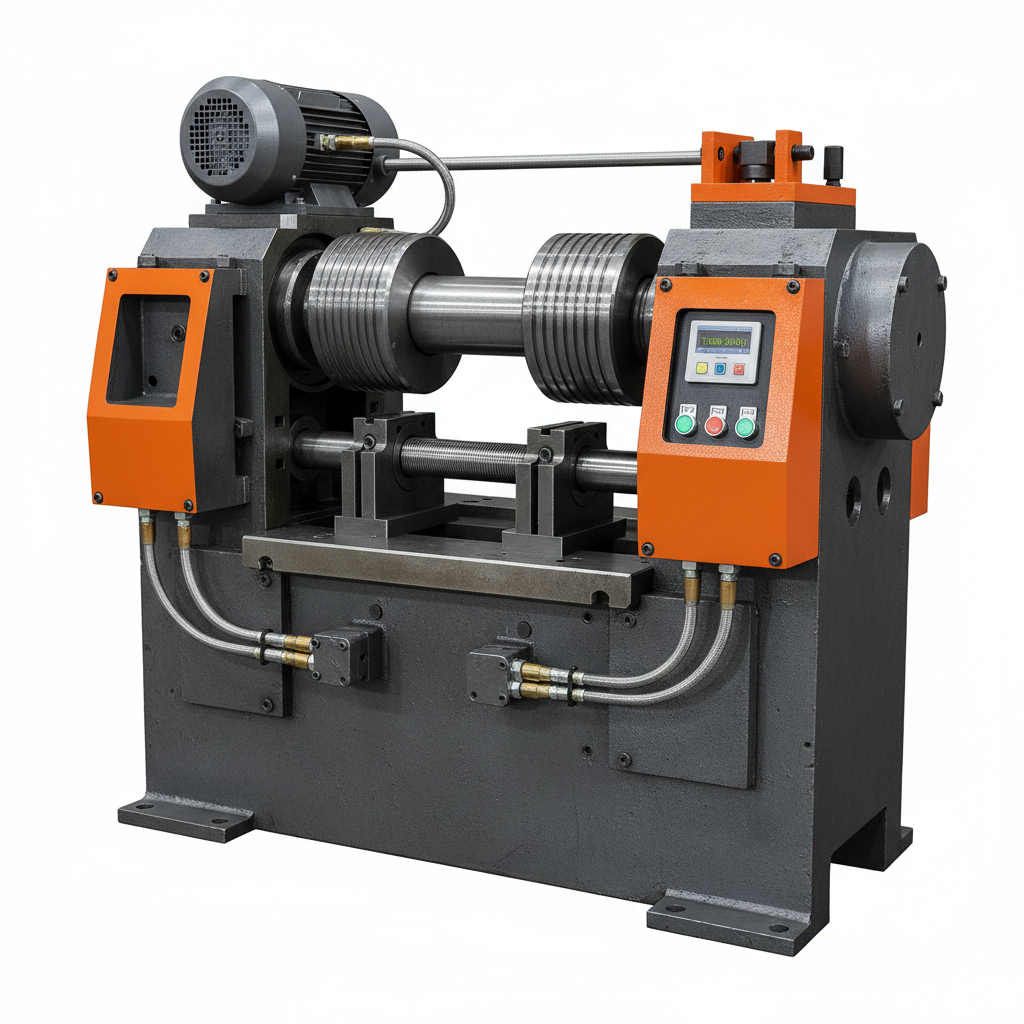
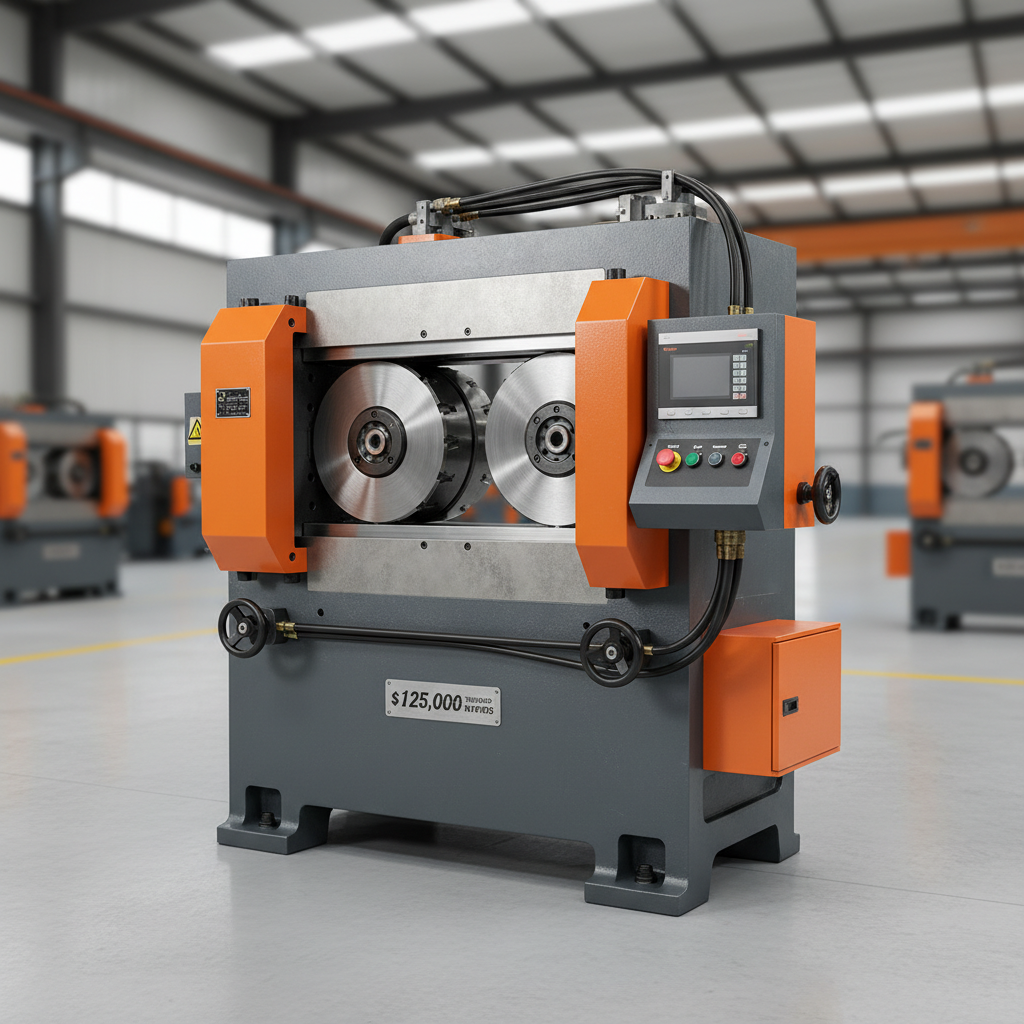
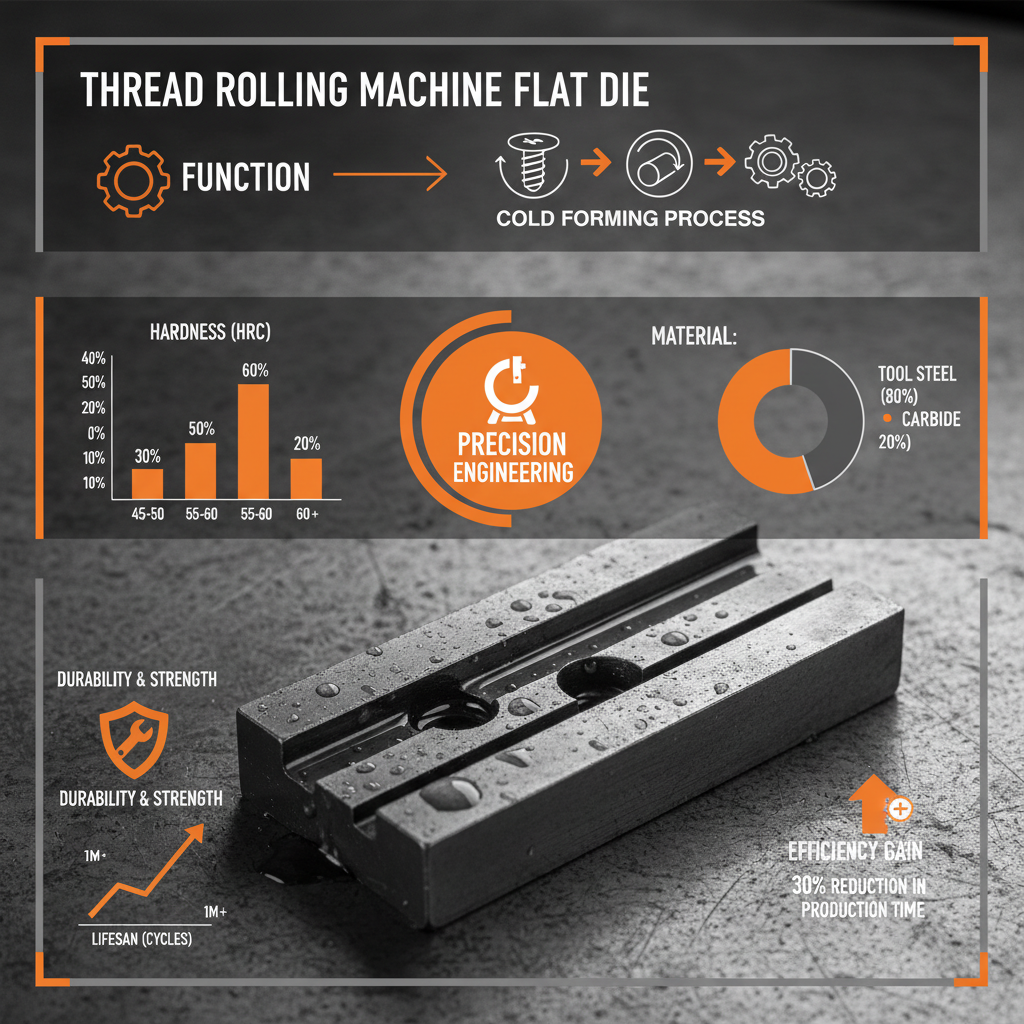
Several key components contribute to the functionality of a bolt rolling machine. The dies are arguably the most critical element, responsible for shaping the thread profile. These are typically made from high-speed steel or carbide, designed to withstand the immense pressures involved in the forming process. Proper die design and maintenance are essential for achieving consistent thread quality.
The feeding mechanism precisely delivers the metal blanks to the rolling zone. This system must be reliable and accurate to prevent jams and ensure a consistent flow of material. Synchronization between the feeding mechanism and the rolling process is crucial for optimal performance.
Finally, the machine’s drive system – often utilizing electric motors and gearboxes – provides the power and control necessary for the rolling process. Modern machines often incorporate programmable logic controllers (PLCs) for precise control over speed, pressure, and cycle time, allowing for automation and optimized performance.
Advantages of Utilizing Bolt Rolling Machines
The advantages of using a bolt rolling machine are numerous. First and foremost is the increased strength of the produced fasteners. The cold-forming process aligns the grain structure of the metal, enhancing its tensile strength and fatigue resistance. This is a significant advantage over cut-threaded fasteners which have severed grain lines.
Secondly, bolt rolling is a significantly more economical process than machining. By displacing material rather than removing it, there is minimal material waste, reducing raw material costs. Furthermore, the increased production speed and reduced labor requirements contribute to lower overall manufacturing costs.
Bolt Rolling Machine Performance Metrics
Global Applications and Industry Impact
The automotive industry is a major consumer of fasteners produced by bolt rolling machines. From engine components to chassis assemblies, high-strength bolts are crucial for vehicle safety and performance. The demand for lighter, more fuel-efficient vehicles drives the need for fasteners made from advanced materials, requiring versatile bolt rolling capabilities.
The aerospace sector similarly relies heavily on precisely manufactured fasteners. Aircraft components are subjected to extreme stresses and temperatures, demanding fasteners with exceptional strength and reliability. Stringent quality control measures and traceability are paramount in this industry, making bolt rolling machines with advanced monitoring systems essential.
Long-Term Value and Sustainability
Investing in a quality bolt rolling machine yields long-term value through reduced production costs, improved product quality, and increased efficiency. The durability of these machines, coupled with readily available spare parts and maintenance services, ensures a long operational lifespan. The increased strength of the rolled threads also contributes to the longevity of the assembled products.
From a sustainability perspective, bolt rolling is inherently more environmentally friendly than machining. The elimination of material waste reduces the consumption of raw materials and lowers energy requirements. Furthermore, the ability to produce lighter fasteners contributes to fuel efficiency in transportation applications, further reducing environmental impact.
Beyond the direct economic and environmental benefits, bolt rolling also enhances product safety and reliability, fostering trust and confidence in the manufactured goods. This positive reputation translates into increased customer satisfaction and brand loyalty.
Future Trends in Bolt Rolling Technology
The future of bolt rolling machine technology is poised for significant advancements. Automation and robotics are increasingly being integrated into the process, allowing for greater precision, increased production speeds, and reduced labor costs. The implementation of Industry 4.0 principles, such as data analytics and machine learning, will enable predictive maintenance and optimized process control.
The development of new materials, including high-strength alloys and composite materials, will necessitate the adaptation of bolt rolling techniques. Advanced die designs and innovative rolling processes will be required to accommodate these new materials while maintaining thread quality and strength.
Furthermore, the push for greater sustainability will drive the adoption of energy-efficient machines and environmentally friendly lubricants. The integration of closed-loop systems for coolant recycling and waste management will further minimize the environmental footprint of bolt rolling operations.
Summary of Challenges and Solutions in Bolt Rolling Machine Operation
| Challenge |
Impact on Bolt Quality |
Potential Solution |
Implementation Cost (1-10) |
| Die Wear |
Reduced Thread Accuracy, Increased Reject Rate |
Regular Die Inspection and Replacement |
5 |
| Material Feed Issues |
Inconsistent Thread Formation, Machine Stoppage |
Automated Feed System with Sensors |
7 |
| Lubrication Problems |
Increased Friction, Die Damage |
Automated Lubrication System |
6 |
| Vibration |
Reduced Machine Life, Thread Imperfections |
Anti-Vibration Mounts, Machine Balancing |
4 |
| Operator Error |
Inconsistent Setup, Incorrect Parameters |
Automated Setup Procedures, Training Programs |
3 |
| Process Monitoring |
Lack of Real-time Data for Optimization |
Implementation of Sensor Technology and Data Analytics |
8 |
FAQS
The lifespan of a bolt rolling machine can vary significantly depending on usage, maintenance, and the quality of the machine itself. However, with proper care, a well-built machine can operate effectively for 15-20 years or even longer. Regular inspections, lubrication, and timely replacement of worn parts are crucial for maximizing longevity. Investing in a reputable manufacturer and choosing robust components also contributes to a longer operational life.
Bolt rolling machines are versatile and can process a wide range of metal materials, including carbon steel, alloy steel, stainless steel, aluminum alloys, and even some non-ferrous metals like brass and copper. The specific material compatibility depends on the machine's capacity, die design, and lubrication system. Harder materials generally require more powerful machines and more durable dies.
Regular maintenance is essential for optimal performance and longevity. This includes daily lubrication of moving parts, weekly inspections of dies for wear and damage, monthly checks of the hydraulic system (if applicable), and annual professional servicing. Die replacement is a crucial aspect of maintenance, as worn dies can compromise thread quality and increase the risk of machine failure.
Bolt rolling generally produces stronger threads than thread cutting. This is because the cold-forming process aligns and work-hardens the metal grain structure, increasing tensile strength and fatigue resistance. Cut threads, on the other hand, sever the grain lines, creating stress concentration points. The increased strength of rolled threads results in more reliable and durable fasteners.
Bolt rolling machines range from fully manual to fully automated systems. Semi-automatic machines require some operator intervention for material loading and unloading, while fully automated machines can operate continuously with minimal human involvement. Automation typically includes features like automatic feeding, thread rolling, part ejection, and quality control inspection. The level of automation chosen depends on production volume and budget.
Safety is paramount when operating a bolt rolling machine. Operators should always wear appropriate personal protective equipment (PPE), including safety glasses, gloves, and hearing protection. Emergency stop buttons should be easily accessible and regularly tested. Proper guarding should be in place to prevent contact with moving parts. Thorough training and adherence to safety procedures are essential.
Conclusion
In conclusion, the bolt rolling machine is a critical component of modern manufacturing, providing a cost-effective, efficient, and reliable method for producing high-quality fasteners. Its ability to enhance material strength, reduce waste, and adapt to diverse material requirements makes it indispensable across a wide range of industries. From automotive and aerospace to construction and infrastructure, the impact of this technology is undeniable.
Looking ahead, the future of bolt rolling technology is marked by automation, advanced materials processing, and a commitment to sustainability. Investing in this technology, embracing innovation, and prioritizing safety will be essential for manufacturers seeking to remain competitive in the evolving global landscape. Visit our website at www.motetools.com to learn more about our range of bolt rolling machines and how we can help optimize your fastener production processes.