Selecting the best steel thread rolling machine is a critical decision for any modern metalworking facility aiming to optimize production efficiency and part durability. Unlike traditional cutting methods, thread rolling utilizes cold-forming technology to displace metal, creating threads that are significantly stronger and more resistant to fatigue. This transition from subtractive to formative manufacturing is not just a technical upgrade but a strategic move toward reducing material waste and enhancing structural integrity.
Across the global industrial landscape, the demand for precision-engineered fasteners and automotive components has surged, placing immense pressure on manufacturers to deliver high-volume output without compromising quality. The integration of advanced 2-Axis and ZA28 Series machines allows for unprecedented control over thread geometry, ensuring that every single bolt or screw meets stringent ISO and ASTM standards. By investing in the best steel thread rolling machine, companies can drastically lower their cost-per-part while increasing their overall competitive edge in the global market.
Understanding the nuances of thread rolling—from die selection to the synchronization of the 2-Axis system—is essential for maximizing the lifespan of the equipment and the quality of the end product. This guide explores the technical advantages, global applications, and future trajectories of these machines, providing a comprehensive roadmap for engineers and procurement managers seeking to implement the most reliable steel threading solutions available today.
Global Industry Context of Steel Thread Rolling
The global demand for precision fasteners is intrinsically linked to the growth of the automotive, aerospace, and construction sectors. According to industrial trends aligned with ISO quality standards, the shift toward high-tensile steel components requires manufacturing processes that do not introduce stress concentrations or micro-cracks. This is where the best steel thread rolling machine becomes indispensable, as it ensures a continuous grain flow in the metal, which is critical for safety-critical applications.
Currently, the industry faces the dual challenge of rising raw material costs and the need for faster production cycles. Traditional machining, which removes material in the form of chips, is increasingly seen as inefficient and ecologically unsustainable. By adopting advanced rolling technology, manufacturers are not only reducing waste but are also meeting the rigorous performance requirements of modern infrastructure projects globally.
Defining the Best Steel Thread Rolling Machine
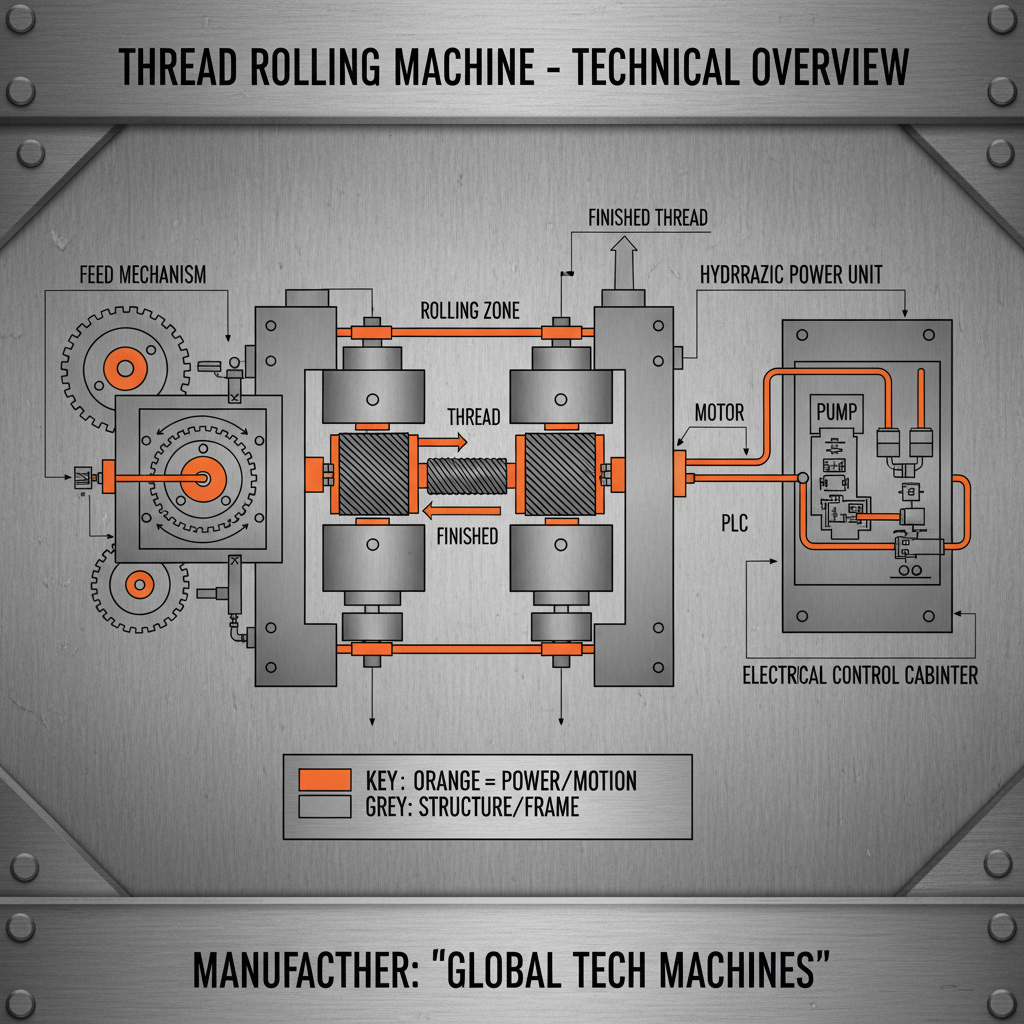
In simple technical terms, the best steel thread rolling machine is a specialized piece of cold-forming equipment that uses hardened steel dies to press threads into a cylindrical workpiece. Unlike a lathe or a die-cutting tool, it does not cut away metal; instead, it displaces it. This process creates a "work-hardened" surface, which significantly improves the fatigue strength and wear resistance of the resulting thread.
For a machine to be classified as "the best" in a commercial context, it must balance precision, repeatability, and versatility. The ZA28 Series, for instance, exemplifies this balance by offering high torque and stable axis movement, allowing for the production of everything from small precision screws to large heavy-duty bolts. This versatility is what connects the machinery to broader industrial needs, such as the construction of earthquake-resistant bridges or high-performance engine assemblies.
Ultimately, the essence of these machines lies in their ability to transform raw steel blanks into high-value components with minimal human intervention. By optimizing the relationship between the die pressure and the rotation speed, these machines ensure that the dimensional accuracy remains within microns, meeting the strictest tolerances required by the global aerospace and medical device industries.
Core Components for High-Precision Threading
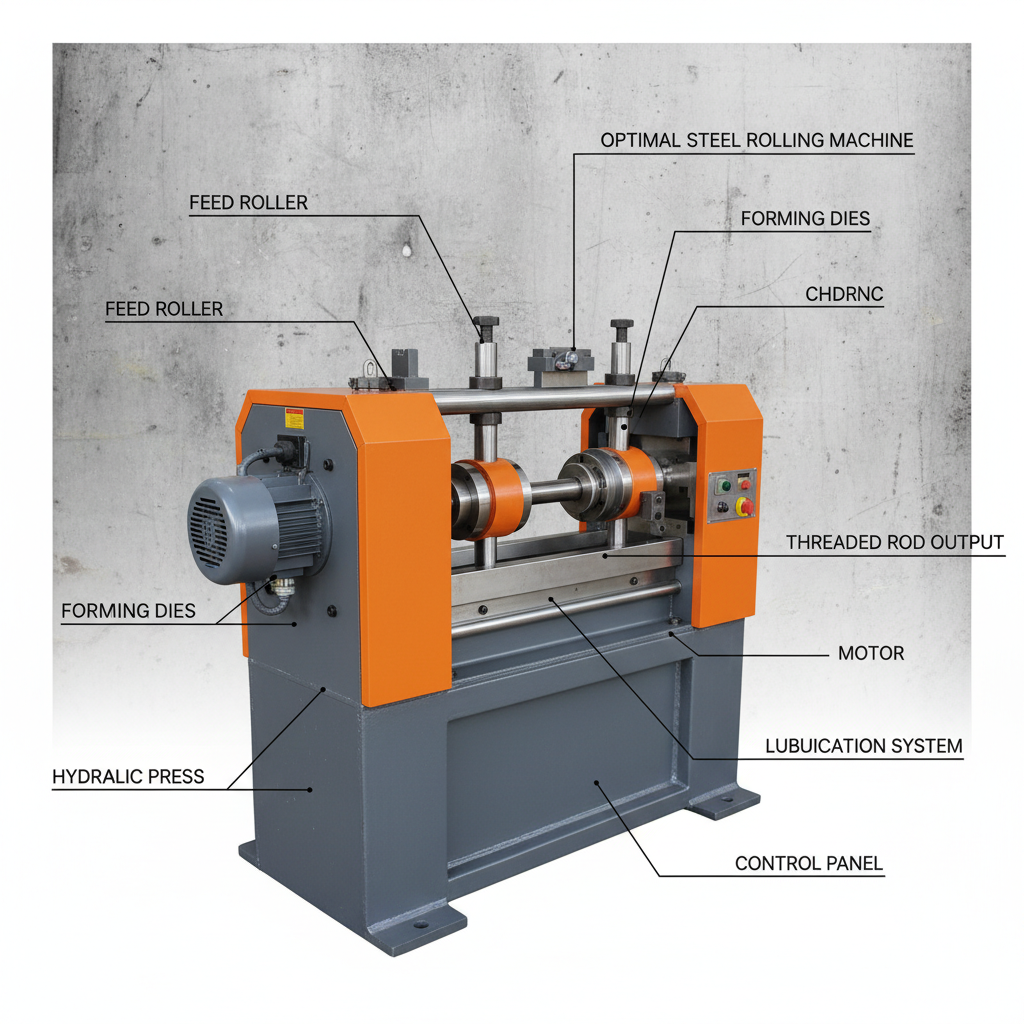
Durability is the cornerstone of any best steel thread rolling machine. The frame must be constructed from high-grade cast iron or reinforced steel to dampen vibrations during high-pressure rolling. Without a rigid base, the machine would suffer from harmonic oscillations, leading to inconsistent thread pitches and premature die wear.
Scalability and flexibility are achieved through the 2-Axis synchronization system. The best steel thread rolling machine allows operators to quickly switch between different die sets and adjust the feed rate digitally. This ensures that the facility can handle a diverse product mix—ranging from standard metric threads to specialized custom profiles—without extensive downtime.
Finally, the precision of the drive system determines the overall quality. High-torque servo motors combined with precision ball screws ensure that the movement of the workpiece is perfectly synchronized with the rotation of the dies. This synergy is what prevents "over-rolling" and ensures a smooth, mirror-like surface finish on every steel thread produced.
Performance Metrics and Cost Efficiency
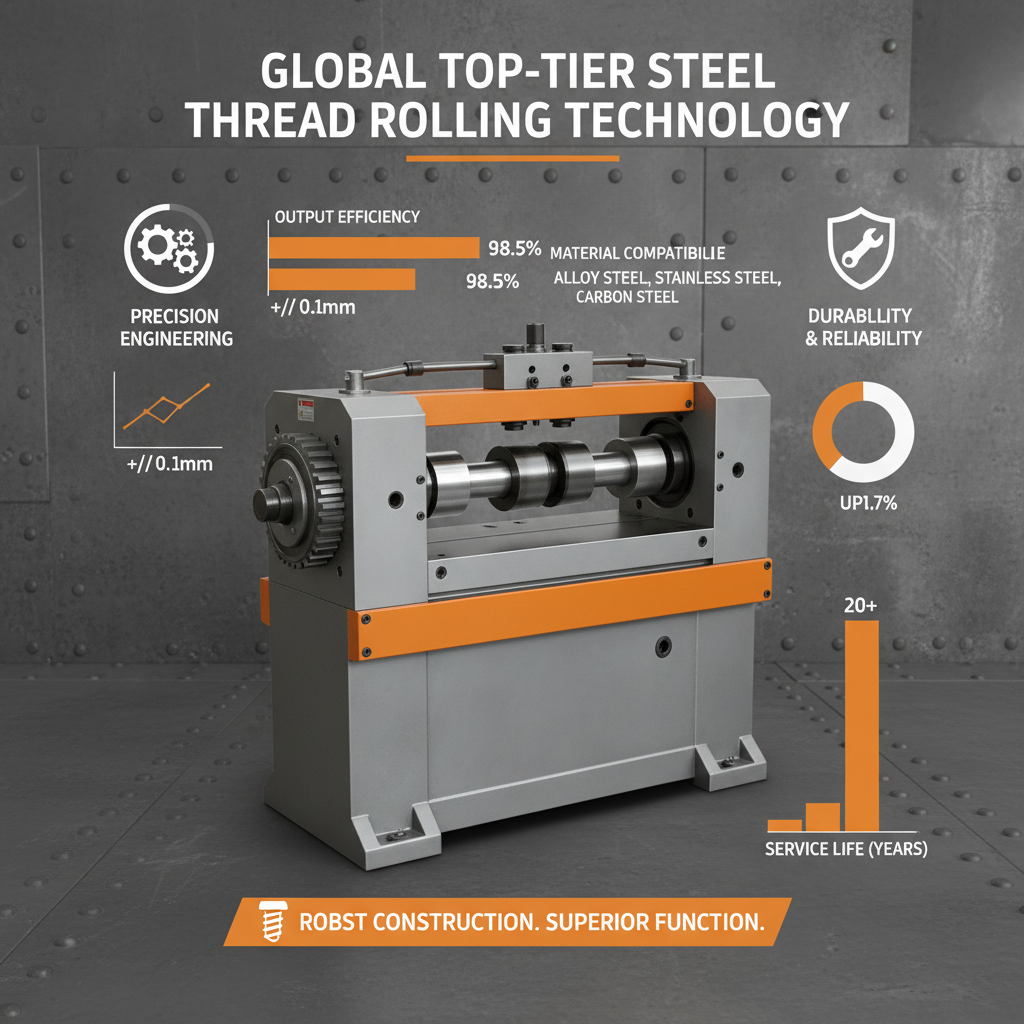
When evaluating the ROI of the best steel thread rolling machine, one must look beyond the initial purchase price and analyze the "cost per thousand pieces." Because rolling is significantly faster than cutting, the throughput increase is often exponential. Furthermore, since no material is wasted as scrap chips, the raw material utilization rate approaches 100%, directly boosting the bottom line.
Energy efficiency is another critical metric. Modern ZA28 Series machines utilize regenerative braking and optimized motor controllers to reduce power consumption by up to 30% compared to legacy hydraulic systems. This not only lowers operational costs but also aligns the manufacturing process with global "Green Industry" initiatives.
Efficiency Comparison of Threading Technologies
Global Applications and Industrial Use Cases
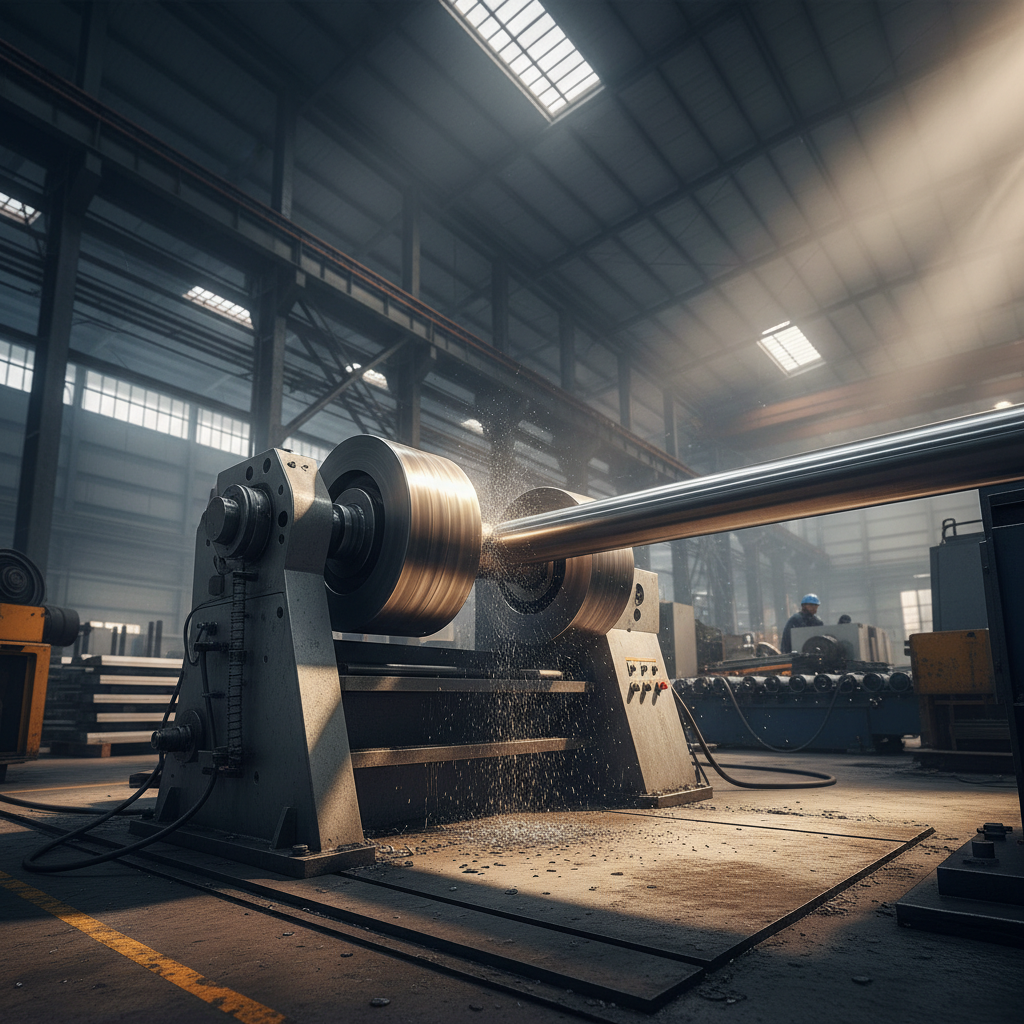
The application of the best steel thread rolling machine spans across diverse geographical and industrial zones. In the heavy industrial hubs of Germany and Japan, these machines are used to produce high-tension bolts for wind turbine towers, where the strength of the thread is a matter of structural survival against extreme weather.
In emerging industrial zones across Southeast Asia and Latin America, the adoption of 2-Axis thread rollers has allowed local manufacturers to enter the global supply chain for automotive parts. For instance, in the production of cylinder head bolts, the cold-rolled threads provide the necessary clamping force and fatigue resistance that cut threads simply cannot offer, ensuring engine longevity and safety.
Long-Term Value and Sustainability
Investing in the best steel thread rolling machine provides tangible long-term value by reducing the total cost of ownership (TCO). Because the process improves the metal's grain structure, the resulting parts have a longer operational life, reducing warranty claims and increasing customer trust. This reliability creates a positive feedback loop, enhancing the brand reputation of the manufacturer.
From a sustainability perspective, thread rolling is a champion of the circular economy. By eliminating the need for cutting oils in some configurations and removing the production of metal shavings (swarf), it minimizes the environmental footprint of the factory. The reduction in energy consumption per part produced further contributes to a lower carbon footprint.
Beyond the numbers, there is an element of innovation and dignity in the craftsmanship. Using a high-precision ZA28 Series machine allows technicians to push the boundaries of what is possible in steel forming, fostering a culture of excellence and precision engineering within the workforce.
Future Trends in Thread Rolling Automation
The future of the best steel thread rolling machine is inextricably linked to Industry 4.0. We are seeing a shift toward "Smart Threading," where sensors integrated into the dies can monitor pressure and temperature in real-time. This allows the machine to automatically adjust its parameters to compensate for variations in raw material hardness, ensuring absolute consistency.
Digital twins and AI-driven predictive maintenance are also becoming standard. Instead of scheduled maintenance, the machine can now predict when a die is likely to fail based on vibration patterns, reducing unplanned downtime to nearly zero. This digital transformation ensures that the high output of the 2-Axis systems is never interrupted.
Furthermore, the integration of robotic loading and unloading arms is turning thread rolling into a fully autonomous process. This removes the human element from high-risk areas and allows for 24/7 operation, maximizing the capacity of the equipment.
Technical Analysis of Thread Rolling Machine Specifications
| Machine Model |
Precision Level |
Production Speed |
Durability Score |
| ZA28-Standard |
High (±0.02mm) |
120 pcs/min |
8/10 |
| ZA28-Precision Plus |
Ultra (±0.005mm) |
100 pcs/min |
9/10 |
| 2-Axis Pro Max |
Ultra (±0.008mm) |
150 pcs/min |
10/10 |
| Compact Roller X1 |
Medium (±0.05mm) |
80 pcs/min |
7/10 |
| Industrial Heavy-Duty |
High (±0.03mm) |
200 pcs/min |
9/10 |
| Custom Series ZA |
Variable |
Custom |
9/10 |
FAQS
The 2-Axis system allows for precise control over both the rotation of the dies and the linear movement of the workpiece. This synchronization minimizes friction and ensures that the thread profile is formed uniformly across the entire length of the part, reducing the risk of taper or pitch errors common in single-axis machines.
Thread rolling is vastly superior because it cold-forms the metal, compressing the grain structure rather than cutting through it. This increases the surface hardness and eliminates the "notch effect" found in cut threads, making rolled threads significantly more resistant to fatigue and shear stress.
Yes, the ZA28 Series is specifically engineered for high-throughput environments. Its robust frame and high-torque motors allow it to maintain precision even at maximum speeds, making it an ideal choice for producing engine bolts and chassis fasteners where consistency and speed are paramount.
To maximize die lifespan, ensure consistent lubrication to reduce heat and friction. Additionally, regularly calibrate the machine's pressure settings to avoid "over-rolling," which can cause premature wear and deformation of the die profile. Using high-grade tungsten carbide dies is also recommended for harder steel materials.
Absolutely. The best steel thread rolling machine eliminates the production of metal chips, which are often contaminated with coolant and difficult to recycle. By reducing material waste and lowering energy consumption per part, rolling is a significantly more sustainable manufacturing choice.
Lead times vary based on customization, but standard ZA28 units are typically deployed within 4-8 weeks. This includes the configuration of the axis settings and the sourcing of custom dies. Integration into an existing automated line may take longer depending on the robotic interface requirements.
Conclusion
In summary, the transition to the best steel thread rolling machine is a pivotal step for any manufacturer seeking to elevate their production quality and operational efficiency. By leveraging the cold-forming advantages of the ZA28 and 2-Axis series, companies can achieve superior thread strength, eliminate material waste, and significantly reduce their cost-per-part. The synergy of precision engineering, energy efficiency, and high-volume output ensures that these machines remain the gold standard in the metalworking industry.
Looking ahead, the integration of AI and IoT will further refine the capabilities of thread rolling, turning static machinery into intelligent production hubs. For businesses aiming to stay competitive in a global market defined by rigorous quality standards and sustainability mandates, investing in advanced rolling technology is no longer optional—it is a strategic necessity. We invite you to explore our full range of precision solutions to future-proof your production line. Visit our website: www.motetools.com