In the competitive landscape of precision engineering, selecting the best reed thread roller is not merely a procurement decision but a strategic investment in manufacturing excellence. Thread rolling, unlike cutting or grinding, displaces metal to form threads, resulting in superior grain flow and exceptional fatigue strength. This cold-forming process is critical for components that must withstand extreme stress, ensuring that every bolt and screw meets the highest global standards of reliability.
The global demand for high-precision fasteners has surged, driven by the aerospace, automotive, and renewable energy sectors. Achieving consistency in high-volume production requires equipment that balances raw power with micrometric precision. The best reed thread roller provides this equilibrium, reducing material waste and eliminating the need for secondary finishing operations, which directly enhances the bottom line for modern machine shops.
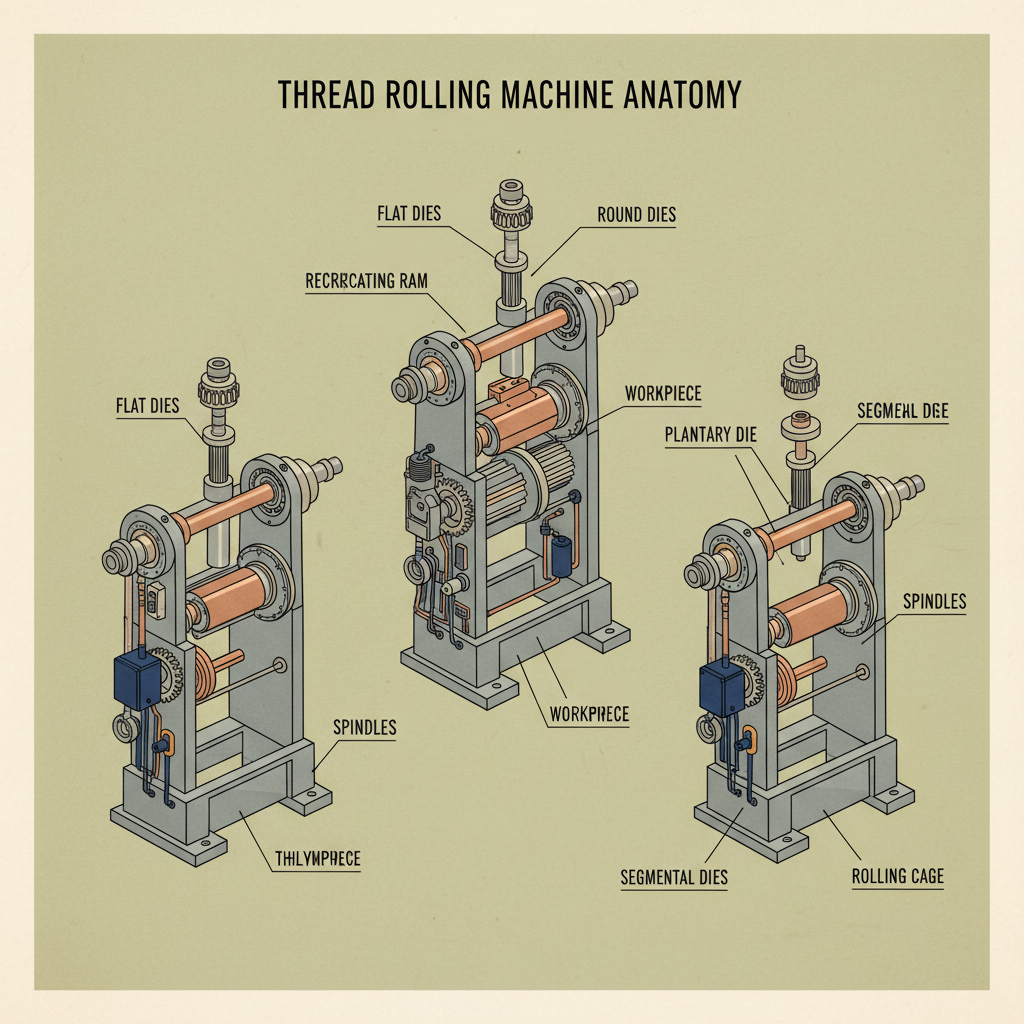
Understanding the nuances of reed-type rolling—where threads are formed by two reciprocating dies—is essential for optimizing production cycles. By focusing on the synergy between machine stability and die geometry, manufacturers can achieve unparalleled surface finishes and dimensional accuracy. This guide explores the technical benchmarks, application strategies, and future innovations that define the current gold standard in thread rolling technology.
The Industrial Significance of the Best Reed Thread Roller
The role of the best reed thread roller in the modern supply chain cannot be overstated. In sectors where a single failed fastener can lead to catastrophic system failure—such as in aircraft engines or high-pressure hydraulic systems—the structural integrity provided by rolled threads is non-negotiable. By compressing the metal fibers rather than cutting them, these machines ensure that the thread root is stronger and more resistant to stress corrosion cracking.
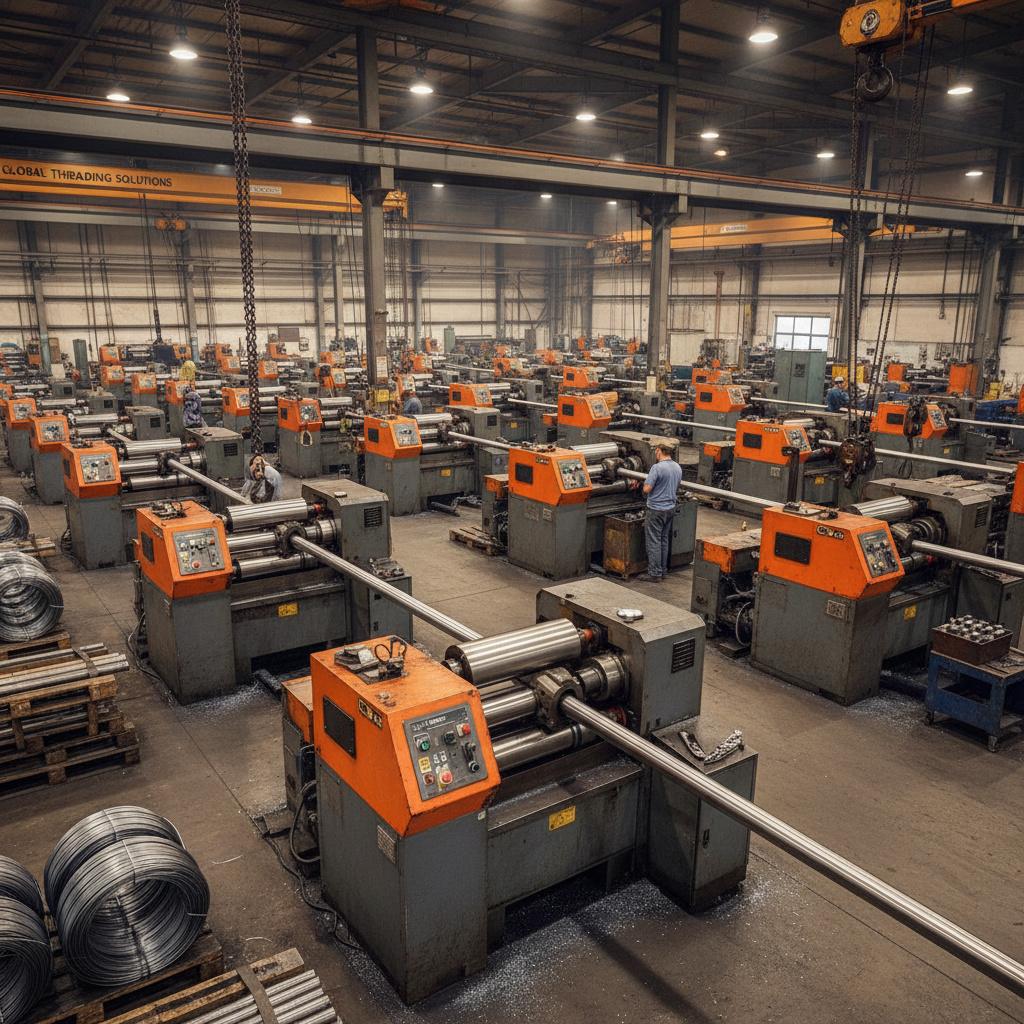
Beyond safety, the industrial significance lies in the massive increase in throughput. Modern 2-Axis and ZA28 series machines allow for rapid cycling, transforming blank rods into finished precision components in seconds. This efficiency is what allows global manufacturers to scale production while maintaining ISO-compliant tolerances, making the right choice of rolling equipment a cornerstone of competitive industrial scaling.
Core Technical Components for High-Precision Rolling
To identify the best reed thread roller, one must look at the synergy between the drive system and the die holder. The stability of the machine bed is paramount; any vibration can translate into "chatter" marks on the thread surface, compromising the fit. High-grade cast iron frames and precision-ground guideways are essential for absorbing the immense pressures generated during the cold-forming process.
The precision of the reciprocating mechanism determines the pitch accuracy. In high-end ZA28 Series machines, the synchronization between the two reed dies is managed by heavy-duty gears or servo-controls that ensure the dies move in perfect harmony. This eliminates the risk of thread overlap or uneven depth, which are common failures in lower-quality equipment.
Furthermore, the quality of the rolling dies themselves—typically made from tungsten carbide or high-speed tool steel—acts as the "blade" of the operation. The best reed thread roller utilizes a quick-change die system, allowing operators to switch between different thread profiles with minimal downtime, thus maximizing the overall equipment effectiveness (OEE).
Key Factors Determining Roller Efficiency and Life
Durability is the first benchmark of the best reed thread roller. The ability of the machine to maintain its calibration over millions of cycles is what separates industrial-grade equipment from entry-level tools. Wear resistance in the sliding components and the use of advanced lubrication systems are critical to prevent premature degradation.
Cost efficiency is realized not just in the purchase price, but in the reduction of scrap rates. A best reed thread roller minimizes the "trial and error" phase of setup through precise digital readouts and adjustable pressure settings, ensuring that the first part produced is as accurate as the thousandth.
Finally, scalability and flexibility allow a shop to adapt to changing market needs. Whether producing small-batch specialty fasteners or millions of standard bolts, the versatility of the machine's power range and its compatibility with various materials—from low-carbon steel to titanium alloys—defines its long-term value.
Comparative Performance Metrics of Rolling Methods
When comparing different rolling technologies, the reed-type method stands out for its ability to handle long workpieces and its high speed of production. Unlike flat rolling, the best reed thread roller utilizes two dies that "pinch" the material, providing a more controlled deformation process that is ideal for high-tensile materials.
The following data highlights how different configurations of thread rolling impact overall quality and speed. While different methods exist, the optimized reed system consistently scores higher in terms of surface finish and fatigue resistance, making it the preferred choice for critical infrastructure components.
Performance Comparison: Best Reed Thread Roller Variants
Global Applications in Heavy Industry and Aerospace
The application of the best reed thread roller spans across continents, from the automotive hubs of Germany and Japan to the burgeoning industrial zones of Southeast Asia. In the aerospace industry, where weight reduction is key, rolled threads in titanium alloys provide the necessary strength-to-weight ratio that cut threads simply cannot match.
In remote industrial zones or post-disaster reconstruction, the ability to produce high-strength fasteners on-site using robust, low-maintenance rolling machines is invaluable. Whether it is creating heavy-duty bolts for bridge construction or precision pins for medical devices, the versatility of the reed rolling process ensures that safety and precision are maintained regardless of the environment.
Long-Term Economic Value and Sustainability
Investing in the best reed thread roller offers a tangible return on investment through material conservation. Unlike CNC turning, where a significant portion of the raw material is turned into waste chips, thread rolling uses 100% of the material. This not only reduces raw material costs but also aligns with global "Green Manufacturing" initiatives.
From a logical perspective, the reduction in secondary operations—such as deburring or polishing—drastically lowers labor costs. The inherent smoothness of a rolled thread reduces the friction in final assemblies, extending the lifespan of the end product and increasing customer trust in the brand's quality.
Emotionally, there is a profound sense of security knowing that every critical fastener in a high-pressure system was produced by a machine capable of flawless repeatability. This reliability fosters a culture of innovation, allowing engineers to push the limits of machine design, knowing the fastening elements will not be the point of failure.
Future Innovations in Automated Thread Rolling
The future of the best reed thread roller lies in the integration of Industry 4.0. We are seeing a shift toward "Smart Rolling," where sensors embedded in the dies monitor pressure and temperature in real-time. This allows the machine to auto-correct for material variance, ensuring a perfect thread every time without manual intervention.
Automation is also transforming the loading and unloading process. The integration of robotic arms with ZA28 Series machines creates a fully autonomous production cell, reducing human error and increasing safety by removing operators from the immediate vicinity of high-pressure machinery.
Furthermore, the development of new nano-coatings for rolling dies is extending tool life by up to 300%. These advancements, combined with AI-driven predictive maintenance, mean that the best reed thread roller of tomorrow will not only be more precise but will virtually eliminate unplanned downtime.
Analysis of Technical Specifications and Operational Outcomes
| Machine Series |
Precision Level |
Material Compatibility |
ROI Score (1-10) |
| ZA28 Standard |
High (±0.02mm) |
Carbon Steel, Alloy Steel |
8.5 |
| 2-Axis Precision |
Ultra-High (±0.01mm) |
Stainless, Titanium |
9.2 |
| Industrial Reed X1 |
Medium (±0.05mm) |
Mild Steel, Brass |
7.8 |
| ZA28 High-Speed |
High (±0.03mm) |
Various Alloys |
8.9 |
| Custom Heavy-Duty |
High (±0.04mm) |
Hardened Steel |
8.0 |
| Eco-Series Roller |
Medium (±0.04mm) |
Recycled Steel Alloys |
8.7 |
FAQS
The "best" reed thread roller is defined by its ability to combine high production speeds with extreme dimensional accuracy. Unlike flat rolling, reed rollers use a reciprocating motion that is more efficient for producing long bolts and provides superior grain flow, which significantly increases the fatigue strength of the fastener. When you choose a high-end model like the ZA28 series, you are getting a machine that minimizes material waste and maximizes part longevity.
Yes, provided the machine has a sufficiently rigid frame and the dies are made from high-performance materials such as tungsten carbide. The best reed thread rollers are designed to apply massive compressive force without deflecting, which is essential for cold-forming hard metals. This ensures that even the toughest materials are formed without cracking or distorting the overall geometry of the part.
Unlike cutting, which shears the metal fibers and creates "stress risers" at the root of the thread, rolling displaces the metal. This process compresses the grain structure, creating a denser, stronger material at the thread root. This resulting "work hardening" makes the bolt far more resistant to snapping under tension and significantly improves its resistance to corrosion and fatigue.
For the best reed thread roller, daily lubrication of the guideways and a weekly inspection of the die alignment are recommended. Every six months, a full calibration check and gear-wear analysis should be performed. Utilizing machines with automated lubrication systems can further reduce manual maintenance and prevent unplanned downtime caused by friction-induced wear.
Absolutely, especially for medium to high-volume production. While the initial investment in a high-quality reed roller is higher, the savings are realized through the total elimination of material waste (chips) and a drastic reduction in cycle time. In many cases, the cost per part drops by 40-60%, and the superior quality of the parts often allows manufacturers to charge a premium for "high-strength" certified fasteners.
Proper alignment is achieved through the use of precision dial indicators and the machine's built-in adjustment screws. The best reed thread rollers often feature digital positioning systems that allow operators to set the die gap with micron-level accuracy. We recommend performing a "first-piece inspection" using a thread gauge to verify that the pitch and diameter are within tolerance before starting a full production run.
Conclusion
In summary, the pursuit of the best reed thread roller is a pursuit of quality, efficiency, and structural integrity. By transitioning from subtractive cutting to additive cold-forming, manufacturers can unlock unprecedented levels of product strength and production speed. From the rigid construction of the ZA28 series to the integration of smart sensors, the modern thread rolling process is the backbone of the world's most demanding engineering applications.
Looking forward, the industry will continue to move toward full automation and sustainable manufacturing. For companies aiming to remain competitive in a global market, investing in precision rolling technology is no longer optional—it is a necessity for survival. We encourage you to evaluate your current production bottlenecks and explore how advanced rolling solutions can elevate your output. Visit our website to discover the ideal equipment for your needs: www.motetools.com