-
 Afrikaans
 -
 Albanian
 -
 Amharic
 -
 Arabic
 -
 Armenian
 -
 Azerbaijani
 -
 Basque
 -
 Belarusian
 -
 Bengali
 -
 Bosnian
 -
 Bulgarian
 -
 Catalan
 -
 Cebuano
 -
 Corsican
 -
 Croatian
 -
 Czech
Czech -
 Danish
 -
 Dutch
Dutch -
 Inglês
 -
 Esperanto
 -
 Estonian
 -
 Finnish
 -
 French
 -
 Frisian
 -
 Galician
 -
 Georgian
 -
 German
 -
 Greek
Greek -
 Gujarati
 -
 Haitian Creole
 -
 hausa
hausa -
 hawaiian
 -
 Hebrew
 -
 Hindi
Hindi -
 Miao
Miao -
 Hungarian
 -
 Icelandic
 -
 igbo
igbo -
 Indonesian
 -
 irish
irish -
 Italian
 -
 Japanese
 -
 Javanese
 -
 Kannada
 -
 kazakh
 -
 Khmer
Khmer -
 Rwandese
 -
 Korean
 -
 Kurdish
 -
 Kyrgyz
 -
 Lao
Lao -
 Latin
Latin -
 Latvian
 -
 Lithuanian
 -
 Luxembourgish
 -
 Macedonian
 -
 Malgashi
 -
 Malay
Malay -
 Malayalam
 -
 Maltese
 -
 Maori
Maori -
 Marathi
 -
 Mongolian
 -
 Myanmar
 -
 Nepali
 -
 Norwegian
 -
 Norwegian
 -
 Occitan
 -
 Pashto
 -
 Persian
 -
 Polish
 -
 Portuguese
 -
 Punjabi
 -
 Romanian
 -
 Russian
 -
 Samoan
 -
 Scottish Gaelic
 -
 Serbian
 -
 Sesotho
 -
 Shona
Shona -
 Sindhi
 -
 Sinhala
 -
 Slovak
 -
 Slovenian
 -
 Somali
 -
 Spanish
 -
 Sundanese
 -
 Swahili
 -
 Swedish
 -
 Tagalog
 -
 Tajik
Tajik -
 Tamil
Tamil -
 Tatar
Tatar -
 Telugu
 -
 Thai
Thai -
 Turkish
 -
 Turkmen
 -
 Ukrainian
 -
 Urdu
Urdu -
 Uighur
 -
 Uzbek
Uzbek -
 Vietnamese
 -
 Welsh
Welsh -
 Bantu
Bantu -
 Yiddish
 -
 Yoruba
 -
 Zulu
Zulu
Revolutionize Your Manufacturing with CNC Thread Rolling Machines
In the world of manufacturing, a CNC thread rolling machine stands out for its exceptional precision and efficiency. Unlike traditional methods, CNC technology allows for automated adjustments, ensuring that each thread produced is consistent and meets stringent specifications. The computer numerical control (CNC) feature enables operators to program specific parameters for various thread sizes and shapes, making it an invaluable tool for industries that require high-volume production. With the ability to minimize human error and maximize output, investing in a CNC thread rolling machine can significantly enhance your manufacturing capabilities.
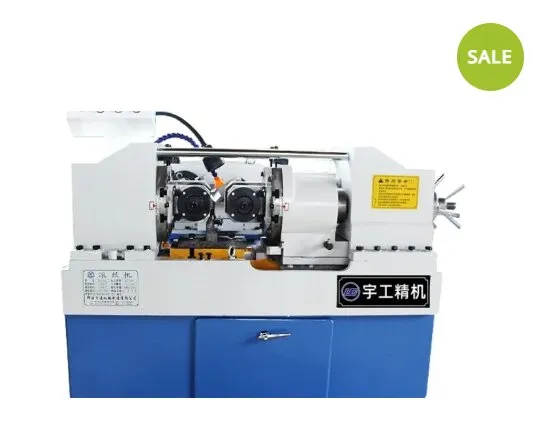
The Benefits of Flat Thread Rolling Machines
A flat thread rolling machine offers unique advantages in thread production. This machine is designed to create flat threads, which are particularly beneficial for applications where space is limited or when connecting components. The flat threading process allows for a more substantial surface area, improving the grip and reducing the risk of loosening over time. Furthermore, flat thread rolling machines are versatile and can accommodate various materials, making them ideal for different industries, from automotive to aerospace. By incorporating a flat thread rolling machine into your operations, you can produce high-quality, reliable threads that meet your specific needs.
Hydraulic Threading Machines: Power and Precision
The hydraulic threading machine is a powerhouse in thread production, known for its ability to handle high loads while maintaining precision. Hydraulic systems provide the force necessary for the rolling process, allowing these machines to produce strong threads quickly and efficiently. This technology is particularly advantageous for manufacturing heavy-duty components where thread strength is critical. With adjustable pressure settings, hydraulic threading machines can adapt to various materials and thread sizes, ensuring versatility in production. Investing in a hydraulic threading machine means investing in the strength and reliability of your threaded products.
Enhancing Production Efficiency with CNC Technology
The integration of CNC technology in a thread rolling machine revolutionizes how threads are produced. With the ability to program complex designs and specifications, CNC machines offer unparalleled production efficiency. This technology minimizes downtime by streamlining the setup process, allowing for quick changes between different thread types without extensive manual intervention. Moreover, the high level of automation reduces labor costs while increasing output. For manufacturers looking to enhance their production capabilities and stay competitive in the market, adopting CNC technology in thread rolling machines is a strategic decision.
Selecting the right thread rolling machine is crucial for optimizing your manufacturing processes. Whether you opt for a CNC thread rolling machine, a flat thread rolling machine, or a hydraulic threading machine, understanding your specific needs will guide your decision. Consider factors such as the types of materials you will be using, the required thread specifications, and the volume of production. Each machine type offers unique benefits that cater to different applications. By carefully evaluating your requirements, you can choose the most suitable machine to enhance your production efficiency, thread quality, and overall profitability.