

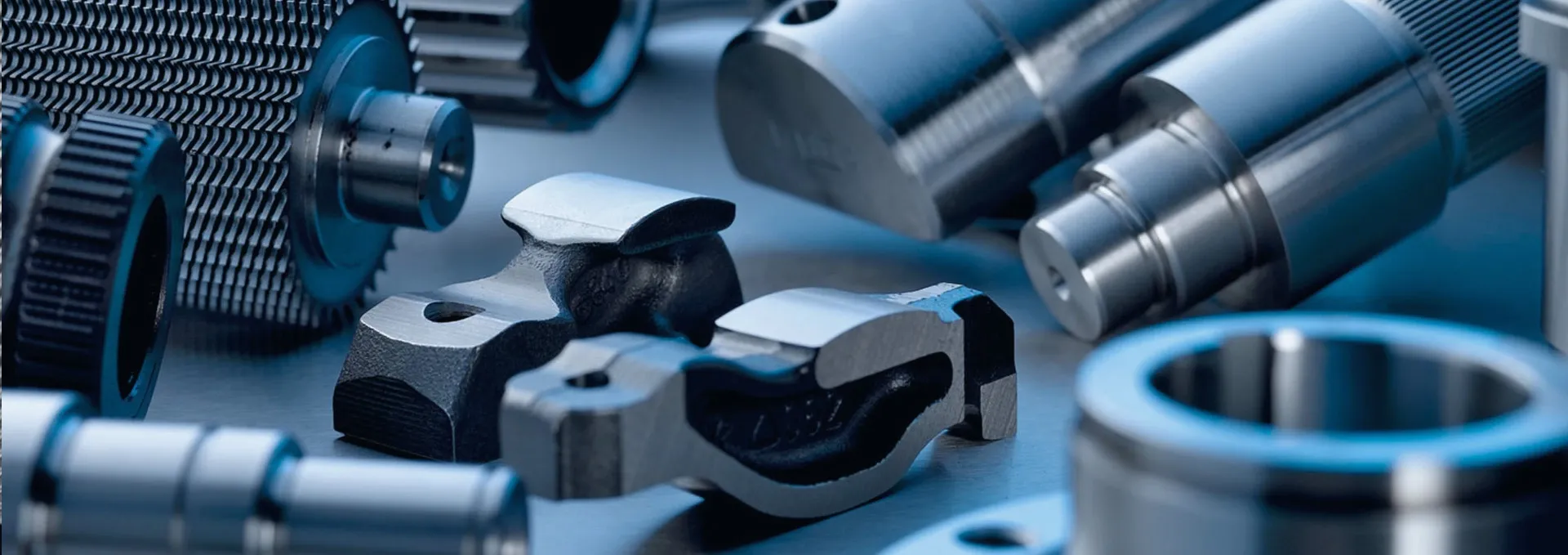
Advanced CNC Thread Rolling Machine - Precision & Efficiency
Introduction to Advanced Thread Rolling Technology
In the precision manufacturing sector, the demand for high-quality, consistently accurate threaded components is paramount. This demand drives continuous innovation in machinery, particularly in thread forming technologies. Among these, the cnc thread rolling machine stands out as a critical asset, offering unparalleled precision, efficiency, and versatility. Unlike traditional cutting or grinding methods, thread rolling is a cold-forming process that plastically deforms the workpiece material using hardened dies. This process improves material grain structure, enhancing fatigue strength, wear resistance, and surface finish of the resulting thread.
Our focus today is on understanding the intricate capabilities and advantages of CNC-controlled thread rolling machines, exploring their technical specifications, diverse applications, and the significant impact they have across various industrial landscapes. From achieving stringent quality standards to optimizing production workflows, these machines are at the forefront of modern fastener and component manufacturing.
Industry Trends and Market Dynamics
The global market for thread rolling machines is experiencing robust growth, driven by increasing automation in manufacturing, the demand for higher precision components, and the expansion of industries such as automotive, aerospace, construction, and general engineering. Current trends indicate a strong shift towards intelligent manufacturing solutions, where CNC capabilities are integral.
- Automation Integration: Modern thread rolling machines are increasingly integrated into automated production lines, featuring robotic loading/unloading systems and networked controls for seamless operation and data exchange.
- Precision and Repeatability: The growing demand for tighter tolerances and consistent quality in threaded parts, especially in critical applications, emphasizes the need for machines with advanced control systems. This is where the inherent precision of a cnc thread rolling machine becomes indispensable.
- Material Versatility: Advancements in machine design and die materials allow for thread rolling on a wider range of materials, including high-strength alloys, stainless steels, and exotic metals, catering to diverse industry needs.
- Energy Efficiency: Manufacturers are prioritizing machines with optimized power consumption and reduced operational costs, aligning with global sustainability initiatives. Innovations in hydraulic systems and motor technologies contribute significantly to this.
- IoT and Data Analytics: The integration of Internet of Things (IoT) sensors and data analytics platforms for real-time monitoring, predictive maintenance, and performance optimization is becoming a standard feature, enhancing overall equipment effectiveness (OEE).
These trends underscore the importance of investing in sophisticated machinery like a cnc thread rolling machine that can adapt to evolving production requirements and contribute to a competitive edge.
Detailed Process Flow: Manufacturing with a CNC Thread Rolling Machine
The manufacturing process utilizing a cnc thread rolling machine involves several precise stages, from material preparation to final inspection. This cold-forming technique ensures superior metallurgical properties compared to traditional thread cutting.
Materials and Preparation:
The selection of appropriate raw materials is crucial. Common materials include various grades of steel (e.g., carbon steel, alloy steel, stainless steel), aluminum, brass, and copper. The material, typically in rod or wire form, is chosen based on the application's required mechanical properties, such as tensile strength, yield strength, and corrosion resistance. Prior to thread rolling, the raw material might undergo processes like cleaning, descaling, or annealing to optimize its ductility and surface finish.
The Thread Rolling Process:
- Loading: Workpieces are fed into the machine, either manually or via automated feeding systems (e.g., vibratory bowls, conveyors, robotic arms), positioning them accurately between the thread rolling dies.
- Die Engagement: The CNC system controls the precise movement of one or more rolling dies (typically two or three dies, depending on the machine type – e.g., two-die for radial, three-die for through-feed). These dies, with thread profiles corresponding to the desired finished product, are brought into contact with the workpiece.
- Material Deformation: As the dies rotate and press against the workpiece, the material is plastically deformed, cold-forming the thread profile. The material flows into the grooves of the dies, creating a stronger, smoother thread. The CNC controls ensure precise force, feed rate, and rotational speed.
- Thread Formation: The rolling action continues until the full thread profile is achieved. The cold-working process compacts the grain structure, enhancing the thread's strength and fatigue life.
- Ejection: Once the thread is formed, the dies retract, and the finished part is ejected, often into a collection bin or onto an outgoing conveyor.
Manufacturing Processes of Machine Components:
The machine itself is a product of advanced manufacturing:
- Machine Bed and Frame: Often produced through casting (e.g., high-grade cast iron for vibration dampening) or heavy-duty welded steel structures, followed by stress relieving and precision CNC machining for flatness and alignment.
- Spindles and Shafts: Typically forged from high-strength alloy steels, heat-treated for hardness, and then precision ground and polished.
- Gearboxes and Transmissions: Involve precision gear cutting (hobbing, shaping), heat treatment, and grinding to ensure smooth operation and long service life.
- Hydraulic and Electrical Components: Sourced from specialized manufacturers, undergoing rigorous testing for performance and reliability.
Testing Standards and Quality Assurance:
Quality control is paramount. Thread rolling machines and their outputs adhere to stringent international standards:
- ISO Standards: ISO 965 (ISO general purpose metric screw threads – Tolerances), ISO 261 (ISO general purpose metric screw threads – General plan), and ISO 724 (Metric threads) for thread geometry and tolerances.
- ANSI/ASME Standards: For imperial threads, standards like ANSI/ASME B1.1 (Unified Inch Screw Threads) are followed.
- Material Testing: Raw materials and finished components are tested for chemical composition, mechanical properties (tensile strength, hardness), and microstructure.
- Machine Performance Testing: Includes tests for accuracy, repeatability, vibration levels, noise, and power consumption during operation.
The expected service life of a well-maintained industrial cnc thread rolling machine can exceed 15-20 years, a testament to its robust construction and precision engineering.
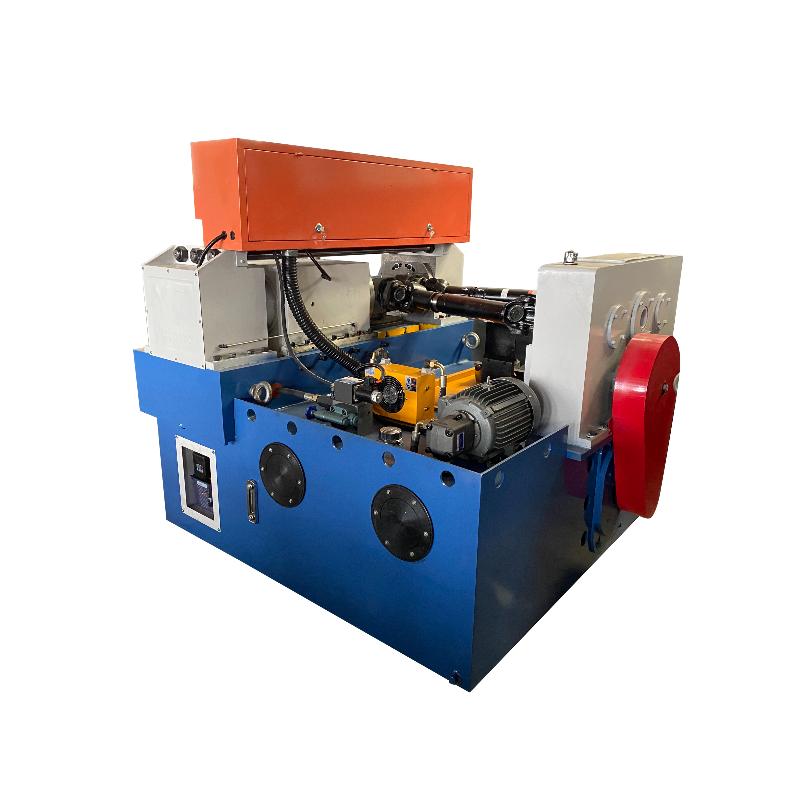
Image 1: A typical setup of a CNC thread rolling machine, showcasing precision dies.
Technical Specifications and Product Parameters
Understanding the technical parameters of a cnc thread rolling machine is crucial for selecting the right equipment for specific production needs. Here, we present typical specifications for a high-performance machine, such as the anchor bolt stainless rod thread making machine, which exemplify advanced capabilities.
Product Specification Table: Anchor Bolt Stainless Rod Thread Making Machine
| Parameter | Specification |
|---|---|
| Model | MOTETOOLS-TR30CNC |
| Thread Diameter Range | Ø 6 mm – Ø 30 mm |
| Max. Thread Length (Plunge) | 150 mm |
| Max. Thread Length (Through-feed) | Unlimited (with appropriate setup) |
| Max. Rolling Force | 200 kN (20 tons) |
| Main Motor Power | 7.5 kW – 11 kW |
| Spindle Speed | 30 – 120 RPM (variable) |
| Control System | Siemens / Mitsubishi CNC Controller |
| Machine Dimensions (L x W x H) | 1800 mm x 1200 mm x 1600 mm |
| Weight | Approx. 3500 kg |
| Cooling System | Integrated oil cooling with filtration |
| Automation Options | Automatic feeding, robotic integration |
These specifications highlight the robust design and precise control offered by modern CNC thread rolling equipment, capable of handling demanding applications for anchor bolts and similar threaded rods, particularly those made from stainless steel.
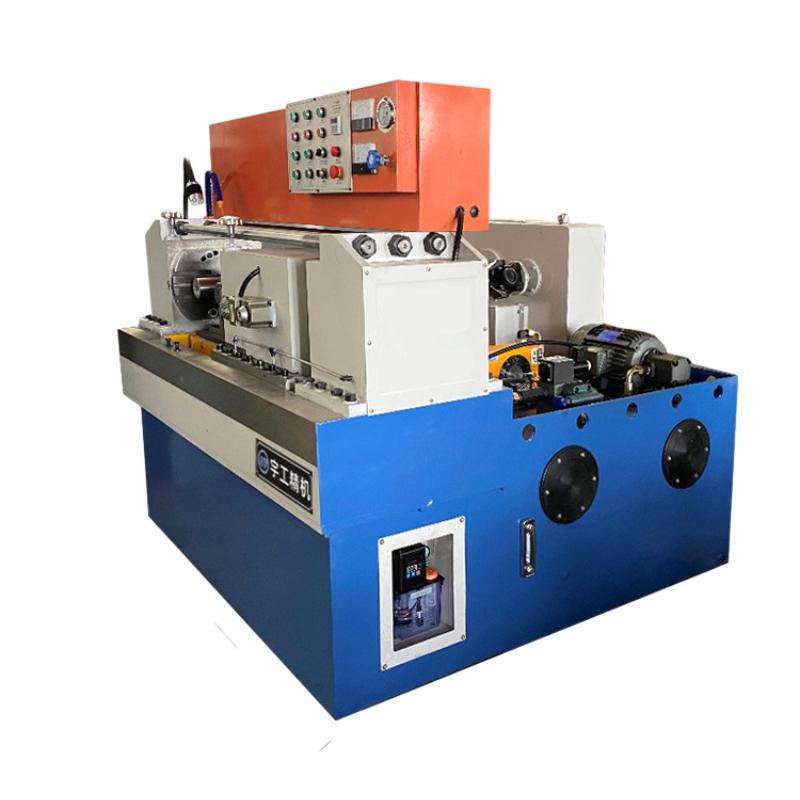
Image 2: Close-up of precision dies within a CNC thread rolling machine.
Application Scenarios and Target Industries
The versatility and high-performance capabilities of a cnc thread rolling machine make it indispensable across a wide array of industries requiring robust and precise threaded components. Its ability to produce threads with superior strength and finish is particularly valued in critical applications.
Key Target Industries:
- Automotive Industry: Production of fasteners for engines, chassis, suspension systems, and safety-critical components where fatigue strength is crucial.
- Aerospace Sector: Manufacturing of high-strength bolts, screws, and specialty fasteners for aircraft structures, engines, and landing gear, adhering to stringent material and dimensional specifications.
- Construction and Infrastructure (e.g., Petrochemical, Metallurgy): Production of large-diameter anchor bolts, rebar threading, and threaded rods for structural integrity in bridges, buildings, oil rigs, and heavy machinery. In petrochemical environments, corrosion-resistant threads (often stainless steel) are critical.
- Power Generation: Fasteners for turbines, generators, and piping systems in conventional, nuclear, and renewable energy plants, often requiring threads capable of withstanding high temperatures and pressures.
- Water Supply & Drainage Systems: Threaded components for valves, pumps, pipes, and fittings, where consistent thread quality ensures leak-proof connections and long-term reliability.
- Machine Building and General Engineering: A vast range of standard and custom fasteners for industrial machinery, agricultural equipment, and tooling.
Advantages in Typical Application Scenarios:
- Energy Saving: Compared to chip-removing processes like thread cutting, cold-forming thread rolling consumes significantly less energy per part, as it rearranges material rather than removing it. This efficiency is enhanced by optimized CNC machine controls that reduce idle times and power consumption.
- Corrosion Resistance: For components like stainless steel anchor bolts used in harsh environments (e.g., marine, chemical processing), thread rolling enhances the surface integrity. The cold working process compresses the material, creating a smoother surface free from micro-cracks or interrupted grain structures that could initiate corrosion. This is especially vital in applications within petrochemical and water treatment industries.
- Enhanced Strength and Fatigue Life: The cold-working process induces compressive residual stresses on the thread flanks and root, which significantly increases the fatigue strength and static tensile strength of the thread. This is a critical advantage for high-stress applications in aerospace and automotive sectors.
- Superior Surface Finish: Thread rolling produces a burnished surface finish, which reduces friction and galling during assembly and in service.
- Material Savings: Since material is reformed rather than cut away, there is no chip waste, leading to material cost savings, particularly with expensive alloys.
Technical Advantages and Performance Differentiation
The distinct technical advantages of a modern cnc thread rolling machine position it as a superior choice for precision thread manufacturing. These advantages stem from the inherent benefits of the cold-forming process combined with advanced computer numerical control.
Precision and Repeatability:
CNC systems provide micro-level control over die penetration, feed rates, and rolling pressure. This ensures exceptionally tight tolerances on thread pitch diameter, major diameter, and minor diameter, consistently meeting or exceeding international standards such as ISO 965. The repeatability factor is critical for high-volume production, drastically reducing scrap rates and ensuring interchangeability of parts.
Enhanced Material Properties:
- Grain Flow: Unlike cutting, which severs material grain, thread rolling realigns the grain flow, maintaining its continuity. This results in threads that are stronger and more resistant to shear and tension.
- Work Hardening: The cold deformation process work-hardens the material, increasing its hardness and tensile strength in the threaded section.
- Surface Integrity: The burnished surface finish reduces surface roughness, improving resistance to fretting and corrosion.
Efficiency and Cost-Effectiveness:
- High Production Rates: Thread rolling is a fast process, often significantly quicker than thread cutting, especially for continuous through-feed applications. A specialized flat thread rolling machine, for instance, can produce thousands of fasteners per hour.
- Extended Tool Life: Rolling dies typically have a much longer lifespan than cutting tools because they are not subjected to chip removal wear or excessive heat. This translates to lower tooling costs and reduced downtime for tool changes.
- Reduced Material Waste: As a chipless process, thread rolling eliminates material waste, which is a significant economic benefit, particularly when working with expensive alloys.
- Lower Energy Consumption: As previously mentioned, the forming process requires less energy than material removal processes.
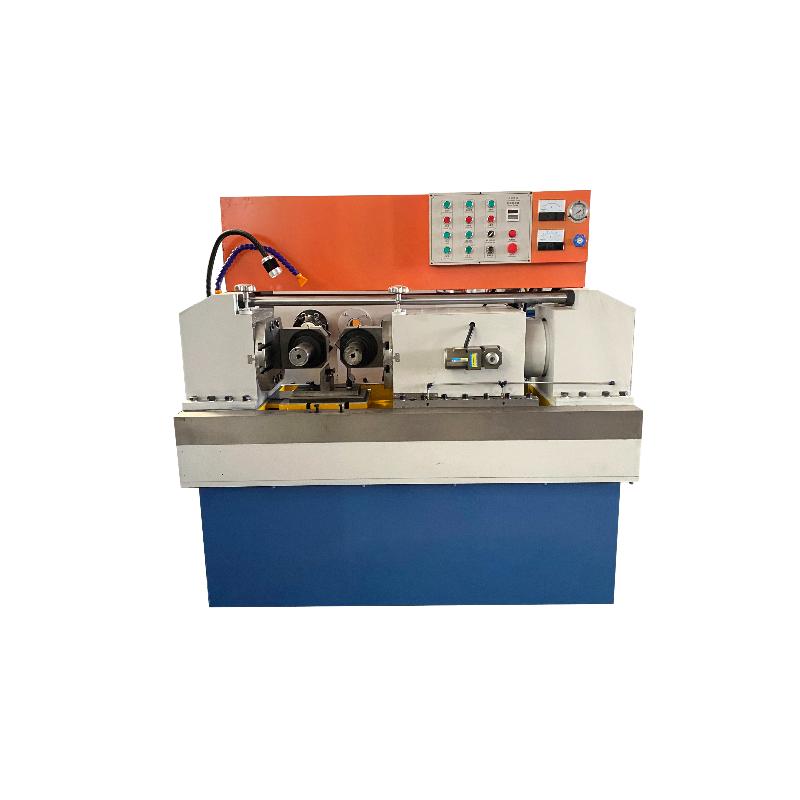
Image 3: A CNC thread rolling machine in operation, demonstrating high-speed thread formation.
Vendor Comparison and Market Differentiation
Choosing the right vendor for a cnc thread rolling machine involves evaluating several factors beyond initial purchase price, including technological sophistication, support services, customization capabilities, and proven track record. The market offers a range of machines, from general-purpose models to highly specialized equipment.
Key Differentiation Factors:
- Control System: Leading vendors integrate advanced CNC controllers (e.g., Siemens, Fanuc, Mitsubishi) that offer intuitive interfaces, extensive programming capabilities, and diagnostic tools. Inferior systems may lack precision or flexibility.
- Machine Rigidity and Build Quality: High-quality machines feature heavy-duty, stress-relieved cast iron or welded steel frames for superior vibration damping and long-term accuracy. This is particularly important for high rolling forces.
- Automation and Integration: Top-tier suppliers offer seamless integration with automated feeding systems, robotic cells, and factory management systems, crucial for Industry 4.0 readiness.
- Die Design and Compatibility: Expertise in die design and access to a wide range of standard and custom rolling dies are vital. Some machines are specialized, such as a mini thread rolling machine for small parts or a specific hydraulic threading machine designed for heavy-duty applications requiring immense force.
- After-Sales Support and Training: Comprehensive training, readily available spare parts, and responsive technical support are critical for maximizing uptime and operational efficiency.
- Customization: The ability to tailor machine specifications (e.g., larger rolling capacity, specific automation features) to unique production requirements.
Vendor Comparison Insights:
| Feature/Vendor | Leading European Brands (e.g., Pee-Gee, Videx) | Leading Asian Brands (e.g., Motetools, Chien Tsai) | Emerging Regional Manufacturers |
|---|---|---|---|
| Innovation & R&D | Very High (pioneers in advanced CNC, specialized applications) | High (rapid adoption of new tech, strong focus on automation) | Medium (focus on cost-effectiveness, standard models) |
| Precision & Build Quality | Excellent (premium components, rigorous testing) | Excellent (strong emphasis on quality control, robust designs) | Good (can vary, may use standard components) |
| Automation & Integration | Advanced (seamless Industry 4.0 integration) | Advanced (strong focus on automated feeding, robotics) | Basic to Moderate (manual or semi-auto options) |
| Customization Options | Extensive (tailored solutions for unique needs) | Good (flexible configurations, application-specific modifications) | Limited (mostly standard configurations) |
| Price Point | Premium | Competitive to Premium (excellent value proposition) | Economical |
| After-Sales Service | Global network, highly responsive | Strong regional support, expanding global presence | Varies, often localized |
Motetools, for example, represents a leading Asian brand that balances advanced technology with competitive pricing, offering robust cnc thread rolling machine solutions with strong technical support and customization capabilities.
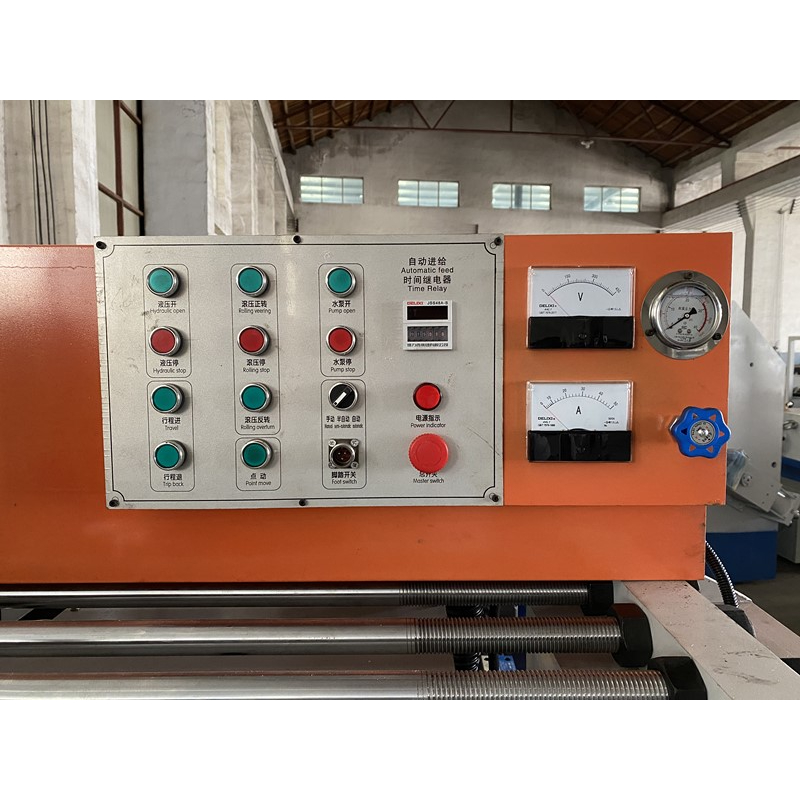
Image 4: Control panel of a modern CNC thread rolling machine, emphasizing user-friendliness.
Customized Solutions and Application Case Studies
The ability to provide customized solutions is a hallmark of an expert thread rolling machine vendor. While standard machines cater to broad requirements, specific industrial challenges often necessitate tailored approaches, particularly with complex or unique threaded components.
Customization Capabilities:
- Extended Threading Capacity: Modifying machines for larger diameters or longer thread lengths than standard models.
- Specialized Automation: Developing custom loading/unloading systems for unusual part geometries or integrating with existing factory automation infrastructure.
- Material-Specific Optimizations: Designing dies and adjusting machine parameters for extremely hard, soft, or abrasive materials. This can include specialized cooling or lubrication systems.
- Integration with Post-Processing: Linking the thread rolling machine with subsequent processes like deburring, cleaning, or coating.
- Enhanced Monitoring and Diagnostics: Implementing advanced sensor arrays for real-time quality control, predictive maintenance, and extensive data logging, crucial for industries with strict traceability requirements.
Application Case Studies:
Case Study 1: High-Volume Automotive Fastener Production
A major automotive tier-1 supplier required high-speed production of M10 x 1.5mm wheel studs from heat-treated alloy steel. The challenge was maintaining stringent dimensional tolerances and achieving superior fatigue life at production rates exceeding 60 parts per minute. A customized cnc thread rolling machine, equipped with a high-speed automatic feeder and specialized hard-wearing dies, was implemented. The system consistently produced threads within ±0.015mm pitch diameter tolerance, and fatigue tests showed a 30% improvement in service life compared to previous cutting methods. Customer feedback highlighted significant reductions in scrap and tooling costs.
Case Study 2: Stainless Steel Rods for Petrochemical Infrastructure
A client in the petrochemical sector needed to produce large quantities of 24mm diameter stainless steel (316L) threaded rods for offshore platform construction. Critical requirements included excellent corrosion resistance, high tensile strength, and consistent thread quality over lengths up to 3 meters. A custom through-feed hydraulic threading machine with enhanced cooling for stainless steel and optimized three-roll dies was supplied. The machine achieved a class 6g fit, ensuring robust, leak-proof connections. The cold-rolled threads demonstrated superior resistance to stress corrosion cracking, extending the service life of critical infrastructure components in harsh marine environments.
Case Study 3: Precision Miniature Threads for Medical Devices
For a medical device manufacturer, the task involved producing micro-threads (e.g., M2 x 0.4mm) on titanium alloy components for surgical instruments. The demand was for extremely fine pitch accuracy and a burr-free finish to meet biocompatibility standards. A specialized mini thread rolling machine, integrated with microscopic vision systems for in-process inspection and equipped with ultra-precision rolling dies, was developed. The solution enabled consistent production of medical-grade threads with sub-micron surface finish requirements, ensuring patient safety and instrument reliability.
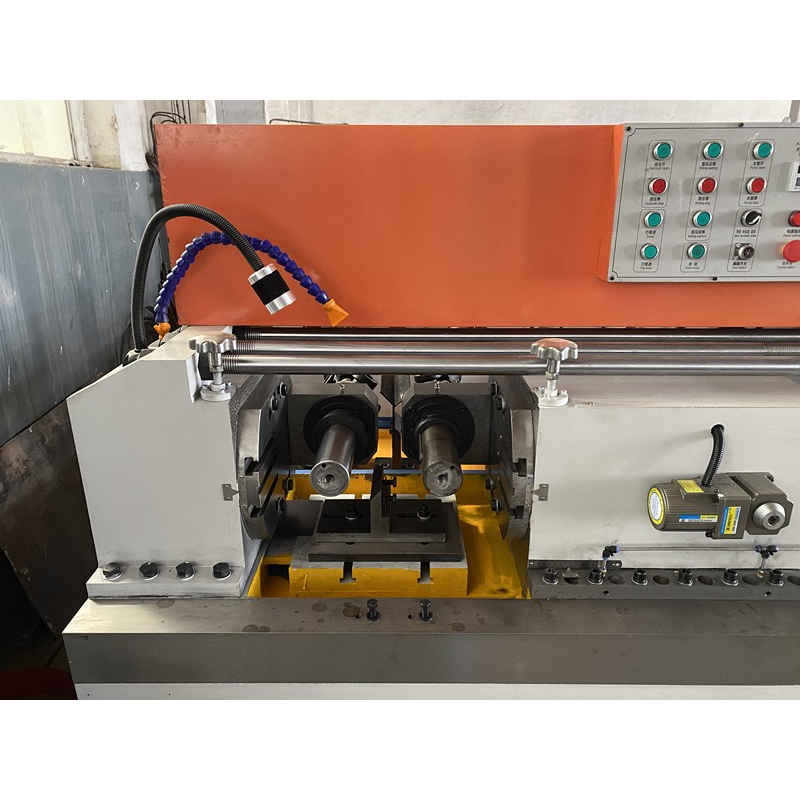
Image 5: An example of custom-machined components produced by a high-precision thread rolling machine.
Ensuring Trustworthiness and Customer Confidence
Building trust with B2B clients requires transparency, robust support, and verifiable commitments. As a leading provider of thread rolling solutions, Motetools upholds stringent standards to ensure customer satisfaction and operational reliability.
Authoritativeness and Certifications:
- ISO 9001 Certified: Our manufacturing processes for the cnc thread rolling machine adhere to ISO 9001:2015 quality management standards, ensuring consistent product quality and continuous improvement.
- CE Certification: All our machines comply with European Union safety, health, and environmental protection requirements.
- Decades of Experience: With over 20 years in the industry, Motetools has a proven track record of delivering reliable and high-performance thread rolling solutions to clients worldwide.
- Partnerships: We partner with industry leaders in control systems (Siemens, Mitsubishi) and hydraulic components, ensuring the highest quality in critical machine parts. Our client roster includes major players in automotive, construction, and heavy machinery sectors.
Frequently Asked Questions (FAQ):
- Q: What is the typical lead time for a new CNC thread rolling machine?
- A: Standard models typically have a lead time of 8-12 weeks from order confirmation to shipment. Customized solutions may extend to 14-20 weeks, depending on the complexity of modifications.
- Q: What warranty is provided with your machines?
- A: We offer a standard 12-month warranty on all mechanical and electrical components from the date of installation or 15 months from the date of shipment, whichever comes first. Extended warranty options are available upon request.
- Q: Do you provide installation and training?
- A: Yes, we provide comprehensive on-site installation services and operator training by our certified technicians. Remote support and virtual training options are also available.
- Q: How quickly can I get spare parts?
- A: We maintain a robust inventory of critical spare parts. For common components, parts can be shipped within 24-48 hours. Specialized or custom parts may require a longer lead time, but we strive to minimize downtime.
- Q: Can your machines handle different materials?
- A: Our cnc thread rolling machine models are designed to process a wide range of materials, including carbon steel, alloy steel, stainless steel, aluminum, brass, and titanium. Specific die selection and machine settings are optimized for each material type.
Customer Support and After-Sales Service:
Our commitment to our clients extends far beyond the sale. We offer:
- 24/7 Technical Assistance: Access to our expert technical support team via phone, email, and online portal.
- Preventative Maintenance Programs: Tailored service contracts to ensure optimal machine performance and longevity.
- Software Updates: Regular updates for CNC control software to enhance functionality and efficiency.
- Global Service Network: Dedicated service partners in key regions to provide prompt local support.
Conclusion
The modern cnc thread rolling machine represents a pinnacle in precision manufacturing, offering unparalleled advantages in terms of thread quality, material strength enhancement, production efficiency, and cost-effectiveness. Its ability to produce threads with superior fatigue life and corrosion resistance makes it an essential asset for industries ranging from automotive and aerospace to petrochemical and infrastructure development. With continuous advancements in automation, control systems, and material processing capabilities, CNC thread rolling technology is set to remain a cornerstone of high-performance threaded component production.
Investing in a high-quality CNC thread rolling solution from a reputable vendor provides not only a machine but a comprehensive solution encompassing expertise, proven reliability, and dedicated support, ensuring long-term operational success and competitive advantage.
References
- ISO 965: ISO general purpose metric screw threads – Tolerances. International Organization for Standardization.
- ASM Handbook, Vol. 14A: Metalworking: Bulk Forming. ASM International.
- Brinkmann, H. (2006). Thread Rolling: Theory and Application. Cold Forming Technology.
- Kuhn, B. (2018). Advanced Thread Rolling Techniques for High-Performance Fasteners. Journal of Manufacturing Processes, 35, 123-132.