
Exploring Top 3 Die Thread Rolling Machine Manufacturers and Their Solutions
Navigating the World of Precision: 3 Die Thread Rolling Machine Manufacturers
In the realm of metal forming, thread rolling stands out as a highly efficient and robust method for creating strong, accurate threads. Specifically, 3 die thread rolling machines are valued for their capacity to produce high-quality threads on a wide variety of components. Choosing the right manufacturer is critical to ensure you receive a machine that meets your specific needs and production demands. This article delves into the key considerations when selecting from various 3 die thread rolling machine manufacturers, focusing on aspects like precision, capacity, and after-sales support. Understanding these factors will empower you to make an informed decision and optimize your manufacturing processes.
Understanding the Advantages of 3 Die Thread Rolling
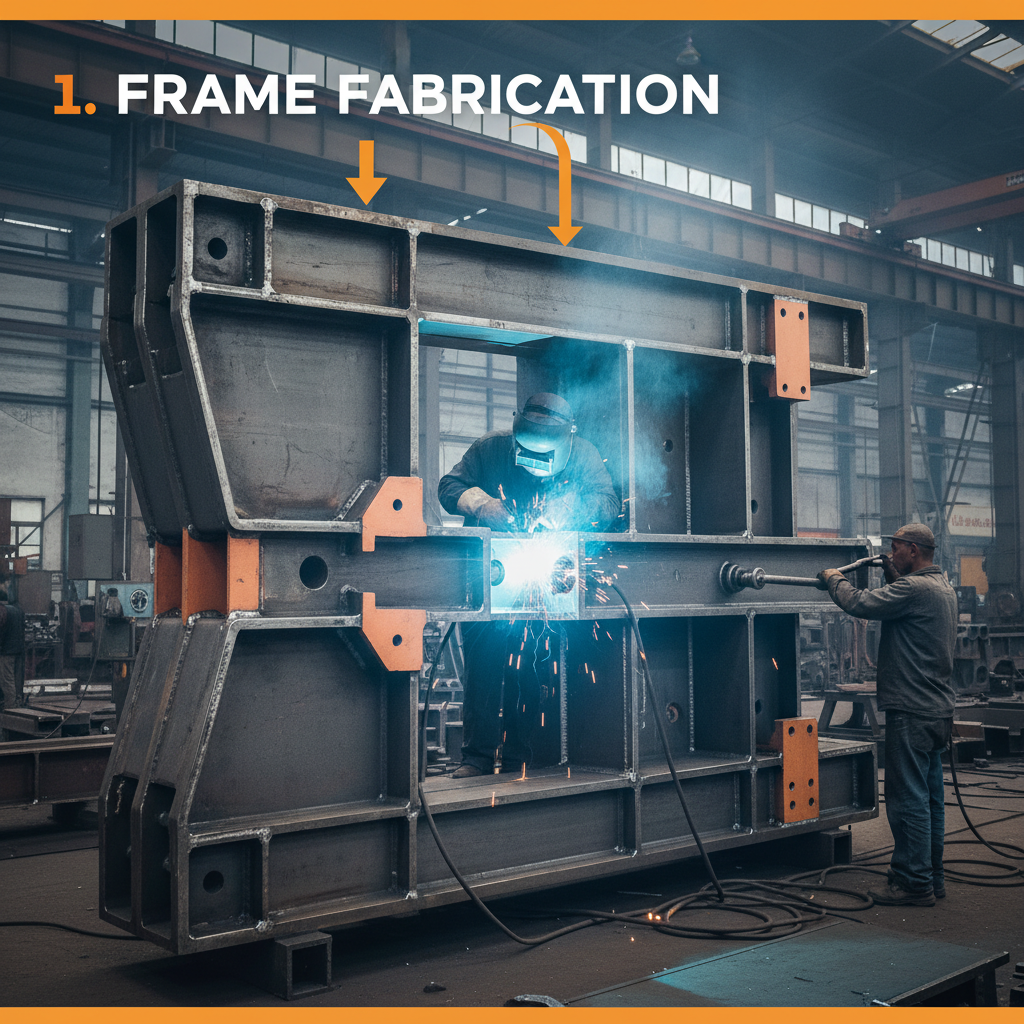
Compared to other threading methods like cutting or tapping, thread rolling offers several distinct advantages. It's a cold-forming process, meaning it doesn't remove material, leading to less waste and stronger threads due to work hardening. A 3 die thread rolling machine, in particular, excels at producing threads with high accuracy and consistency. The three-die setup allows for precise control over the forming process, resulting in threads that meet stringent quality standards. This is especially important for applications where thread integrity is paramount, such as in the automotive, aerospace, and construction industries.
Key Benefits: Stronger threads through work hardening, reduced material waste, high accuracy and consistency, ideal for high-volume production, and adaptability to various materials.
Key Factors When Choosing 3 Die Thread Rolling Machine Manufacturers
Selecting a reputable manufacturer is crucial. Consider several factors, including the manufacturer's experience, the quality of their machines, their ability to customize solutions, and the availability of technical support. Look for manufacturers with a proven track record and positive customer testimonials. Evaluate their machine designs – do they prioritize precision, durability, and ease of operation? Also, a manufacturer's willingness to offer customized solutions tailored to your specific threading requirements is a significant advantage. Don’t overlook the importance of after-sales service, including installation, training, and maintenance support.
Essential Evaluation Criteria:
• Experience and Reputation
• Machine Quality and Precision
• Customization Capabilities
• Technical Support and After-Sales Service
Comparing Leading 3 Die Thread Rolling Machine Manufacturers
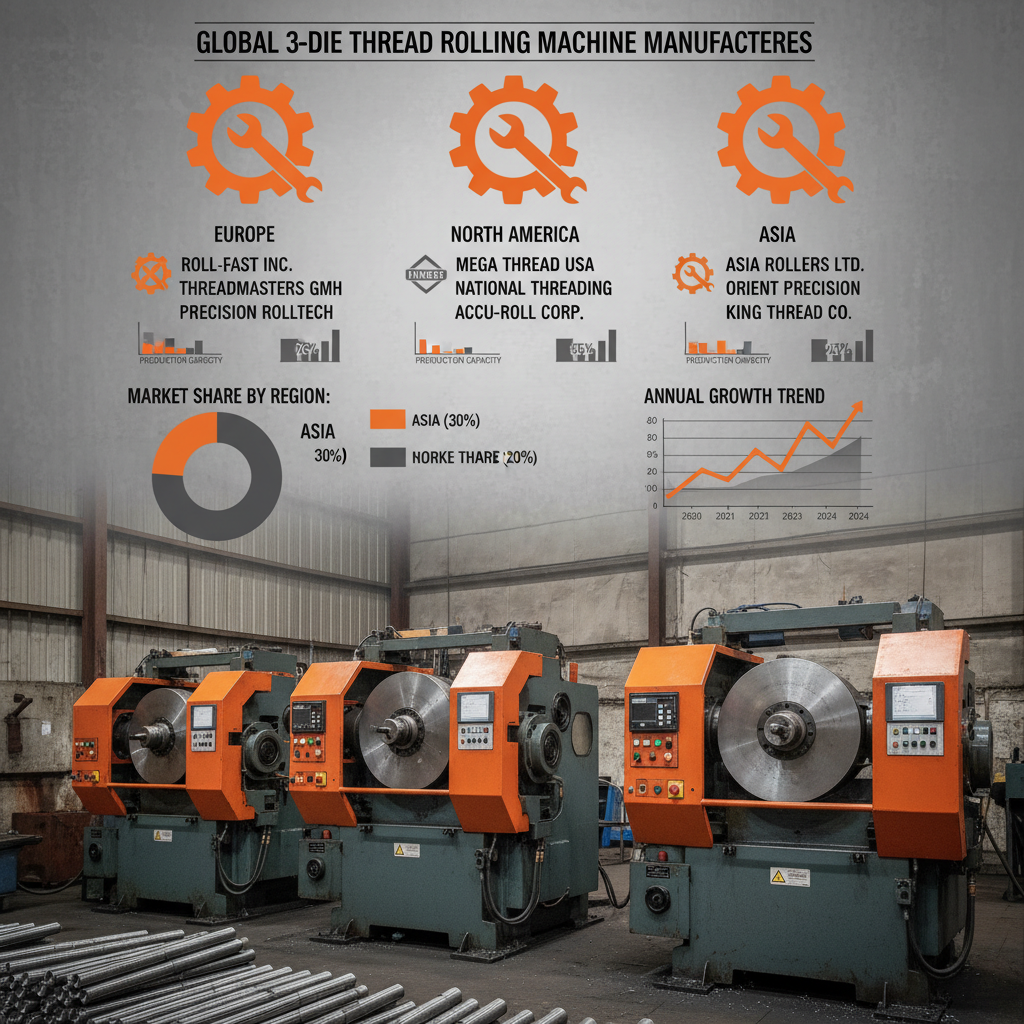
The market boasts several prominent 3 die thread rolling machine manufacturers. Each has its strengths and weaknesses. Motetools specializes in high-precision machines designed for demanding applications. Other manufacturers like Bonfiglioli and Promess offer a range of machines catering to different production volumes and budgets. The key is to identify a manufacturer whose strengths align with your specific requirements. Carefully compare their offerings based on factors like capacity, automation level, and available features.
Key Specifications to Consider in 3 Die Thread Rolling Machines
Understanding machine specifications is vital for a successful purchase. Key parameters include the maximum workpiece diameter and length, the thread range (metric, UNC, UNF, etc.), and the machine's capacity (parts per hour). Also, consider the power requirements, machine footprint, and control system features. Advanced machines often include features like automatic lubrication, programmable logic controllers (PLCs), and integrated quality control systems.
Future Trends in 3 Die Thread Rolling Technology
The field of thread rolling is continually evolving. Current trends include the integration of Industry 4.0 technologies, such as machine learning and predictive maintenance, to optimize machine performance and minimize downtime. Automation is also becoming increasingly prevalent, with manufacturers offering fully automated solutions that reduce labor costs and improve production efficiency. Furthermore, there's a growing focus on developing machines that can handle more exotic materials and complex thread forms.
Conclusion: Partnering with the Right 3 Die Thread Rolling Machine Manufacturer
Selecting the right 3 die thread rolling machine manufacturer is a critical investment that can significantly impact your manufacturing capabilities. By carefully considering factors such as machine quality, customization options, technical support, and future trends, you can find a partner that will help you achieve your production goals. Motetools is dedicated to providing innovative and reliable threading solutions to meet the evolving needs of the industry.
Frequently Asked Questions (FAQs)
What materials can be thread rolled with a 3 die machine?
A 3 die thread rolling machine can effectively process a wide range of materials, including carbon steel, alloy steel, stainless steel, aluminum, brass, and copper. The choice of die material and rolling parameters will depend on the specific material being processed. Softer materials like aluminum and brass generally require less force, while harder materials like stainless steel require more robust dies and higher rolling pressures. It's crucial to consult with the machine manufacturer to determine the optimal settings for your chosen material.
What is the typical cycle time for 3 die thread rolling?
The cycle time for 3 die thread rolling varies depending on several factors, including the workpiece size, material, thread pitch, and machine capabilities. Generally, a 3 die machine can produce threads much faster than other methods like cutting or tapping. Typical cycle times can range from a few seconds to several minutes per part. Higher automation levels and optimized machine settings can significantly reduce cycle times and increase production throughput.
How much maintenance does a 3 die thread rolling machine require?
Regular maintenance is essential for ensuring the long-term performance and reliability of a 3 die thread rolling machine. This includes lubricating moving parts, inspecting dies for wear, and cleaning the machine to remove debris. More extensive maintenance, such as replacing bearings or hydraulic components, may be required periodically. Many manufacturers offer preventive maintenance programs and remote diagnostic services to help minimize downtime and optimize machine performance.
What are the benefits of using dies instead of cutting tools?
Using dies in thread rolling offers several advantages over cutting tools. Dies create threads through cold forming, which strengthens the material and eliminates material waste. Cutting tools, on the other hand, remove material, weakening the thread and generating chips. Dies also typically have a longer lifespan than cutting tools, reducing tooling costs. Furthermore, thread rolling with dies is generally faster and more efficient, particularly for high-volume production runs.