

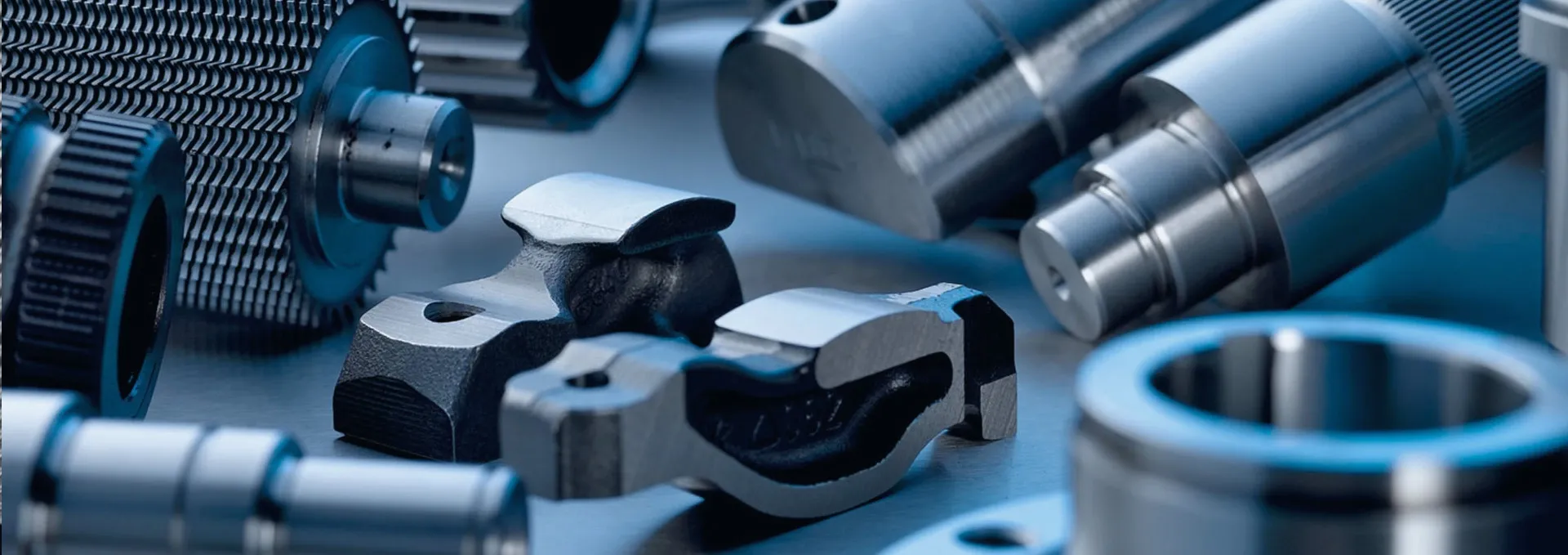
Looking for a CNC Thread Rolling Machine - Fast, Precise?
Inside the shop floor: why a cnc thread rolling machine still feels like a smart move in 2025
I’ve walked enough bolt shops to know the smell of cutting oil before I see the machines. And lately—surprisingly—buyers tell me they’re leaning back toward cold rolling rather than cutting for anchors, studs, and stainless rods. The “why” is both simple and technical: speed, strength, and finish. The anchor bolt stainless rod thread making machine (Type 250) from XingWan Industrial Zone, Xingtai, China, is one of those quietly capable workhorses that operators end up defending like it’s theirs.
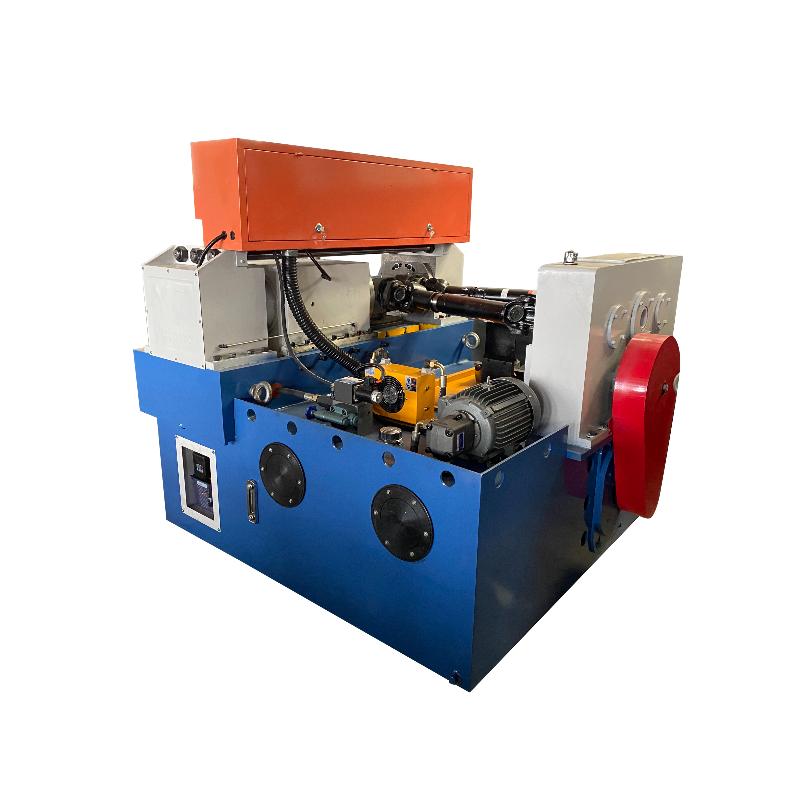
Product snapshot: Type 250 thread rolling
Officially named “anchor bolt stainless rod thread making machine thread rolling machine,” the Type 250 processes up to Ø60 mm bar; thread length is essentially unlimited (feed-dependent). Operators like that it doesn’t flinch at 304/316 stainless, and it handles 8.8–12.9-grade alloy steels if you pick the right dies and lube. To be honest, the footprint is friendlier than I expected for the power on tap.
| Spec | Type 250 (≈ real-world) |
|---|---|
| Max workpiece diameter | 60 mm |
| Thread length | Not limited (by feed) |
| Main motor | 15 kW |
| Hydraulic power | 3.75 kW |
| Cooling | 125 W |
| Machine size (L×W×H) | 1950×1750×1600 mm |
| Pitch accuracy | ≤0.02 mm typical (ISO tolerance, operator skill matters) |
| Surface finish | Ra ≈ 1.6–3.2 µm (material/lube dependent) |
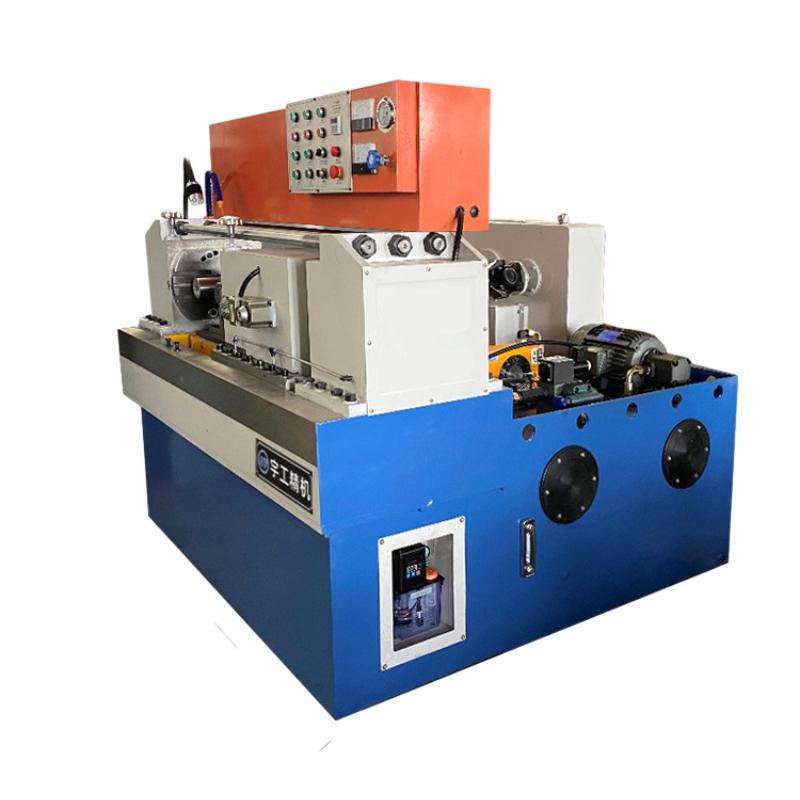
Process flow (nuts-and-bolts)
- Materials: 304/316 SS, 40Cr, 35CrMo, low-carbon steels, hot-rolled rebar for anchors.
- Method: cold rolling with matched dies; compressive forming increases root strength vs cutting.
- Setup: stock prep (chamfer, straightness ≤0.5 mm/m), die alignment, lube selection (EP, chloride-free for SS).
- Quality checks: GO/NO-GO per ISO 1502; pitch dia scatter ≤0.015 mm on 316L test bars; CPk >1.67 on M24×3 anchors (customer run, 8-hour sample).
- Service life: rolling dies ≈ 80k–250k pieces (varies); machine >10 years with quarterly hydraulics and slideway checks.
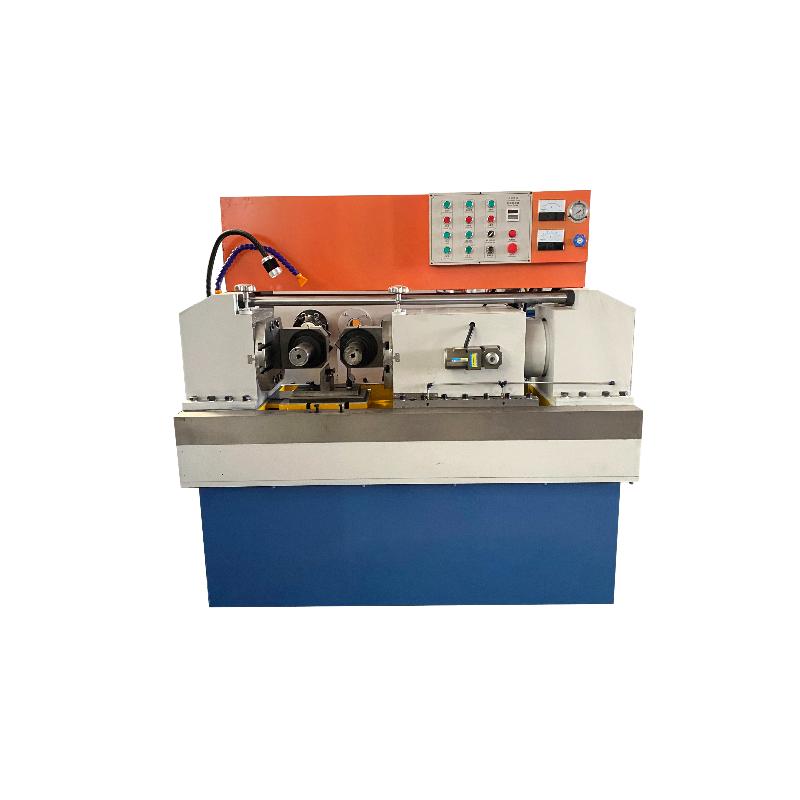
Where it fits (and why it wins)
Anchorage systems, wind-tower foundations, petrochemical studs, highway guardrail bolts, marine SS fasteners—these are classic cnc thread rolling machine parts. Advantages? Higher fatigue strength at the root, faster throughput (I’ve seen 2–5× vs cutting), and less scrap. Many customers say the finish alone cuts downstream plating rejects.
Vendor landscape (quick take)
| Vendor | Max Ø | Power | Control | Lead Time | Price Band | Notes |
|---|---|---|---|---|---|---|
| MotoTools Type 250 | 60 mm | 15 kW | PLC/CNC assist | ≈ 4–8 weeks | $ | Strong value; robust hydraulics |
| European Brand A | 50 mm | 12–15 kW | CNC | 8–16 weeks | $$$ | Premium automation options |
| US Brand B | 63 mm | 18 kW | CNC | 6–12 weeks | $$ | Heavy-duty frame; pricier dies |
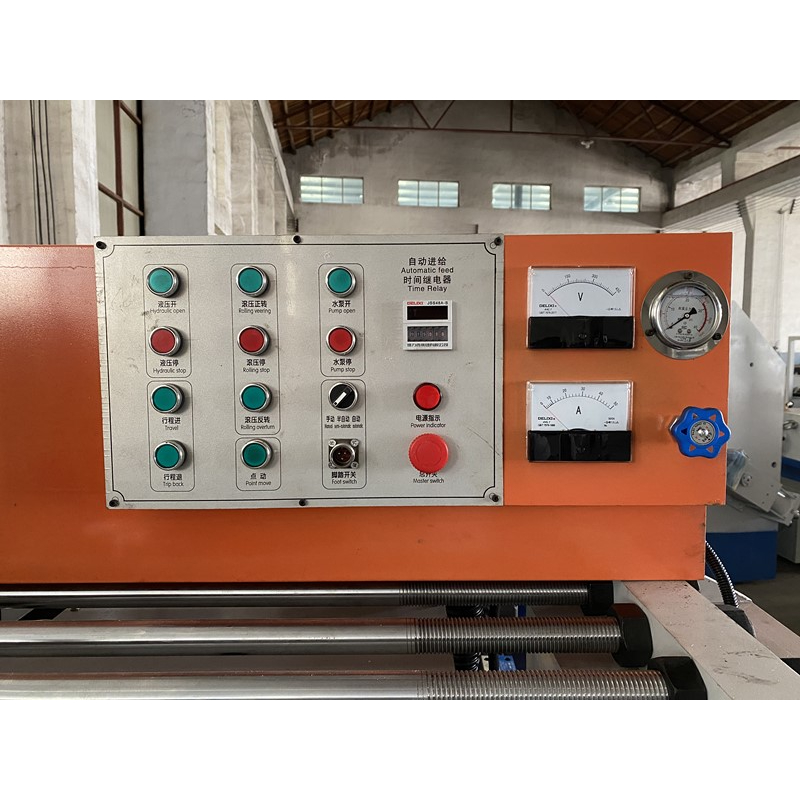
Customization and real-world results
- Options: auto infeed, bar support stands, die sets for metric/UNC/Acme, stainless-friendly lubrication kits, guarding for CE.
- Case A (wind EPC): swapped cut threads for rolled M36×4 anchors; throughput +220%, tensile failures moved from thread to shank.
- Case B (marine fasteners): 316L M20×2.5; pitch scatter fell to 0.012 mm avg; plating rejects down ~35%.
- Feedback: “Setup is the trick—once locked, it just eats bar.” Not my words; a shift lead in Gujarat said that.
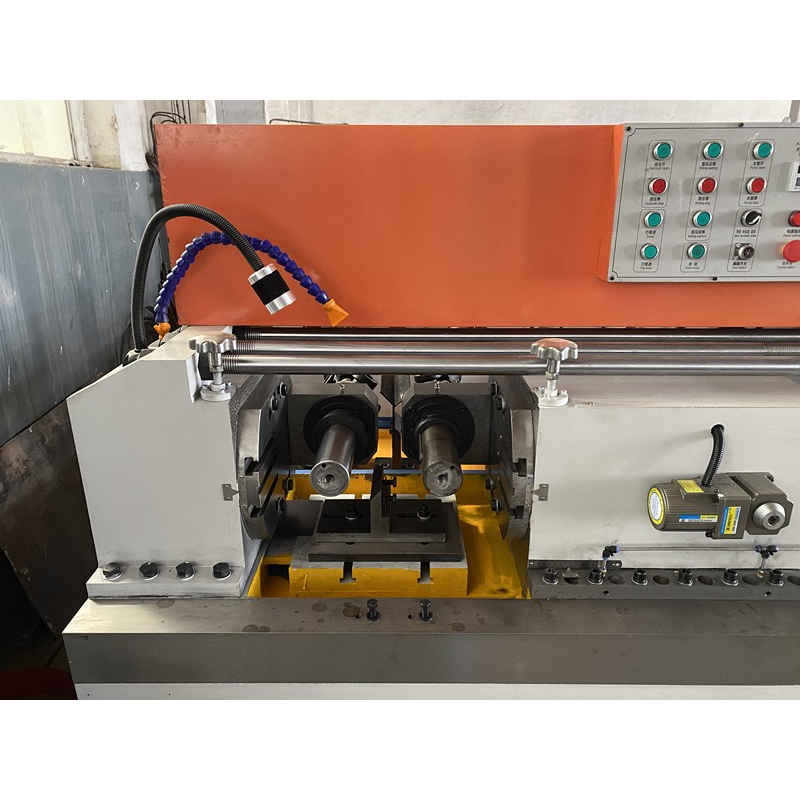
Standards, testing, and compliance
Threads validated to ISO 965/DIN 13 or ASME B1.1; gauges per ISO 1502. Fastener properties verified to ISO 898-1 for carbon/alloy steel. For China-bound work, GB/T 197 tolerance mapping is common. CE-related safety (Machinery Directive) and ISO 9001 documentation are typically available on request—ask your vendor to include the declaration and risk assessment file.
Bottom line: if your team needs consistent anchor threads without babysitting, a strong, sensibly priced cnc thread rolling machine like the Type 250 is a smart bet. I guess that’s why so many shops keep one running on the back line even when the fancy cells are offline.