

Precision Roll Thread Machine for Steel Bars | Durable & Efficient
Industry Trends in Thread Rolling Technology
The global manufacturing sector is witnessing a significant evolution in fastening technologies, with thread rolling machines playing a pivotal role. Current industry trends emphasize precision, efficiency, automation, and sustainability. Manufacturers are increasingly demanding systems that can produce high-quality threads with minimal material waste and reduced energy consumption. The demand for robust threaded components in critical applications—such as automotive, aerospace, construction, and infrastructure—drives continuous innovation in machine design and operational capabilities. The shift towards higher strength materials, including advanced alloys and composites, necessitates thread rolling solutions capable of handling diverse material properties while maintaining superior thread integrity. Furthermore, the integration of Industry 4.0 principles, including IoT connectivity, predictive maintenance, and real-time data analytics, is transforming the operational paradigm of thread rolling processes, moving towards fully automated and optimized production lines. This technological progression is particularly vital for B2B enterprises seeking to enhance productivity and maintain a competitive edge.
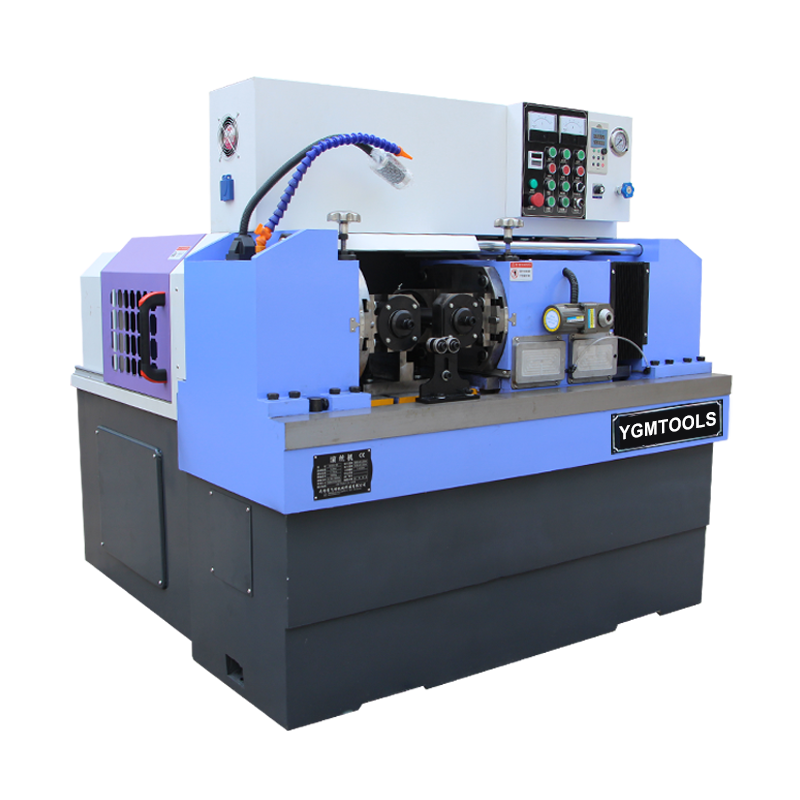
The market for roll thread machine technology is experiencing steady growth, driven by infrastructure development and increasing demand for precision-engineered components. Advances in CNC control systems, hydraulic power units, and die materials are contributing to machines that offer unparalleled accuracy, repeatability, and extended tool life. This ensures that the components produced meet stringent international standards like ISO and ANSI for thread quality and mechanical properties. The focus on energy efficiency is also paramount, with modern machines incorporating servo motors and optimized hydraulic circuits to reduce power consumption significantly, aligning with global sustainability initiatives.
The Advanced Process Flow of a Roll Thread Machine
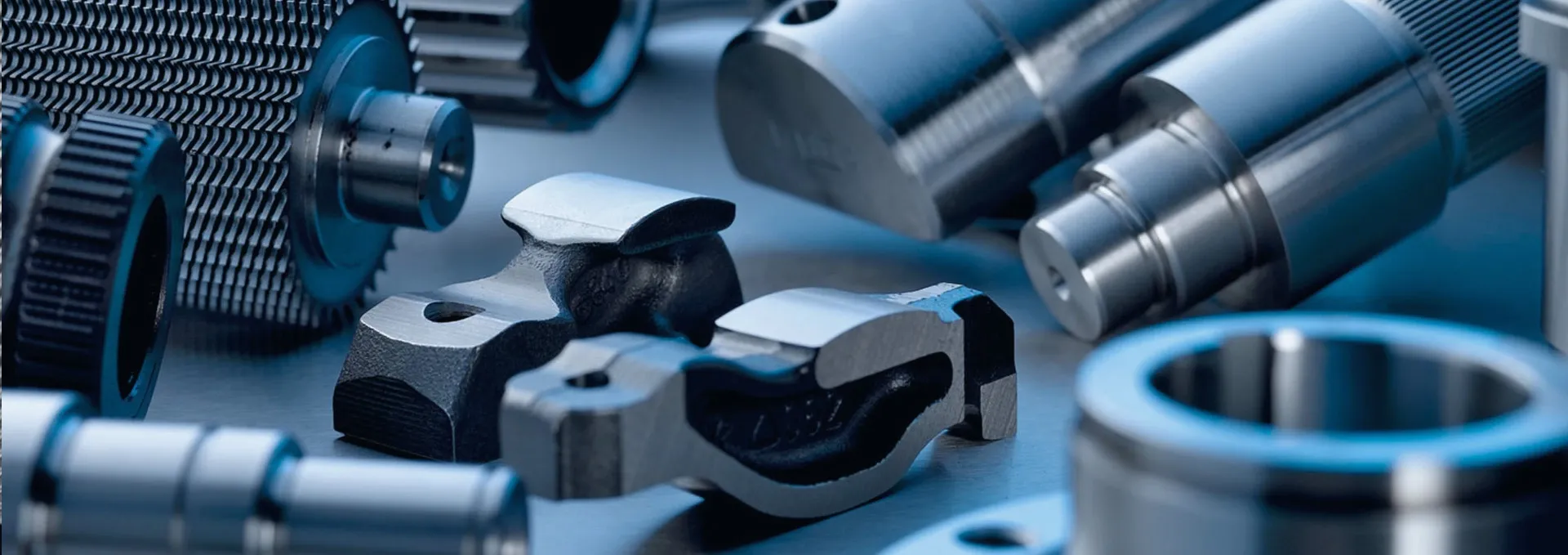
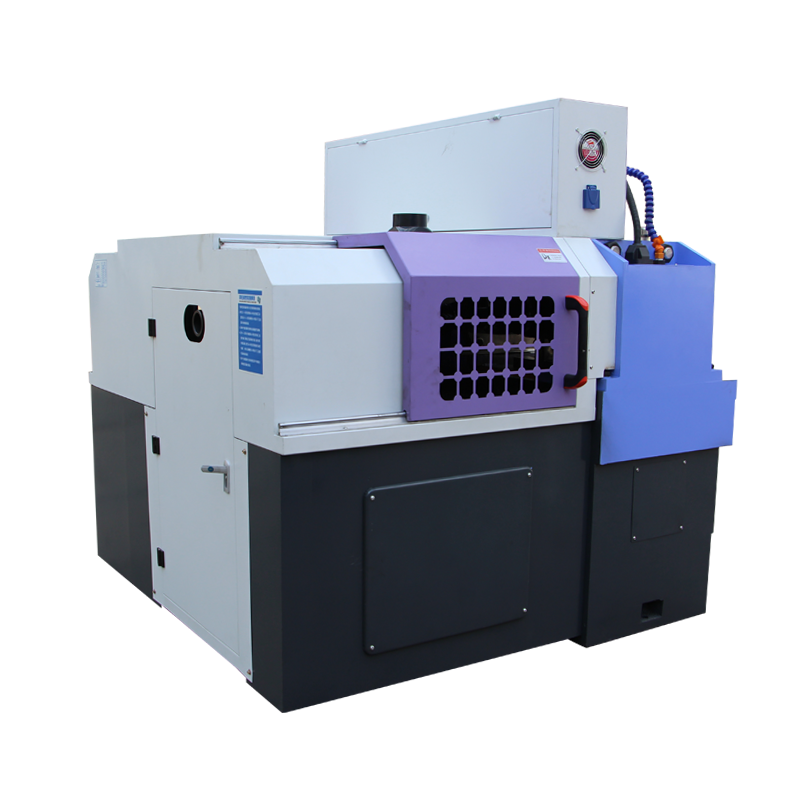
The manufacturing process utilizing a roll thread machine is a cold-forming technique that plastically deforms material into threads, rather than cutting material away. This method enhances material strength, surface finish, and fatigue resistance. The typical process flow for a modern automatic rebar spoke thread rolling machine, such as the one described, involves several critical stages, each optimized for precision and efficiency.
Key Stages in Thread Rolling:
- Material Preparation: High-quality steel bars, often cold-drawn for improved surface finish and dimensional accuracy, are selected. Common materials include various grades of carbon steel, alloy steel, and stainless steel, chosen based on the application's strength and corrosion resistance requirements.
- Bar Feeding and Positioning: The steel bar is precisely fed into the machine. Modern systems utilize automatic feeding mechanisms, often guided by sensors, to ensure accurate positioning relative to the rolling dies. This minimizes setup time and ensures consistent thread initiation.
- Thread Rolling Initiation: Two or three thread rolling dies, precisely machined with the desired thread profile, engage the rotating workpiece. The dies are made from specialized tool steels (e.g., D2, M2, HSS) and often heat-treated and surface-coated (e.g., TiN, TiCN) for extended service life and reduced friction.
- Plastic Deformation: As the dies rotate and converge onto the bar, they plastically displace the material, forming the thread roots and crests. This cold forging process work-hardens the material, improving its tensile strength, shear strength, and resistance to fatigue.
- Thread Forming Completion: The rolling process continues until the full thread profile is achieved. The depth of penetration, rolling speed, and pressure are meticulously controlled by the machine's CNC system to ensure thread accuracy (e.g., pitch diameter, major diameter, minor diameter) and consistency.
- Component Ejection and Quality Control: Once rolling is complete, the threaded component is ejected. Post-processing often involves visual inspection, dimensional checks using gauges (go/no-go gauges, thread micrometers), and, for critical applications, non-destructive testing (NDT) to ensure compliance with standards such as ISO 965 and ANSI/ASME B1.1.
Manufacturing Processes & Standards:
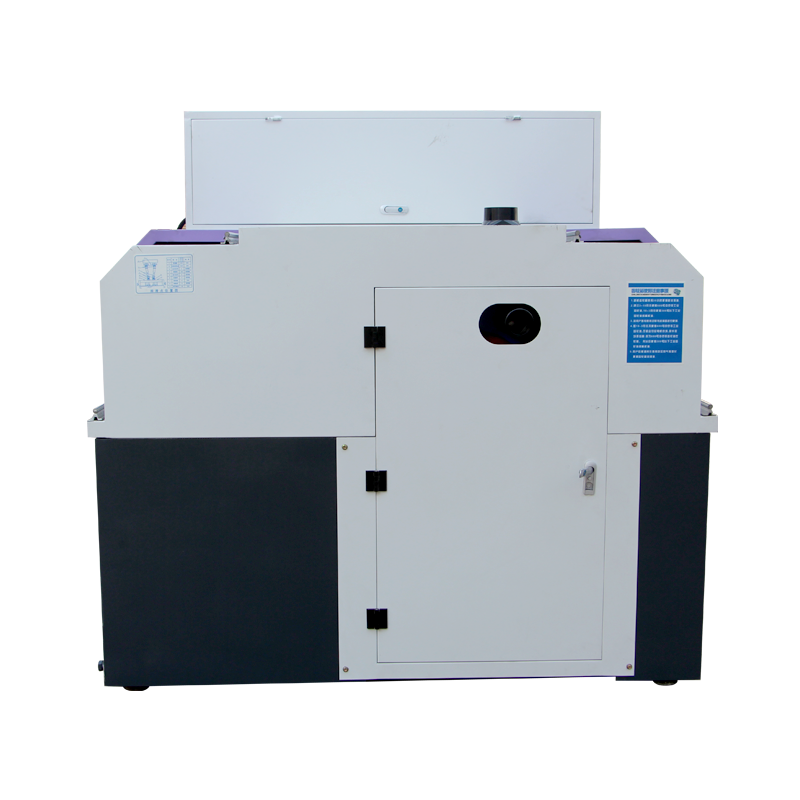
The structural components of a steel bar thread rolling machine are typically manufactured using robust processes like casting (for machine bases and heavy frames, using high-grade cast iron or steel for vibration dampening) and precision CNC machining (for critical components like spindles, guideways, and die holders to ensure micron-level tolerances). Forging may be employed for high-stress components to enhance grain structure and strength. All critical components undergo rigorous testing, adhering to ISO 9001 quality management standards and performance benchmarks. Expected service life for a well-maintained industrial-grade roll thread machine often exceeds 15-20 years, with proper preventative maintenance and timely replacement of wear parts.
Target Industries & Advantages:
These machines are indispensable across various industries, including petrochemical (for pipelines, structural supports), metallurgy (fasteners, heavy machinery), water supply & drainage (pipe connections, valve components), construction (rebar connections, anchoring systems), and automotive (engine components, chassis fasteners).
- Energy Saving: Cold forming significantly reduces energy consumption compared to machining operations that remove material as chips. The plastic deformation process is more energy-efficient, and modern machines with servo-hydraulic systems can further optimize power usage.
- Corrosion Resistance: Thread rolling produces a smoother, burnished surface finish, which can inherently offer better corrosion resistance compared to cut threads by eliminating micro-notches where corrosion can initiate. This is particularly crucial in environments exposed to moisture or corrosive chemicals.
- Enhanced Strength: The cold work induced during rolling increases the material's yield strength and hardness, resulting in threads with superior fatigue life and resistance to stripping, critical for high-stress applications.
Technical Specifications and Performance Parameters
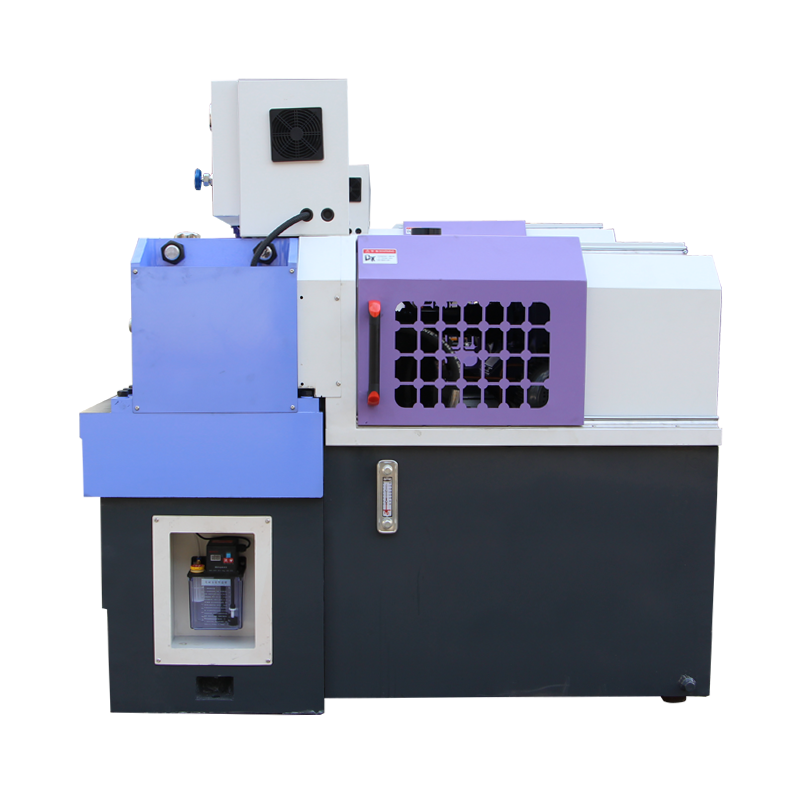
Understanding the technical specifications of a roll thread machine is crucial for B2B buyers to assess its suitability for their specific production needs. Key parameters dictate machine capability, precision, and operational efficiency.
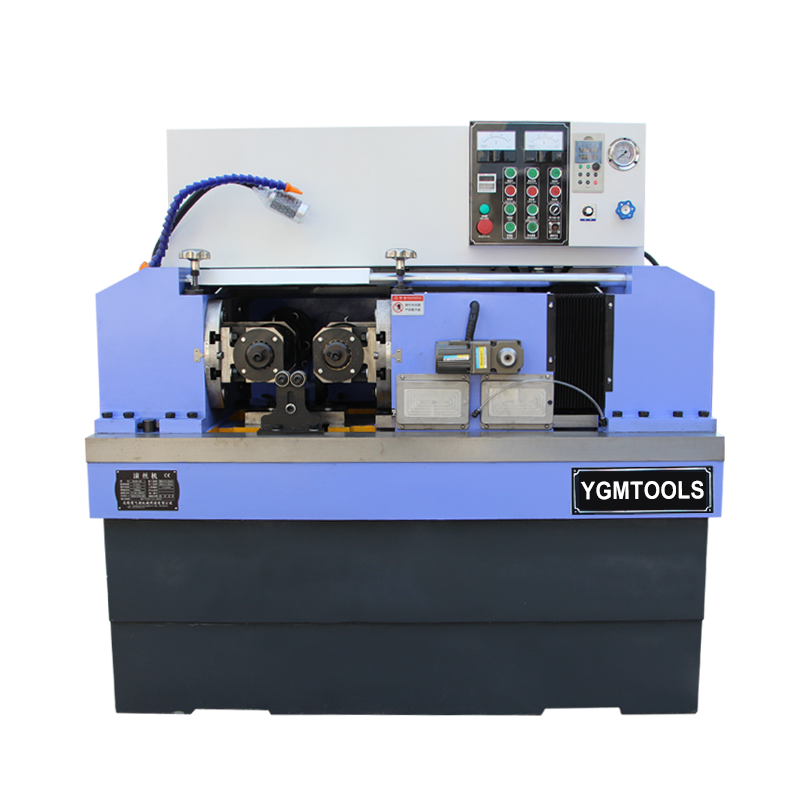
Product Specification Table: Automatic Rebar Spoke Thread Rolling Machine
| Parameter | Specification |
|---|---|
| Model Name | Automatic Rebar Spoke Thread Rolling Machine (e.g., MT-TRM200) |
| Thread Diameter Range | Ø16mm - Ø40mm (0.63" - 1.57") |
| Max. Thread Length | Adjustable, up to 100mm (3.94") per pass |
| Thread Pitch Range | 1.0mm - 4.0mm (Metric and Imperial options) |
| Motor Power | 7.5 kW - 11 kW (Variable Speed Drive) |
| Spindle Speed | 20-100 RPM (Variable) |
| Feeding System | Automatic Hydraulic Clamping & Feeding |
| Machine Dimensions (L x W x H) | ~1800 x 1000 x 1500 mm |
| Machine Weight | ~1500 kg - 2500 kg |
| Thread Rolling Dies Material | HSS (High-Speed Steel), D2 Tool Steel, with optional TiN coating |
| Control System | PLC with Touchscreen HMI |
| Cooling System | Integrated Oil Cooling System |
| Certifications | CE, ISO 9001:2015 |
These specifications highlight the robust design and technological sophistication required for consistent, high-volume production of threaded components. The variable speed drive for the motor and the PLC-based control system enable precise adjustment for different materials and thread profiles, ensuring optimal performance and thread quality that meets or exceeds industry standards.
Application Scenarios & Technical Advantages
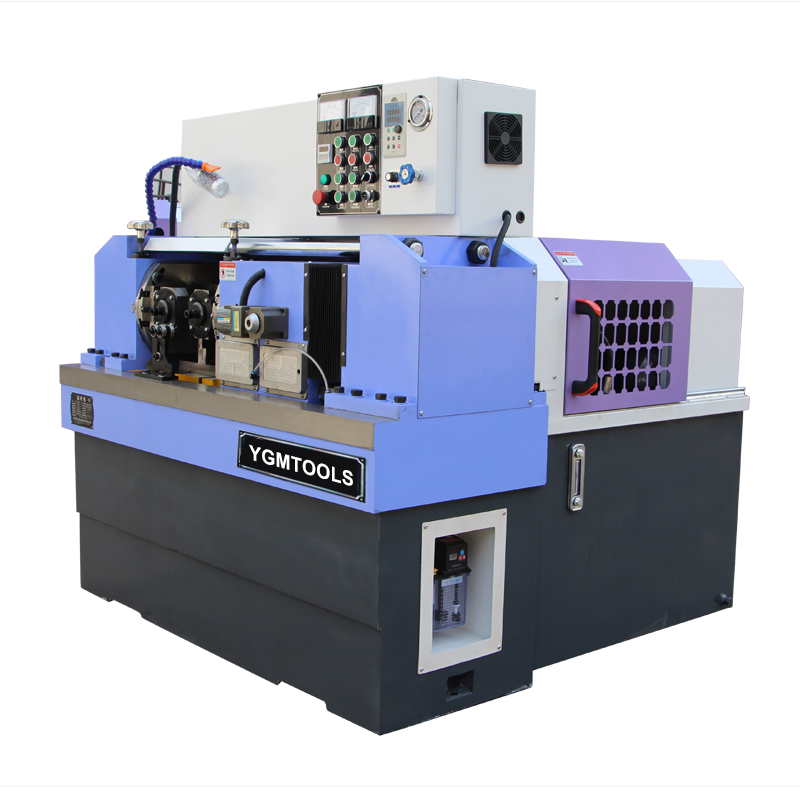
The versatility and reliability of a steel bar thread rolling machine make it indispensable across a multitude of high-demand applications. Its technical advantages stem from the fundamental principles of cold forming, leading to superior product characteristics compared to traditional thread cutting methods.
Typical Application Scenarios:
- Construction and Infrastructure: Essential for producing rebar connectors, anchor bolts, and threaded rods used in concrete reinforcement, bridge construction, and high-rise buildings, where strength and fatigue resistance are paramount.
- Automotive Industry: Manufacturing of high-stress fasteners for engines, chassis, and suspension systems, where the enhanced material properties from thread rolling contribute to vehicle safety and longevity.
- Aerospace and Defense: Production of critical fasteners and components requiring exceptional strength-to-weight ratios and high fatigue resistance in demanding operational environments.
- Oil & Gas Sector: Creation of threaded components for pipelines, valves, and structural integrity in offshore platforms and refining facilities, demanding extreme resistance to corrosion and high pressure.
- General Manufacturing: Production of standard and custom bolts, screws, and studs for machinery, electronics, and appliance assembly, where consistent quality and high volume are critical.
Technical Advantages Explained:
- Superior Thread Strength: Unlike cutting, which removes material and disrupts grain flow, thread rolling cold-forms the material, preserving and aligning the grain structure along the thread contours. This results in significantly higher tensile strength, shear strength, and fatigue resistance (often 20-30% higher fatigue limit compared to cut threads).
- Enhanced Surface Finish: The rolling process produces a smooth, burnished surface finish within the thread flanks and roots. This not only improves resistance to corrosion but also reduces friction during assembly and operation, leading to a longer service life for threaded connections.
- Material Savings and No Chip Waste: As a chipless forming process, thread rolling eliminates material waste typically associated with cutting, leading to significant material savings, especially in high-volume production. This also simplifies waste management and reduces environmental impact.
- High Production Rates: Modern roll thread machines are designed for continuous, high-speed operation, enabling rapid production of threaded components. Automated feeding systems further boost efficiency and reduce labor costs.
- Consistent Quality and Repeatability: Precision-engineered rolling dies and advanced CNC controls ensure tight dimensional tolerances and consistent thread profiles from part to part, crucial for interchangeable parts and reliable assemblies.
Vendor Comparison: Evaluating Roll Thread Machines
When considering to buy steel bar thread rolling machine, B2B decision-makers face a critical choice among various vendors. A thorough comparison is essential to ensure the investment yields optimal returns in terms of performance, reliability, and long-term support. Key factors include machine robustness, technological sophistication, after-sales service, and overall cost of ownership.
Comparison Table: Leading Thread Rolling Machine Types
| Feature/Vendor Aspect | Motetools (Automatic Rebar Spoke Machine) | Reed Thread Rolling Machines (Example) | Generic European/Asian Manufacturer |
|---|---|---|---|
| Automation Level | Fully Automatic (Hydraulic Clamping, PLC Control) | Semi-Automatic to Fully Automatic options | Varies, often semi-automatic requiring more operator intervention |
| Target Application | Rebar connections, construction, heavy-duty applications | General fastening, aerospace, high-precision small parts | General purpose, varied industrial uses |
| Thread Diameter Range | Primarily larger diameters (16-40mm) | Wide range, often specializing in smaller, fine-pitch threads | Medium to large diameters |
| Control System | Advanced PLC with Touch HMI for easy operation | Often robust mechanical or basic electronic controls, some advanced CNC | Basic to mid-level electronic controls |
| Machine Build Quality | Heavy-duty cast iron frame, precision CNC machined components | High-precision, durable construction with specialized alloys | Varies; some reliable, some may use lighter construction |
| Energy Efficiency | Optimized hydraulic system, energy-efficient motor | Good, with focus on precision and low vibration | Moderate, often depends on motor type and hydraulic design |
| Customization Options | High, adaptable for specific rebar sizes, thread types, and automation levels | Moderate to high, especially for specialized dies | Limited, generally off-the-shelf solutions |
| After-Sales Support | Dedicated technical support, global service network (Motetools) | Well-established service and parts availability | Varies widely, can be challenging in certain regions |
This comparison highlights that while brands like Reed Thread Rolling Machines are renowned for their general precision and broad application, specialized manufacturers like Motetools, focusing on automatic rebar spoke thread rolling machines, offer highly optimized solutions for specific, high-demand niches like construction. Their emphasis on automation, heavy-duty construction, and user-friendly controls cater directly to the efficiency and reliability requirements of large-scale infrastructure projects.
Customized Solutions and Application Case Studies
Recognizing that every B2B client has unique production requirements, manufacturers of roll thread machines offer a range of customized solutions. These adaptations ensure that the equipment seamlessly integrates into existing workflows and addresses specific challenges related to material, thread type, and production volume.
Tailored Solutions for Diverse Needs:
- Material Adaptability: Customization includes modifications to accommodate specific high-strength alloys, stainless steels, or non-ferrous materials, requiring specialized dies, increased machine rigidity, and precise speed/pressure controls.
- Thread Profile and Size Flexibility: While standard machines handle common thread types, bespoke dies and machine settings can be developed for non-standard thread pitches, diameters, or complex profiles (e.g., Acme, Buttress threads) used in niche applications.
- Automation Integration: Advanced customization can involve integrating the thread rolling machine with upstream (e.g., bar cutting, chamfering) and downstream (e.g., deburring, inspection, packaging) processes to create a fully automated production line. This often includes robotic loaders and sophisticated conveyor systems.
- Enhanced Monitoring and Control: For clients requiring stringent quality control and data logging, systems can be customized with advanced sensors for real-time monitoring of force, temperature, and dimensions, feeding data into SCADA or MES systems.
Real-World Application Case Studies:
Case Study 1: Large-Scale Infrastructure Project (Bridge Construction)
A major construction firm undertaking a new suspension bridge project required thousands of high-strength rebar connectors. Traditional methods of cutting threads were proving too slow, costly, and resulted in inadequate fatigue life. Implementing an Automatic Rebar Spoke Thread Rolling Machine (from Motetools, for example) enabled them to produce threaded rebar ends at a rate of 600-800 pieces per hour for Ø32mm rebar. The rolled threads not only met stringent ISO 965 Class 6g tolerances but also exhibited a 25% increase in fatigue strength, significantly enhancing the structural integrity and expected lifespan of the bridge. The firm reported a 30% reduction in material waste and a 15% decrease in overall energy consumption for the threading process.
Case Study 2: Automotive Fastener Production
An automotive component supplier needed to produce M12 high-tensile bolts for engine assemblies. Their existing setup faced challenges with tool wear, inconsistent thread quality, and slow cycle times. After deploying a precision reed thread rolling machines equivalent, they achieved a production rate of over 1200 bolts per hour. The cold-rolled threads exhibited superior surface finish (Ra
Commitment to Trustworthiness: FAQ, Lead Times & Support
Building trust with B2B clients extends beyond product performance to transparent operations, dependable support, and clear commitments. Manufacturers of high-value industrial equipment like the roll thread machine must prioritize these aspects.
Frequently Asked Questions (FAQ):
- Q: What materials can this machine thread roll?
A: Our machines are primarily designed for various grades of carbon steel, alloy steel, and stainless steel commonly used in rebar and structural applications. Custom dies and settings can accommodate other materials. - Q: What is the typical lifespan of the thread rolling dies?
A: With proper material preparation and lubrication, high-quality HSS or D2 tool steel dies typically last for hundreds of thousands of operations, sometimes millions, before requiring replacement or re-grinding, depending on material hardness and thread profile. - Q: How difficult is it to change thread sizes or types?
A: The process involves changing the rolling dies and adjusting machine parameters (e.g., pressure, speed, feeding stroke) via the HMI. With experience, a skilled operator can perform a changeover in less than 30 minutes. - Q: Is operator training provided?
A: Yes, comprehensive on-site or remote training for machine operation, maintenance, and troubleshooting is provided upon installation or purchase.
Lead Time and Fulfillment:
Standard Automatic Rebar Spoke Thread Rolling Machine models typically have a lead time of 4-6 weeks from order confirmation to shipment, subject to component availability and current production schedules. For highly customized solutions, lead times may extend to 8-12 weeks to accommodate design, manufacturing, and rigorous testing phases. We maintain transparent communication regarding fulfillment timelines throughout the order process. Expedited options may be available upon request and discussion.
Warranty and After-Sales Support:
We offer a standard 12-month warranty on all mechanical and electrical components of our steel bar thread rolling machine from the date of installation or commissioning, covering manufacturing defects and component failures under normal operating conditions. Extended warranty options are available. Our dedicated after-sales support team provides:
- 24/7 Technical Assistance: Through phone, email, and remote diagnostics to minimize downtime.
- Spare Parts Availability: A comprehensive inventory of genuine spare parts ensures quick replacements and minimal operational interruptions.
- On-Site Service: A global network of certified technicians is available for on-site inspections, repairs, and preventative maintenance services.
- Preventative Maintenance Programs: Tailored service contracts to optimize machine performance and extend operational life.
Our commitment to unwavering customer support underscores our dedication to long-term client partnerships and ensuring the highest return on your investment in our thread rolling technology. We prioritize customer satisfaction and operational continuity.
References
- Manufacturing Engineering & Technology, Serope Kalpakjian and Steven R. Schmid, Pearson, 2014.
- ASM Handbook, Vol. 14B: Metalworking: Sheet Forming, Forging, Thread Rolling, and Powder Metallurgy, ASM International, 2005.
- Cold Forging of Steel, T. Altan, G.L. Kinzel, and D.D. Nau, ASM International, 2005.
- ISO 965: ISO general purpose metric screw threads — Tolerances, International Organization for Standardization.
- ANSI/ASME B1.1: Unified Inch Screw Threads (UN and UNR Thread Forms), American Society of Mechanical Engineers.