

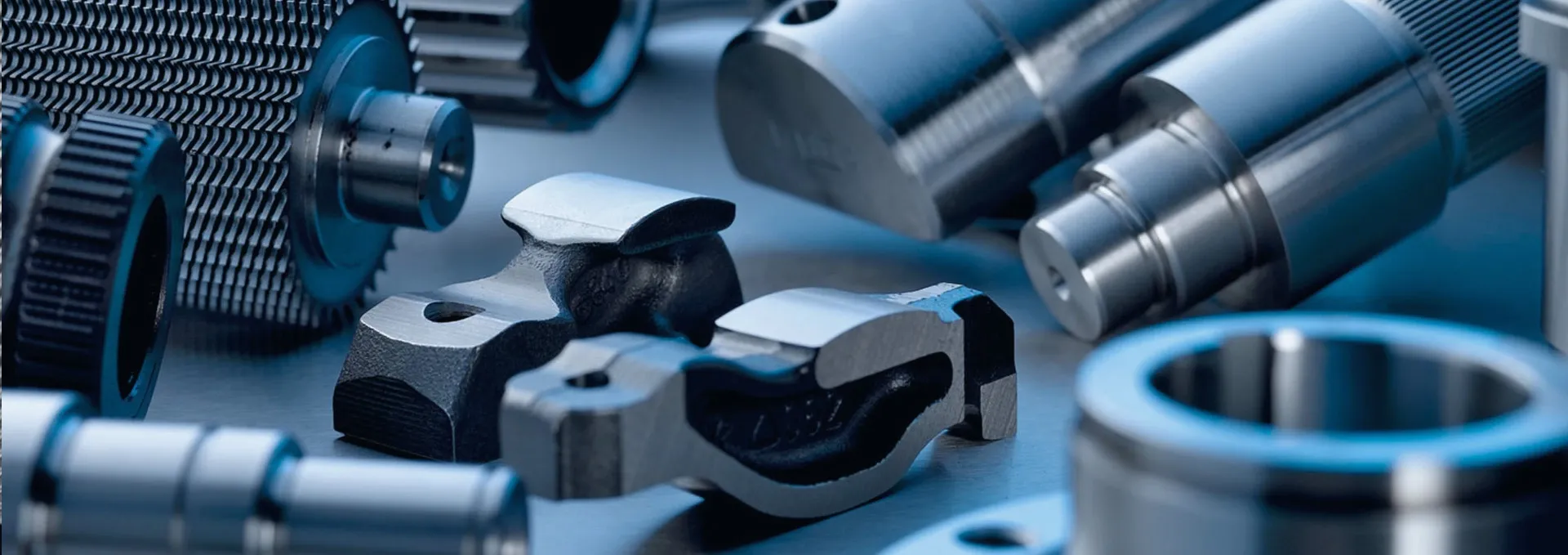
Reed Thread Roller | Precision, Durable, High-Speed
Inside the Thread-Rolling Revival: Field Notes on a Modern reed thread roller
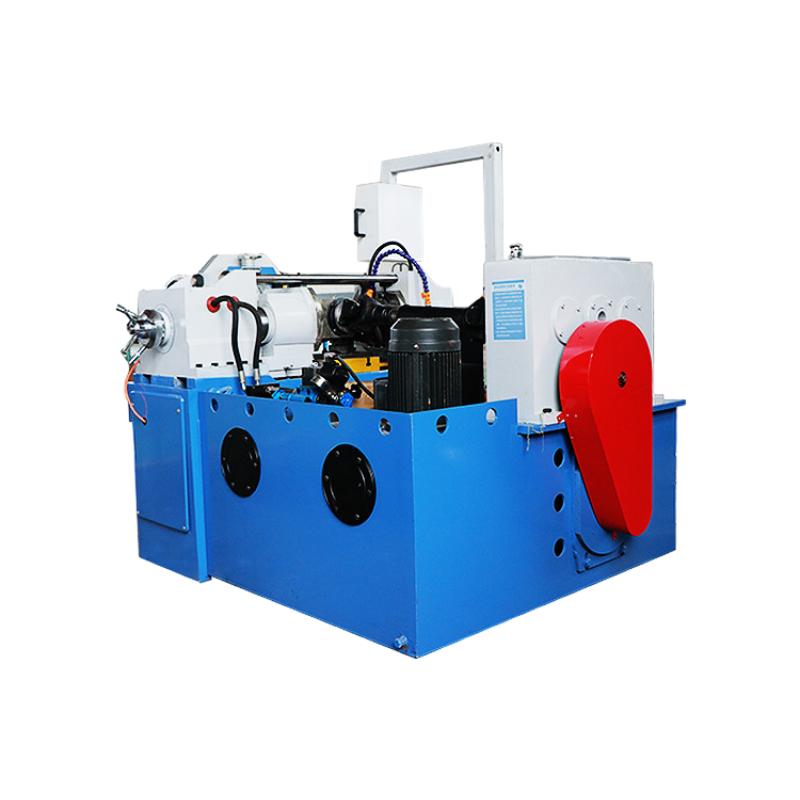
If you spend your days around rebar yards or fastener lines, you’ve probably noticed the quiet comeback of cold-formed threads. Less scrap, stronger fibers, quicker cycles—what’s not to like? I recently spent time with an automatic high-speed machine out of XingWan Industrial Zone, Xingtai, Hebei, and, to be honest, it’s a tidy package for contractors and OEMs who need repeatable threads on bolts and couplers without babying the process.
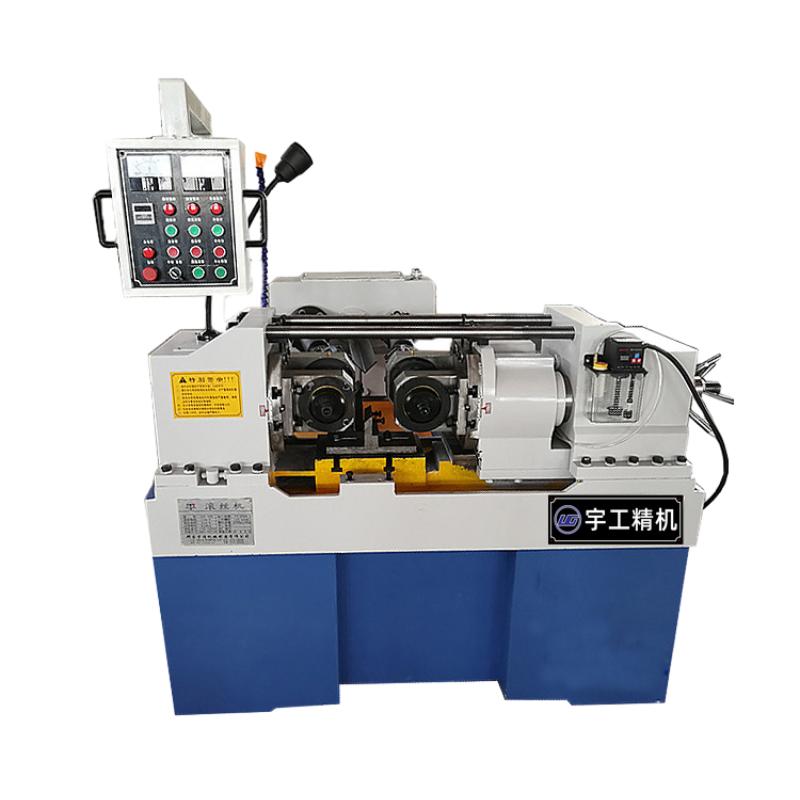
What it is, in plain terms
This unit—marketed as “Automatic high speed bolt rebar thread rolling machine”—handles stock up to Ø52 mm, with unlimited thread length. Power-wise, you’re looking at 11 kW main drive, 4 kW hydraulic, and a 90 W coolant circuit. The footprint is about 1700×1850×1550 mm, which is compact for the class. Many customers say it “just runs” once dialed in, which, frankly, is what production managers want.
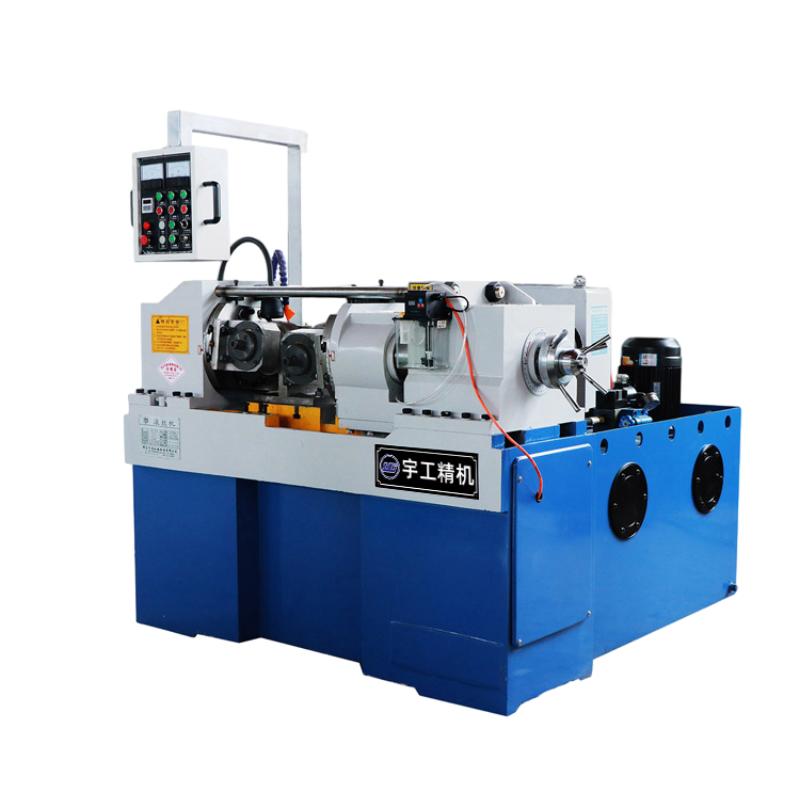
Product specifications (key data)
| Max workpiece diameter | Up to 52 mm |
| Thread length | Not limited (with supports) |
| Rolling die capacity | ≈ Ø200 mm dies (real-world may vary) |
| Power | Main 11 kW, Hydraulic 4 kW, Coolant 90 W |
| Dimensions (L×W×H) | 1700×1850×1550 mm |
| Origin | Xingtai City, Hebei, China |
Typical throughput for bolts/couplers sits around 600–1,200 pcs/hr depending on pitch and material—your mileage will vary with setup and operator skill, obviously.
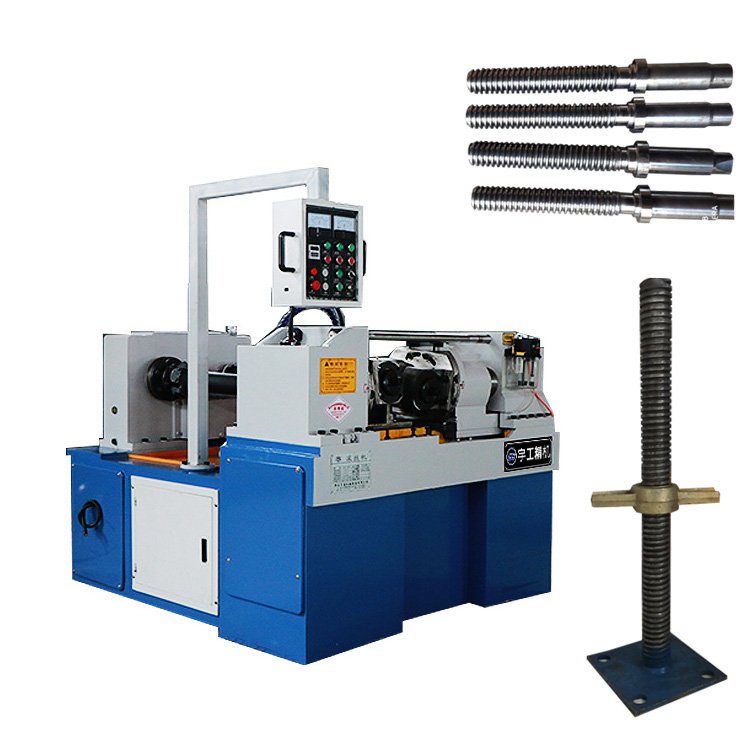
Process flow and standards
- Materials: carbon steel, alloy steel (e.g., for ASTM A615 rebar), stainless grades for bolts.
- Method: cold-form thread rolling with paired dies; deformation strengthens the root.
- Setup: center height, die angle, feed pressure, coolant mix.
- QC: Go/No-Go per ISO 1502, pitch/diameter per ISO 965; surface roughness ≈ Ra 1.6–3.2 μm.
- Test data (shop trials): pitch accuracy IT6–IT8; coaxiality ≤0.15 mm; noise ≤78 dB(A) in enclosure.
- Service life: machine 8–10 years typical; die sets 30k–80k runs depending on hardness and coolant discipline.
Industries: rebar couplers for high-rise, anchor bolts for wind and rail, prefab modules, heavy equipment fasteners. In fact, one foreman told me the reed thread roller cut their scrap by half compared with cut-threading.
Vendor comparison at a glance
| Vendor | Max Ø | Power class | Lead time | Support |
|---|---|---|---|---|
| MOTETOOLS (Hebei) | 52 mm | 11 kW + 4 kW | ≈ 20–35 days | Remote + on-site (by region) |
| Regional OEM A | 45–50 mm | 9–10 kW | ≈ 30–45 days | Distributor-led |
| EU Import B | 50–55 mm | 10–12 kW | ≈ 8–12 weeks | Factory + EU field teams |
Certifications typically requested: ISO 9001, CE Machinery compliance, and electrical safety per IEC 60204-1. Ask for test sheets; a good reed thread roller supplier will share gauge reports and hardness logs.
Customization and real-world options
- Die profiles for metric/UNC rebar couplers; custom pitches on request.
- Voltage: 380/415V 50 Hz (others on request); PLC/HMI tweaks; safety enclosures.
- Auto loading, bar supports for long stock, mist or flood coolant choices.
Two quick case notes
Precast yard, Southeast Asia: shifted from cut-thread lathes to a reed thread roller; coupler rejection fell from 7.2% to 1.1% in three weeks. Operators liked the simpler gauge routine.
Wind base anchors, EU: switched to rolled M48 threads; achieved Ra ≈ 2.0 μm and IT7 pitch accuracy. Maintenance flagged that sticking to coolant Brix saved dies, surprisingly.
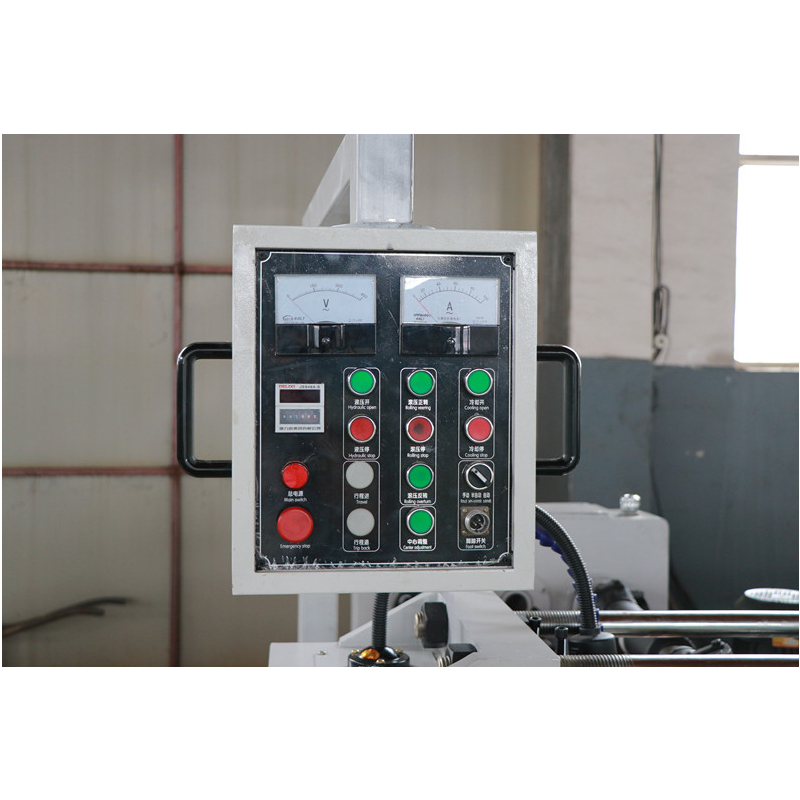
Final thought: the best reed thread roller doesn’t just chase speed; it locks in consistency. Get your dies right, gauge often, and the machine will pay for itself quietly, shift after shift.
Authoritative citations
- ISO 965-1: General purpose metric screw threads — Tolerances.
- ISO 1502: Gauges for ISO metric threads — GO/NO-GO gauges.
- GB/T 197: General purpose metric screw threads — Tolerances (China).
- ASTM A615/A615M: Standard Specification for Deformed and Plain Carbon-Steel Bars for Concrete Reinforcement.
- 2006/42/EC: Machinery Directive (CE compliance).
- IEC 60204-1: Safety of machinery — Electrical equipment of machines.