

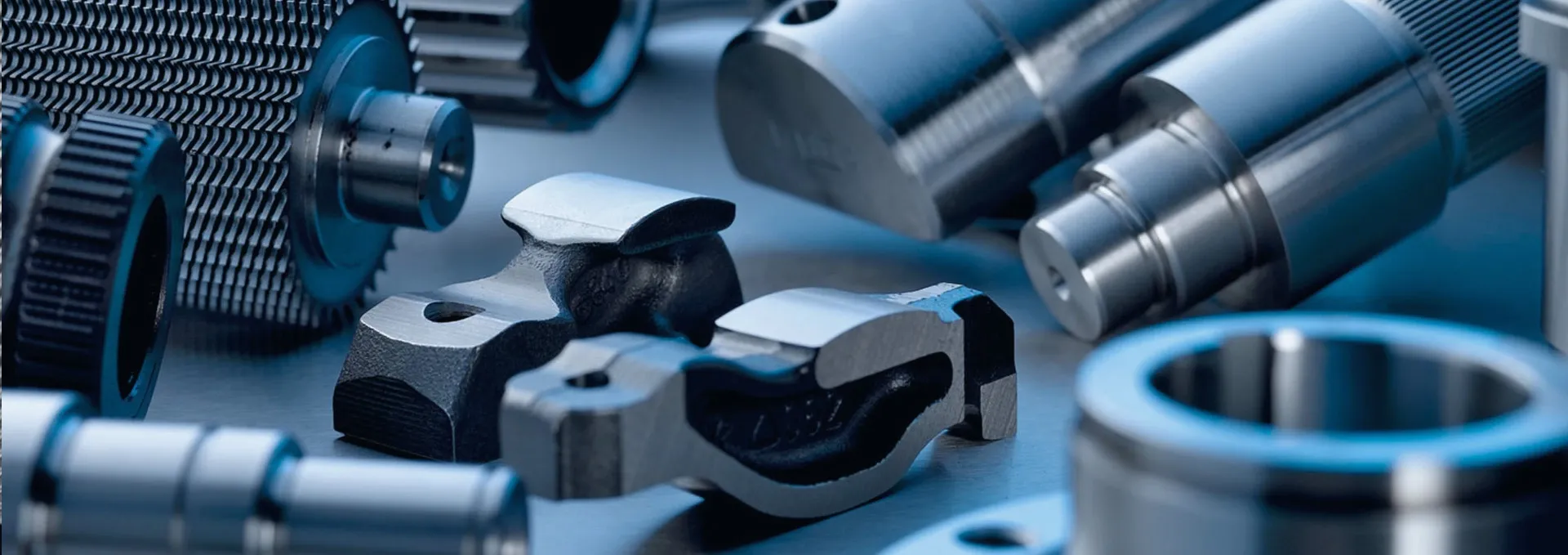
Reed Thread Roller: Precision Pipe & Screw Threading Machine
Global Outlook and Industry Trends for Thread Rolling Technology
The demand for precise and robust fastening solutions continues to escalate across global industries, driven by mega-trends in infrastructure, advanced manufacturing, and renewable energy. At the forefront of this evolution is thread rolling technology, a cold-forming process celebrated for its material efficiency, superior thread strength, and excellent surface finish. This article delves into the intricacies of advanced thread rolling machinery, specifically focusing on the reed thread roller, a pivotal innovation revolutionizing the production of high-performance bolts and rebar threads.
The B2B sector for threading solutions is witnessing significant growth, projected to exceed a market value of several billion USD by 2030, propelled by the need for more efficient, durable, and cost-effective production methods. This growth is particularly evident in emerging economies where industrialization and construction activities are booming, necessitating high-speed, reliable, and adaptable threading equipment.
Evolving Demands in Construction and Manufacturing
Modern construction projects, from high-rise buildings to complex bridge structures, demand rebar connections that can withstand extreme loads and environmental stresses. Simultaneously, industries like automotive, aerospace, and energy require fasteners with uncompromised integrity and longevity. The cold rolling process inherently strengthens the material, improving fatigue resistance and shear strength, making it superior to traditional cutting methods for critical applications. This paradigm shift underscores the importance of advanced machinery like the reed thread roller in meeting stringent performance requirements.
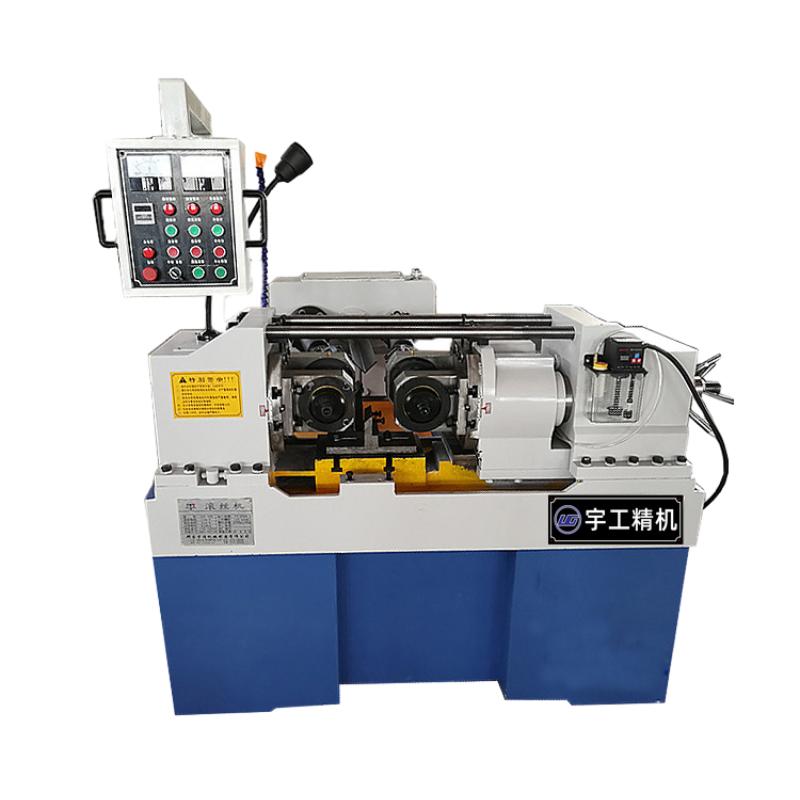
Unpacking the Advanced Features of the reed thread roller
The Automatic High Speed Bolt Rebar Thread Rolling Machine, or reed thread roller, represents a pinnacle of engineering precision. Designed for high-volume production, it efficiently forms external threads on bolts, rods, and rebar, ensuring exceptional quality and consistency. Its robust construction and sophisticated control systems enable it to handle a wide range of materials, from carbon steel to high-tensile alloys.
Key Performance Parameters
Understanding the technical specifications is crucial for any B2B decision-maker. The following table provides a detailed overview of the typical operational parameters and capabilities of a modern reed thread roller:
These parameters underscore the machine's capability to deliver consistent, high-quality threads, critical for the integrity of final products. The high spindle speed and robust construction ensure minimal downtime and maximum throughput, directly impacting operational efficiency and cost-effectiveness for manufacturers.
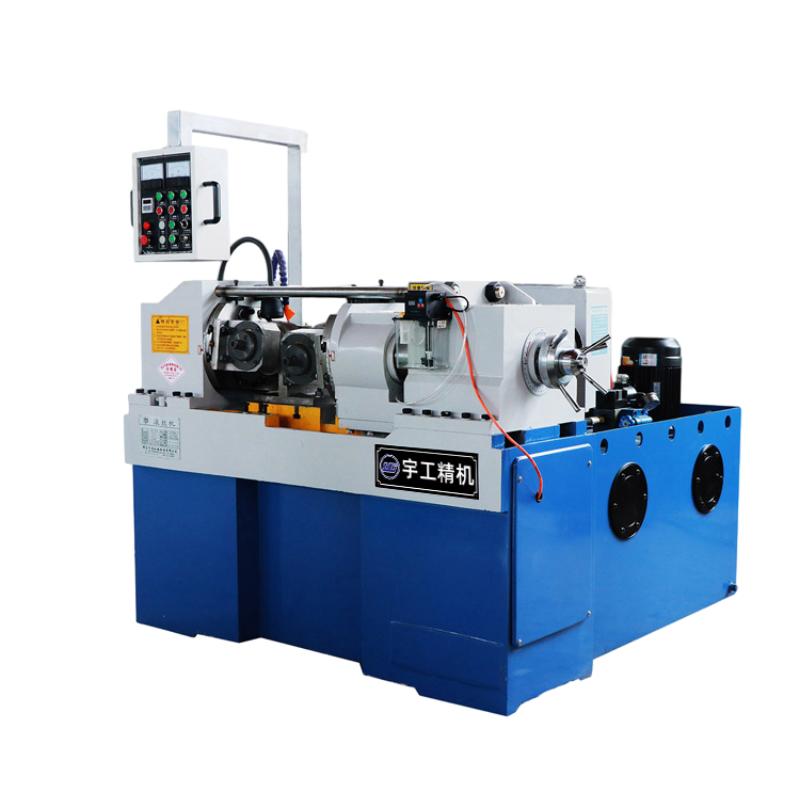
Precision Engineering: The reed thread roller Manufacturing Process
The integrity and longevity of a reed thread roller machine are direct reflections of its manufacturing excellence. From raw material selection to final assembly and rigorous testing, every step is meticulously controlled to ensure peak performance and reliability in demanding industrial environments.
Step-by-Step Production Excellence
1. Material Selection & Sourcing: High-grade alloy steels (e.g., Cr-Mo-V steel for dies, ductile cast iron for machine frame) are chosen for their superior strength, wear resistance, and shock absorption properties. All materials comply with international standards such as ASTM and DIN.
2. Component Forging & Casting: Critical components, including spindles and gear shafts, undergo precision forging to optimize grain structure and enhance mechanical properties. Machine frames are produced via high-precision casting to ensure structural rigidity and vibration damping.
3. CNC Machining & Grinding: Advanced 5-axis CNC machining centers are utilized to achieve micron-level tolerances for all moving parts. Subsequent precision grinding operations ensure flawless surface finishes and exact geometrical accuracy, critical for operational smoothness and long service life.
4. Heat Treatment & Surface Finishing: Components subjected to high stress or wear, such as the rolling dies, undergo specialized heat treatments (e.g., nitriding, induction hardening) to achieve optimal hardness and wear resistance. Protective coatings are applied to enhance corrosion resistance, particularly important for machines deployed in harsh industrial environments.
5. Assembly & Calibration: Skilled technicians perform intricate assembly, ensuring perfect alignment and fit of all mechanical and electrical subsystems. Precision calibration of rolling forces, feed rates, and synchronization mechanisms is conducted to guarantee consistent thread quality.
6. Quality Control & Testing: Each machine undergoes rigorous testing, including endurance runs, load testing, and precise dimensional verification of produced threads using optical comparators and micrometers. Adherence to ISO 9001 quality management systems and ANSI/ASME thread standards is strictly enforced. The design service life of these machines typically exceeds 15-20 years with proper maintenance, ensuring a strong return on investment.
This meticulous process ensures that the resulting reed thread roller machine not only performs optimally but also offers significant advantages in typical application scenarios, such as energy saving through efficient cold forming and exceptional corrosion resistance due to material selection and surface treatments, minimizing maintenance and maximizing operational uptime.
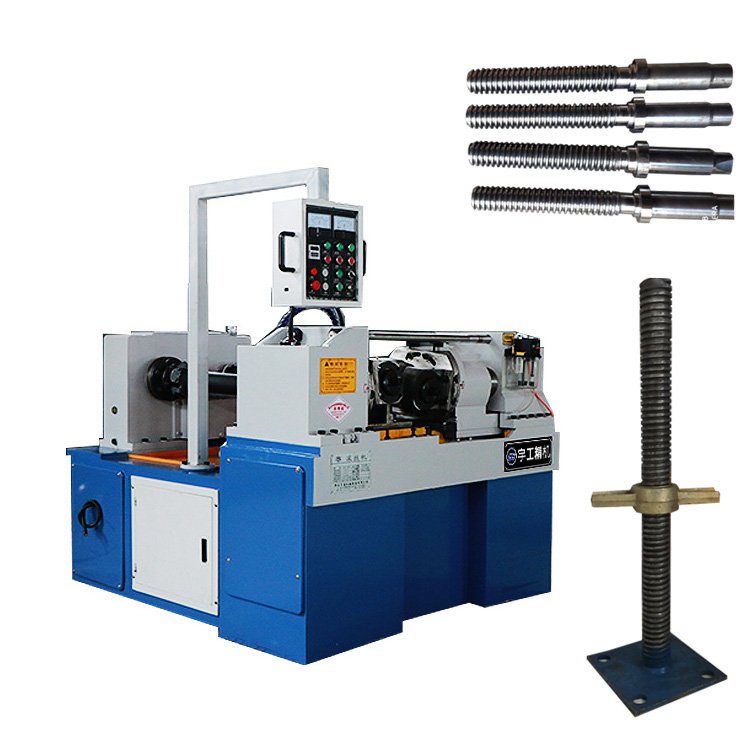
Versatile Applications of the reed thread roller
The versatility of the reed thread roller extends across a multitude of industries, providing critical solutions for creating threads on various components. Its robust design and high-precision output make it indispensable in sectors where reliability and strength of fasteners are paramount.
Key Industries Benefiting from Robust Threading
- Petrochemical Industry: For producing high-strength bolts and studs required in flanges, pipelines, and pressure vessels, where corrosive environments and extreme temperatures demand superior material integrity.
- Metallurgy: Manufacturing specialized threaded rods and fasteners for heavy machinery, structural supports, and material handling systems within smelters and processing plants.
- Water Supply & Drainage: Creating robust connections for large-diameter pipes, valves, and pumping station infrastructure, ensuring leak-proof and durable assemblies.
- Construction & Infrastructure: Essential for producing threaded rebar couplers, anchor bolts, and various fasteners for concrete structures, bridge construction, and scaffolding pipe thread rolling machine applications, enhancing structural stability and safety.
- Automotive & Aerospace: Manufacturing precision bolts and threaded components for engines, chassis, and airframe structures, where exacting specifications and fatigue resistance are non-negotiable.
- Wind Energy: Producing foundation bolts and tower connections that withstand immense dynamic loads and harsh weather conditions.
Real-World Application Advantages
- Enhanced Structural Integrity: The cold-forming process of a reed thread roller creates threads with a continuous grain flow, significantly increasing tensile strength and fatigue life compared to cut threads. This is vital in critical applications like bridge expansion joints or seismic-resistant rebar connections.
- Cost-Effectiveness & Energy Saving: By cold forming, material waste is virtually eliminated as no chips are produced. Furthermore, the efficiency of the rolling process often requires less power than cutting operations for the same volume, translating into substantial energy savings over long production cycles.
- Superior Corrosion Resistance: The compressed surface of rolled threads enhances resistance to corrosion and wear, prolonging the service life of components in challenging environments, such as marine applications or chemical processing plants.
These advantages underscore why industries globally are increasingly opting for sophisticated threading solutions like the reed thread roller for their production needs, including specialized applications such as a high-performance scaffolding pipe thread rolling machine.
Superior Engineering: Distinct Advantages of reed thread roller Technology
When evaluating industrial machinery, the technical advantages of a specific model like the reed thread roller become a decisive factor. Its design and operational principles offer a compelling set of benefits that directly impact productivity, product quality, and long-term operational costs.
- Unparalleled Thread Strength: Cold rolling compacts the material, aligning the grain structure along the thread profile. This work hardening increases the thread's tensile, shear, and fatigue strength by up to 30% compared to cut threads, making it ideal for high-stress applications.
- Exceptional Surface Finish: The rolling process produces a smooth, burnished surface finish free of tears or imperfections often found in cut threads. This superior finish reduces friction and improves corrosion resistance, extending the life of the fastener.
- High-Speed Production: Designed for automatic, continuous operation, the reed thread roller achieves significantly higher production rates than conventional thread cutting or single-point threading methods. This is crucial for manufacturers facing tight deadlines and large volume orders.
- Material Efficiency: As a cold-forming process, thread rolling eliminates material waste in the form of chips, thereby maximizing material utilization and reducing raw material costs.
- Reduced Tool Wear: Unlike cutting tools that rapidly dull, thread rolling dies are highly durable and have an extended service life, reducing tool changeover times and maintenance costs.
- Consistency and Precision: The controlled deformation process ensures highly consistent thread dimensions and profiles from piece to piece, meeting stringent industry standards (e.g., ISO, ANSI, JIS) with minimal deviation.
These technical superiorities affirm the position of the reed thread roller as a leading solution for businesses seeking to optimize their fastening component production, effectively acting as a high-performance screw rolling machine and screw thread rolling machine.
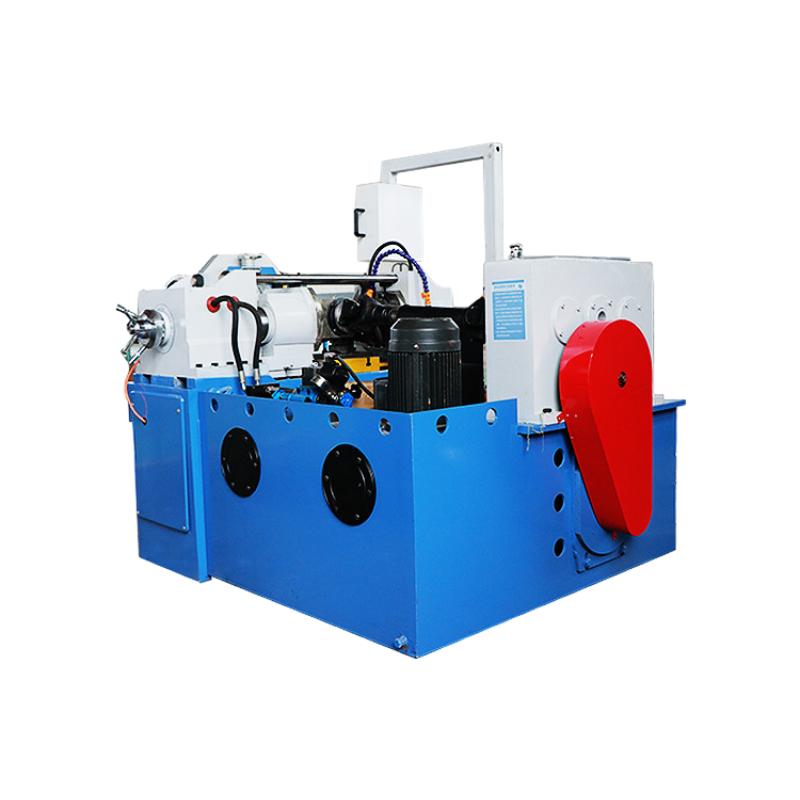
Strategic Investment: Vendor Comparison and Customized Solutions for Your Threading Needs
The decision to acquire a thread rolling machine is a significant capital investment. A thorough vendor comparison, coupled with the availability of customized solutions, is paramount to ensuring that the chosen equipment perfectly aligns with specific production requirements and long-term strategic goals.
Navigating the Market: A Comparative Analysis
While numerous manufacturers offer thread rolling machines, differentiating factors often lie in technological advancements, build quality, after-sales support, and customization options. Here's a generalized comparison:
Tailored for Excellence: Customized Solutions
Recognizing that no two manufacturing operations are identical, we offer extensive customization options for our reed thread roller machines. These solutions can include:
- Specialized Die Sets: Designed for unique thread profiles, pitches, or specific material characteristics (e.g., high-nickel alloys, titanium).
- Integrated Automation: Custom loading/unloading systems, robotic integration, or inline quality control sensors to enhance overall production line efficiency.
- Enhanced Control Systems: PLC upgrades, HMI customization for specific operational parameters, or integration with existing factory automation networks.
- Environmental Adaptations: Special cooling systems, enclosed designs for dust-sensitive environments, or corrosion-resistant treatments for harsh operating conditions.
When you decide to buy screw thread rolling machine, partnering with a vendor that provides these flexible solutions ensures that your investment is future-proofed and precisely aligned with your operational demands.
Proven Performance: Real-World Case Studies with reed thread roller
The efficacy of industrial machinery is best demonstrated through successful real-world applications. Our reed thread roller machines have consistently delivered superior results, contributing significantly to the operational success of our diverse clientele.
Case Study 1: Large-Scale Infrastructure Project – High-Strength Rebar Couplers
A major construction firm, undertaking a multi-billion-dollar high-speed rail network project, faced challenges in consistently producing high-strength rebar couplers for critical concrete sections. Their previous method of cut threading resulted in unacceptable material waste, slower production, and threads that occasionally failed to meet the stringent fatigue resistance standards required by civil engineering codes.
Upon implementing our Automatic High Speed Bolt Rebar Thread Rolling Machine, the firm achieved a 35% increase in production throughput for threaded rebar (diameters 20mm to 32mm). More critically, the cold-rolled threads exhibited a 20% improvement in fatigue life and consistently passed all non-destructive testing, far exceeding project specifications. This directly translated into reduced project risk, faster construction timelines, and significant material cost savings, reinforcing the firm's confidence in the structural integrity of their new infrastructure.
Case Study 2: Precision Manufacturing for Automotive Components – Engine Fasteners
An OEM supplier to the automotive industry, specializing in engine components, required extreme precision and high volume for manufacturing critical engine fasteners. Consistency in thread geometry and surface finish was paramount to prevent galling during assembly and ensure long-term engine reliability under vibratory loads and temperature fluctuations.
By integrating a customized reed thread roller with automated feeding and inspection, the supplier was able to achieve a production rate of over 1500 fasteners per hour with less than 0.01% defect rate. The consistently high-quality threads contributed to reduced warranty claims and enhanced the overall reputation for reliability of the engine components. Customer feedback highlighted the exceptional thread quality and the significant improvement in assembly line efficiency due to the flawless consistency of the rolled threads.
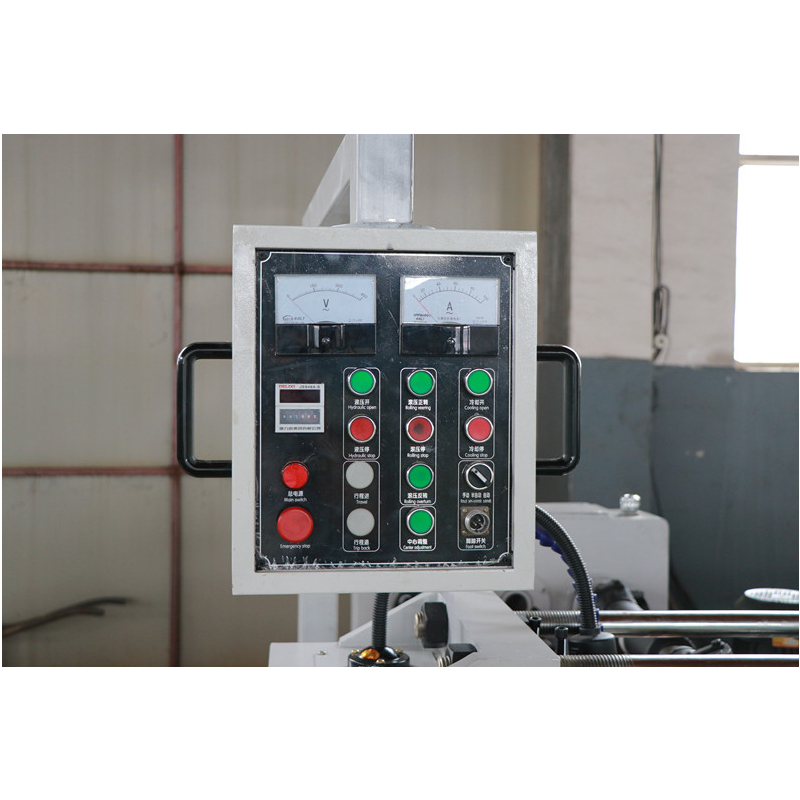
Commitment to Excellence: Trust, Support, and Longevity
Certifications and Authoritative References
Our commitment to quality is validated by industry-leading certifications and long-standing partnerships:
- ISO 9001:2015 Certified: Demonstrating adherence to the highest international standards for quality management systems in design, development, production, installation, and service.
- CE Mark Compliance: All equipment meets the essential health and safety requirements of European Directives.
- Over 20 Years of Industry Service: A testament to our consistent quality and innovation in thread rolling technology.
- Global Partner Network: Trusted by leading manufacturers and construction companies worldwide.
- Adherence to International Standards: Products designed and tested according to ASTM, DIN, JIS, and ANSI standards for thread profiles and mechanical properties.
Frequently Asked Questions (FAQ)
- Q: What types of materials can the reed thread roller process?
- A: Our machines are capable of threading various ferrous and non-ferrous materials, including carbon steel, alloy steel, stainless steel, brass, and aluminum, up to a hardness of HRC 32. Custom dies can accommodate higher hardness materials.
- Q: What is the typical lead time for a new machine order?
- A: Standard models typically have a lead time of 6-8 weeks, while customized solutions may require 10-14 weeks, depending on complexity. Specific lead times are provided upon order confirmation.
- Q: How does thread rolling compare to thread cutting in terms of strength?
- A: Thread rolling creates threads through cold forming, preserving the material's continuous grain structure, which significantly enhances tensile, shear, and fatigue strength (often by 20-30%) compared to thread cutting, which severs the material's grain flow.
- Q: Are spare parts readily available?
- A: Yes, we maintain a comprehensive inventory of spare parts for all our models, ensuring quick dispatch and minimizing potential downtime for our clients globally.
Lead Time, Warranty, and After-Sales Support
Lead Time & Fulfillment: We prioritize efficient order processing and logistics. Our typical lead times, as outlined in the FAQ, are meticulously managed to ensure timely delivery. We work with trusted global shipping partners to facilitate seamless fulfillment to your operational location.
Warranty Commitments: All our reed thread roller machines come with a comprehensive 12-month warranty covering manufacturing defects and component failures under normal operating conditions. Extended warranty options are also available.
Customer Support: Our dedicated after-sales support team provides technical assistance, troubleshooting, and maintenance guidance. This includes remote diagnostics, on-site service by factory-trained technicians, and regular preventive maintenance programs. We also offer extensive training programs for your operators and maintenance personnel to ensure optimal machine performance and longevity.
Shaping the Future of Fastening
The reed thread roller represents a significant leap forward in thread rolling technology, offering unparalleled precision, speed, and durability. For B2B decision-makers and engineers, investing in such advanced machinery means not just acquiring equipment, but integrating a solution that enhances product quality, optimizes production efficiency, and ensures long-term operational excellence. As industries continue to evolve, the demand for robust and reliable fastening solutions will only grow, making the strategic adoption of cutting-edge thread rolling technology an imperative for sustained success.
References
- Machinery's Handbook, 31st Edition. Industrial Press, Inc.
- ASM Handbook, Volume 14A: Metalworking: Bulk Forming. ASM International.
- Cold Forging of Steel. American Iron and Steel Institute.
- ISO 9001:2015 Quality management systems – Requirements. International Organization for Standardization.
- Thread Rolling - Benefits and Applications. Fastener Technology International.