

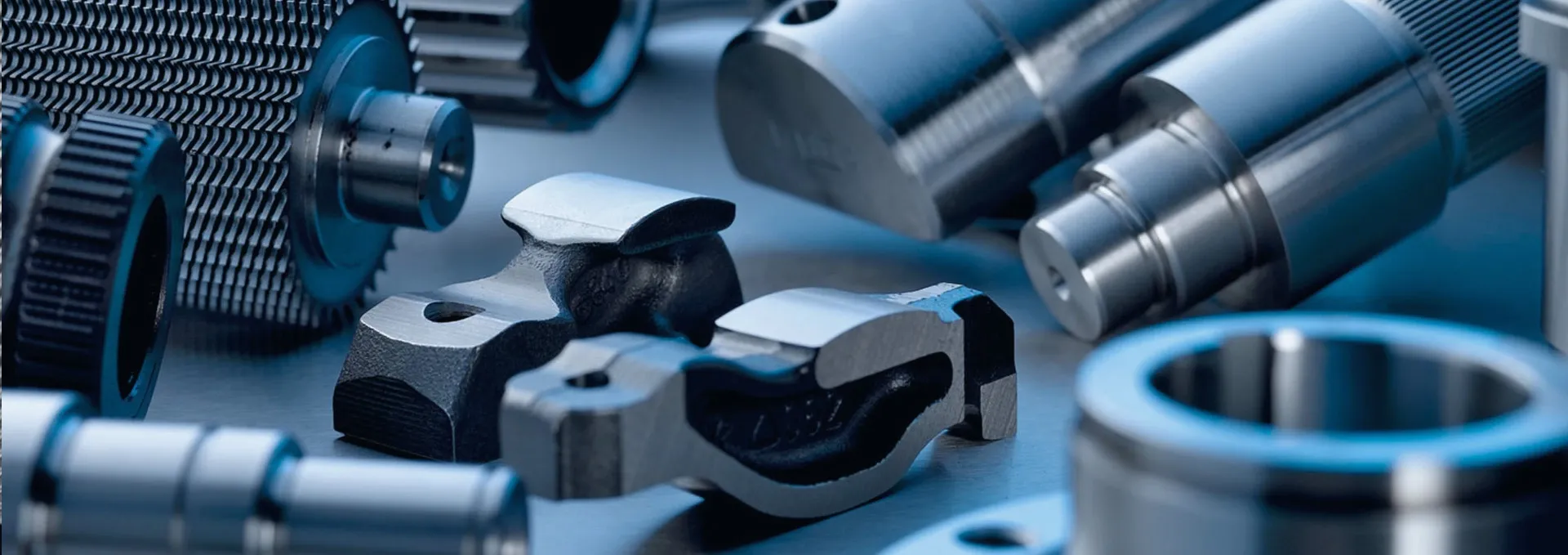
Reed Thread Roller: Precision, Speed & Strength—Why Us?
Rebar threads at production speed: what a modern reed thread roller really does on your shop floor
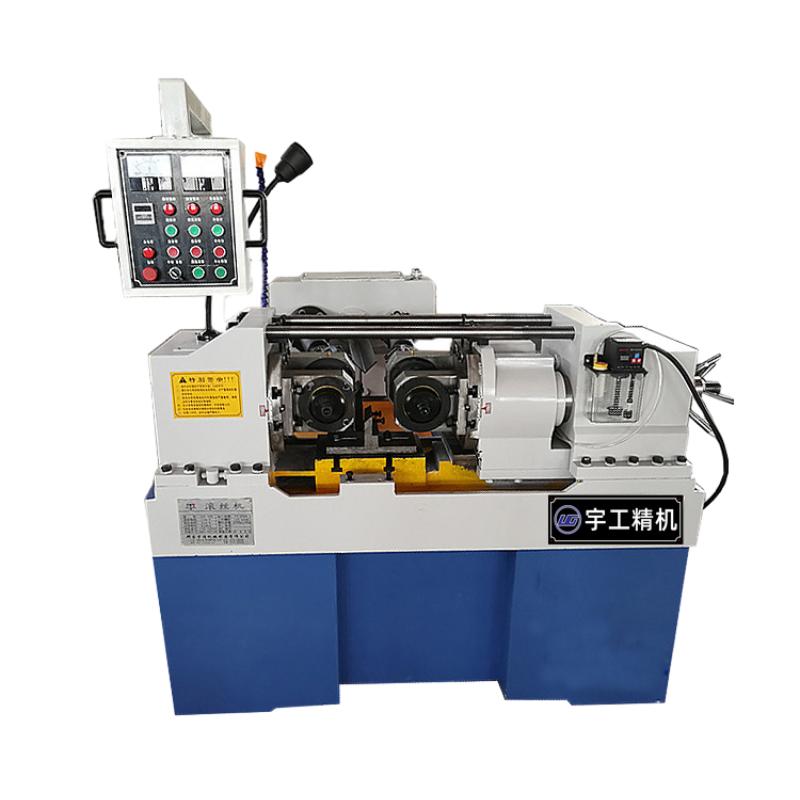
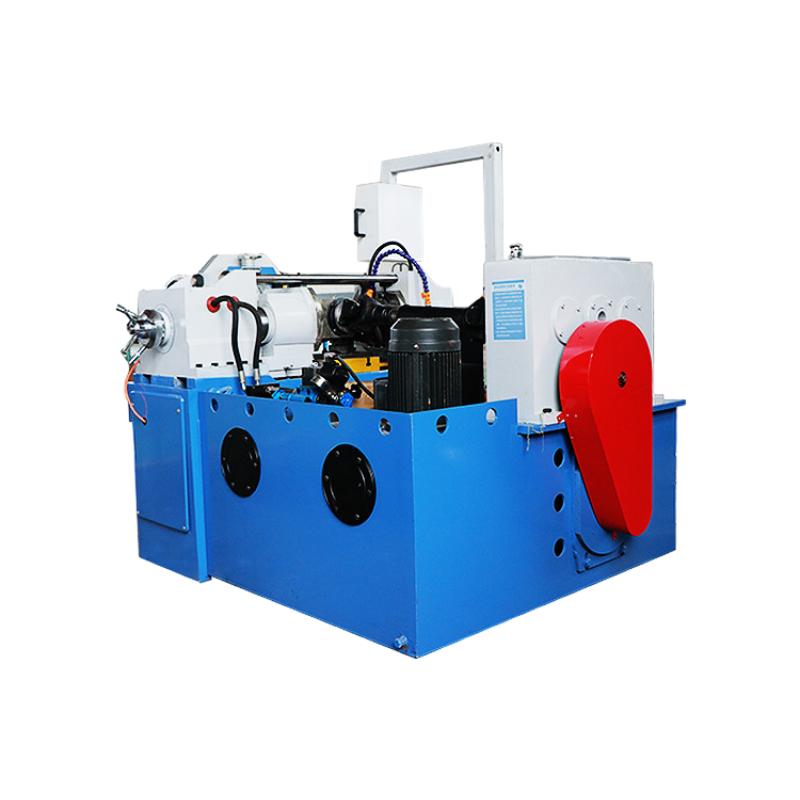
If you work with couplers, anchor bolts, or high-volume studs, you already know: cold-form thread rolling is where cycle time and consistency meet. I spent a week in Hebei talking with operators who swear by the Automatic high speed bolt rebar thread rolling machine from XingWan Industrial Zone, Xingtai—actually watching it chew through HRB500 rebar was oddly satisfying.
Why this matters now
Industry trend #1: construction coupler systems are standardizing globally; thread interchangeability is under tighter scrutiny. Trend #2: mills push higher-strength bars (HRB400/500), so dies and frames face nastier loads. And #3: buyers want testable traceability—no more “trust us.” A capable reed thread roller responds with torque, alignment, and predictable tolerances.
Core specifications (field-noted)
| Model | Automatic high speed bolt rebar thread rolling machine |
| Max process diameter | Up to ≈52 mm |
| Thread length | Not limited (practically governed by workholding) |
| Main drive power | 11 kW |
| Hydraulic power | 4 kW |
| Coolant power | 90 W |
| Footprint (L×W×H) | ≈1700 × 1850 × 1550 mm |
| Origin | XingWan Industrial Zone, Xingtai City, Hebei, China |
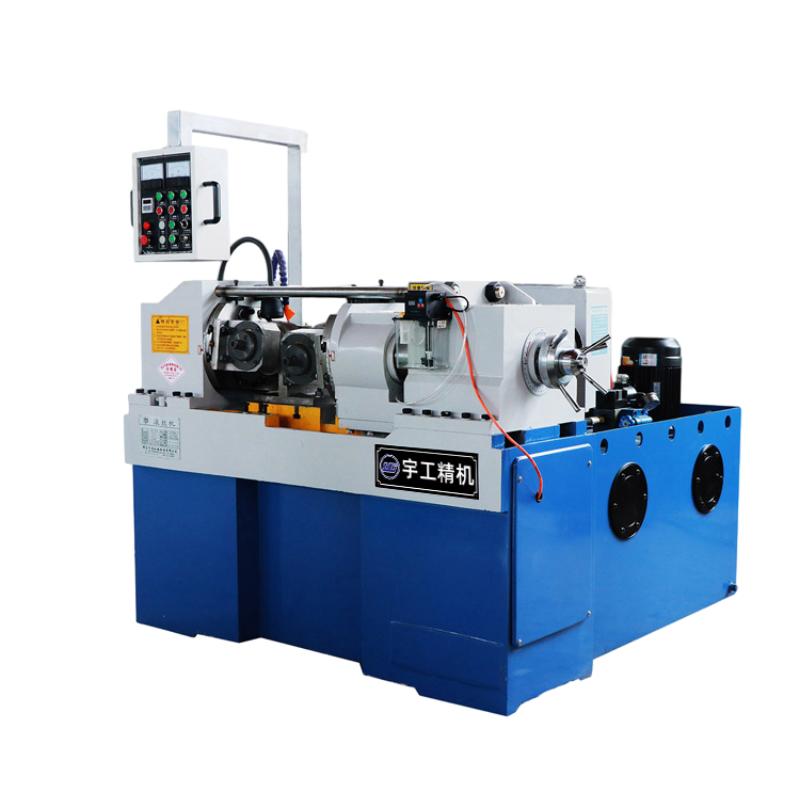
Process flow: from bar to finished thread
- Materials: HRB400/500 rebar, 40Cr or 45# steel, 35CrMo (varies by job).
- Prep: cut-to-length, end facing, light chamfer to guide the dies.
- Rolling: cold-form displacement using hardened dies (HRC ≈58–62), flood coolant.
- Inspection: go/no-go gauges per ISO 1502; tolerance to ISO 965-1; hardness checks per ISO 6508.
- Service life: machine 8–10 years with PM; die life commonly 30k–80k pieces (material- and lube-dependent).
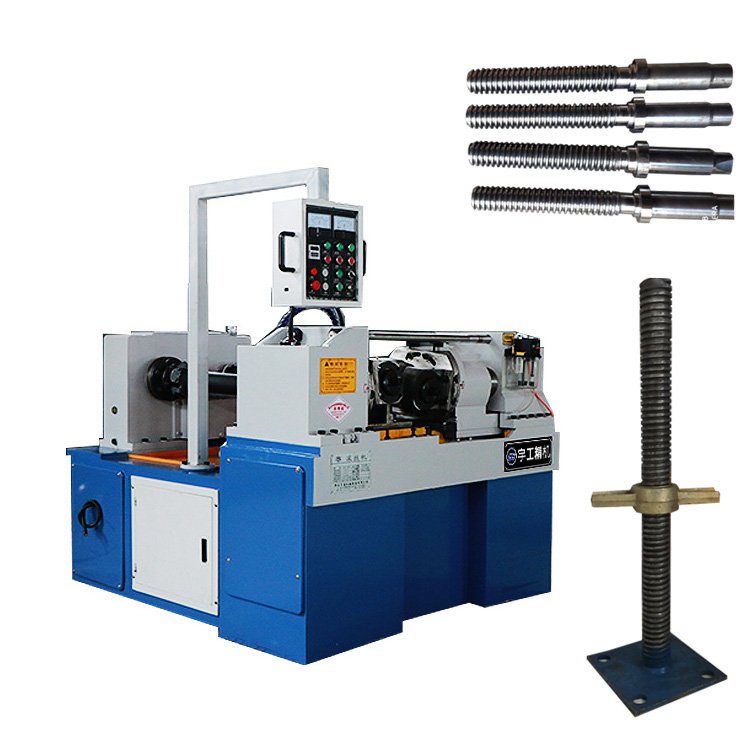
Where it’s used
- Rebar couplers for high-rise cores and bridges. - Energy and heavy-civil anchor systems. - OEM bolts and studs in transport equipment. Many customers say surface finish is “surprisingly clean,” especially on HRB400, and noise levels are lower than older machines—my take: the hydraulic circuit is tuned better than it looks.
Vendor comparison (real-world considerations)
| Vendor | Certifications | Lead time | After-sales | Notes |
|---|---|---|---|---|
| MOTE Tools (Xingtai) | ISO 9001 (factory level, typical) | ≈20–35 days | Remote diagnostics, die setup guides | Good cost-to-power ratio |
| Vendor A (EU) | CE, ISO 9001 | ≈8–12 weeks | On-site commissioning | Higher price, robust guarding |
| Vendor B (APAC) | Factory QC (varies) | ≈30–45 days | Email support | Lower entry price, mixed reviews |
Customization and QA
Typical options include rebar-specific dies (JIS/BS/ISO pitches), automatic feeder, splash enclosure, and upgraded coolant filtration. For QA, buyers ask for calibration logs, gauge R&R, and mill certs for die steel. If you’re chasing UTS targets, validate rolled thread strength to ISO 898-1 with tensile tests; for UNC/UNF work, verify to ASME B1.1. A good reed thread roller will hold gauge in real-world heat and dust—good coolant helps more than folks admit.
Mini case study
A bridge contractor in the Gulf switched to this unit for 32–40 mm coupler threads. After a cautious ramp, they reported ≈2.1× throughput, scrap under 0.8%, and die changeovers in ~12 minutes once the crew got the hang of it. To be honest, results like that hinge on prep and operator training, but the hydraulic bite clearly helped on high-yield bars.
Testing, data, and upkeep
- Thread compliance: ISO 965-1 (metric) or ASME B1.1 (inch).
- Mechanical verification: tensile/shear per ISO 898-1; optional ASTM F606/F606M sampling.
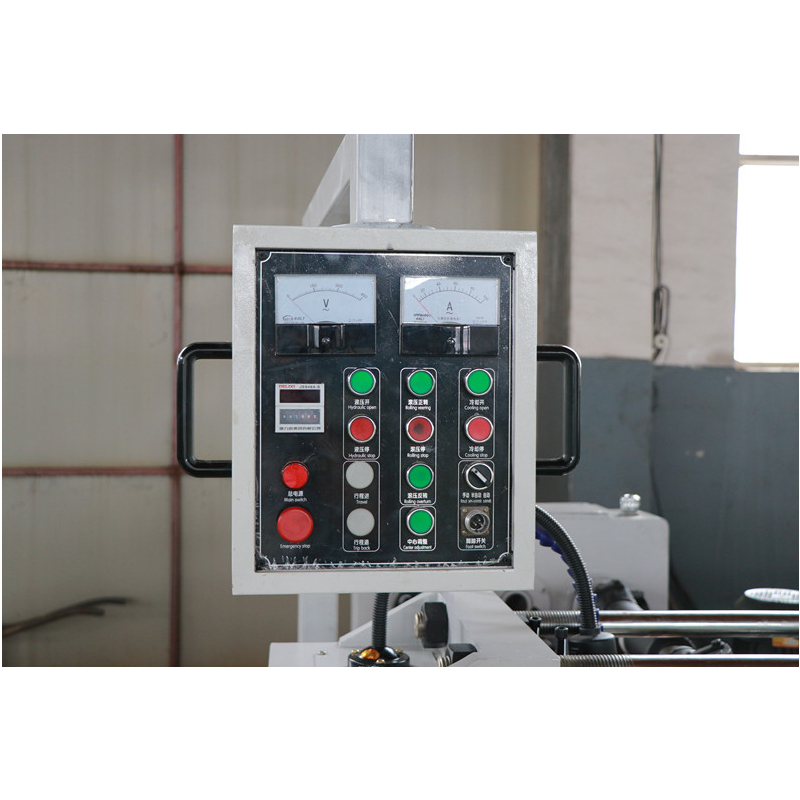
- Routine checks: die wear every 3–5k parts; hydraulic temperature; gauge logs weekly.
In practice, plan a monthly PM window; real-world uptime tends to be highest where coolant cleanliness is treated like religion.
Citations
- ISO 965-1: ISO metric screw threads—Tolerances. https://www.iso.org/standard/63746.html
- ISO 898-1: Mechanical properties of fasteners. https://www.iso.org/standard/63822.html
- ASTM F606/F606M: Mechanical Testing of Fasteners. https://www.astm.org/f0606_f0606m-14.html