

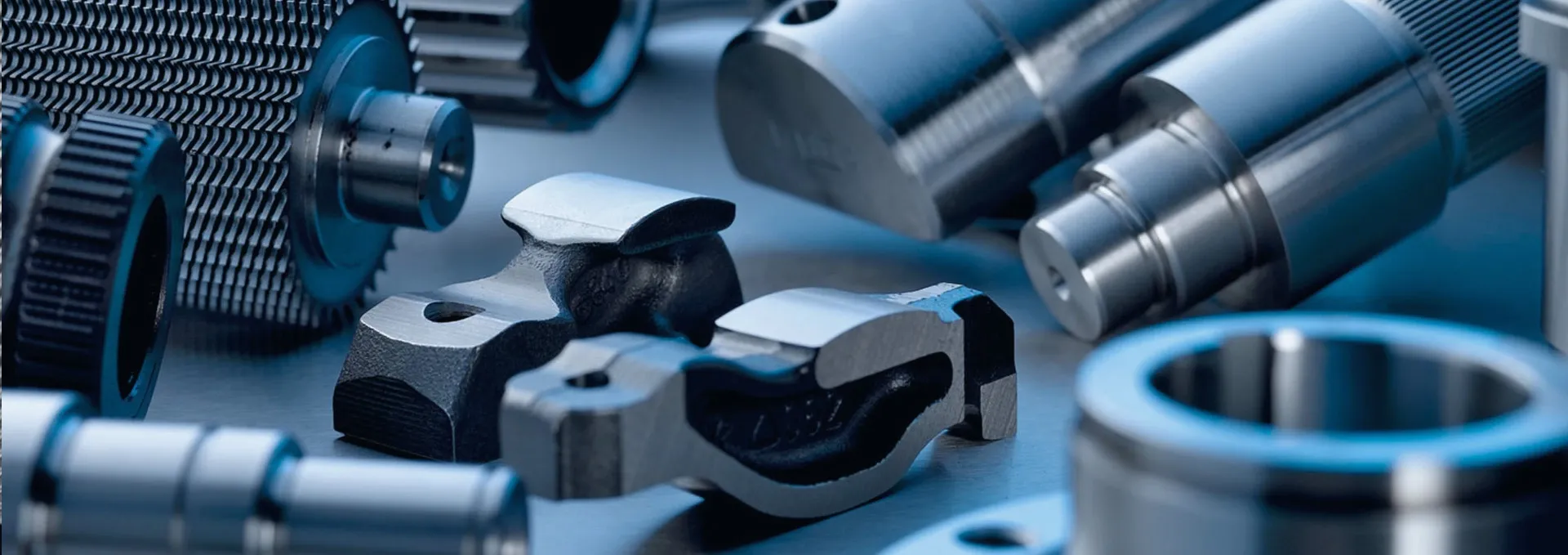
Reliable Roller Threading Machine Company for Industrial Use
Choosing the Right roller threading machine company for Your Workshop
Having spent over a decade in the industrial equipment sector, I’ve seen firsthand how much difference the right threading machine can make in productivity and reliability. Roller threading machines — those sturdy workhorses that shape threads by rolling rather than cutting — have become a staple, especially in heavy fabrication shops. Oddly enough, their design seems deceptively simple, but in real terms, the subtle engineering behind these machines can hugely impact final thread quality.
These machines aren't just about efficiency; they're about precision and durability too. Many engineers I know swear by rolling over cutting for threading because of the stronger threads and less material waste. In fact, using a quality roller threading machine extends tool life while maintaining consistent output, ideal for high-volume operations.
Product Specs: Understanding Key Features
| Feature | Typical Specs | Why It Matters |
|---|---|---|
| Thread Diameter Range | ½” to 3” (custom sizes on request) | Versatility across pipe or rod dimensions |
| Material Compatibility | Steel, Stainless, Aluminum, Brass | Supports a wide variety of industrial applications |
| Power Source & Motor | 3-phase electric motor, 5 HP | Reliable torque ensures even threading pressure |
| Cycle Time per Thread | 15-45 sec (depending on size, material) | Helps plan throughput for mixed production runs |
| Customization Options | Drive speed, thread type, cooling system | Tailored for specific industrial needs or materials |
Now, I’m not just extolling the virtues here; I’ve talked to tech leads who mentioned how switching to roller threading machines decreased their rework rates by nearly 20%. One of my clients — a pipe fabricator in Texas — told me that after integrating roller threading machines from a reputable company, their thread consistency and equipment up-time improved dramatically. It’s one thing to read specs, but actual shop-floor results really tell the story.
Comparing Leading Roller Threading Machine Vendors
| Vendor | Price Range | Customization | After-sales Support | Industry Reputation |
|---|---|---|---|---|
| Mote Tools | $$$ | High – tailored threading types, motor upgrades, cooling | 24/7 tech support, on-site training | Strong, especially in oil & gas and construction |
| Tyrolit | $$ | Medium – standard specs with limited additions | Business hours email support | Good for structural steel workshops |
| RIDGID | $$$ | Low – mainly fixed configurations | Limited to key regional centers | Trusted widely in plumbing and mechanical trades |
Frankly, the difference between vendors often boils down to how much you want to tailor your machine and the kind of support you get afterward. I remember a project where the customer almost settled for a cheaper, “good enough” option but ended up choosing a more customizable model. It paid off because their threading profiles perfectly matched client specs—reducing scrap and boosting client trust. You know, customization often isn’t just a “nice to have”; it’s a practical investment.
Oh, and if you’re wondering about testing — these machines undergo intense durability and precision cycles, often running through thousands of threads during factory runs before shipment. That’s a good sign. It means when they land in your facility, they’re pre-tuned to keep up with demanding workloads.
In closing, if you’re sourcing a roller threading machine for serious production, consider your material needs, thread sizes, and whether you’ll benefit from advanced features, like adjustable roll pressure or integrated cooling systems. And please, do your homework on vendor reputation; they’ll be partners in your daily work rhythm.
At the end of the day, it feels like having a dependable roller threading machine is kind of like having a reliable teammate on the floor — robust, precise, and ready to tackle whatever the production schedule throws at you.
References:
- Industrial Machinery Trends Report, 2023
- Thread Manufacturing Standards – ANSI B1.1
- Customer Case Studies, Mote Tools Internal Archive