

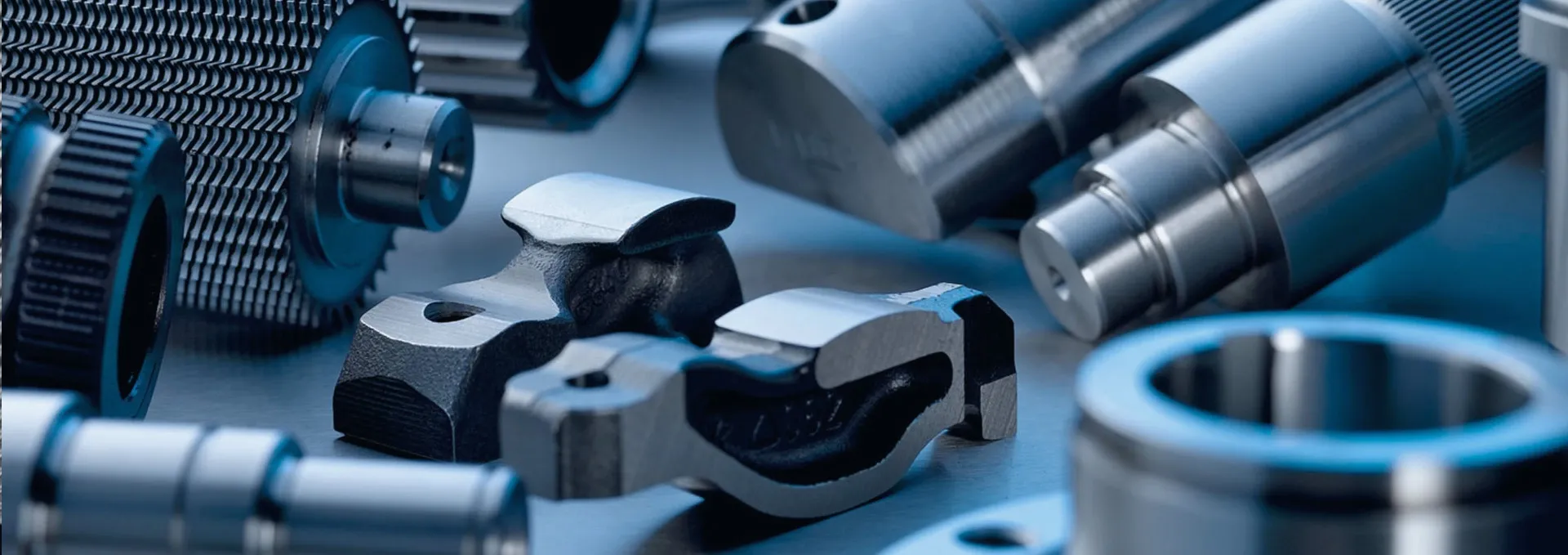
Roll Thread Machine | Precision, Heavy-Duty, Low Cost
Automatic Rebar Spoke Thread Rolling Machine: shop-floor notes, specs, and real-world tips
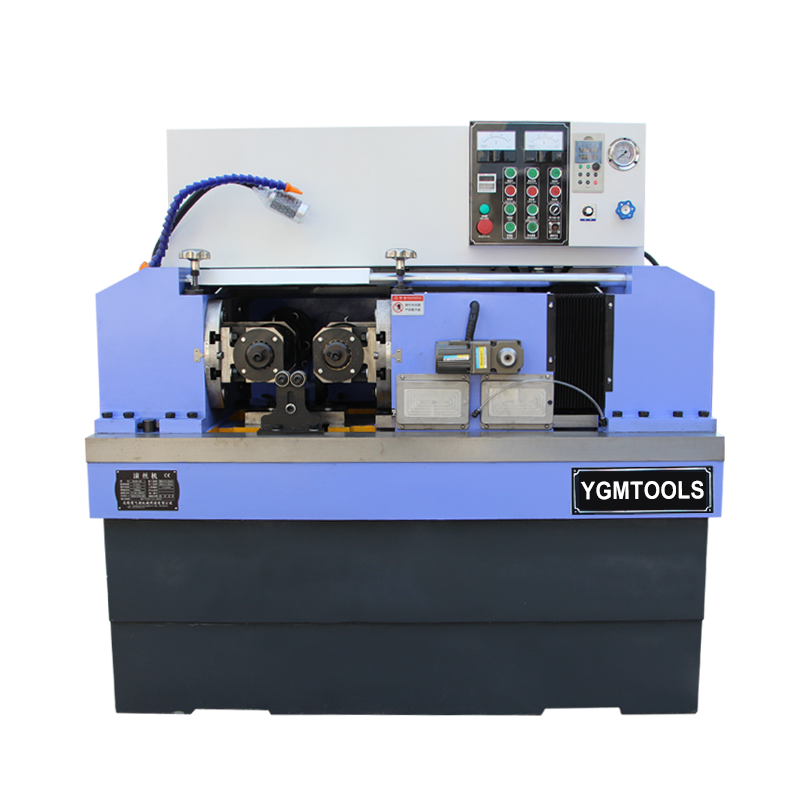
If you’ve been pricing a Roll Thread Machine for rebar or precision spokes, here’s what I’ve learned after too many factory visits, a few misaligned dies, and a couple of late-night phone calls with maintenance guys. The ZA28-20 from Motetools—born in XingWan Industrial Zone, Xingtai City, Hebei—has quietly become a reliable pick where low scrap and clean, repeatable threads matter. And, to be honest, the footprint is friendlier than most machines in its power class.
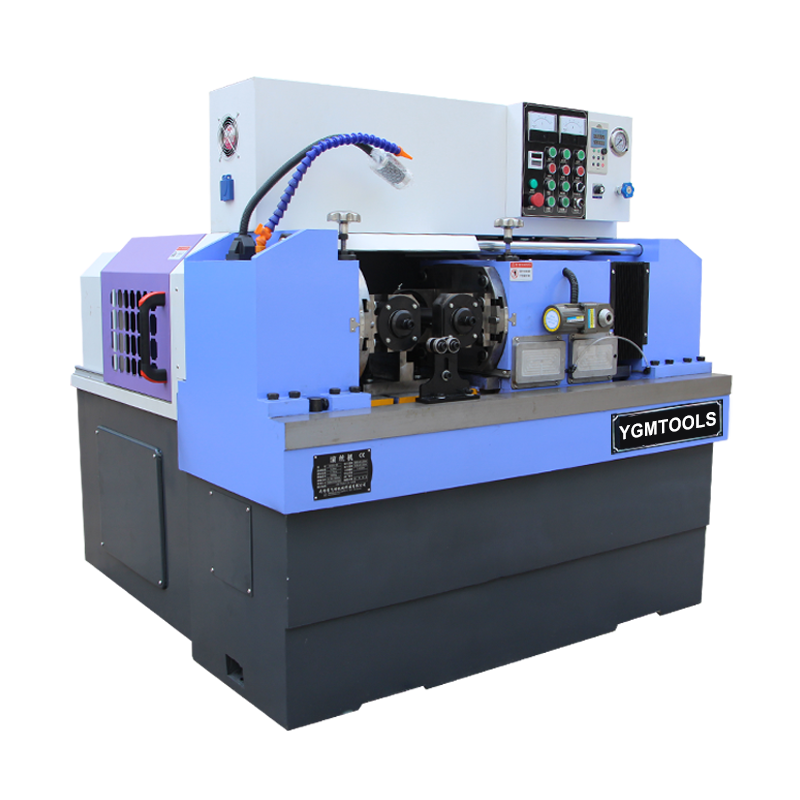
Why the sudden buzz around cold-formed rebar threads
Construction and OEM metal shops are shifting toward cold forming because it boosts tensile strength at the root and keeps chips out of the equation. Actually, it’s also about compliance: mechanical splices and couplers increasingly follow ISO 15835 and similar standards, and contractors want machines that hit those tolerances without fuss. Many customers say the learning curve is shorter than they expected.
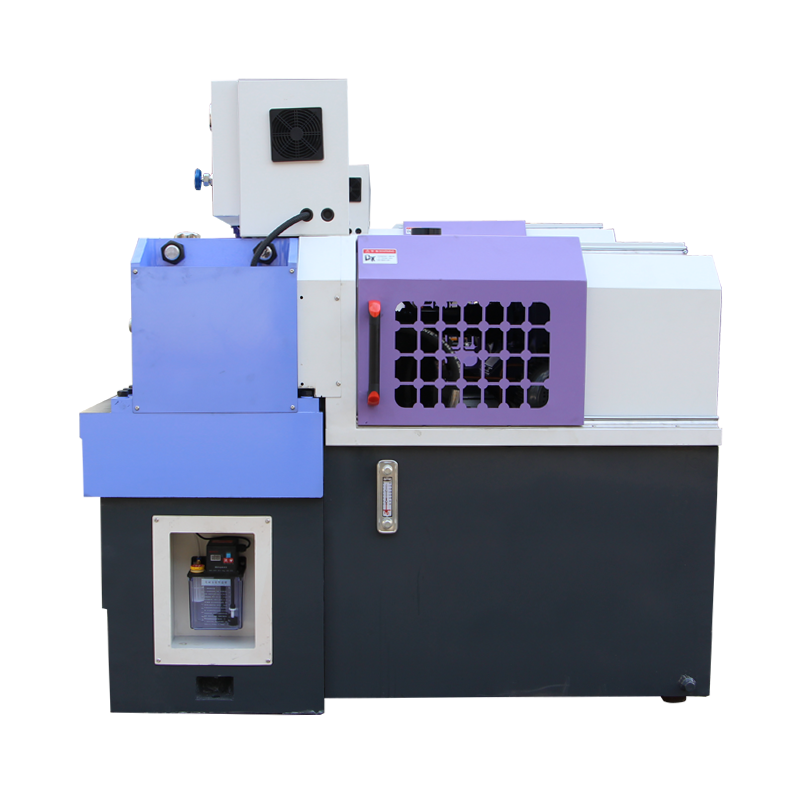
ZA28-20 key specifications
| Model | ZA28-20 Automatic rebar spoke Roll Thread Machine |
| Diameter range | 5–42 mm |
| Pitch range | 1–5 mm |
| Main motor | 7.5 kW |
| Hydraulic motor | 1.75 kW |
| Cooling power | ≈ 90 W (real-world use may vary) |
| Dimensions | 1500 × 1510 × 1520 mm |
| Weight | ≈ 1900 kg |
| Origin | XingWan Industrial Zone, Xingtai, Hebei, China |
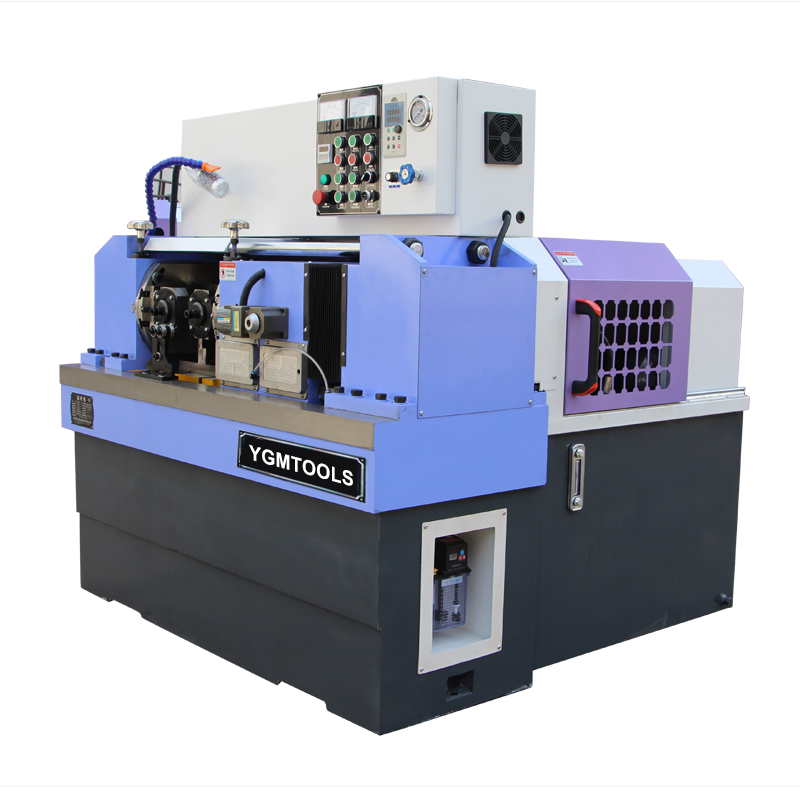
Process flow, materials, and testing
Typical flow: material selection (rebar per ASTM A615/BS/GB grades or spoke steel), cut-to-length, end prep/chamfer, cold rolling on the Roll Thread Machine, coolant flush, degrease, and final gauging. For metric profiles we’ve seen ISO 965/GB/T 197 thread gaging (GO/NO-GO); for coupler work, contractors often reference ISO 15835 acceptance and mechanical tests (tension, slip, bar break).
Die material tends to be Cr12MoV or similar; with proper coolant and alignment, die life lands around 50,000–120,000 pieces (depends on hardness and surface scale). Shops run periodic checks to ISO 9001 routines; tensile tests per ASTM A370 are pretty standard where project QA is strict.
Applications and what users report
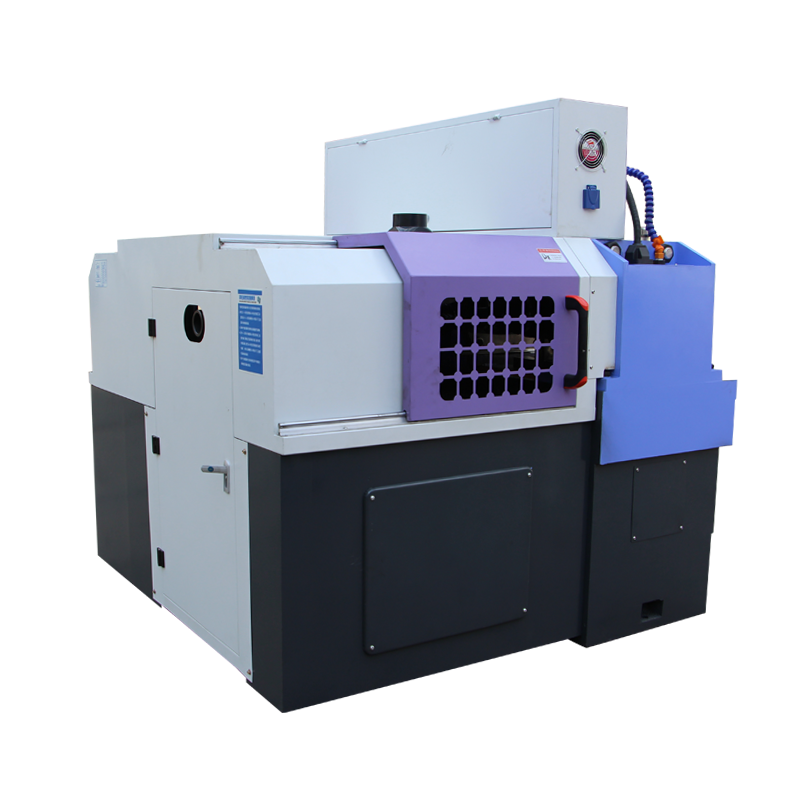
Industries: civil construction (rebar couplers, anchor bolts), two-wheeler spokes, light machinery fasteners. A contractor in Southeast Asia told me throughput rose to ≈ 280–420 pieces/hour on 16–20 mm rebar with one operator—after a week of dialing in coolant flow and a modest fixture tweak. Surface finish came out consistent, and the break location met ISO 15835 (bar break outside the threaded zone).
Vendor landscape: quick comparison
| Vendor | Dia. Range | Motor Power | Lead Time | After-Sales |
|---|---|---|---|---|
| Motetools ZA28-20 | 5–42 mm | 7.5 kW + 1.75 kW hydraulic | ≈ 15–30 days | Remote + on-site (region dependent) |
| Typical Import A | 6–36 mm | 5.5–7.5 kW | ≈ 30–45 days | Email-only, limited spares |
| Typical Import B | 8–50 mm | 7.5–11 kW | ≈ 45–60 days | Local agents, pricier parts |
Customization, compliance, and lifespan
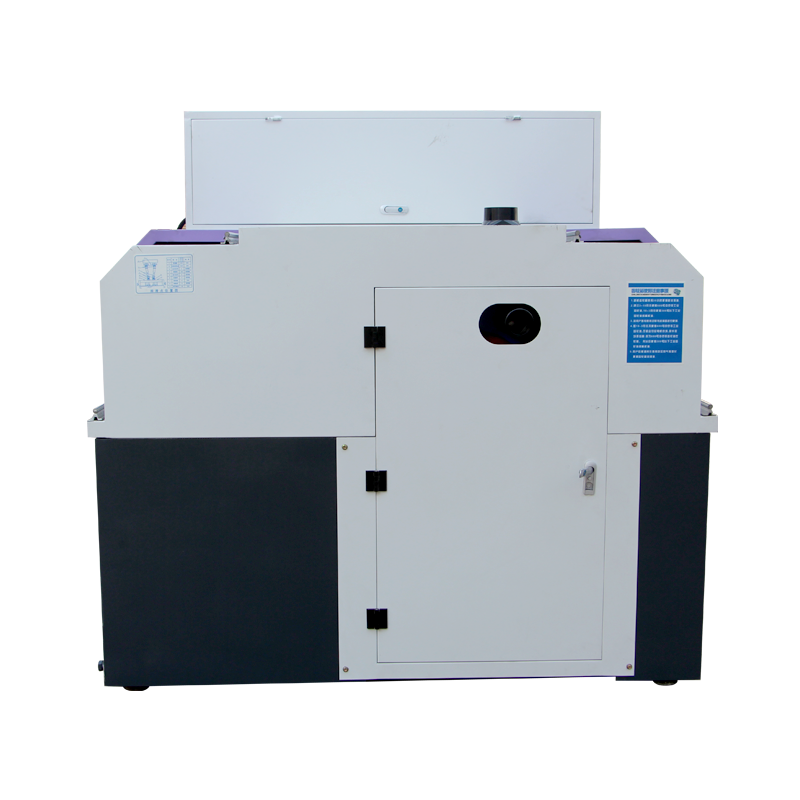
Options I’ve seen: custom thread dies (metric/UNC, special pitches), reinforced guards for EU markets, oil-mist or flood coolant kits, and PLC tweaks for cycle timing. Compliance notes: CE Machinery Directive 2006/42/EC, ISO 12100 risk assessment, electricals to IEC/EN standards—always ask for the DoC. With routine service (monthly alignment checks, coolant maintenance), machine life often exceeds 8–10 years; bearings and hydraulic seals are normal wear items.
Buying checklist
- Confirm thread gauges (ISO 965 or project-specified) and coupler test plan (ISO 15835).
- Request sample roll + test report (ASTM A370 tensile, if applicable).
- Stock two extra die sets for your top 80% sizes.
- Clarify warranty and response time for spares.
Citations:
- ISO 15835-1:2018, Steel for the reinforcement of concrete — Mechanical splices of bars — Requirements.
- ISO 965-1:2016, ISO general purpose metric screw threads — Tolerances.
- ASTM A370-22, Standard Test Methods and Definitions for Mechanical Testing of Steel Products.
- Machinery Directive 2006/42/EC (CE) and ISO 12100:2010 Safety of machinery — Risk assessment.
- GB/T 197, ISO general purpose metric screw threads — Limits of sizes (China adoption).