

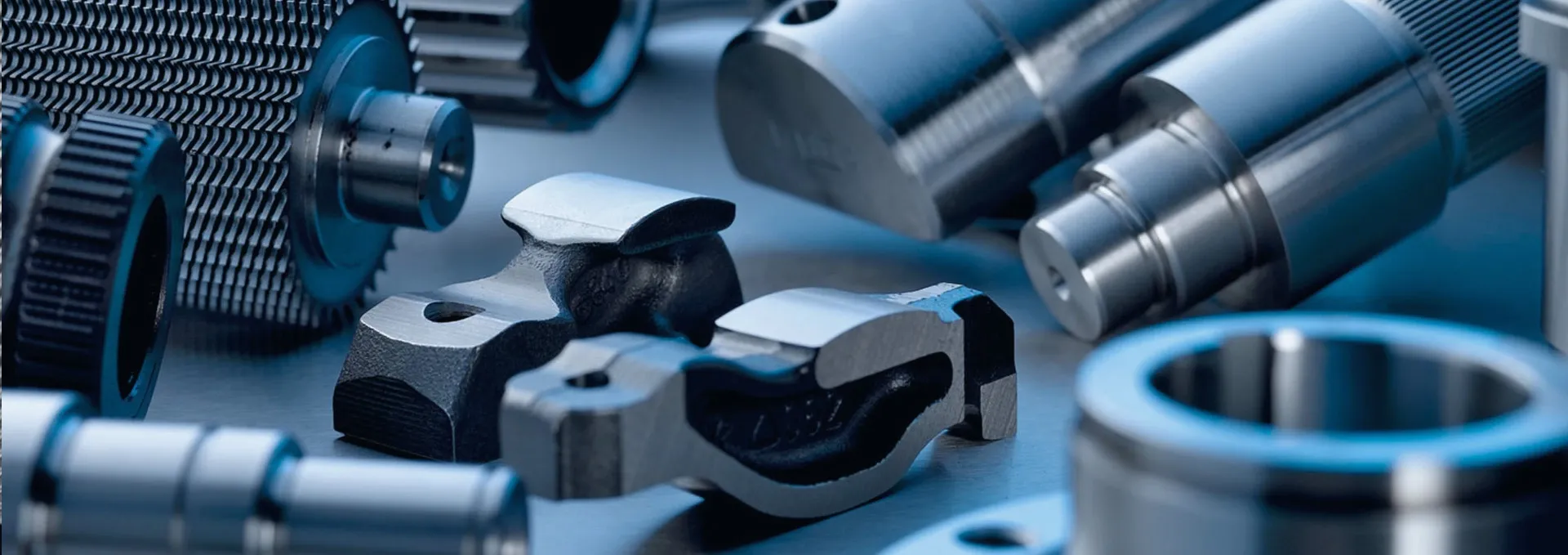
Thread Rolling Machine Working Factory – How Precision Meets Productivity
Understanding a Thread Rolling Machine Working Factory
Having spent well over a decade in the industrial equipment sector, especially in fastener manufacturing, I can say there's something oddly satisfying about watching a thread rolling machine in action on the factory floor. It’s a blend of precision and raw mechanical power that feels almost alive. These machines don’t just shape metal—they’re the quiet backbone behind many industries that rely on strong, reliable threaded parts.
Thread rolling, for those who might not be familiar, is a cold-forming process that impresses threads onto a workpiece by rolling it between dies. Unlike cutting threads, which removes material, rolling displaces it, resulting in stronger threads that resist fatigue far better. In real terms, this means bolts, screws, and other hardware come out more durable without wasting metal.
In factories equipped with these machines, the workflow almost hypnotizes you. You’ll see raw metal rods fed into the machine, then a split second later, perfectly threaded pieces emerge. It's a brisk, efficient operation that can easily scale for mass production. I once visited a plant where they ran three shifts round the clock, churning out tens of thousands of parts daily—talk about industrial muscle.
Product Specifications of a Typical Thread Rolling Machine
| Specification | Details |
|---|---|
| Thread Diameter Range | M1.6 to M30 (metric), #0-80 to 1-1/2" (imperial) |
| Rolling Force | Up to 300 kN |
| Cycle Time | 2–5 seconds per part |
| Material Compatibility | Steel, Stainless Steel, Aluminum, Brass |
| Control System | CNC or PLC based automation |
One thing that seasoned operators often highlight is the versatility of these machines. You can tweak dies quickly to switch thread types or sizes. I noticed in one factory how they shifted from metric bolts for an automotive client in the morning to large imperial-threaded fasteners for aerospace parts in the afternoon. It’s this flexibility that keeps these factories competitive.
Vendor Comparison: Choosing the Right Thread Rolling Machine Supplier
| Vendor | Machine Lifespan | Customization Options | After-Sales Support | Price Range |
|---|---|---|---|---|
| MOTE Tools | 15+ years (average) | High – tailored solutions available | 24/7 global tech support | $$$ (mid-range) |
| Competitor A | 10 years | Moderate | Standard business hours | $$ (budget-friendly) |
| Competitor B | 20 years | Low | Limited remote support | $$$$ (premium) |
For factories looking to invest, balancing machine quality, customization, and vendor support is key. I recall an instance where a client initially opted for a cheaper machine, only to face downtime due to poor support. Switching to a vendor like MOTE Tools significantly improved uptime—and frankly, morale on the production floor.
In terms of materials, rolling machines handle a broad range from soft metals like aluminum to tough stainless steel. The right lubrication and die material choice are critical here. Over the years, specialists often recommend high-grade alloy dies to extend lifespan—something that pays back handsomely over production runs.
Quality assurance in these working factories involves rigorous testing—thread gauges, visual inspection, and sometimes destructive testing to verify tensile strength. It feels like a small yet essential ritual; if threads aren’t perfect, the whole fastener fails its purpose downstream. Many engineers swear by rolled threads for critical aerospace and automotive parts because of this inherent bonus strength.
There’s also an interesting sustainability angle. Since thread rolling displaces metal rather than cutting it away, scrap rates drop significantly. It’s a kind of industrial thriftiness that often goes unnoticed but is important when thinking of material costs and environmental impact.
To sum it up, a thread rolling machine working factory is a buzzing hub of efficiency, skill, and precision engineering. It’s continuously evolving, blending old-school mechanical savvy with modern CNC controls. Whether you’re a production manager, engineer, or simply curious, witnessing one of these machines is seeing industry grit at its finest. And if you’re looking to dip your toes into or upgrade in this niche, I’d recommend checking out MOTE Tools — they’ve got a solid reputation for dependable machines and responsive service.
References:
- ASME International, “Thread Rolling in Manufacturing,” 2021
- Industrial Fastener Institute, “Advantages of Thread Rolling,” 2023
- Case Study, MOTE Tools Client Report, 2022