

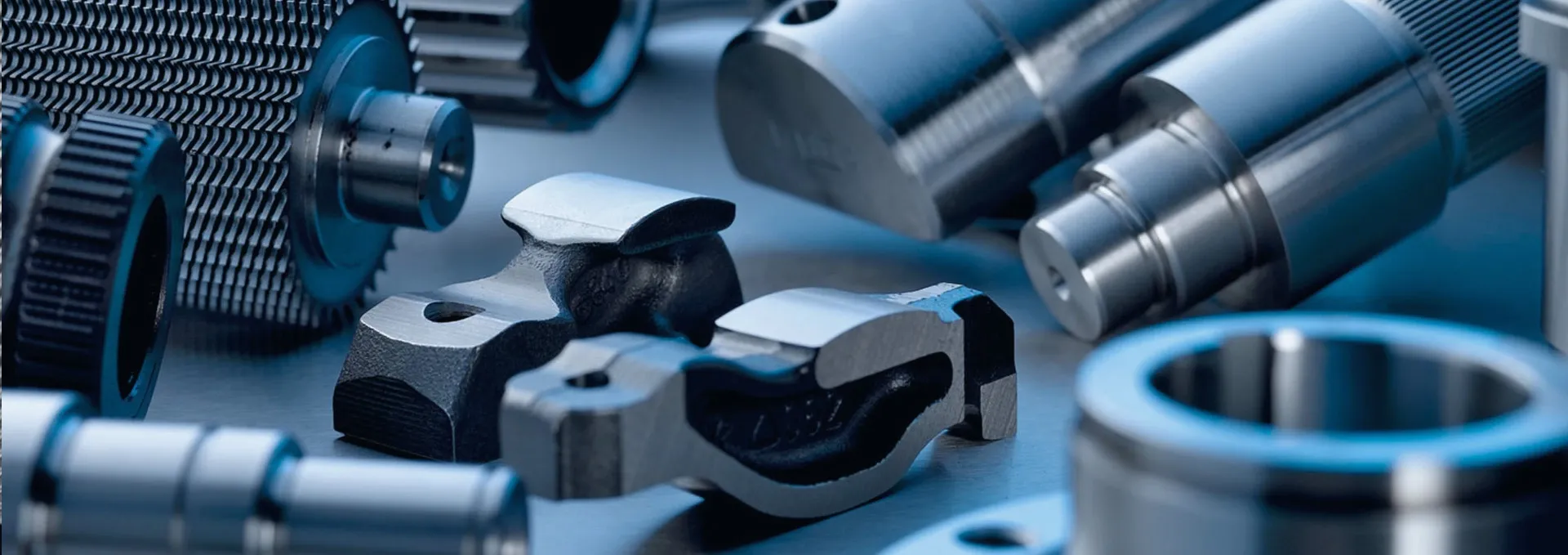
Thread Rolling Tool for Precision, Speed & Long Life
Automatic Nut and Bolt Threading Rod Thread Rolling Machine: Field Notes From the Shop Floor
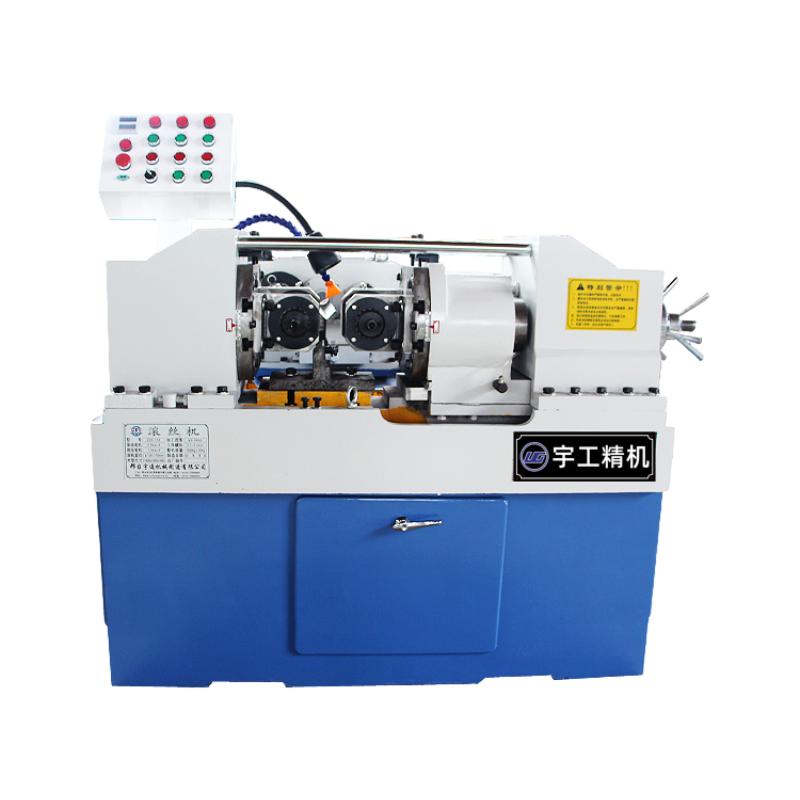
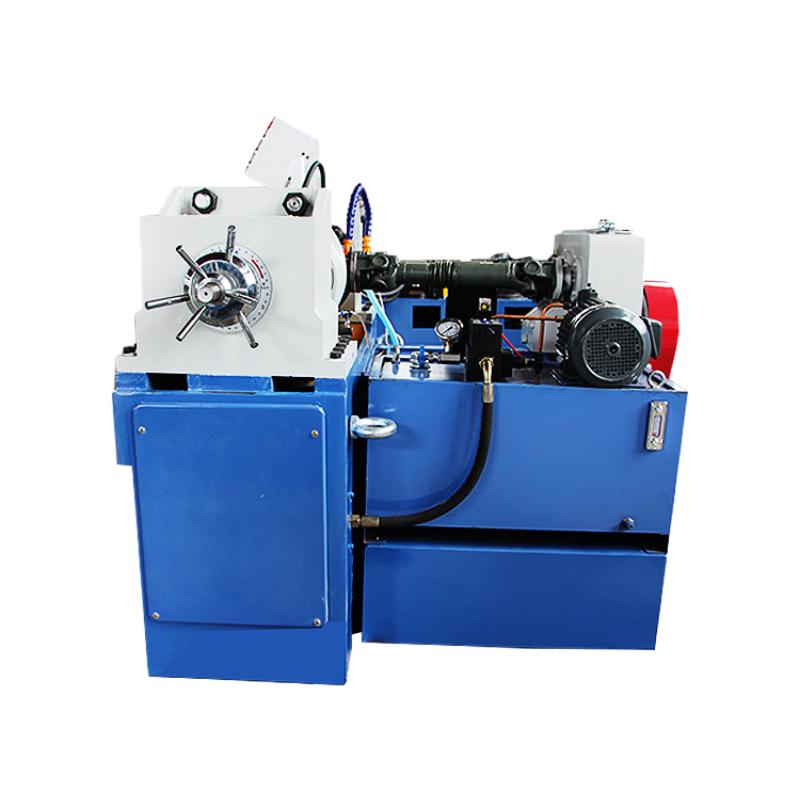
If you’re spec’ing a new line or just tired of babying worn dies, you’ll want to look closely at this Thread Rolling Tool. I’ve been around enough fastener plants to know: when the thread department runs smooth, everything else follows. And when it doesn’t—well, you feel it in warranty claims.
Industry trends (and what operators actually care about)
Right now, buyers are gravitating toward rigid frames, smarter hydraulics, and dies that hold up under stainless and alloy. In fact, many customers say the biggest surprise is how much strength bump they get from cold rolling vs. cut threads. Also, CE-ready electrics and traceable QA are no longer “nice to have”—they’re baseline.
Core specs at a glance
| Model | Z28-150 | Origin | XingWan Industrial Zone, Xingtai City, Hebei, China |
| Diameter Range | Ø6–42 mm | Pitch Range | 1–5 mm |
| Main Motor | 5.5 kW | Hydraulic Motor | 1.5 kW |
| Cooling Power | ≈90 W | Dimensions | 1600 × 1550 × 1445 mm |
| Machine Weight | ≈1800 kg (real-world use may vary) | Thread Forms | Metric, UNC/UNF, custom dies |
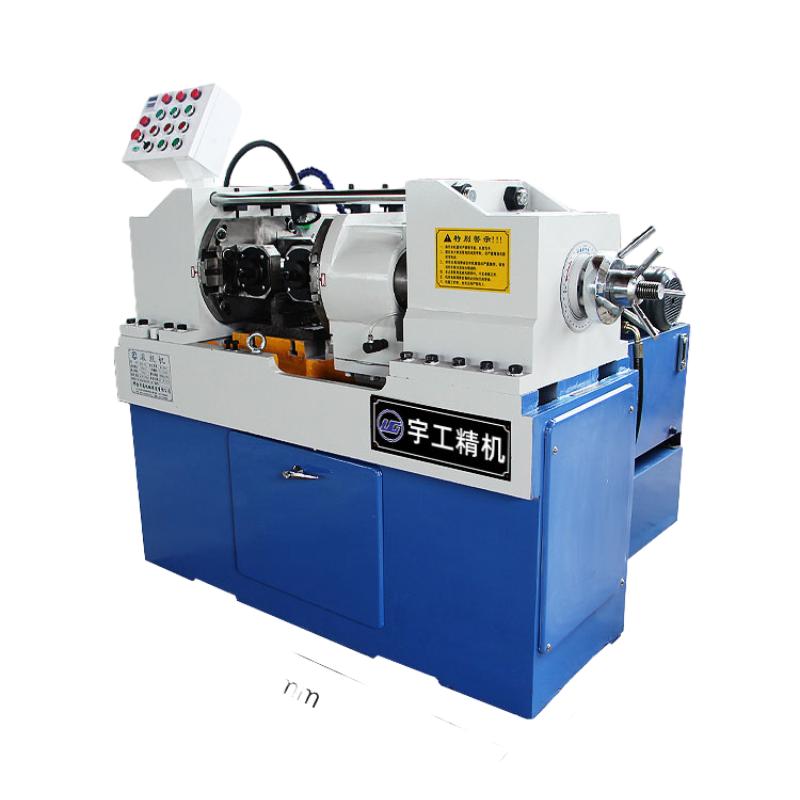
How it’s used: materials, methods, and QA flow
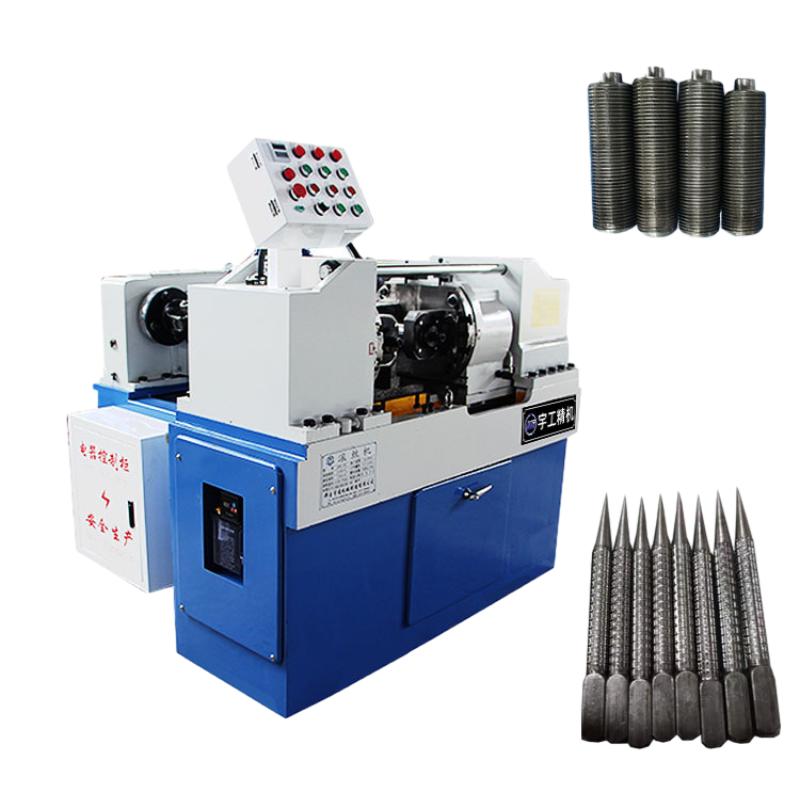
- Materials: 10B21/10B33, 35#/45# steel, alloy steel (40Cr), 304/316 stainless, rebar coupler stock.
- Method: cold-rolling with matched flat dies (HRC 60–62), hydraulic pressure control, adjustable feed and dwell for pitch fidelity.
- Testing standards: thread gauges per ISO 1502; metric thread tolerances to ISO 965-1/2 and DIN 13; ASME B1.13M for metric screw threads; hardness to ISO 6508; surface finish checked to ISO 4287.
- Service life: dies ≈80,000–150,000 parts depending on material and lube; machine frame 8–10 years with routine PM.
- Industries: automotive fasteners, construction anchors, energy hardware, rail, agriculture, and MRO studs.
In a typical cell, operators report 800–1,200 pcs/hour on M10–M20 bolts with a good emulsion. GO/NO-GO pass rates north of 98% are usual once the dies are bedded in. And yes, tensile performance improves vs. cut threads, thanks to work hardening along the flanks.
Why choose a Thread Rolling Tool over cutting?
Faster cycle times, stronger roots, smoother surfaces, less waste. To be honest, the scrap reduction alone often pays for the machine faster than finance modeled—especially on stainless.
Vendor comparison (quick buyer’s view)
| Vendor | MOTE Z28-150 | EU Premium Brand | Local Reseller |
| Lead Time | ≈25–35 days | ≈10–14 weeks | Varies (stock-dependent) |
| Price Range | Mid | High | Mid–High |
| Certification | CE-ready, ISO 9001 supplier | CE, ISO 9001 | Depends on brand |
| Customization | Dies, coatings (TiN/CrN), voltage, PLC | Limited options | Inconsistent |
Customization and real-world cases
Options include automatic feeders, safety guards, upgraded coolant, and die coatings for abrasive runs. One Hebei fastener plant (M16 construction bolts) reports a 32% throughput lift and scrap down from 3.5% to 1.1% after tuning hydraulic pressure and switching to CrN-coated dies. A solar-racking supplier rolling M10 stainless says tool life improved “surprisingly” after dialing in lube concentration to 7%.
What to check before you buy
- Confirm thread standards: ISO 965-1/2, DIN 13, or ASME B1.13M.
- Gauge plan: GO/NO-GO per ISO 1502, plus periodic SPC samples.
- Power/voltage and CE compliance for your region.
- Die inventory and coolant strategy for stainless vs. carbon steel.
Bottom line: a well-set Thread Rolling Tool like the Z28-150 punches above its weight—especially when paired with sensible QA and lubrication. If you’re consolidating lines, it’s a safe bet.
References
- ISO 965-1/2: ISO metric screw threads — Tolerances.
- ASME B1.13M: Metric Screw Threads.
- DIN 13-1: Metric screw threads — Basic profile.
- ISO 1502: Gauges for ISO metric threads — GO/NO-GO practice.
- ISO 6508: Metallic materials — Rockwell hardness test.
- ISO 4287: Surface texture — Profile method — Terms and definitions.
- EU Machinery Directive 2006/42/EC for CE marking.