

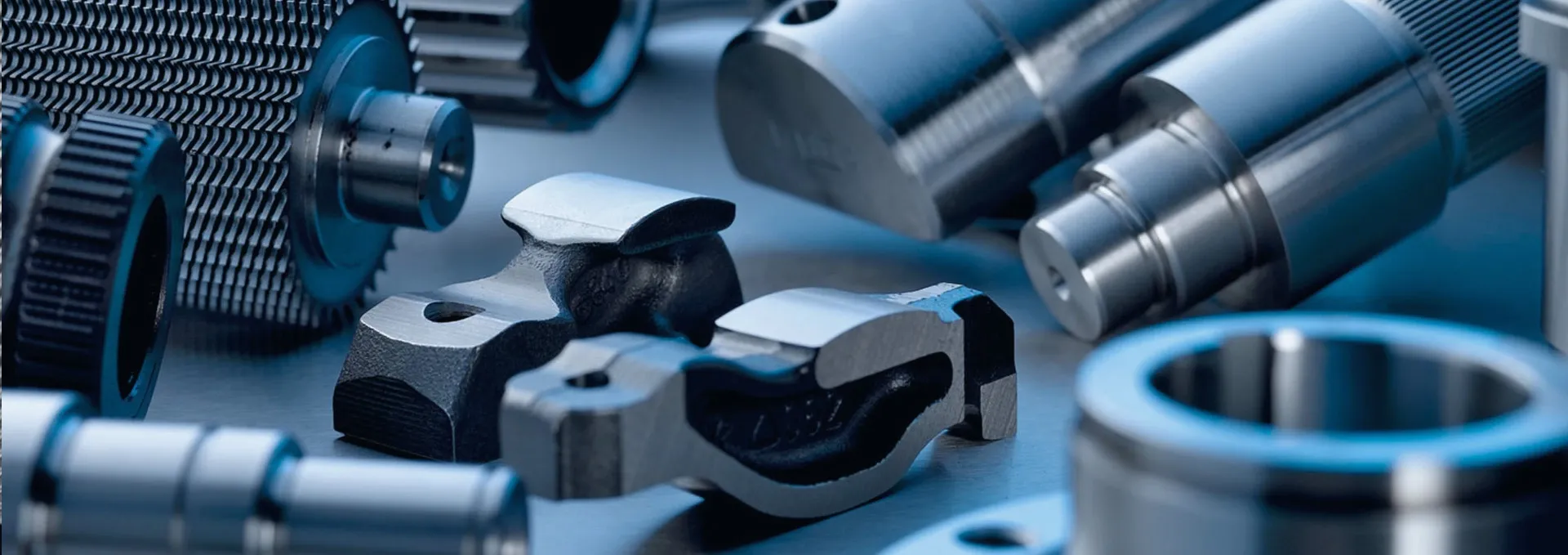
Thread Rolling Tool - High Precision, Durable, Fast Output
Why a thread rolling tool still wins in 2025 manufacturing
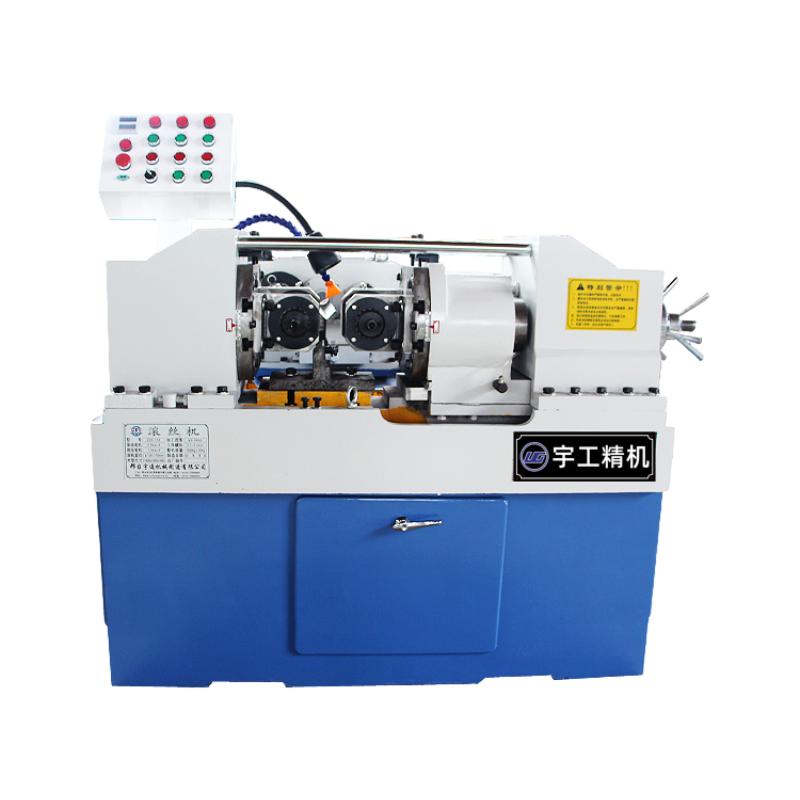
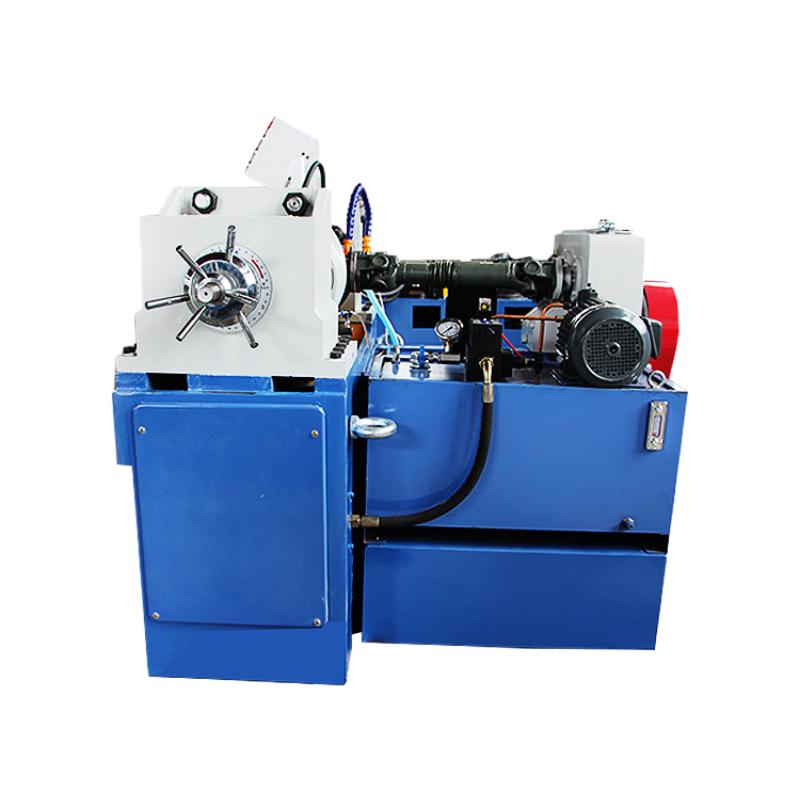
If you spend your mornings listening to hydraulic pumps and the afternoon checking thread gauges, you already know: cold forming beats cutting for speed and fatigue strength. The Automatic Nut and Bolt Threading Rod Thread Rolling Machine (model Z28-150) out of XingWan Industrial Zone, Xingtai City, Hebei—yes, that manufacturing belt—has been quietly showing up on shop floors where uptime matters. And to be honest, shops keep it because it just runs.
Quick spec snapshot (Z28-150)
| Diameter capacity | Ø6–42 mm | Pitch range | 1–5 mm |
| Main motor | 5.5 kW | Hydraulic motor | 1.5 kW |
| Cooling power | 90 W | Dimensions | 1600×1550×1445 mm |
| Machine weight | ≈1800 kg | Origin | XingWan Industrial Zone, Xingtai, Hebei, China |
Where it fits (and why it’s trending)
Automotive fasteners, rebar couplers, construction anchors, agricultural implements, even custom bicycle axles—shops are leaning into cold-formed threads for higher tensile and fatigue performance versus cut threads. With rising steel costs, less chip waste is a quiet superpower. Many customers say the thread rolling tool pays for itself on scrap reduction alone within a quarter.
Typical process flow (real-world)
- Materials: medium-carbon steels (e.g., 10B21, 1045), alloy steels (40Cr/4140), stainless (304/316). Pre-heat-treat or post-roll hardening depends on spec.
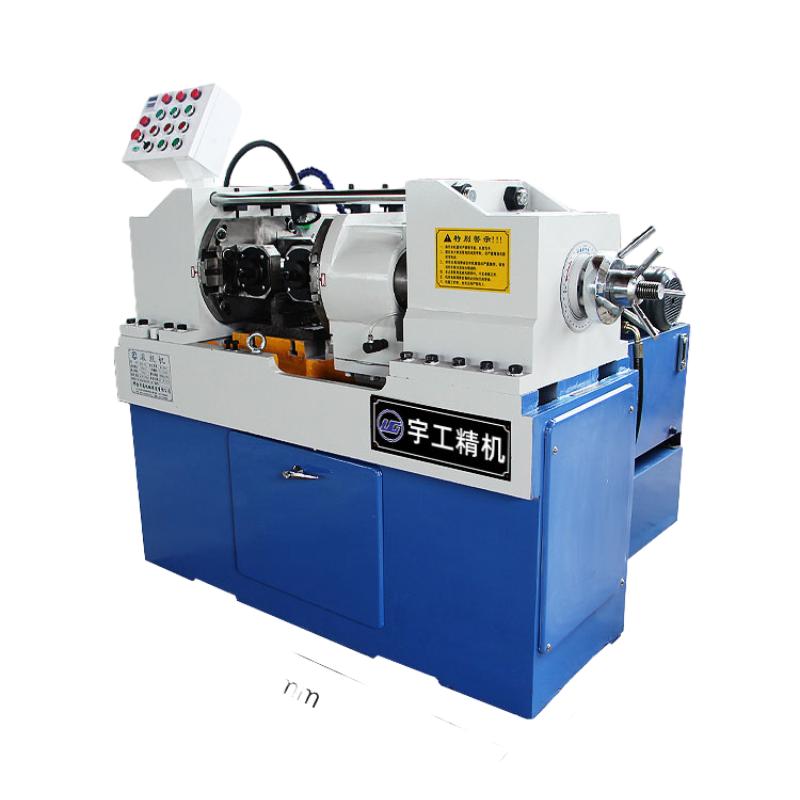
- Method: cold forming using two flat or cylindrical dies; hydraulic feed keeps pressure stable while the thread rolling tool plastically displaces material to the correct profile.
- Die materials: commonly Cr12MoV or M2 HSS; TiN/TiCN coatings extend life by ≈20–35% (field feedback may vary).
- Testing: thread rings/go gauges per ISO 965; surface finish checks (Ra ~1.6–3.2 µm typical); hardness via Rockwell; dimensional inspection per ISO 1/ISO 68-1.
- Service life: dies 80k–200k parts per set (depends on material and lube); machine life often 8–12 years with routine maintenance.
- Industries: automotive, civil engineering, MRO, energy hardware, furniture fittings.
Vendor landscape (quick comparison)
| Vendor | Capacity & Power | Support | Certifications | Lead time |
|---|---|---|---|---|
| Z28-150 (Hebei) | Ø6–42 mm, 5.5 kW main | Remote setup + spare kits | Documentation for ISO thread conformance; CE/ISO 9001 commonly requested | ≈15–30 days |
| Local Brand X | Ø4–30 mm, 4 kW | On-site only (region-limited) | Varies; request test reports | Stock/short |
| EU Maker Y | Ø6–50 mm, 7–9 kW | Global network | CE, ISO 9001; detailed SPC packs | ≈8–12 weeks |
Customization and options
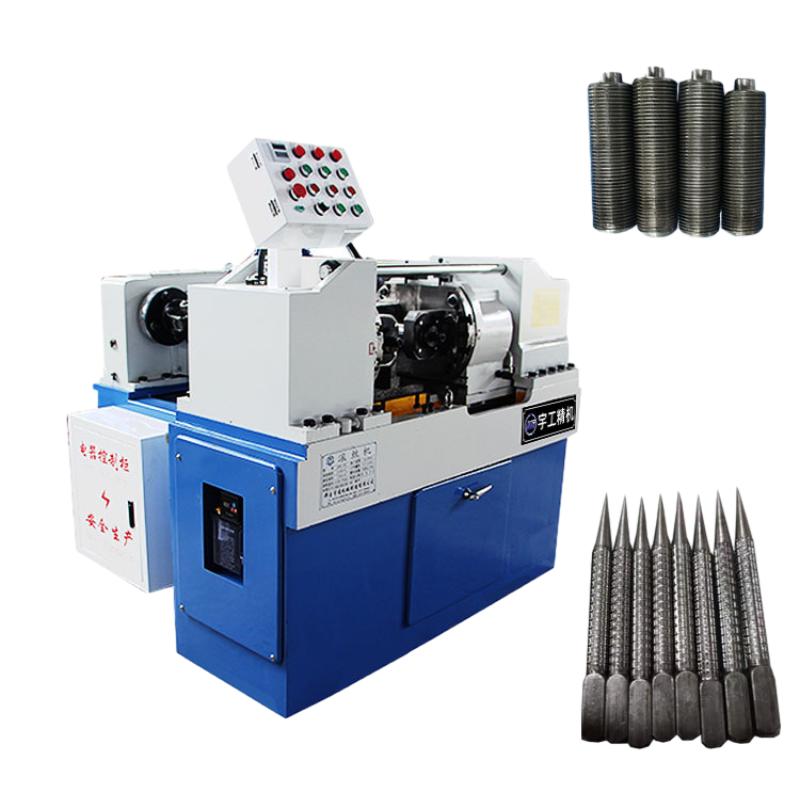
Die sets for metric/UNC/UNF; special pitches; coolant/lube upgrades; auto feeders; safety light curtains; digital counters and SPC logging. If you’re pushing stainless, ask for higher-torque setups and coated dies—your thread rolling tool will thank you.
Mini case notes
- Automotive tier supplier switched M12 bolts from cut to rolled threads: scrap down ~28%, cycle time up ~22% (shop data, 3-month average, real-world may vary).
- Civil contractor rolling rebar couplers: GO gauge pass rate 99.2% over 10k pieces using ISO 965 tolerances and routine die dressing.
Compliance-wise, confirm your prints against ISO 68-1 (profile) and ISO 965 (tolerances). For mechanical properties, cross-check with ISO 898 or your regional equivalents. It sounds dry, but it’s what keeps QA happy.
What shops say
“Set-and-forget once you dial it in.” “Hydraulics are stable, even on 42 mm bar.” “Dies last longer with synthetic emulsion.” Anecdotal? Sure—but it matches what I’ve seen.
Final thought
If your mix includes bolts, studs, rods, or couplers, a solid thread rolling tool like the Z28-150 is a pragmatic, not flashy, upgrade. Less waste, stronger threads, predictable QA. That’s the job.
References
- ISO 68-1: ISO general purpose screw threads — Basic profile — Metric series. https://www.iso.org/standard/63786.html
- ISO 965-1/2: ISO metric screw threads — Tolerances. https://www.iso.org/standard/54982.html
- ISO 898-1: Mechanical properties of fasteners made of carbon steel and alloy steel. https://www.iso.org/standard/72253.html
- VDI 3411: Thread rolling of external threads (guideline, useful practice notes). https://www.vdi.de