

Oct . 16, 2025 14:45
Back to list
Thread Rolling Tool | Precision, Durable, High-Output
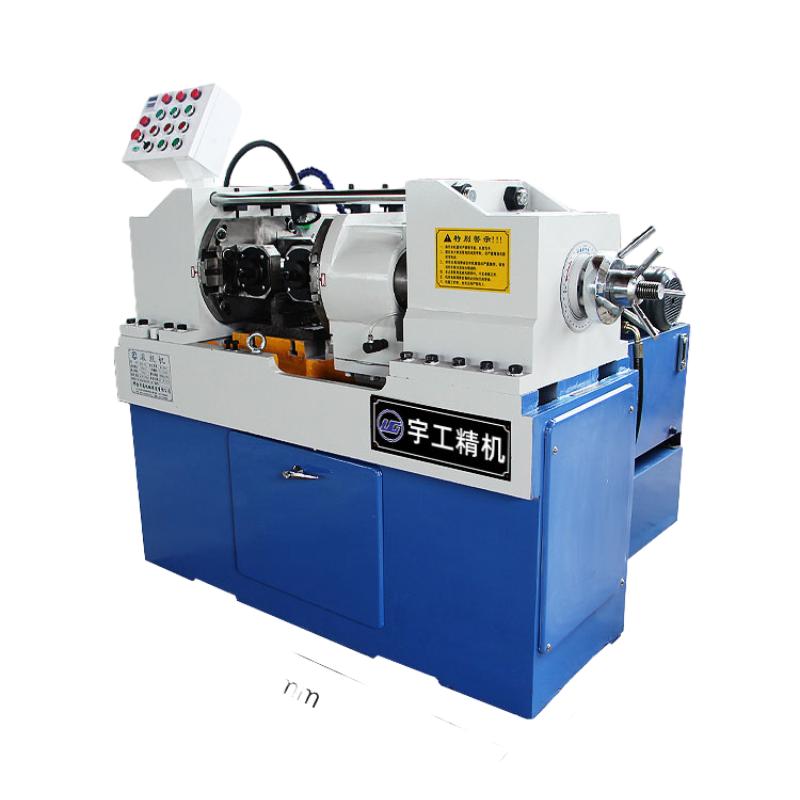
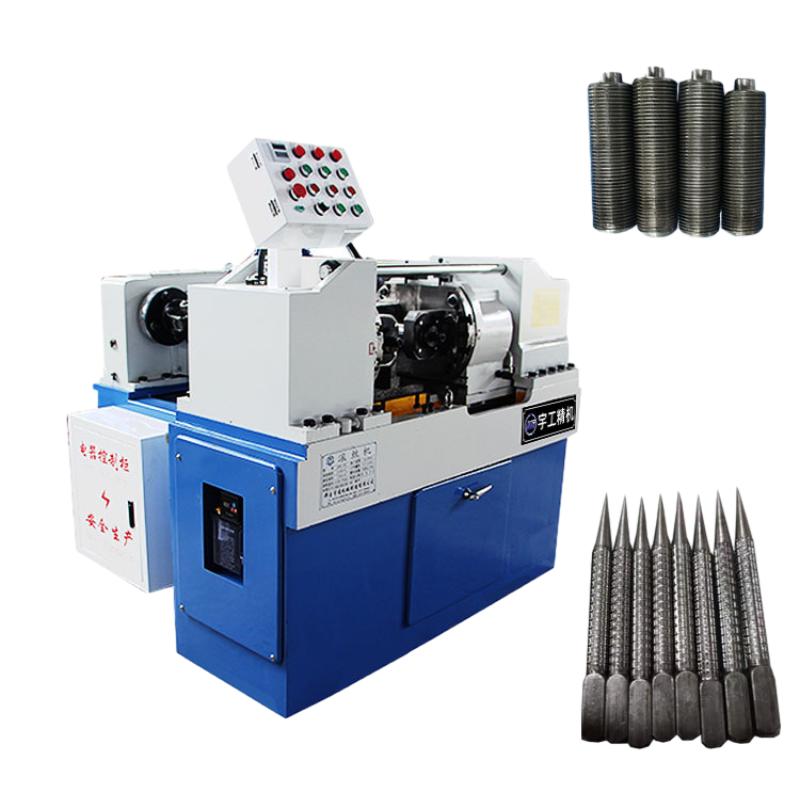
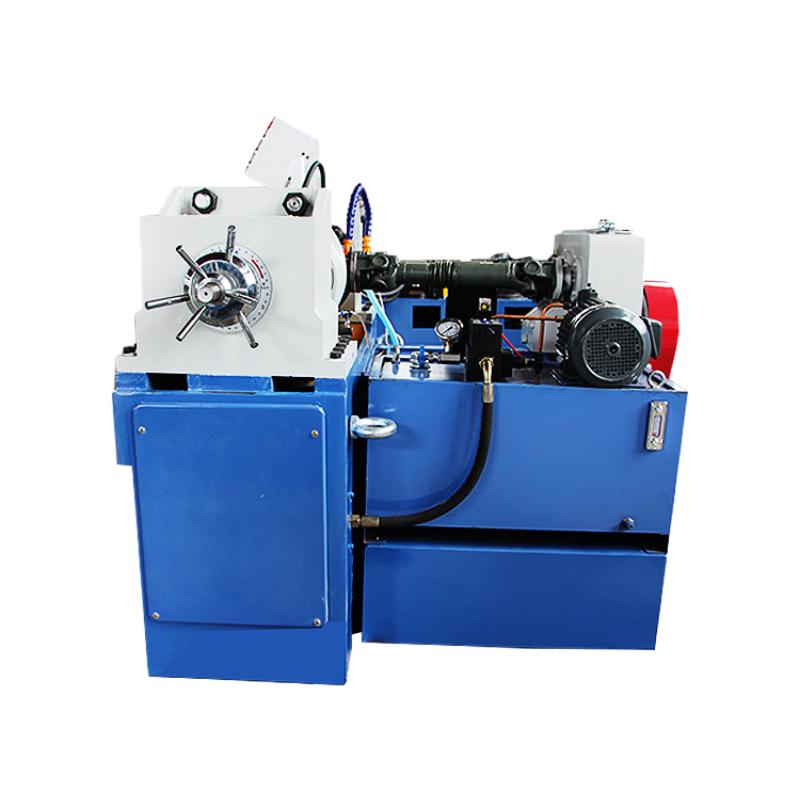
In fastener manufacturing, I keep hearing the same refrain: do more, scrap less, and deliver faster. That’s exactly why a modern thread rolling tool like the Z28-150 has been quietly taking over shop floors. It’s built in XingWan Industrial Zone, Xingtai City, Hebei, and—speaking frankly—its mix of capacity, price, and serviceability is why many buyers in automotive and construction keep shortlisting it.
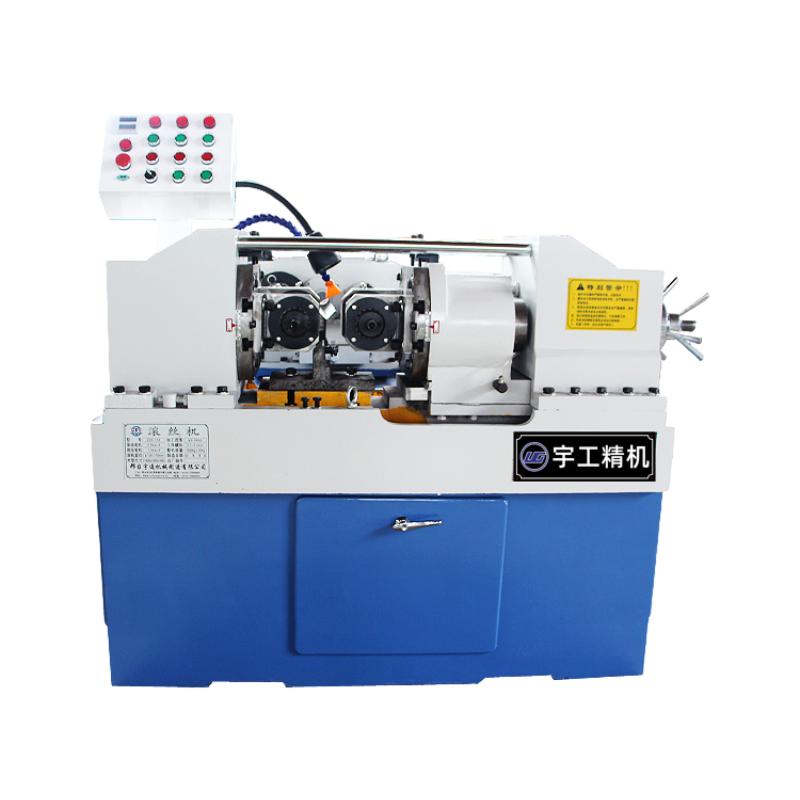 Industry trend check, quickly: demand for rolled threads is up because rolled fibers improve fatigue life versus cut threads; sustainability teams also love the lower chip waste and coolant loads. Actually, it’s not hype—most maintenance logs I’ve seen show longer bolt life in dynamic assemblies after switching to rolling.
Specifications at a glance (real-world use may vary):
Industry trend check, quickly: demand for rolled threads is up because rolled fibers improve fatigue life versus cut threads; sustainability teams also love the lower chip waste and coolant loads. Actually, it’s not hype—most maintenance logs I’ve seen show longer bolt life in dynamic assemblies after switching to rolling.
Specifications at a glance (real-world use may vary):
 Where it fits:
- Bolts, studs, and threaded rods (construction anchors, guardrail bolts, energy-sector studs)
- Automotive fasteners (suspension, engine accessories)
- OEM/general hardware lines needing repeatable throughput with lower scrap
Process flow (how shops run it day-to-day):
- Material: low/medium carbon steel (e.g., 10B21, 35#, 40Cr), stainless (304/316), sometimes Ti for specialty jobs.
- Method: cold rolling at room temp with two flat or cylindrical dies; proper lube (EP gear oil or polymer-based) cuts wear.
- Setup: thread profile per ISO 68/261/965 or ASME B1.1; checked using ISO 1502 GO/NO-GO gauges.
- QA metrics: pitch accuracy ±0.05 mm, thread roundness ≤ 0.03 mm, surface roughness Ra ≤ 1.6 μm.
- Service life: rolling dies often last ≈ 0.8–1.2 million pieces on carbon steel; hydraulic seals 12–24 months under normal shifts.
Why this thread rolling tool gets picked:
- Strength: fiber flow improves tensile/fatigue performance vs cut threads.
- Speed: hydraulic feed keeps cycle times consistent across shifts.
- Cost: lower tool cost per part; reduced rework (customers report scrap down by ≈ 20–35% after tuning).
- Compliance: supports ISO metric threads, UNC/UNF, and DIN profiles with the right dies.
Where it fits:
- Bolts, studs, and threaded rods (construction anchors, guardrail bolts, energy-sector studs)
- Automotive fasteners (suspension, engine accessories)
- OEM/general hardware lines needing repeatable throughput with lower scrap
Process flow (how shops run it day-to-day):
- Material: low/medium carbon steel (e.g., 10B21, 35#, 40Cr), stainless (304/316), sometimes Ti for specialty jobs.
- Method: cold rolling at room temp with two flat or cylindrical dies; proper lube (EP gear oil or polymer-based) cuts wear.
- Setup: thread profile per ISO 68/261/965 or ASME B1.1; checked using ISO 1502 GO/NO-GO gauges.
- QA metrics: pitch accuracy ±0.05 mm, thread roundness ≤ 0.03 mm, surface roughness Ra ≤ 1.6 μm.
- Service life: rolling dies often last ≈ 0.8–1.2 million pieces on carbon steel; hydraulic seals 12–24 months under normal shifts.
Why this thread rolling tool gets picked:
- Strength: fiber flow improves tensile/fatigue performance vs cut threads.
- Speed: hydraulic feed keeps cycle times consistent across shifts.
- Cost: lower tool cost per part; reduced rework (customers report scrap down by ≈ 20–35% after tuning).
- Compliance: supports ISO metric threads, UNC/UNF, and DIN profiles with the right dies.
 Vendor snapshot (indicative, talk to your buyer for exacts):
Customization notes:
- Dies: metric, UNC/UNF, trapezoidal, knurl patterns.
- Automation: hopper feed, rod magazine, laser part counter.
- Electricals: 380V/50Hz standard; 220/440V on request.
Certifications: plant ISO 9001; CE-marked electrical cabinets; RoHS-compliant components where applicable.
Case file (real shop talk): a mid-size anchor bolt line swapped to this thread rolling tool for Ø12–M24 studs. After a two-day die and lube tune, first-pass yield moved from 92% to 98.4%. Cycle time per M16×2 cut from 5.8s to 4.1s. Operators noted “less chatter, easier gauge pass,” which, to be honest, matches what I saw on the floor.
 Testing & standards to reference:
- Thread form/profile: ISO 68-1; metric series ISO 261/965; UNC/UNF per ASME B1.1
- Gauging: ISO 1502 plug/ring GO-NO GO; class per application
- Hardness checks: dies at HRC 58–62 (ASTM E18 method)
- Final checks: salt-spray only if coated; otherwise dimensional Cpk ≥ 1.33 for PPAP lots
Final thought: if your mix is Ø6–42 mm and you need dependable throughput with sensible upkeep costs, this thread rolling tool is absolutely in the sweet spot.
References
1. https://www.iso.org/standard/42754.html
2. https://www.iso.org/standard/54939.html
3. https://www.asme.org/codes-standards/find-codes-standards/b1-1-unified-inch-screw-threads-unc-unf
4. https://www.astm.org/e0018-20.html
Testing & standards to reference:
- Thread form/profile: ISO 68-1; metric series ISO 261/965; UNC/UNF per ASME B1.1
- Gauging: ISO 1502 plug/ring GO-NO GO; class per application
- Hardness checks: dies at HRC 58–62 (ASTM E18 method)
- Final checks: salt-spray only if coated; otherwise dimensional Cpk ≥ 1.33 for PPAP lots
Final thought: if your mix is Ø6–42 mm and you need dependable throughput with sensible upkeep costs, this thread rolling tool is absolutely in the sweet spot.
References
1. https://www.iso.org/standard/42754.html
2. https://www.iso.org/standard/54939.html
3. https://www.asme.org/codes-standards/find-codes-standards/b1-1-unified-inch-screw-threads-unc-unf
4. https://www.astm.org/e0018-20.html
Industry trend check, quickly: demand for rolled threads is up because rolled fibers improve fatigue life versus cut threads; sustainability teams also love the lower chip waste and coolant loads. Actually, it’s not hype—most maintenance logs I’ve seen show longer bolt life in dynamic assemblies after switching to rolling.
Specifications at a glance (real-world use may vary):
| Model | Z28-150 |
| Threading diameter | Ø6–42 mm |
| Pitch range | 1–5 mm |
| Main motor / Hydraulic / Cooling | 5.5 kW / 1.5 kW / 90 W |
| Machine size / Weight | 1600×1550×1445 mm / 1800 kg |
| Throughput (typ.) | ≈ 500–1200 pcs/hour (M8–M20) |
| Noise & Energy | ≤ 78 dB(A); ≈ 6–7 kWh/hour |
Where it fits:
- Bolts, studs, and threaded rods (construction anchors, guardrail bolts, energy-sector studs)
- Automotive fasteners (suspension, engine accessories)
- OEM/general hardware lines needing repeatable throughput with lower scrap
Process flow (how shops run it day-to-day):
- Material: low/medium carbon steel (e.g., 10B21, 35#, 40Cr), stainless (304/316), sometimes Ti for specialty jobs.
- Method: cold rolling at room temp with two flat or cylindrical dies; proper lube (EP gear oil or polymer-based) cuts wear.
- Setup: thread profile per ISO 68/261/965 or ASME B1.1; checked using ISO 1502 GO/NO-GO gauges.
- QA metrics: pitch accuracy ±0.05 mm, thread roundness ≤ 0.03 mm, surface roughness Ra ≤ 1.6 μm.
- Service life: rolling dies often last ≈ 0.8–1.2 million pieces on carbon steel; hydraulic seals 12–24 months under normal shifts.
Why this thread rolling tool gets picked:
- Strength: fiber flow improves tensile/fatigue performance vs cut threads.
- Speed: hydraulic feed keeps cycle times consistent across shifts.
- Cost: lower tool cost per part; reduced rework (customers report scrap down by ≈ 20–35% after tuning).
- Compliance: supports ISO metric threads, UNC/UNF, and DIN profiles with the right dies.
Vendor snapshot (indicative, talk to your buyer for exacts):
| Vendor | Range & Power | Lead Time | After-Sales | Price Level |
|---|---|---|---|---|
| MOTE Tools (Z28-150) | Ø6–42 mm; 5.5 kW main | ≈ 20–35 days | Remote + on-site (China/EU partners) | $$ |
| Local reseller brand | Ø6–36 mm; 4–5 kW | Stock/short | Local only | $–$$ |
| European OEM | Ø8–45 mm; 6–7 kW | 8–12 weeks | Global network | $$$ |
Testing & standards to reference:
- Thread form/profile: ISO 68-1; metric series ISO 261/965; UNC/UNF per ASME B1.1
- Gauging: ISO 1502 plug/ring GO-NO GO; class per application
- Hardness checks: dies at HRC 58–62 (ASTM E18 method)
- Final checks: salt-spray only if coated; otherwise dimensional Cpk ≥ 1.33 for PPAP lots
Final thought: if your mix is Ø6–42 mm and you need dependable throughput with sensible upkeep costs, this thread rolling tool is absolutely in the sweet spot.
References
1. https://www.iso.org/standard/42754.html
2. https://www.iso.org/standard/54939.html
3. https://www.asme.org/codes-standards/find-codes-standards/b1-1-unified-inch-screw-threads-unc-unf
4. https://www.astm.org/e0018-20.html
Share:
Latest news
Guide to Choosing Top 3 die thread rolling machine companies
NewsApr.09,2026
Expert 3 Die Thread Rolling Machine Company Capabilities and Applications
NewsApr.07,2026
Comprehensive 3 Die Thread Rolling Machine Pricelist and Buying Guide
NewsApr.04,2026
Find a Reliable 3 Die Thread Rolling Machine Supplier for Quality Production
NewsMar.31,2026
Exploring Top 3 Die Thread Rolling Machine Manufacturers and Their Solutions
NewsMar.28,2026
Comprehensive Guide to 3 Die Thread Rolling Machine Factory Selection and Capabilities
NewsMar.26,2026