

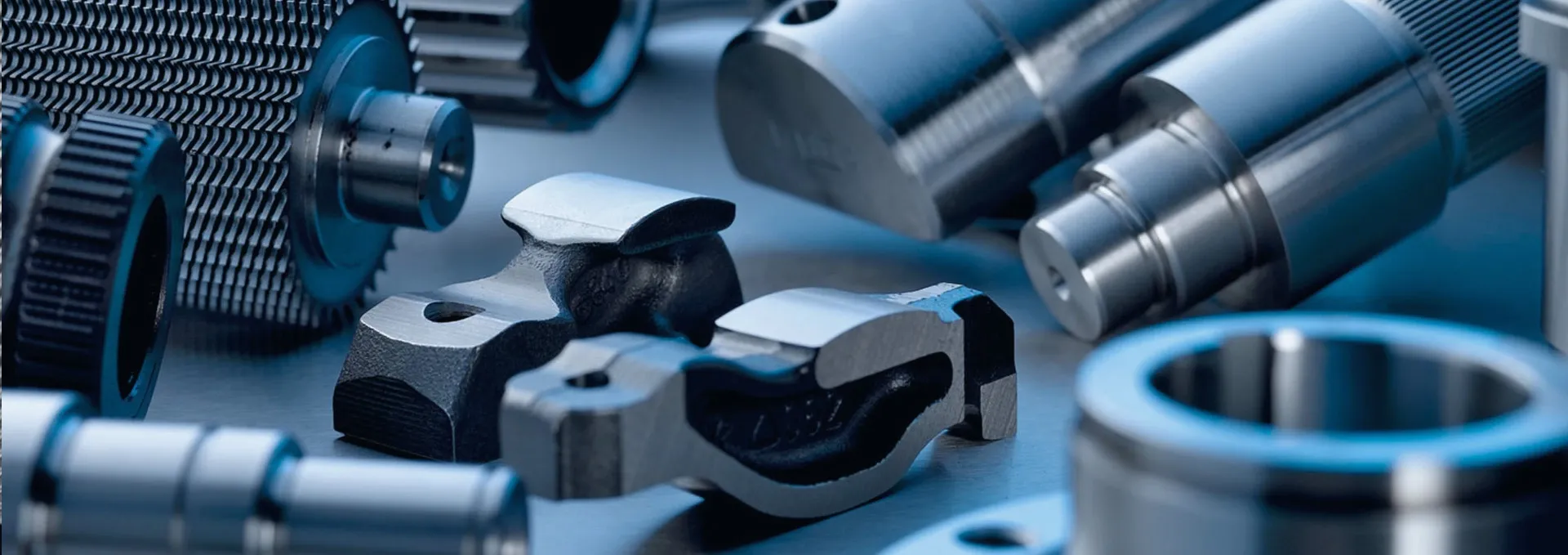
Thread Rolling Tool | Precision, Durable, High Productivity
Why Manufacturers Are Upgrading Their thread rolling tool in 2025
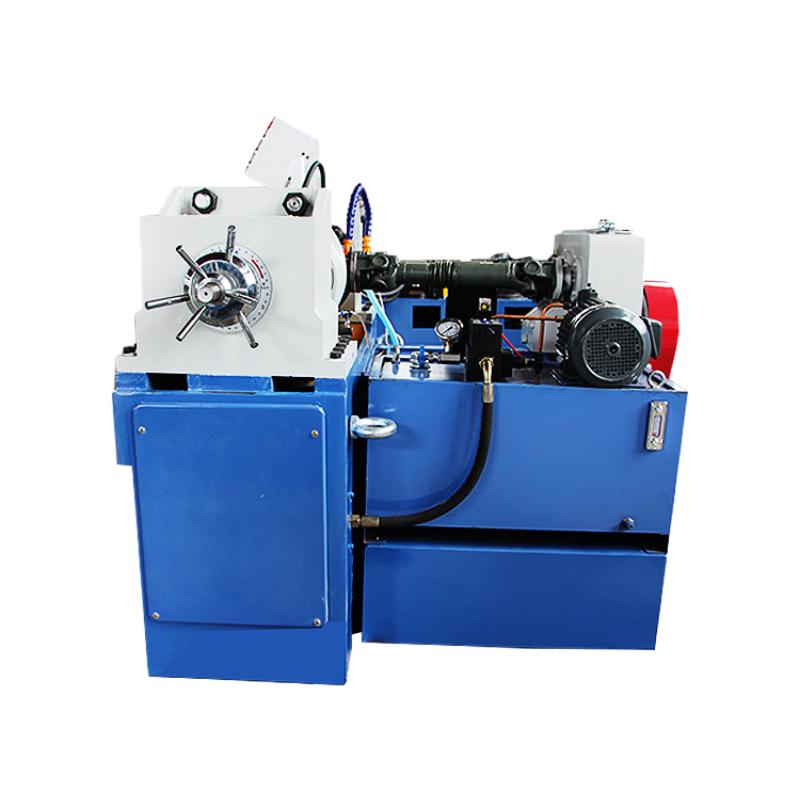
I’ve spent enough time on shop floors to know this: when a line manager says “threads are bottlenecking our takt time,” it usually ends in a tooling change. And lately, the smart money is moving to the Z28‑150 Automatic nut and bolt threading rod machine from Xingtai, Hebei—quietly robust, surprisingly flexible, and, to be honest, kinder to your OEE than you might expect.
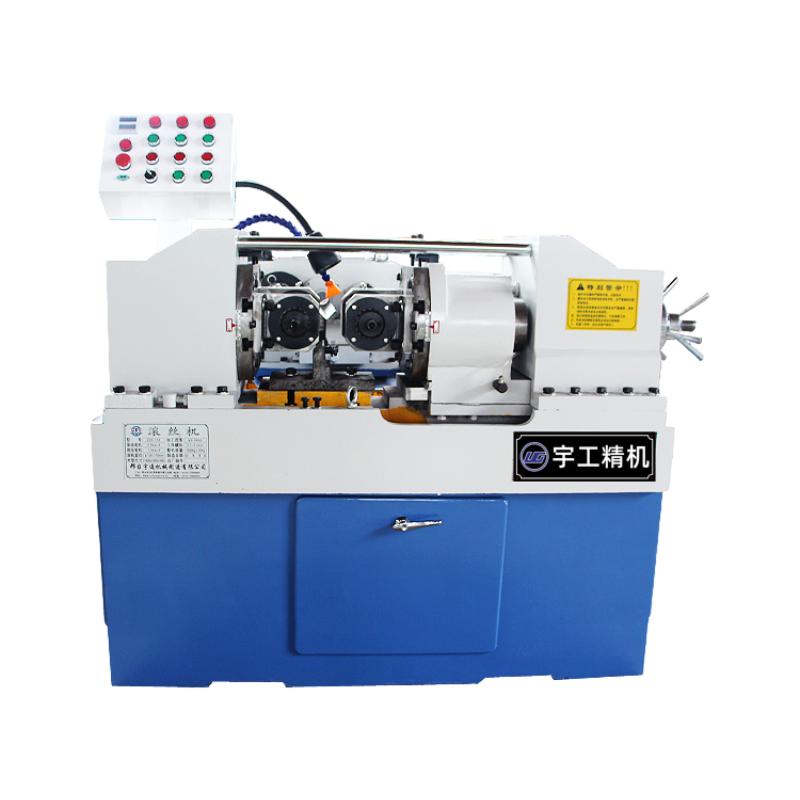
Quick look: Z28‑150 specs that matter on the floor
| Model | Z28-150 |
| Diameter capacity | 6–42 mm |
| Pitch range | 1–5 mm |
| Main motor | 5.5 kW |
| Hydraulic motor | 1.5 kW |
| Cooling power | ≈90 W (real-world use may vary) |
| Overall size | 1600 × 1550 × 1445 mm |
| Machine weight | ≈1,800 kg |
| Origin | XingWan Industrial Zone, Xingtai City, Hebei, China |
In practice, most shops run the thread rolling tool on carbon steel (e.g., 10.9-grade precursors), stainless (304/316), and even Ti-alloys if you’re brave—with the right die coating. Many customers say surface integrity is better than cut threads, and fatigue life gains are very real.
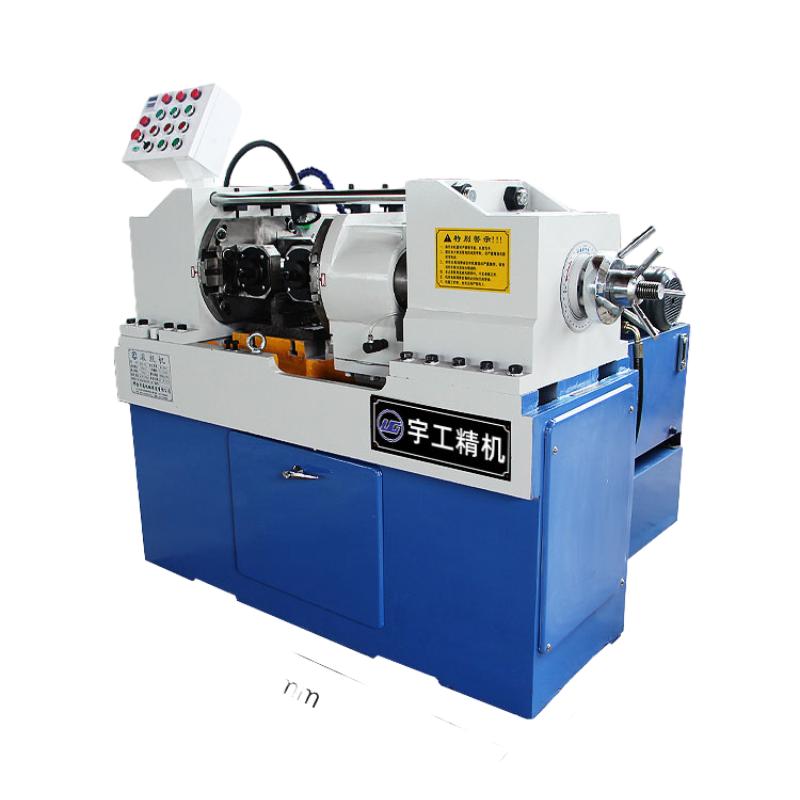
Process flow, methods, and testing
- Material prep: Normalize or spheroidize anneal where needed; blank diameter ≈ pitch × 0.649 + nominal (rule-of-thumb).
- Die selection: HSS or carbide; TiN/TiCN for carbon steel; AlCrN for stainless; lead angle per pitch.
- Rolling method: Cold forming between synchronized dies; flood emulsion coolant to control heat and chipless flow.
- Quality checks: Threads verified to ISO 965/ISO 68-1; GO/NO-GO plug/ring gauges; flank angle error ≤ ±0.5° (typical); Ra after rolling ≈ 1.6–3.2 μm.
- Mechanical results: Compressive residual stress improves fatigue; pull tests benchmarked against ISO 898-1 bolts.
- Service life: Dies often 80k–250k parts (depends wildly on alloy, lube, pitch). Machine life: 8–12 years with standard maintenance.
Field data I’ve seen shows rolled M16×2 threads with 316 stainless meeting class 6g, and achieving 12–18% higher fatigue life than cut threads. Not every day, but often enough to matter.
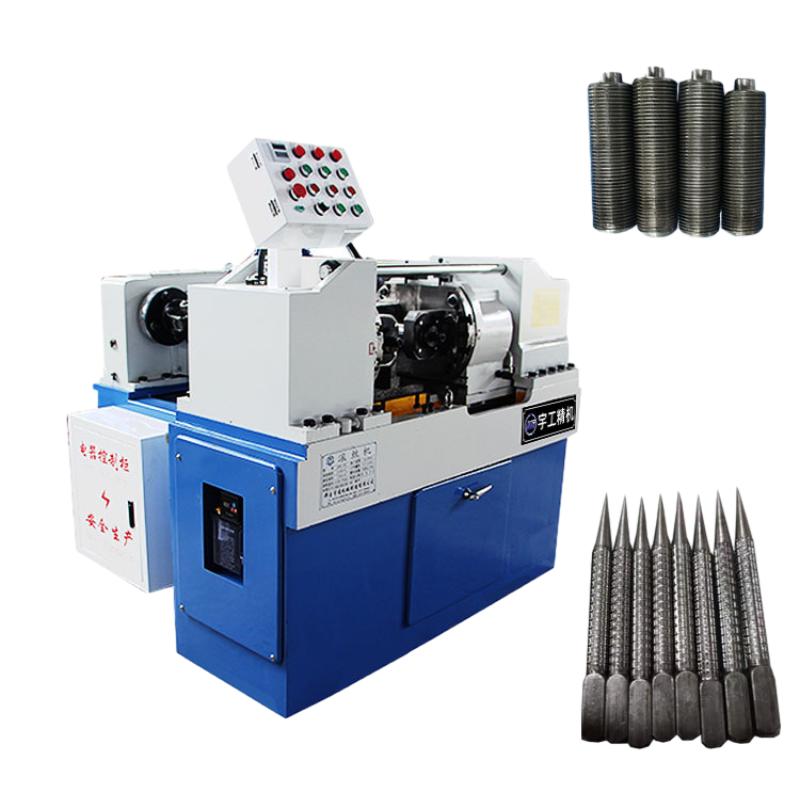
Where it fits: applications and industries
- Fasteners: bolts, studs, threaded rods (construction, energy, heavy equipment).
- Automotive and rail: suspension bolts, hub studs—quietly critical stuff.
- Oil & gas: corrosion-resistant threads where galling is a headache.
- Renewables: wind hardware; lots of M24–M36 studs in play.
Advantages? The thread rolling tool cold-forms fibers, no chips, faster throughput, less scrap. Surprisingly quiet, too—well, quieter than a grinder anyway.
Customization and options
- Custom dies for trapezoidal/ACME-like profiles (check lead limits).
- Die coatings matched to alloy families.
- Automatic feeding and rod supports for >1 m stock.
- Documentation: ISO 9001 factory QA pack; CE-related safety dossier (on request).
Vendor landscape: how it compares
| Vendor | Capacity (≈) | Certs | Lead time | Price tier | Warranty |
|---|---|---|---|---|---|
| MOTE (Z28‑150) | Ø 6–42 mm; 1–5 mm pitch | ISO 9001; CE docs | ≈3–6 weeks | Value | 12 months |
| Local OEM A | Ø 8–36 mm | ISO 9001 | ≈2–4 weeks | Budget | 6 months |
| European Brand B | Ø 6–48 mm | ISO 9001, CE | ≈8–12 weeks | Premium | 24 months |
If you’re balancing throughput and capex, the Z28‑150 is hard to ignore.
Mini case notes from the field
- Construction fastener plant (EU): Switched M20 rods to rolled threads; scrap down 2.1%, takt improved by ~14% after feeder tuning.
- Rail supplier (APAC): M16×2 in 316L; galling complaints dropped after AlCrN die switch and higher emulsion concentration.
- Wind OEM (NA): Studs M30; after SPC tightening, Cpk hit 1.46 on pitch diameter—solid for production reality.
Feedback skews positive. A maintenance lead told me, “Once we dialed die pressure and lube, it just… ran.” That’s pretty much what you want from a thread rolling tool.
Standards, compliance, and what QA will ask
Gauge to ISO 965-1 tolerance classes; verify profiles per ISO 68‑1; hardness checks via ISO 6508 (dies/material); fastener grades per ISO 898‑1. For bolted joint math, VDI 2230 remains my go-to.
References:
- ISO 68‑1: ISO general purpose metric screw threads — Basic profile.
- ISO 965‑1: ISO metric screw threads — Tolerances.
- ISO 898‑1: Mechanical properties of fasteners made of carbon steel and alloy steel.
- ISO 6508: Metallic materials — Rockwell hardness test.
- VDI 2230: Systematic calculation of highly stressed bolted joints.